
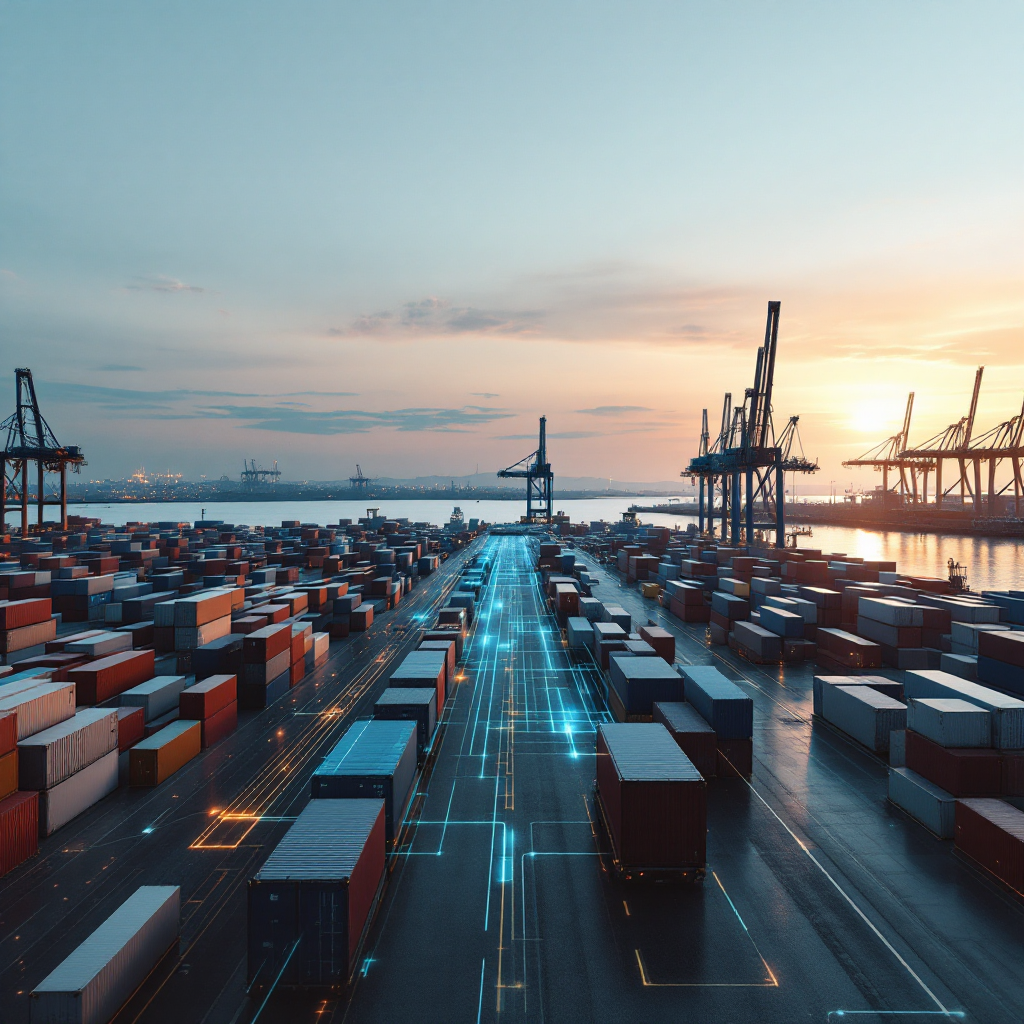
port Digitalisation and Market Drivers
A port digitalisation roadmap is a strategic plan that maps the phased steps a port must take to adopt digital technologies, improve workflows and deliver consistent performance. It defines objectives, milestones and governance. It also aligns stakeholders, from shipping lines and port authorities to terminal operators and the wider port community. The roadmap guides digital transformation across infrastructure, IT systems and organizational processes. For modern ports, this roadmap becomes the instrument for competitive advantage and long-term resilience.
Market drivers push the agenda. First, growing global trade volumes require faster, more reliable port operation. Second, environmental targets force ports to reduce emissions and optimize energy. Third, customers demand visibility and predictability across the supply chain. For example, five major smart ports report a 20–30% increase in operational efficiency after targeted digitalization efforts. That uplift often reflects better container throughput, clearer berth plans and fewer delays. In addition, a World Bank and IAPH study finds digital technologies can improve maritime supply chain resilience by up to 40%. Those two figures help explain why ports benefit from a coherent roadmap.
Demand for smarter systems also links to industry 4.0 trends. Automation, AI and internet of things deployments let terminals optimize flows and reduce manual errors. Ports must balance investment and disruption. Legacy infrastructure and data silos create significant challenges, so phased implementation strategies help. In that sense, a roadmap clarifies the level of digital maturity a port needs, what legacy systems to replace, and which digital capabilities to prioritize. It also helps port management and port authorities justify budgets and deliver measurable performance outcomes for cargo handling, safety and sustainability.
Operational efficiency and sustainability now go hand in hand. When a port optimizes berth scheduling, yard moves and documentation, it reduces vessel idle time and cuts emissions. That is the reason many large ports are adopting digital platforms and digital processes. This contributes to a more resilient port ecosystem and a gateway that supports international trade.
roadmap Phases for Port Transformation
The roadmap for transformation breaks the journey into clear phases. First, Assessment. Here port teams audit legacy infrastructure, IT systems and workflows. They map current port activities, note technology gaps, and measure the level of maturity across terminals. They examine the port system, the port network connections and the port community interactions that influence daily operations. A practical audit also documents dependencies with shipping lines and customs so the port can plan supply chain integration.
Second, Technology selection. Ports evaluate options such as internet of things sensors, AI analytics, robotics and 5G connectivity. Decision criteria include scalability, interoperability and return on investment. For container port and terminal leaders, technology choices determine whether a project addresses immediate bottlenecks or supports longer-term digital adoption. If a port intends to optimize yard sequencing, for example, it must compare solutions that support automated guided vehicles, digital twin modeling and AI-based task allocation. For further reading on yard optimization fundamentals see this detailed guide on container terminal yard optimization fundamentals.
Third, Integration. The roadmap must establish standardized data protocols, cloud platforms and stakeholder interoperability. That means breaking down data silos and agreeing common formats among terminal operators, port authorities and shipping lines. It also involves setting up secure APIs and digital platforms that support real-time data exchange. These integration steps help a port implement seamless scheduling between vessel arrival and yard planning. They also support digital supply chain visibility, which reduces administrative delays and manual handoffs.
Finally, Continuous improvement. Ports set KPIs for efficiency, emissions and safety performance and then iterate. They move from pilots to scaled rollouts. The phased implementation strategies reduce risk and allow ports to demonstrate value early. This approach aligns with the broader goals of transforming ports into modern ports that can sustain high throughput and deliver a competitive advantage in global trade.
Drowning in a full terminal with replans, exceptions and last-minute changes?
Discover what AI-driven planning can do for your terminal
modernization Technologies: IoT, AI and Robotics
IoT, AI and robotics form the core of most port modernization plans. Internet of things sensors provide granular, real-time visibility on containers, gates and equipment. They feed telemetry into analytics platforms so teams can act quickly. For instance, IoT deployment for real-time container tracking reduces misplacements and speeds up gate processing. Ports that combine sensors with cloud platforms gain actionable insights that inform yard planning and equipment scheduling. The use of internet of things is a foundational step for advanced digital capabilities.
AI delivers predictive insights and decision automation. AI-driven berth planning can reduce vessel turnaround by up to 25% when models optimize arrival windows and berth allocation. AI also powers predictive maintenance, so cranes and quay equipment face less downtime. Across terminal operations, AI helps prioritize moves, allocate automated guided vehicles and sequence tandem lifts. For more on AI-based prediction in yard capacity optimization, read this resource on AI-based prediction of modal shifts.
Robotics reduce manual risk and boost throughput. Automated cranes, AGVs and automated guided vehicles remove repetitive physical tasks and protect workers. They also increase throughput consistency during peak operations. Ports that introduce robotics alongside digital platforms often pair them with digital twin models. A digital twin helps operators run simulations and validate changes before physical rollout. That reduces the chance of operational disruption and makes modernization more predictable.
These technologies work best when combined. IoT feeds AI. AI controls robotics. Data from all systems aggregates in dashboards that support strategic management. To scale successfully, ports must address cybersecurity and change management. When done right, the combination of IoT, AI and robotics yields measurable gains in operational efficiency and paves the way for industry 4.0 adoption across the port ecosystem.
container port Optimisation: Case for Automation and 5G
Automation and 5G form a compelling pair for container port optimization. 5G networks increase data transmission speeds by orders of magnitude and enable real-time control of remote equipment. Research shows 5G adoption in smart ports can boost data speeds up to 100 times, which supports remote operations and low-latency control of automated guided vehicles and cranes (scaling-up 5G adoption in smart ports). That capability lets operators maximize throughput and minimize manual interventions.
Automated guided vehicles and digital twin models together improve yard and quay planning. AGVs move containers with predictable timing. Digital twins let teams simulate yard layouts, crane splits and traffic flows before changes go live. Those tools support better synchronization between berth scheduling and yard dispatching. For specifics on integrating vessel and yard planning, see this article about integrating vessel planning and yard planning. The combination reduces non-productive moves and raises gross moves per hour.
Electrification and energy management systems reduce emissions as terminals scale automation. Electric port equipment and smart charging systems cut fuel consumption and lower noise. They also align with sustainability targets and regulatory compliance. Ports that combine automation with decarbonization strategies can both increase throughput and cut emissions, which helps in long-term planning. For strategies that reduce handling inefficiencies, consult the piece on reducing container rehandles.
Finally, automation and 5G must fit the port’s business models and operational culture. Ports have different ability to invest, so scalable pilots and phased rollouts work best. Stakeholder engagement across the port ecosystem ensures acceptance and seamless adoption. When ports align technology and people, they create a more resilient hub that supports global supply and delivers competitive advantage.
Drowning in a full terminal with replans, exceptions and last-minute changes?
Discover what AI-driven planning can do for your terminal
case studies: Insights from Leading Smart Ports
Case studies show how thoughtful roadmaps deliver measurable results. Singapore, Rotterdam and Shanghai illustrate different approaches to the transformation of ports. Singapore focuses on AI scheduling and integrated platforms. Its systems improved throughput by approximately 20% through advanced scheduling and predictive arrivals; this aligns with findings in smart port analyses (“Smart ports represent the future of maritime logistics”). Rotterdam emphasizes digital twins and system integration. Its digital-twin system reduced idle time by about 15% by optimizing quay and yard operations. Shanghai invested in blockchain-based documentation to speed paperwork and saw documentation delays fall by roughly 30%.
These examples demonstrate different maturity levels and investment models. A global port with strong digital capabilities shows rapid benefits. A smaller terminal often uses phased implementation, starting with basic digital then moving to advanced digital solutions. Each type of port must tailor the roadmap to its level of digital maturity and its role in global maritime networks. For ports looking to improve berth calls and reduce congestion, a practical resource is the berth call optimization strategies guide.
Quotes from industry reports reinforce these lessons. One expert writes that “Automation and digital innovation are no longer optional but essential for ports to remain competitive” (New Report on Global Port Trends). Another study notes the potential to improve maritime supply chain resilience by up to 40% through digital adoption (World Bank & IAPH). Those real-world outcomes show how digital initiatives convert into operational gains, environmental improvements and stronger supply chain integration.
Organizations such as port authorities and terminal operators should extract two lessons. First, align technology with clear KPIs and business models. When ports adopt these practices, they position themselves as critical port gateways that support international trade and long-term growth.

Sustainability and Continuous Improvement
Sustainability must be embedded in any port roadmap. Ports set KPIs for efficiency, emissions and safety performance and then use them to measure progress. Typical KPIs include reduced vessel turnaround, lower fuel consumption per handled TEU, fewer container rehandles and improved on-time gate performance. Tracking these indicators supports continuous improvement and helps justify follow-on investment. It also aligns port activities with regional climate goals and international trade standards.
Increased connectivity raises exposure to cyber threats, so ports need robust frameworks and incident response plans. Training programs must raise staff digital skills and promote adoption of digital processes. For operational teams, automating repetitive correspondence helps reduce error and accelerate response. This reduces handling time and improves traceability, which supports safer and faster port operation.
Look to next-generation trends. Blockchain expands for secure documentation and regulatory compliance. Green hydrogen and electrification support decarbonization of cargo handling equipment and vessel bunkering. Extended reality tools help train operators and test layout changes in a safe environment. A digital twin remains a core capability for testing scenarios and optimizing resource allocation without disrupting live operations. Ports that embrace continuous learning can respond faster to disruption and exploit new business models.
Finally, governance and stakeholder engagement keep the roadmap on track. Ports must coordinate with shipping lines and customs, with clear data-sharing agreements and scalable pilot programs. They should adopt standardized data protocols to enable seamless interoperability across the port ecosystem. With sustained focus on measurement and iteration, ports can maximize returns, optimize asset use and secure their place in global supply chains. These steps make ports not only efficient, but greener and more resilient over time.
FAQ
What is a port digitalisation roadmap?
A port digitalisation roadmap is a phased plan that outlines how a port will adopt digital technologies, upgrade infrastructure and improve processes. It defines assessments, technology selection, integration steps and continuous improvement practices to reach desired maturity levels.
Why should ports pursue digital transformation?
Digital transformation helps ports improve operational efficiency, reduce emissions and increase supply chain resilience. It also delivers better visibility and predictability for stakeholders such as shipping lines, customs and terminal operators.
Which technologies matter most for port modernization?
Key technologies include IoT for tracking, AI for predictive planning, robotics such as automated guided vehicles, and 5G for real-time control. Combined, they enable smarter terminal operations and better asset utilization.
How much efficiency gain can ports expect?
Recent studies show smart ports can achieve a 20–30% increase in operational efficiency in specific areas like container tracking and berth planning. In addition, automation can reduce vessel turnaround times by up to 25% in container terminals.
What role do port authorities play in digitalization?
Port authorities set strategic direction, secure funding and coordinate stakeholders. They help implement standards and governance that enable seamless data exchange across the port community and the wider port ecosystem.
How can ports address legacy infrastructure?
Ports should use phased implementation strategies, starting with audits and pilots that prove value. Incremental modernization helps balance cost, risk and disruption while building digital capabilities over time.
What cybersecurity measures should ports take?
Ports need layered defenses, incident response plans and continuous monitoring. They should also enforce access controls and secure APIs to protect integrated systems and the digital supply chain.
How do digital twins support port operations?
Digital twins simulate yard and quay operations before changes go live, which reduces disruption and optimizes resource use. They also support scenario testing for berth scheduling and equipment allocation.
Can smaller ports benefit from digitization?
Yes. Smaller ports can run scalable pilots and focus on high-impact areas like gate automation, document digitization or targeted energy management. Scalable solutions allow even limited budgets to yield measurable benefits.
How do I find more technical resources on yard optimization?
Start with technical guides that explain container terminal yard planning fundamentals and predictive analytics for yard capacity. Useful resources include detailed articles on yard optimization and berth-call strategies available on leading industry sites.
our products
 stowAI
 stackAI
 jobAI
jobAI
Innovates vessel planning. Faster rotation time of ships, increased flexibility towards shipping lines and customers.
Build the stack in the most efficient way. Increase moves per hour by reducing shifters and increase crane efficiency.
Get the most out of your equipment. Increase moves per hour by minimising waste and delays.
stowAI
Innovates vessel planning. Faster rotation time of ships, increased flexibility towards shipping lines and customers.
stackAI
Build the stack in the most efficient way. Increase moves per hour by reducing shifters and increase crane efficiency.
jobAI
Get the most out of your equipment. Increase moves per hour by minimising waste and delays.