
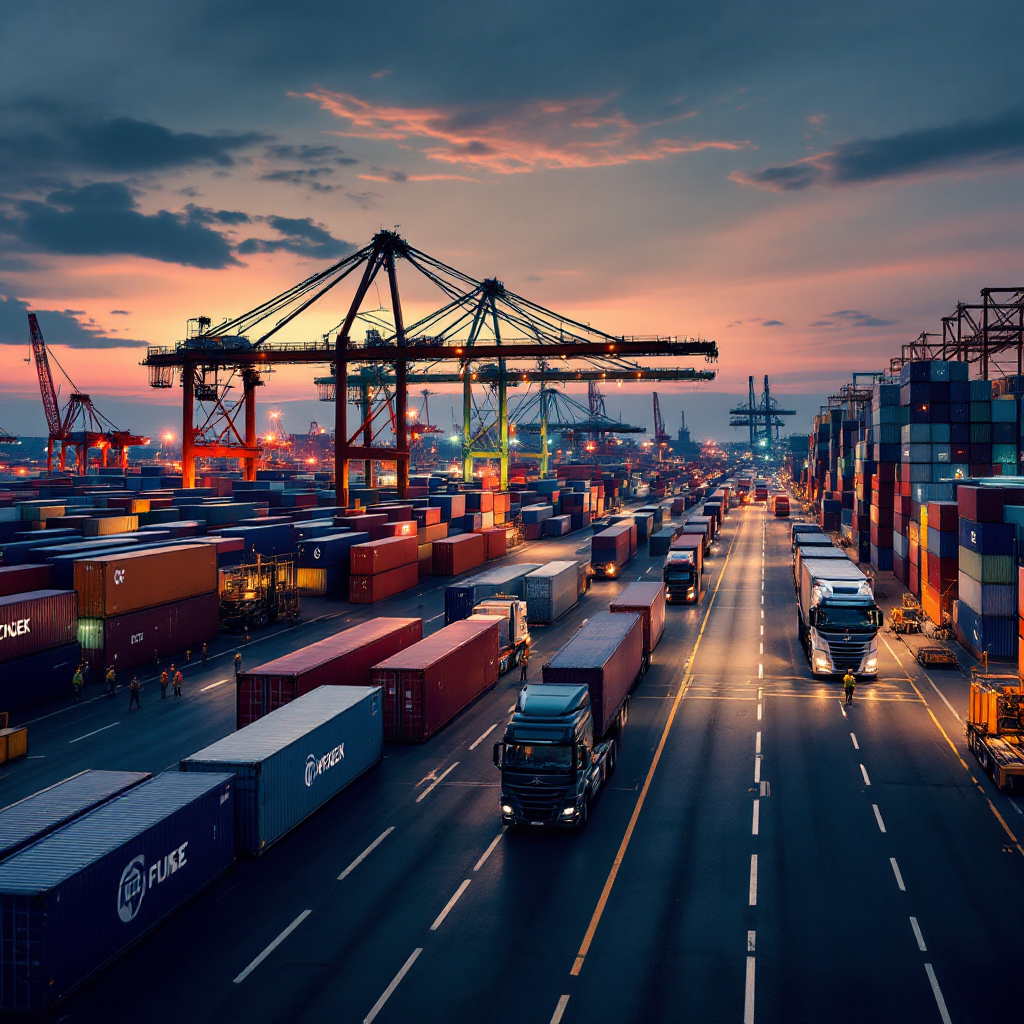
1. Peak seasons: Understanding Terminal Strain During Peak Seasons
Global trade surges during seasonal windows create real pressure on yard layouts, equipment and personnel. For example, short Q3 and year-end surges can drive a 15–25% increase in container volumes in a few weeks. This sudden demand often triggers longer vessel wait and more congestion. If planners do not act, vessel waiting times can rise by up to 30% during peak periods Meng et al.. Terminal teams must PLAN capacity, shift rosters and maintenance to avoid cascading delays.
Start with a clear baseline. First, map all storage and traffic flows. Next, model how a surge affects gates, stacking blocks and quay cranes. Then, adjust labour schedules and preventive maintenance so that critical crane and truck resources stay online. As a result, teams handle surge-related messages faster and free staff to focus on hands-on tasks.
Good planning includes tactical buffer zones and fast-turn storage near gates. These reduce on-terminal dwell. Also, keep a flexible pool of trained personnel who can be deployed to busy shifts. Use predictive analytics to anticipate short spikes, and schedule overtime before queues form. For added context on yard layout and storage strategies see our article on yard optimization real-time yard optimization strategies.
When you prepare for peak, also review carrier schedules and offseason maintenance calendars. Coordinate with haulage operators and rail partners so inbound traffic spreads over wider windows. Finally, document procedures and brief crews in advance. Clear, simple procedures help personnel respond quickly and reduce errors during high-intensity windows.
2. Peak: Identifying Bottlenecks in Peak Hours
Pinpointing the right bottlenecks early delivers major gains. Gate queues often form first. Unregulated truck influx can raise gate congestion delays by 20–25% research shows. Next, yard stacking density climbs. High density slows retrieval and raises mis-moves. Studies report yard stacking beyond optimal levels can slow container retrieval by about 15% Container Yard as a Complementary Warehousing Strategy. These effects cascade into longer vessel stays.
To identify choke points, collect timely metrics. Track gate processing time, truck queue length and average dwell per move. Also, measure crane cycle times and mis-move rates. Use this data to compute where to add temporary capacity or adjust priorities. For example, reassign a crane to a congested berth for a short window. Or open a temporary off-terminal buffer to absorb overflow freight. For tools that simulate terminal flows and help you test changes, review our piece on digital replicas for scenario testing digital replica and scenario simulation.
Human factors matter too. When personnel lack clear task assignments, turnaround slows. Clear escalation paths and a small, well-trained team reduce errors. Automated agents label, route and draft replies so supervisors focus on on-the-ground bottlenecks. Finally, anticipate secondary bottlenecks such as off-dock delays and transport shortages. If empty repossession or chassis availability lags, the on-terminal flow suffers and delays multiply.
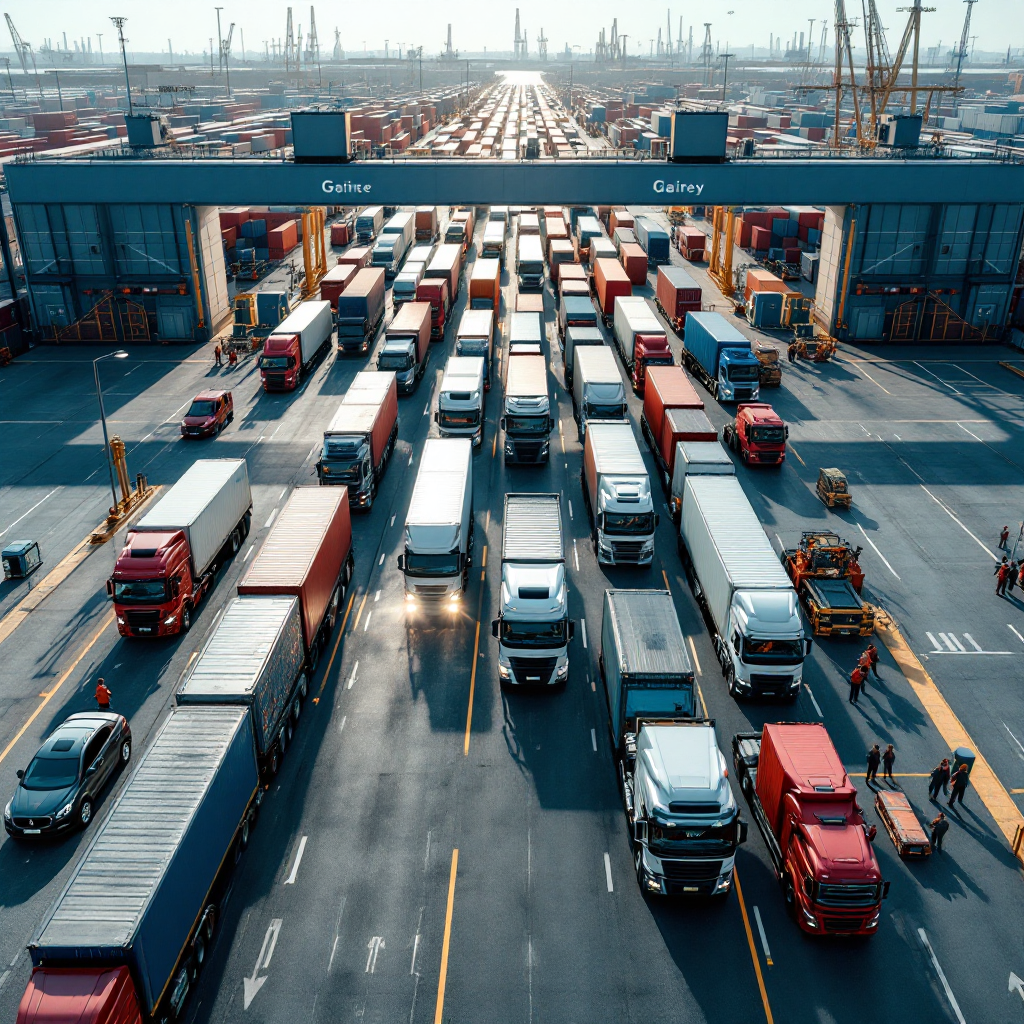
Drowning in a full terminal with replans, exceptions and last-minute changes?
Discover what AI-driven planning can do for your terminal
3. Operational: Boosting Operational Efficiency with Technology
Adopting technology enhances throughput and reduces human error. Automated stacking cranes and remote-control yard vehicles can cut handling cycles by 10–15%. In addition, real-time container tracking and digital yard management improve planner decisions and reduce mis-moves. Research notes that technologies used to reduce emissions in warehouses also “contribute to operational efficiency” study on effective technologies. Deploy these systems with clear KPIs so gains are measurable.
Implement a phased rollout. First, automate data flows between TMS, WMS and vessel stowage systems. Next, add a real-time dashboard for gate and crane performance. Then, adopt predictive maintenance on cranes and yard trucks so you prevent unscheduled downtime. Predictive alerts minimize the chance of an unexpected crane outage at the worst possible moment. For tactical tips on crane productivity and scheduling tools, see our guide on quay crane scheduling AI-driven quay crane scheduling.
Use AI to reduce manual messaging. The platform reads inbound requests, finds data in ERP and TMS, and creates accurate replies. This cut in email handling time lets operators spend more time on physical tasks. In addition, automation enables faster decision loops. Finally, integrate data analytics so you can continuously adapt the operation to changing demand peaks. The right tools enable clear, continuous improvement.
4. Manage: How to Manage Truck Arrivals to Reduce Gate Congestion
Controlling truck flows is one of the most effective ways to clear gate congestion. Time-slot booking systems limit truck arrivals to designated windows. Evidence shows that managed truck arrivals can cut gate queues by roughly 20% research. When bookings match yard capacity, trucks wait less, and drivers spend less time idling. That reduces operational costs and improves service levels.
Designate nearby buffer zones so trucks can wait off-terminal without blocking entry lanes. These staging areas also allow haulage operators to line up documents and inspections before reaching the gate. Use dynamic slot adjustments tied to vessel schedules and crane productivity. If a vessel runs late, shift some slots to later windows so flows stay balanced. You can also use predictive haulier arrival predictions to smooth peaks; see our detailed work on reducing yard and gate congestion with haulier arrival predictions haulier arrival predictions.
Operationally, enforce simple rules. Require bookings for priority moves and use a small percentage of walk-in capacity for exceptions. Communicate slots clearly via automated messages and confirmations. Then, monitor compliance and apply light enforcement for chronic offenders. This reduces manual follow-up and keeps gate operators focused on processing rather than chasing messages.
Finally, coordinate with carrier partners and the authority to optimize arrival windows. When everyone shares the same schedule, delays drop. The result is a smoother truck flow and fewer expensive queue spillovers that can cause broader port congestion.
Drowning in a full terminal with replans, exceptions and last-minute changes?
Discover what AI-driven planning can do for your terminal
5. Solution: Off-Dock Depot Improvements as a Solution for Empty Container Handling
Empty-container handling at off-dock depots affects on-terminal flow. Delays there can cascade back to the yard. Consolidated off-dock depots with digital hand-over and coordinated workflows can reduce empty-container turnaround by up to 18% study on off-dock delays. The key is removing unnecessary dwell and improving documentation hand-offs.
Use remote inspection and online documentation to speed returns and inspections. Digital handover cuts depot dwell time and avoids repeat inspections. Then, integrate depot status with yard planners so inbound empties are visible in real-time. This visibility helps terminal planners reposition empties proactively to match vessel call plans and avoid last-minute shuffles. For tactics on empty container repositioning and inland depot improvements, our article on optimizing empty repositioning provides practical methods empty container repositioning.
Standardize depot procedures and shared KPIs across carriers and depot operators. A single data standard reduces mismatch and saves admin time. Also, offer incentives for quick returns during peak periods. When you combine procedural clarity with digital tools, depot throughput improves. This in turn frees on-terminal space and helps maintain steady yard levels. Finally, coordinated depot-terminal workflows support better resource management and help ensure that cranes and trucks are not idle waiting for empties to arrive.
6. Conclusion: Summarising Best Practices for Peak-Hour Housekeeping
Integrate yard optimisation, truck-arrival management, technology adoption and off-dock depot efficiency into a single approach. Together these measures can produce tangible gains. Quantitative benefits include up to 30% lower vessel wait times, about 20% fewer gate delays and 15–20% higher handling productivity when yard practices improve Meng et al. and related studies show these impacts clearly. Use those figures to build the business case for investment.
Key actions are simple to state. First, document clear procedures and train personnel so roles are understood. Second, implement time-slot booking and buffer zones to smooth traffic. Third, adopt real-time tracking and predictive maintenance to keep cranes and trucks available. Fourth, improve depot hand-overs and digital workflows to free yard space. For further reading on reducing driving distances and improving RTG job prioritization to boost throughput, consult our resources on reducing driving distances and RTG job prioritization reducing driving distances and RTG job prioritization.
Finally, be proactive in strategic planning. Use automation where it removes low-value manual work. With a coordinated housekeeping strategy, terminals can sustain performance during peak periods and maintain competitiveness as global volumes increase. conclusion
FAQ
How do I identify the first signs of congestion at a terminal?
Monitor gate waiting times, average crane cycle time and truck queue length. These metrics show early stress. Also, track yard stacking density and mis-move rates to spot internal delays before they affect vessel schedules.
What role does a time-slot system play during peak hours?
A time-slot system spaces truck arrivals and reduces gate queues. It also improves predictability for yard planners. Studies show such systems can cut gate delays by roughly 20% when enforced properly research.
Can automation really reduce email workload in operations teams?
Yes. Automation that reads, classifies and responds to routine emails removes a large source of manual work. That allows staff to focus on hands-on tasks at the terminal.
How much can yard optimisation improve throughput?
Efficient yard methods and complementary storage strategies can raise handling productivity by 15–20% according to industry analysis research. Simple changes to layout and prioritization also cut mis-moves.
What is the fastest way to reduce gate congestion today?
Implement or tighten a booking system and create off-terminal buffer zones. Automate confirmations and exceptions so gate staff process fewer administrative tasks. These steps usually show benefits within weeks.
How do off-dock depots impact terminal flow?
Delays at off-dock depots tie up empties and skew yard balance. Consolidated depots and digital hand-overs can cut empty turnaround by up to 18% study. Better depot performance directly reduces on-terminal congestion.
Should terminals invest in predictive maintenance?
Yes. Predictive maintenance prevents unscheduled crane and truck downtime. That ensures resources remain available during peaks and helps protect service levels. Start with high-criticality assets and expand gradually.
How can carriers and terminals coordinate better for peak periods?
Share schedules and agree on dynamic slot allocations. Use a common data standard for handovers and implement shared KPIs for timeliness. Regular coordination meetings before peak windows also help reduce surprise surges.
What are quick wins for improving crane productivity?
Prioritize moves that minimize repositioning, reduce mis-moves, and align quay stowage with yard slots. Use data to identify slow cycles and apply targeted training or brief adjustments to work sequence. Our article on crane productivity offers detailed tactics crane productivity techniques.
How do I prepare for unexpected surges or disruptions?
Keep a flexible pool of trained personnel and maintain a small reserve of equipment spares. Use scenario simulation to test contingency plans and adopt tools that provide real-time visibility. These steps help you adapt quickly when demand spikes or unexpected events occur.
our products
 stowAI
 stackAI
 jobAI
jobAI
Innovates vessel planning. Faster rotation time of ships, increased flexibility towards shipping lines and customers.
Build the stack in the most efficient way. Increase moves per hour by reducing shifters and increase crane efficiency.
Get the most out of your equipment. Increase moves per hour by minimising waste and delays.
stowAI
Innovates vessel planning. Faster rotation time of ships, increased flexibility towards shipping lines and customers.
stackAI
Build the stack in the most efficient way. Increase moves per hour by reducing shifters and increase crane efficiency.
jobAI
Get the most out of your equipment. Increase moves per hour by minimising waste and delays.