
Category: Uncategorized
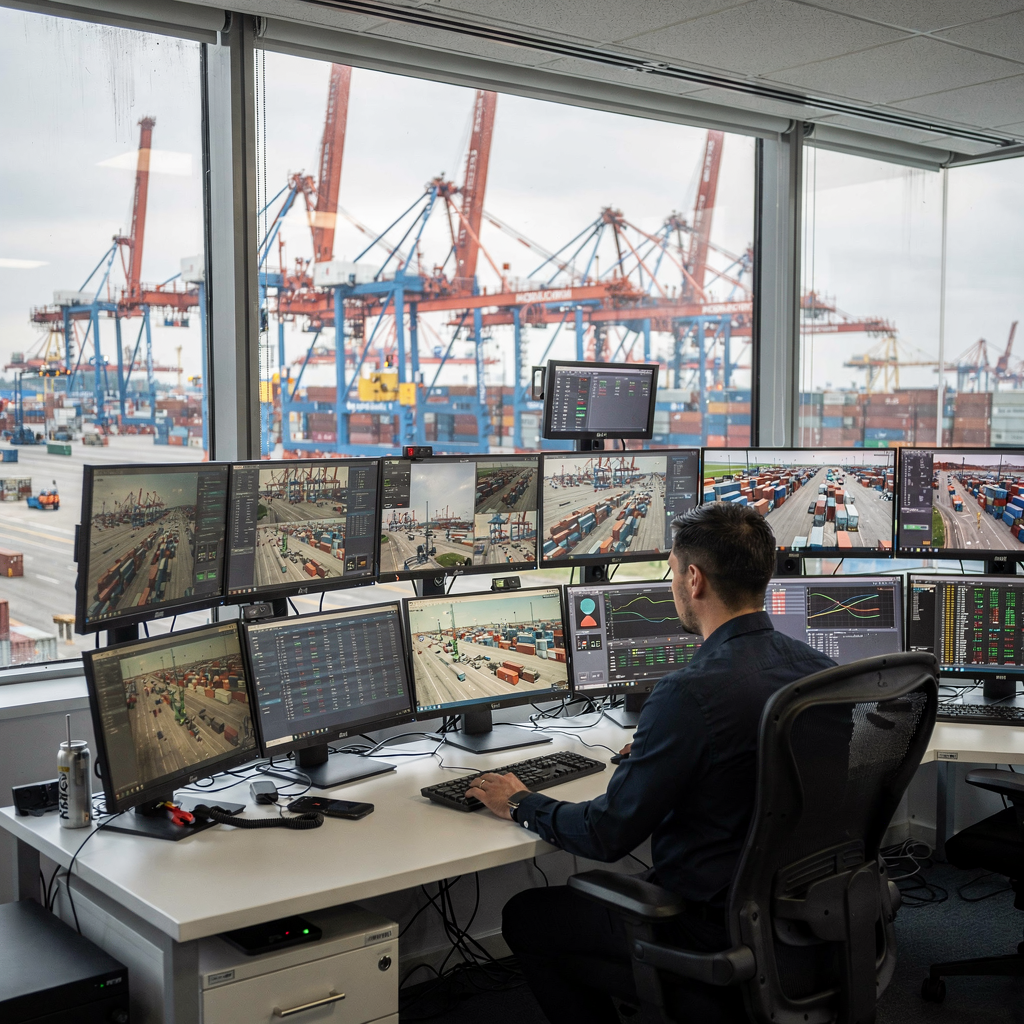
Event-driven API architectures for container terminals
event-driven system fundamentals: need an event, events as first-class citizens and container terminal context Container logistics operate under tight timing and shifting priorities. The parts of the system include cranes, AGVs, yard management, gate operations and vessel planners. In this container terminal environment, coordinating these system components with low friction matters. Traditional request-response architectures often […]
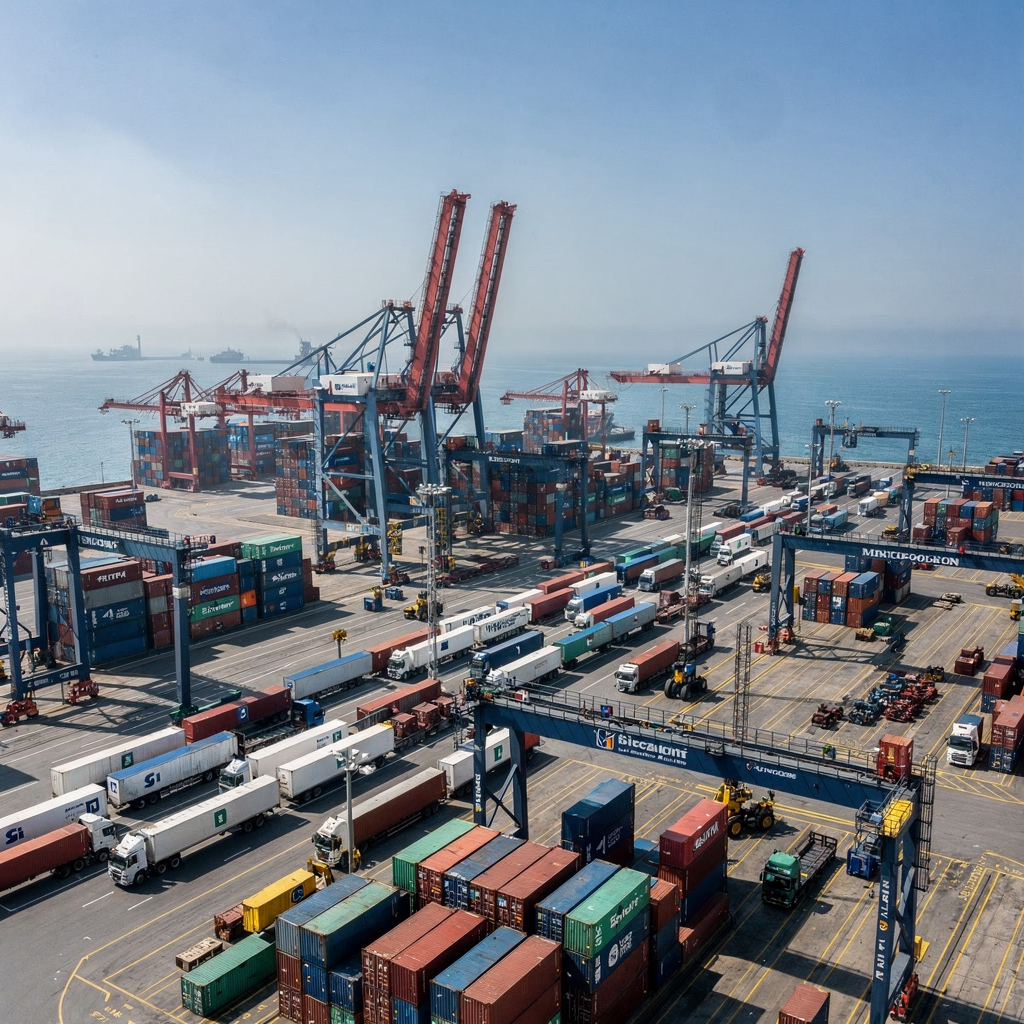
Reducing truck turnaround time at deepsea container ports
container terminal: Understanding Truck Turnaround Time Truck Turnaround Time (TAT) appears in the chapter title and the acronym TAT will describe it from here on. TAT measures the period a vehicle spends from GATE entry to its departure after handling. It starts at arrival and ends at departure time. This interval covers gate processing, yard […]
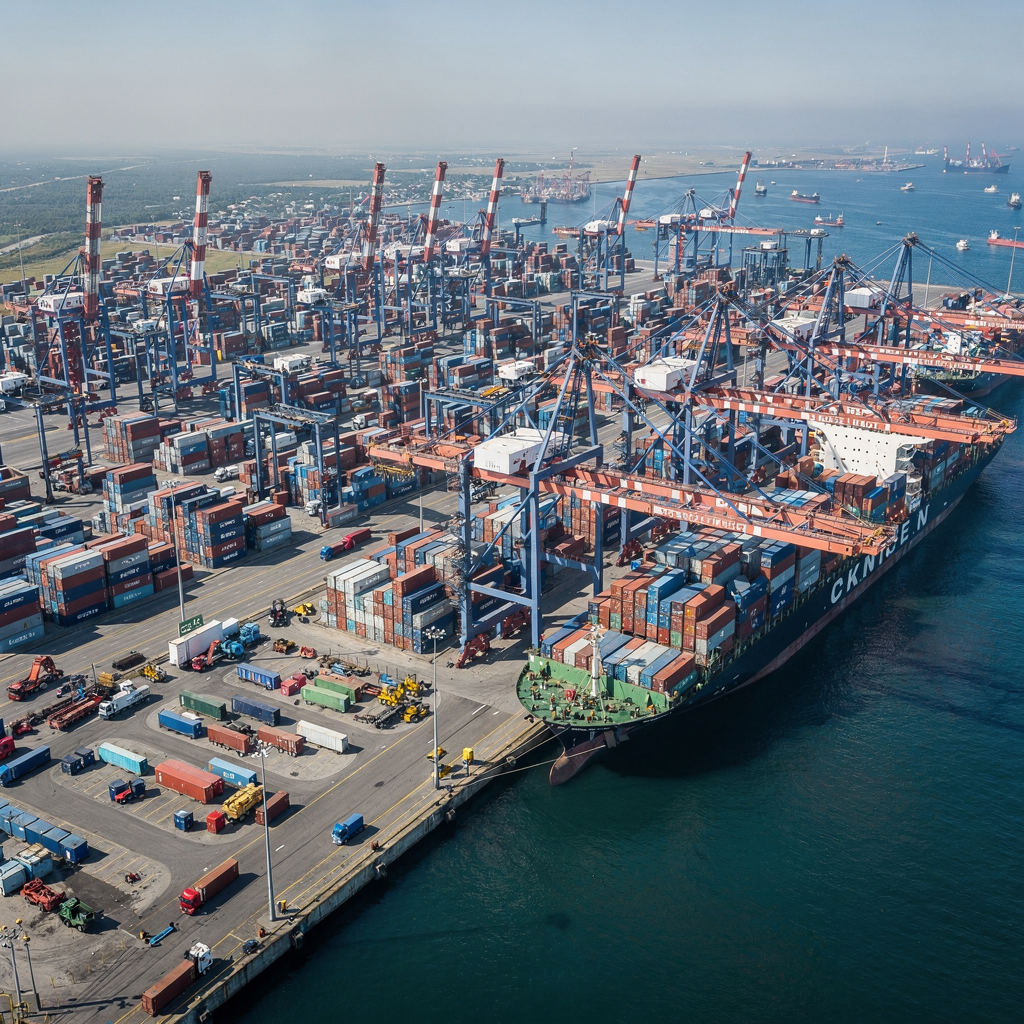
Improving operational efficiency in container ports
The strategic role of port in global supply chains Ports act as trade gateways and economic hubs that connect producers, buyers, and markets. They form the backbone of the global supply chain and shape how goods move between regions. For many economies, port economics drive jobs, exports, and imports. First, gateway ports concentrate container throughput […]
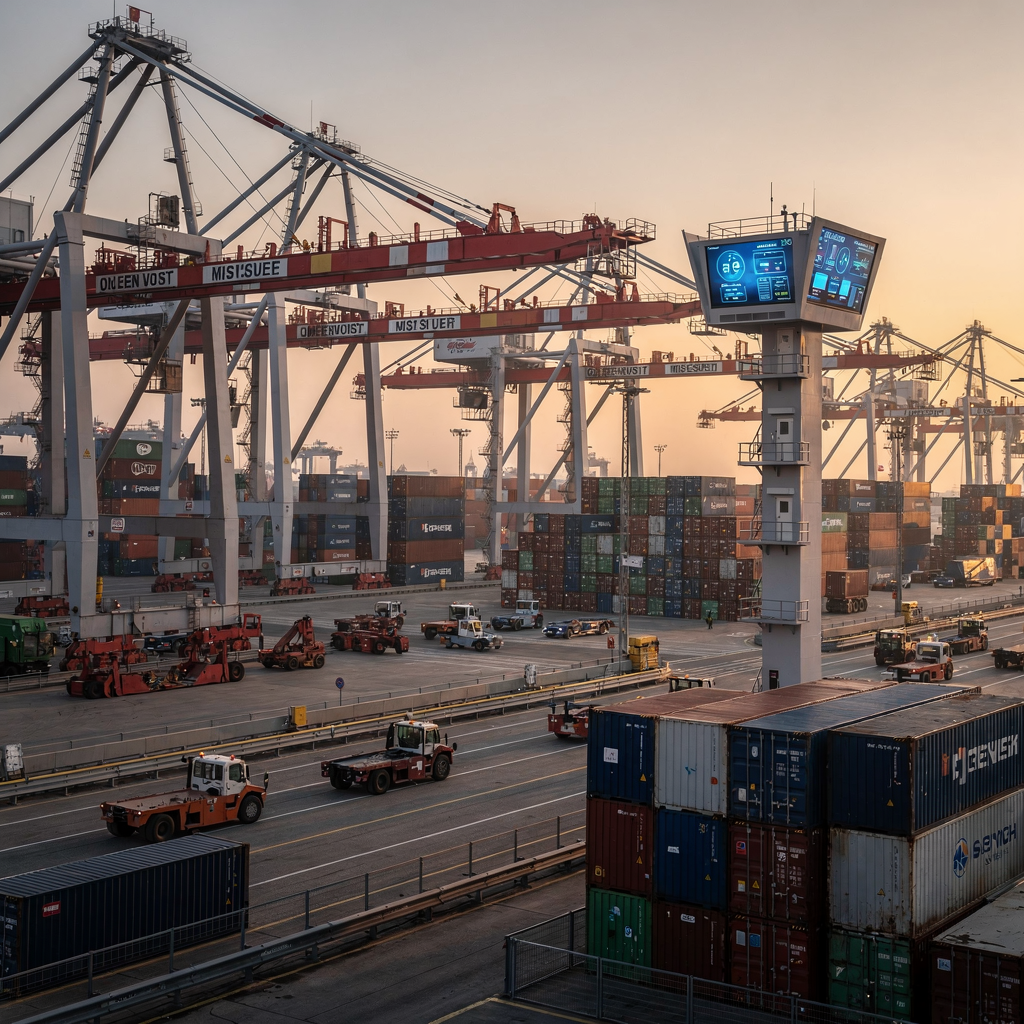
Container terminal automation software: market overview
automated container terminal market size The automated container terminal market size draws attention from port planners, investors, and terminal operators. In 2023 the terminal market size was valued at approximately USD 2.5 billion, and that value frames current industry discussion. Industry observers link that figure to rising automation investments and to shifts in global trade […]
Reducing ship turnaround time using double-cycling
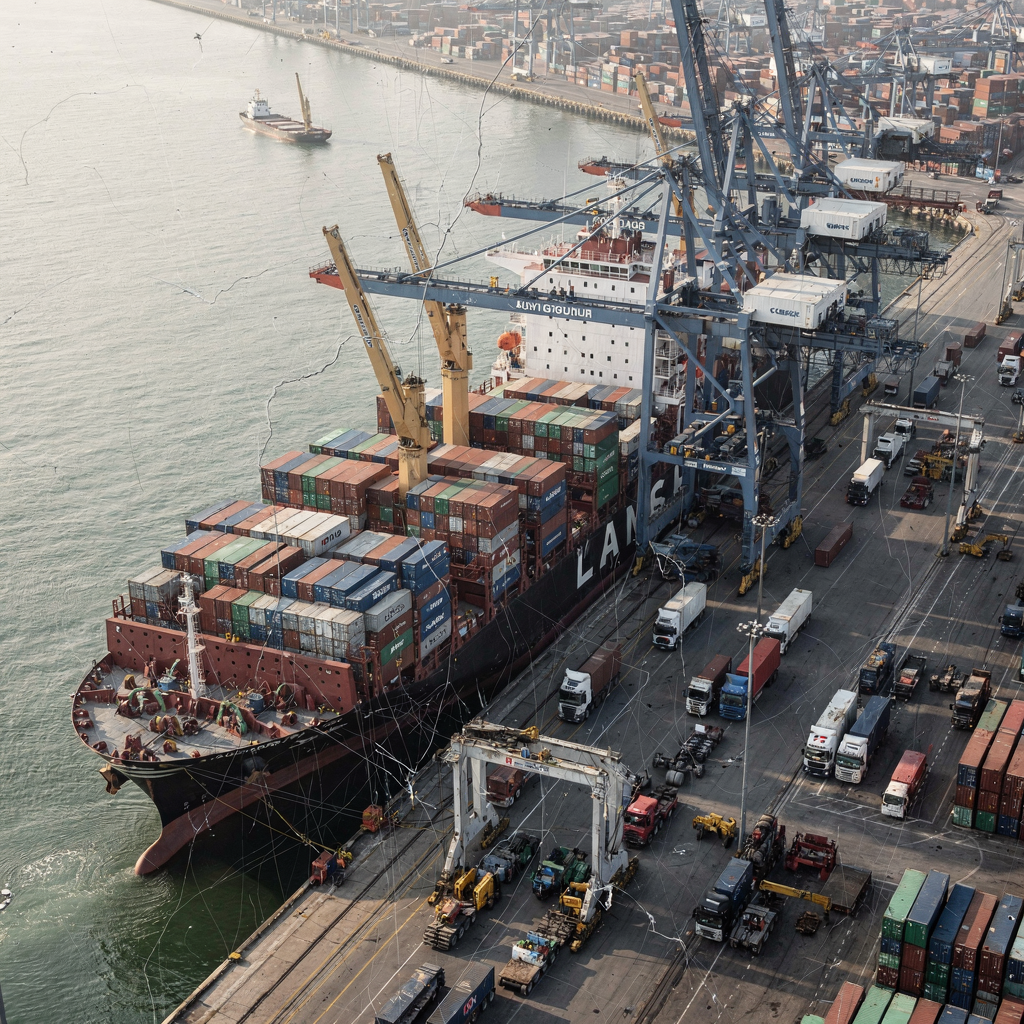
Understanding ship operation and container flow in the terminal Efficient QUAY operations start with clear tasks for each quay crane and team, and then with disciplined container flow between the quay and yard. A typical quay crane performs two core tasks: DISCHARGING arriving boxes to the landside and LOADING export stacks back onto the ship. […]
Handling cargo cut-off in stowage planning port operations
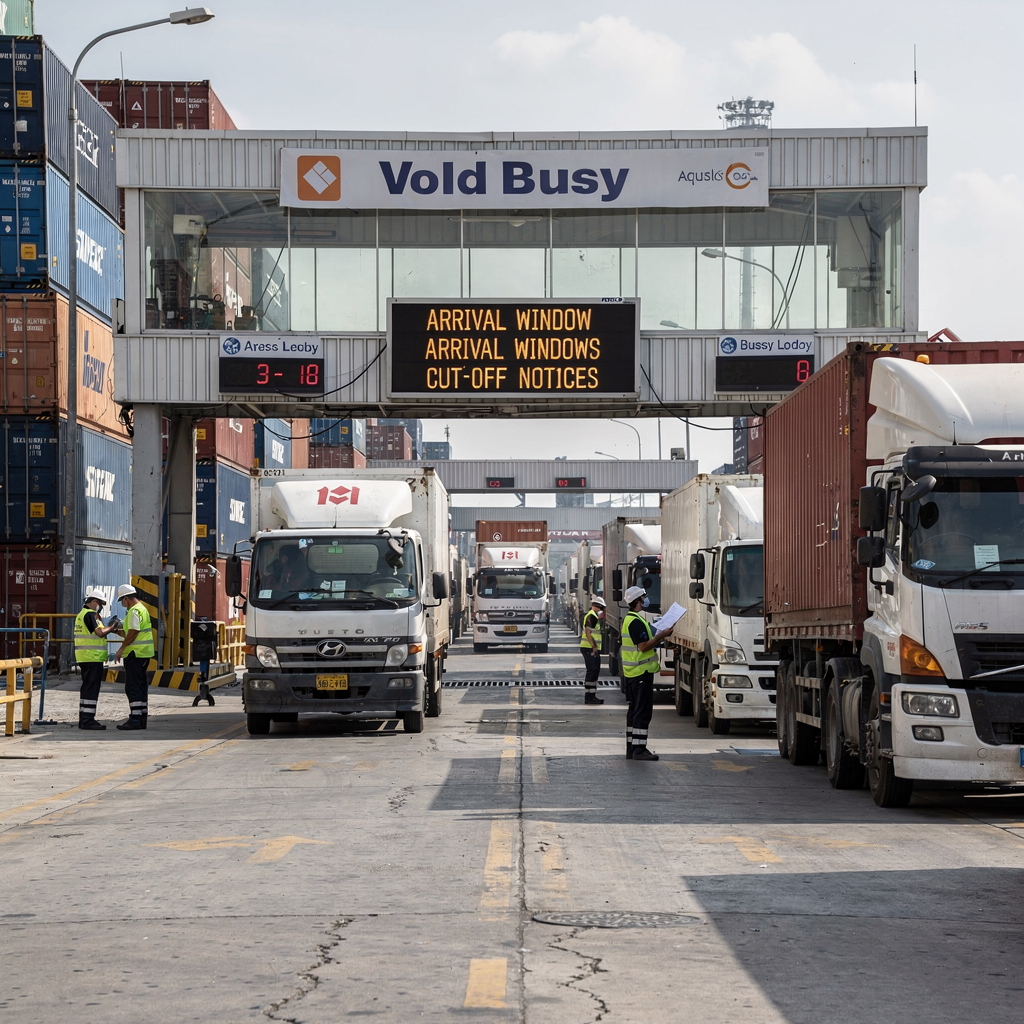
cut-off: Defining Cargo Cut-Off and Its Impact Cut-off is the deadline for handing in cargo at a terminal or carrier. It defines the last moment a shipper or forwarder can deliver documentation and boxes and still make a planned shipment. In practice the cut-off forms a hard boundary for planning teams. If goods arrive after […]
Container terminal stack density optimisation algorithm
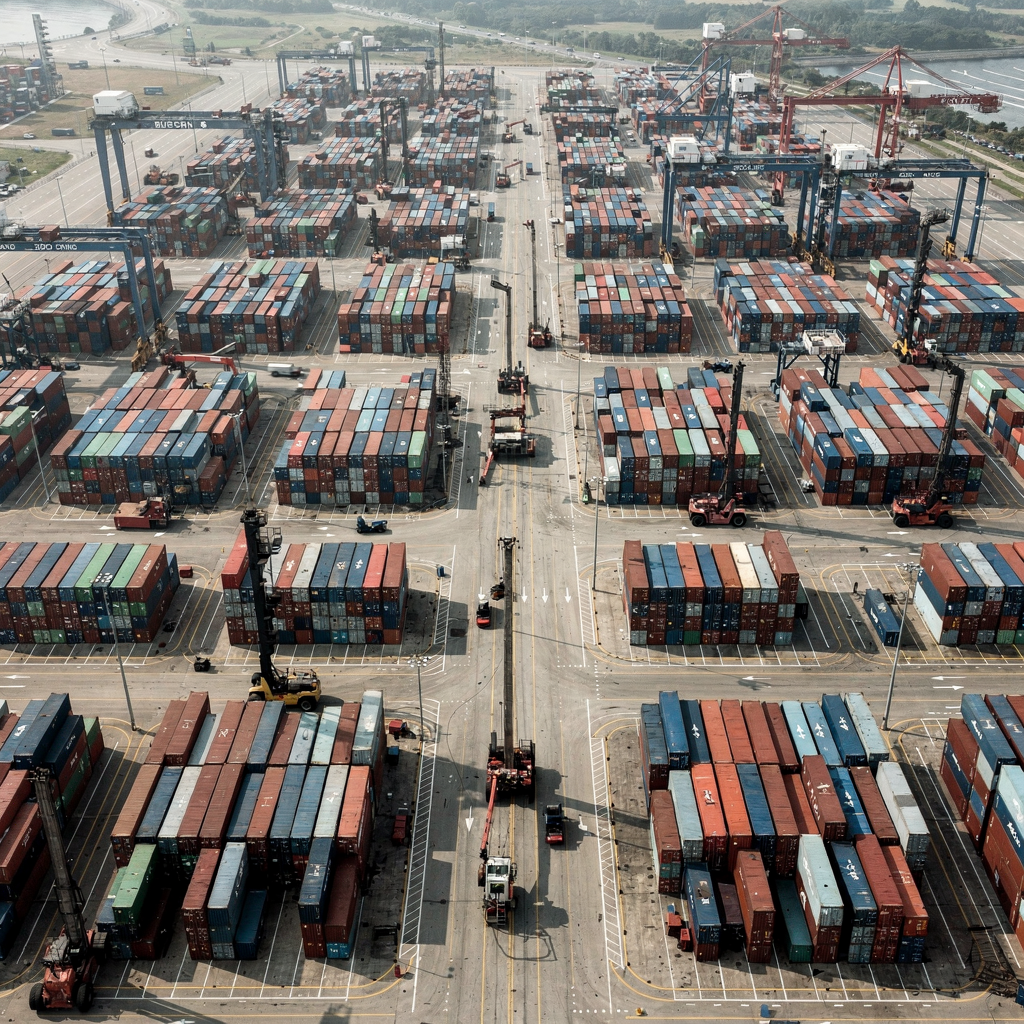
Container Terminal Stack: Balancing Density and Efficiency in Port Operations Yard STACK DENSITY defines how many container units sit per unit area in a TERMINAL. It directly affects throughput and the cost to handle containers. When operators increase density they can store more TEU without expanding the footprint, and therefore reduce the need for new […]
AI-powered port optimization for deepsea container terminals
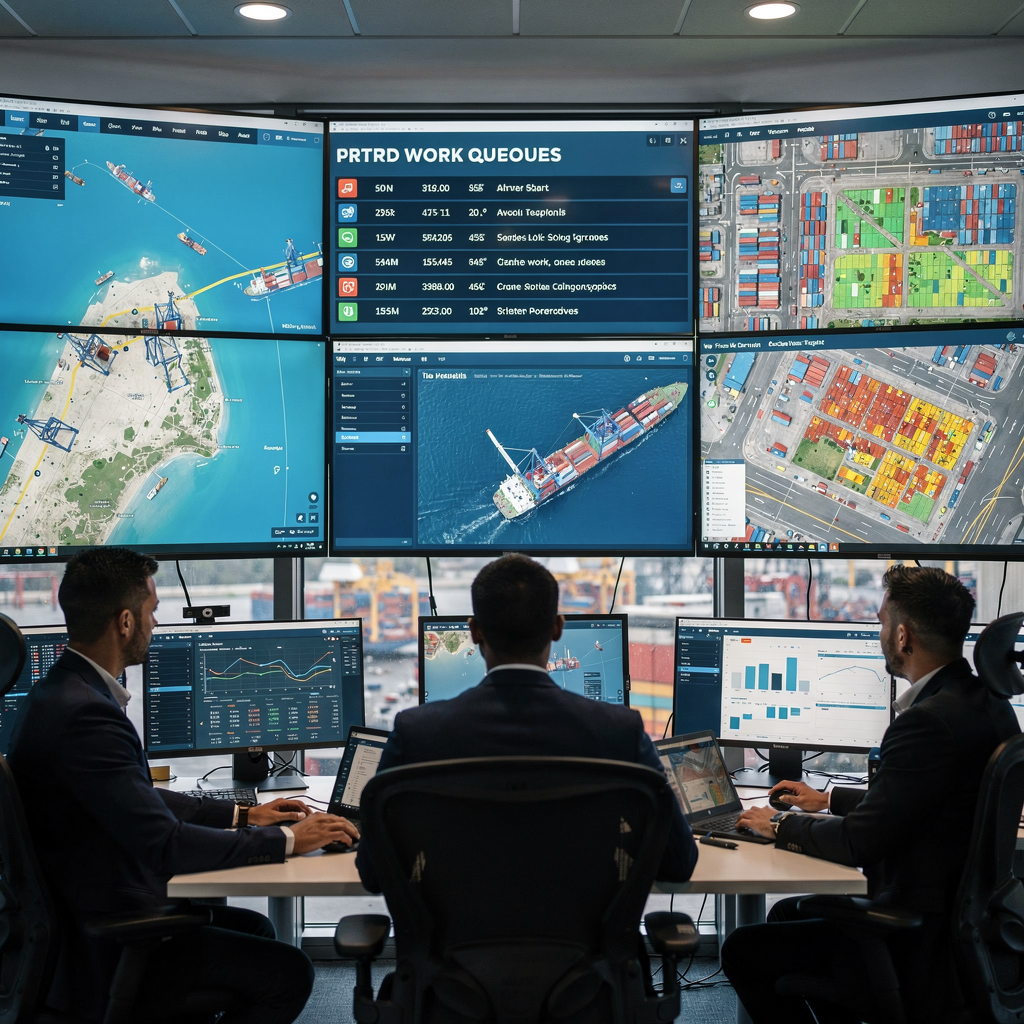
Introduction: Role of AI in Modern Container Terminals AI stands for Artificial Intelligence, and it refers to software that learns, reasons, and acts on data. In modern container terminals, AI helps operators predict congestion, route containers, and schedule equipment. The role of AI in modern container terminals often centers on faster, safer, and more consistent […]
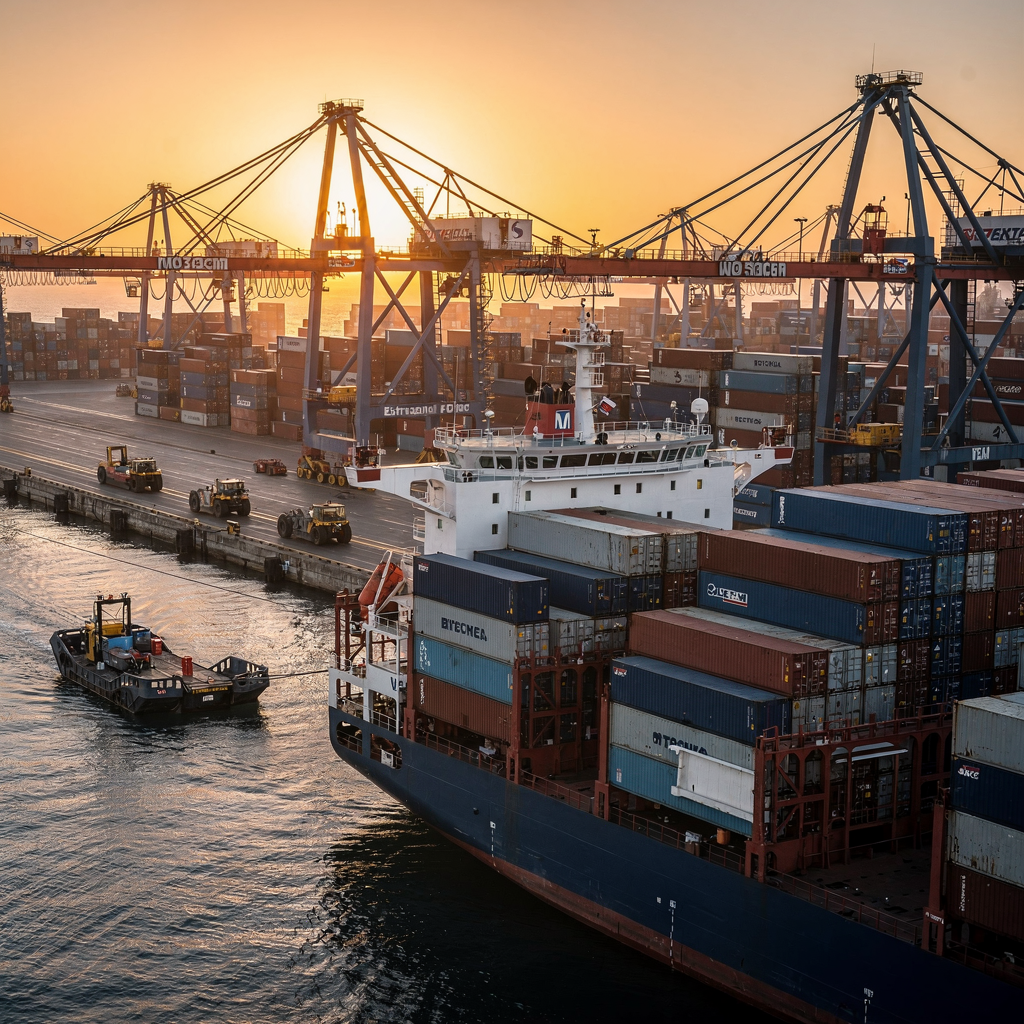
AI in Container Terminals Improves Port Crane Rates
Introduction to port ecosystem and container terminal operations The port ecosystem supports global trade and local economies, and it relies on fast, reliable processes. In a busy port, cranes load and unload ships, trucks move containers, and yard crews stage loads. The gross crane rate (GCR) measures container moves per crane per hour and it […]
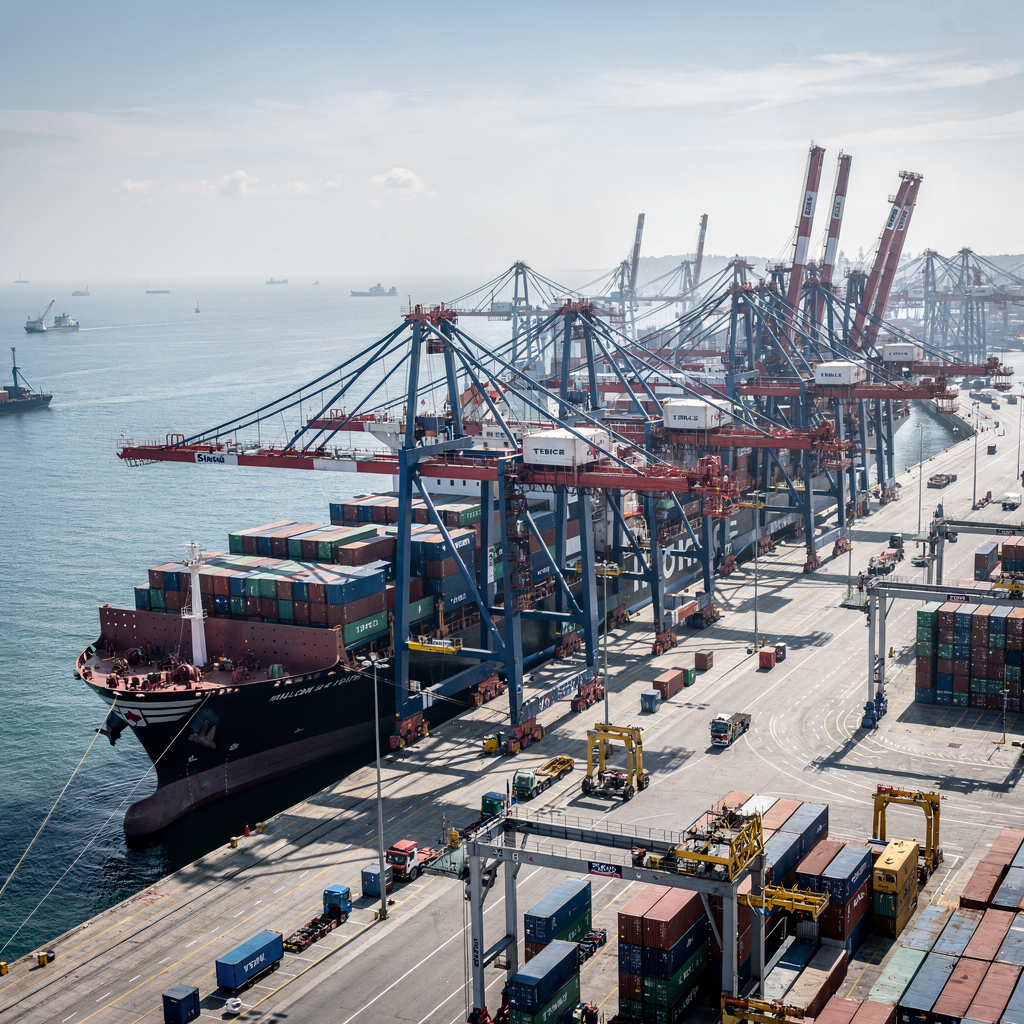
Quay crane algorithm for container terminal productivity
Container terminal challenges in quay crane scheduling The quay crane scheduling problem sits at the heart of berth management. In a busy port, terminal planners must coordinate loading and unloading for multiple container ships while avoiding interference among cranes and yard services. The term QCSP sometimes appears in research focused on sequencing and resource allocation. […]
