
Category: Uncategorized
Terminal AI optimisation for inland container operations
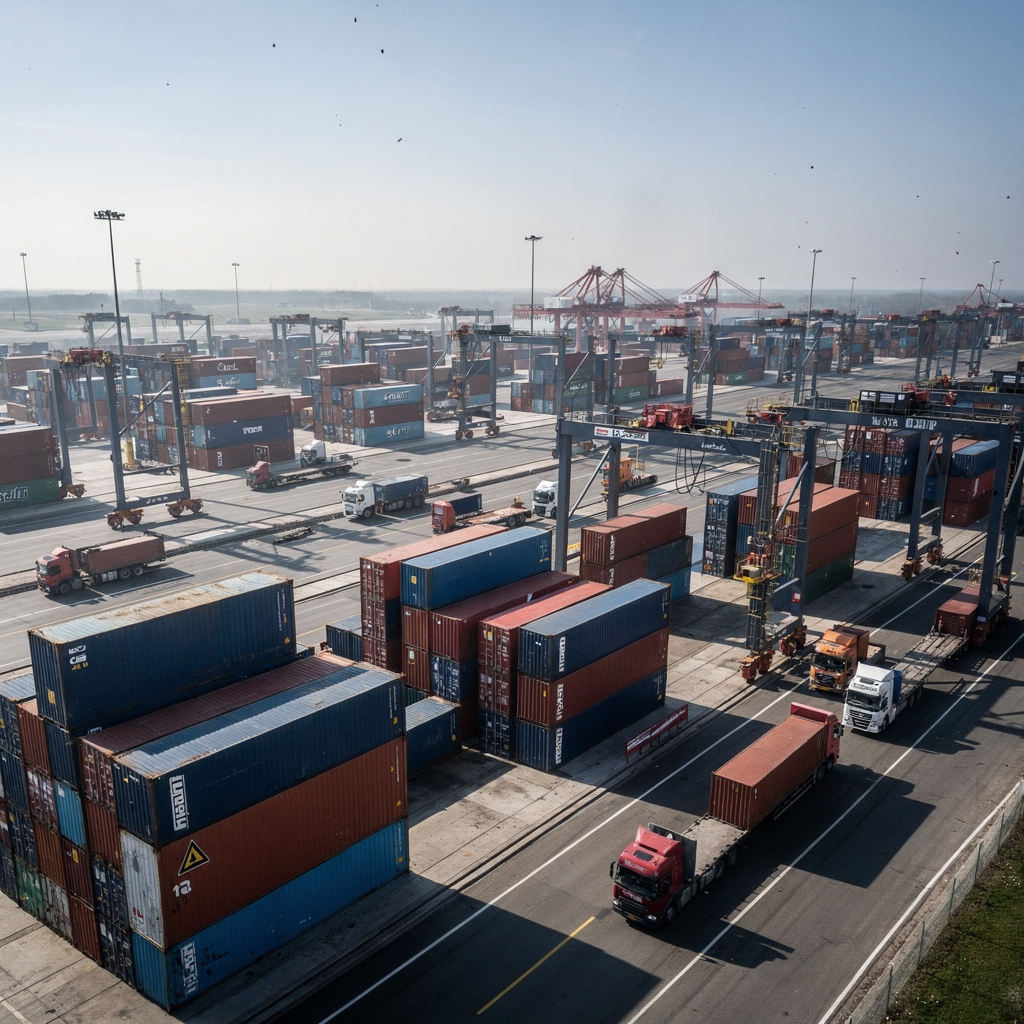
ai in container terminal: overview and significance First, AI reshapes how a container terminal runs, and it does so across yard, gate, and planning layers. Also, AI connects historical and real-time data to guide fast choices, and therefore it reduces guesswork. The role of AI in inland container terminal operations has grown because terminals face […]
Stowage plan for quay crane scheduling problem
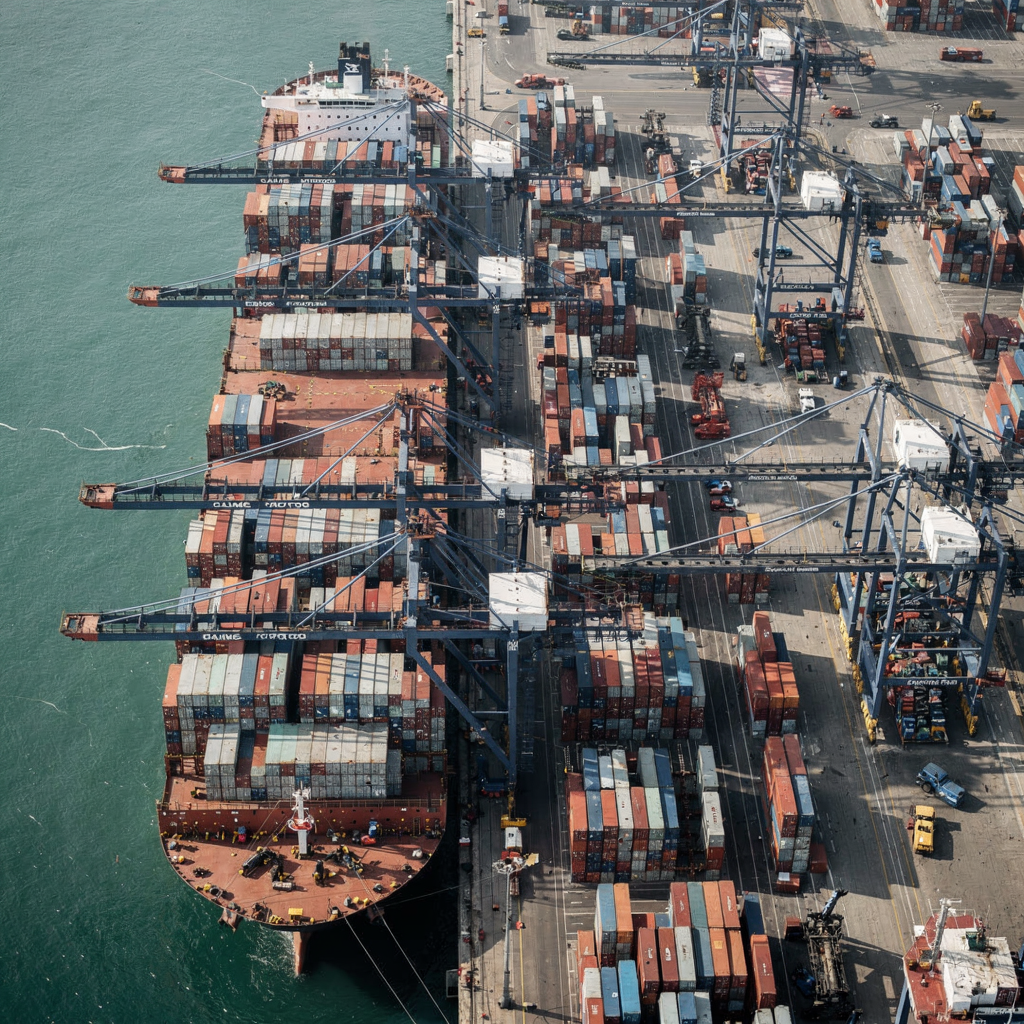
Stowage Plan: Role and Impact First, define the term. A stowage plan describes the arrangement of cargo on a vessel and the sequence to load and unload. In a deep-sea context the stowage plan aims to match vessel constraints, sailing schedules, and terminal operations. For a large container ship this plan guides where each TEU […]
AI modules for automated container port planning
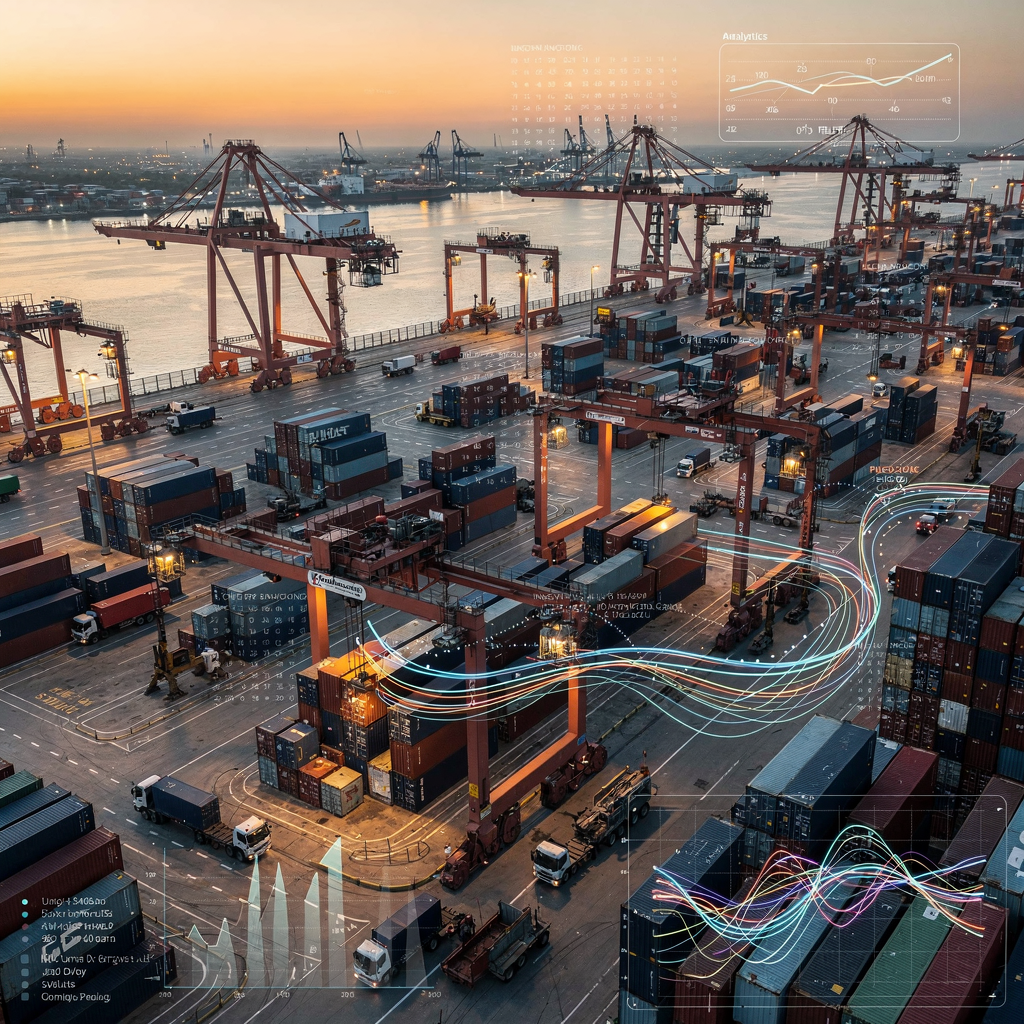
Terminal operations in container terminal planning with AI AI now plays a central role in modern terminal operations. It analyzes operational signals and guides decisions across yard management, crane scheduling and gate handling. In practice, an AI module ingests sensor feeds, ERP records and historical movements. Then it recommends stacking rules, pick sequences and resource […]
Terminal optimisation for container terminal operations
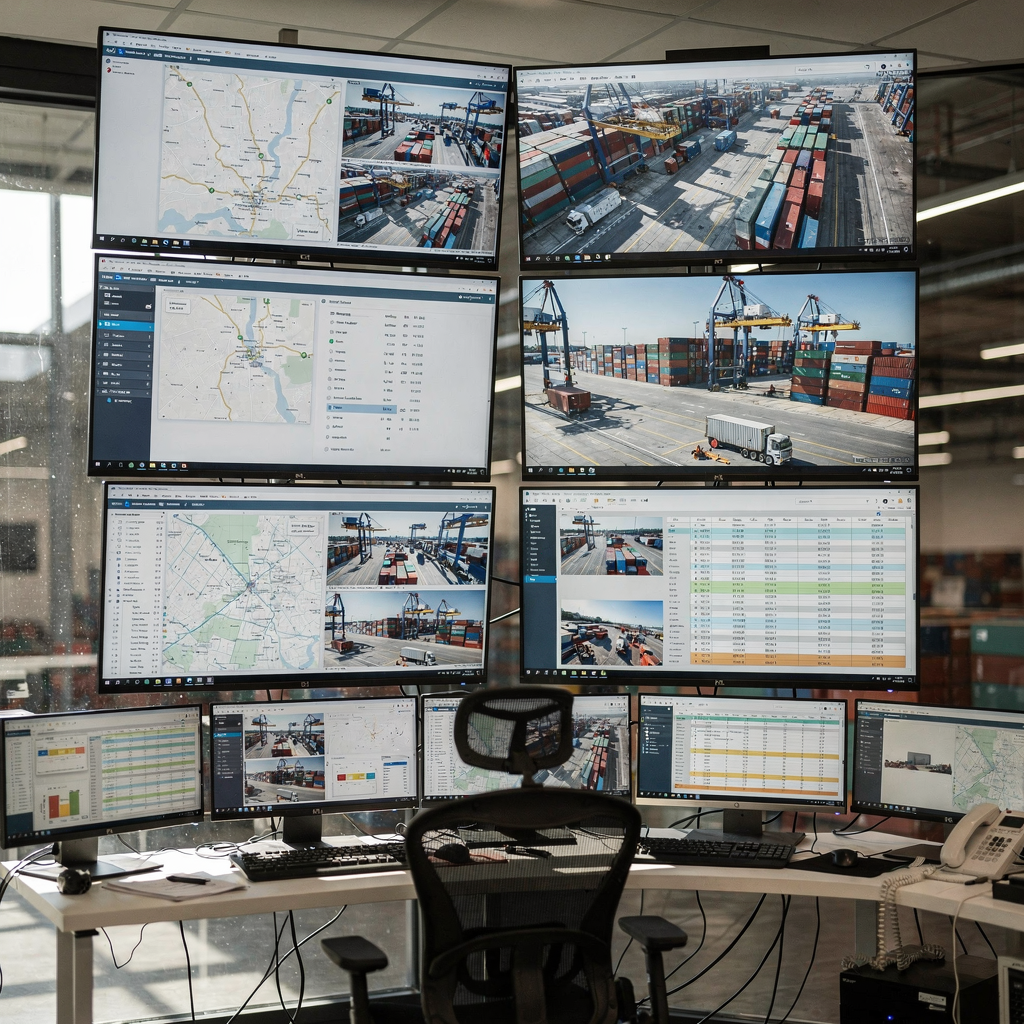
Terminal Yard Management Optimization for Container Terminal Efficiency First, define what a container terminal does. A terminal is the hub where vessel operations meet inland transport and gate processes. Next, yard management sits at the heart of that interface. It controls container placement, retrieval, and temporary storage. Also, yard management defines how container movements are […]
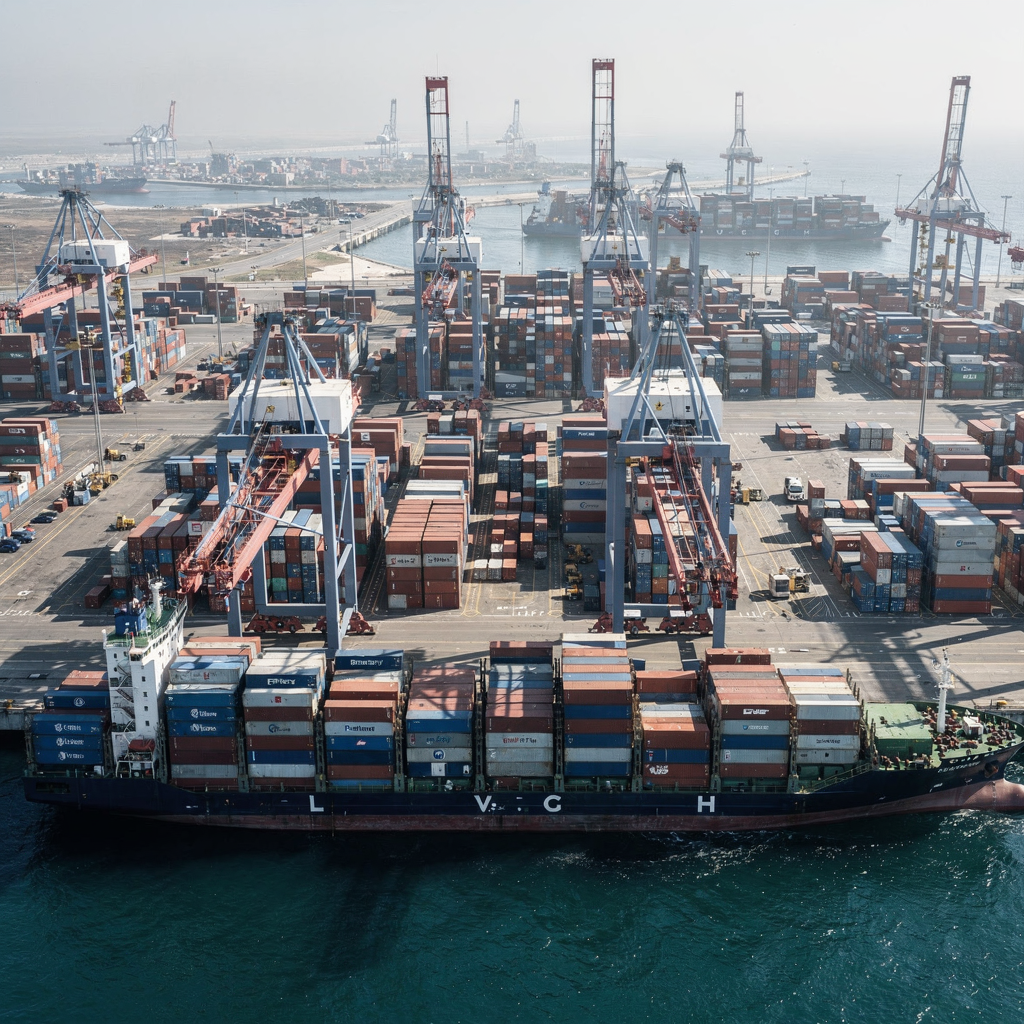
Port stowage plan for late container arrivals
problem description and stowage planning problem Shortsea container terminals operate under tight schedules and limited storage. First, they must process frequent calls and fast turnarounds. Second, they must handle varying truck arrivals and feeder services. The problem description for dynamic operations centres on late-arriving containers that break a pre-planned stowage plan. For shortsea routes, a […]
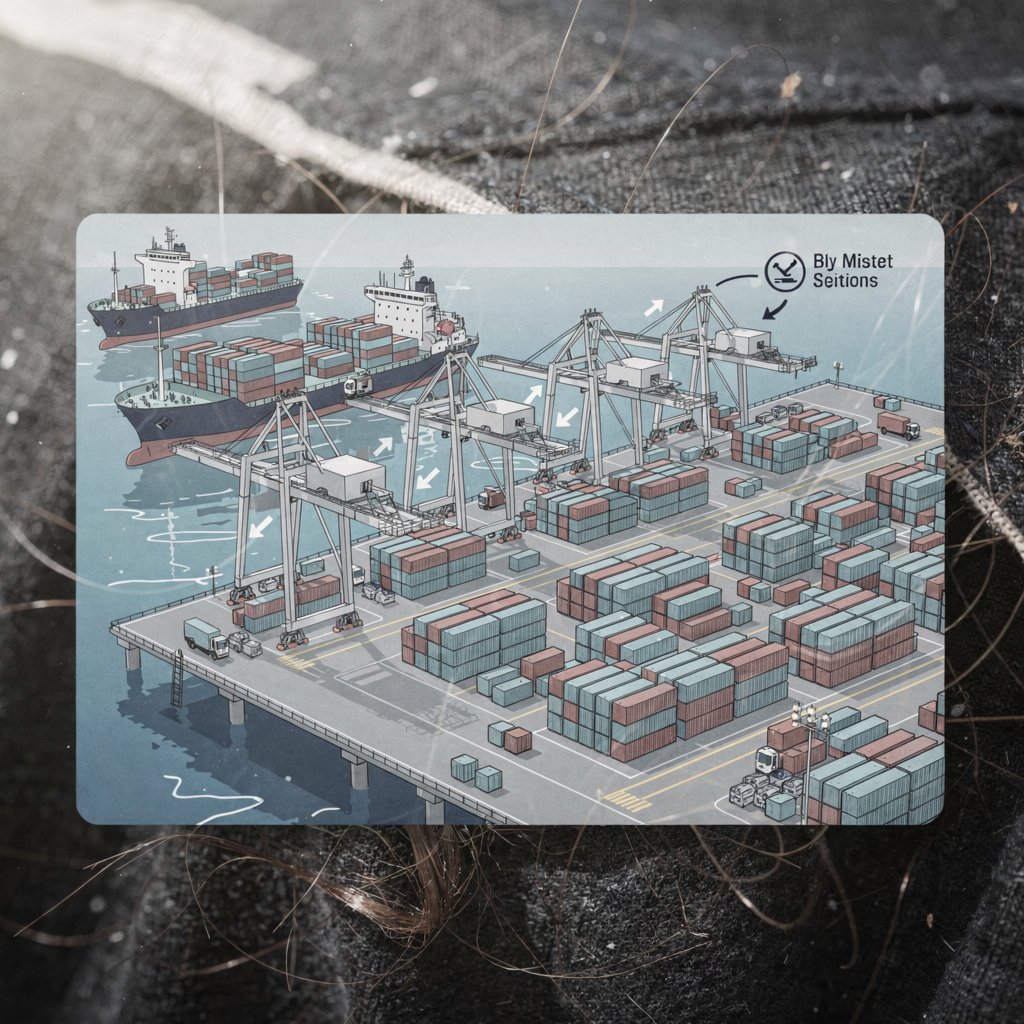
Port optimisation using deep reinforcement learning
Port optimisation using deep reinforcement learning Port optimisation is no longer a theoretical exercise. Also, it demands robust AI, strong data pipelines, and tailored learning models. Therefore, teams must combine predictive systems with control policies. Furthermore, this article explains how a model-driven state representation supports a deep reinforcement learning agent in a real-time container terminal […]
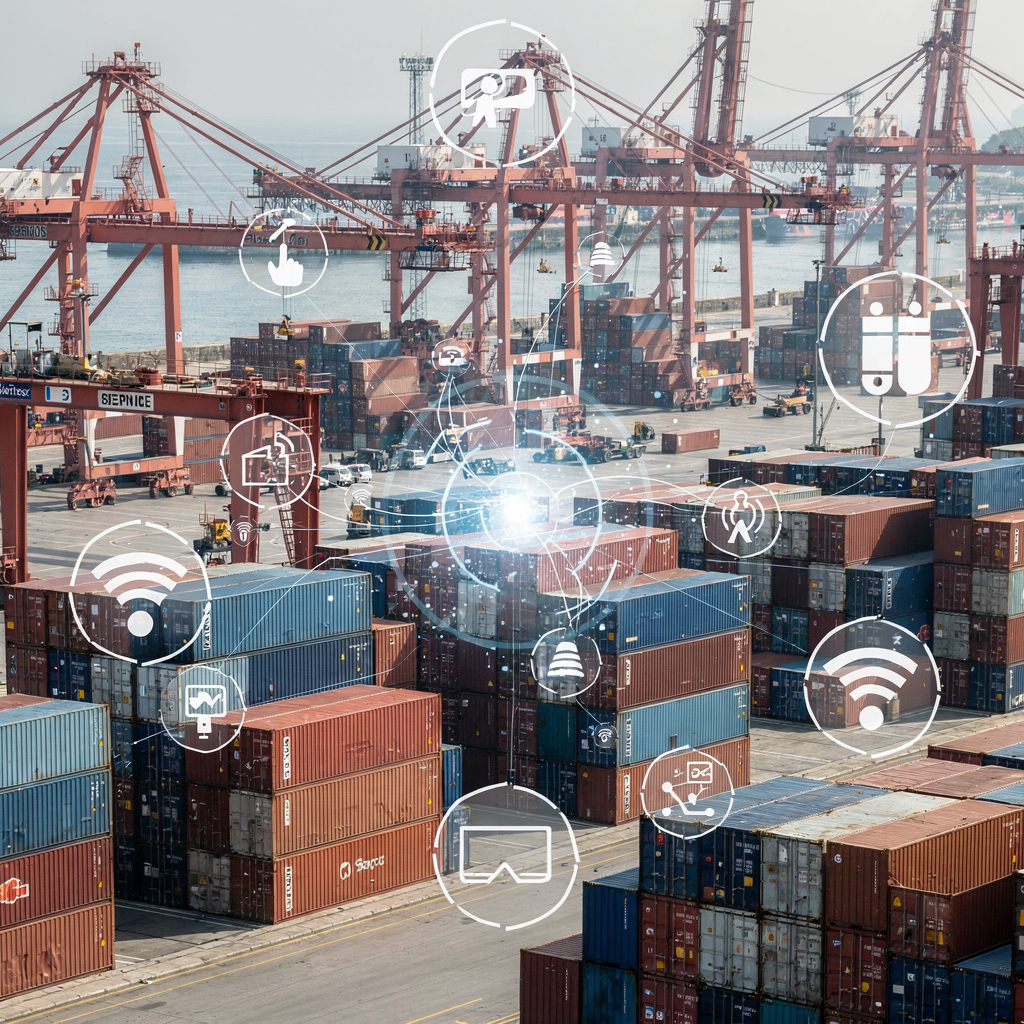
Terminal operations resilience against disruptions
Understanding supply chains and disruption Terminals act as critical nodes in modern supply chains. They move cargo, consolidate freight, and connect trade lanes. Consequently, a single terminal interruption can ripple through entire supply chains and affect customer satisfaction. For clarity, I will call the handling, storage, and transfer activities at docks and yards a terminal […]
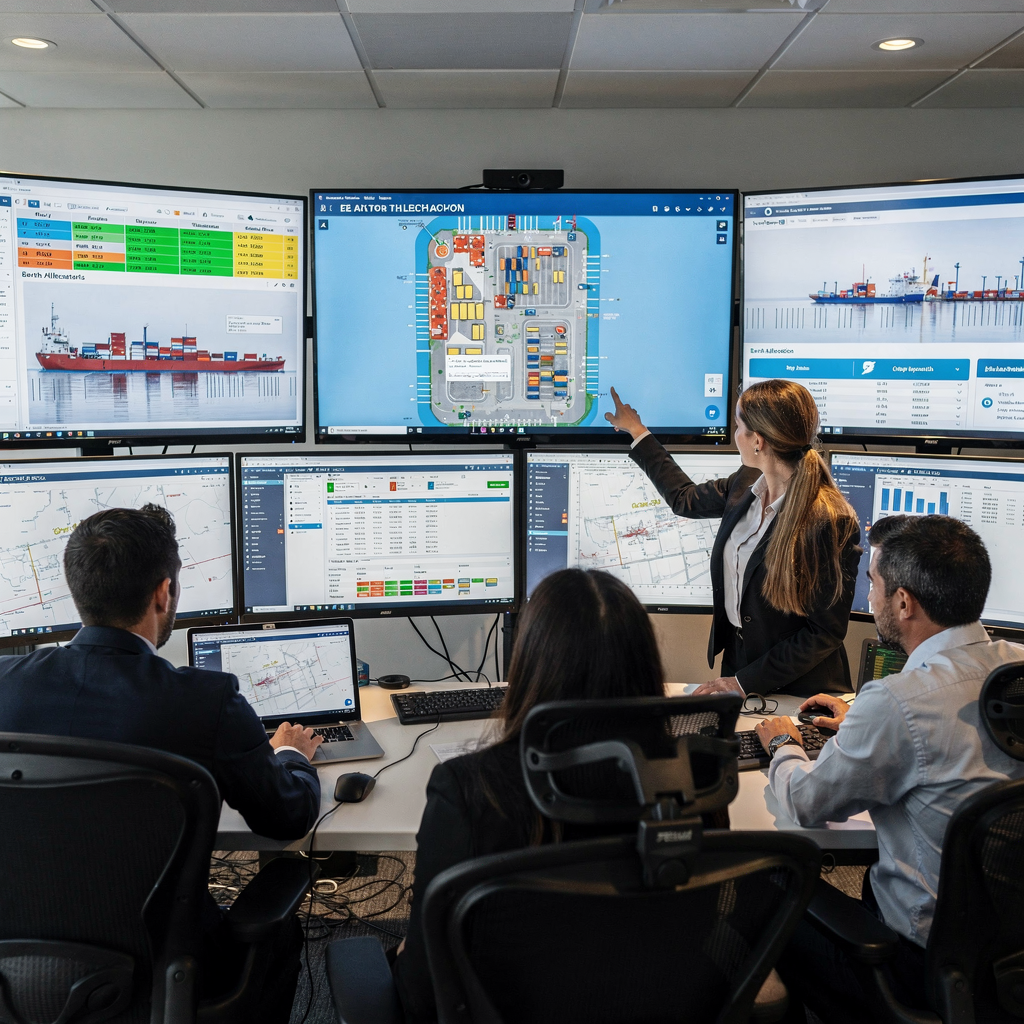
Optimise port terminals to reduce vessel turnaround time
Maritime Operations, Port Congestion and Delay: the need for Turnaround Time improvements Vessel turnaround time measures the total time a vessel spends in a port from arrival to departure. First, this metric drives schedule reliability for shipping companies and affects the broader supply chain. Next, high turnaround time creates port congestion and causes longer waiting […]
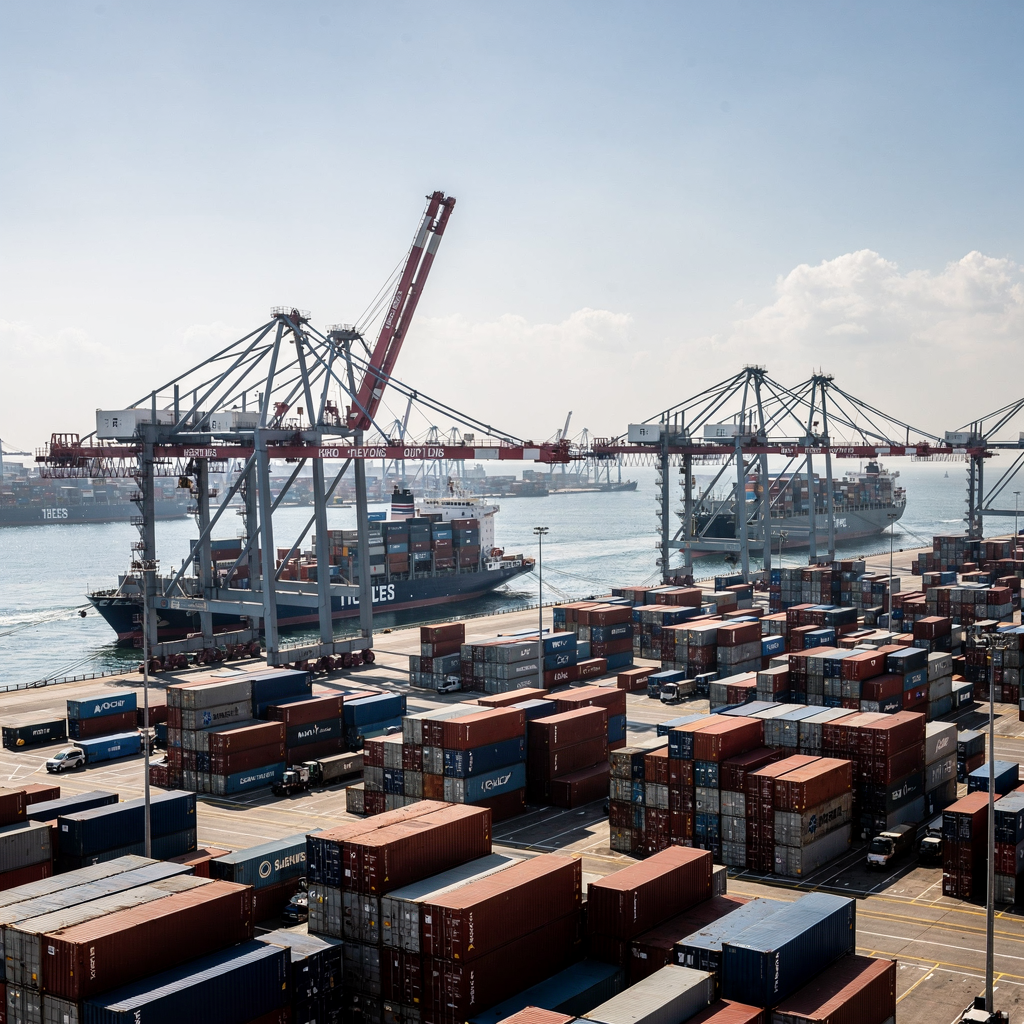
Berth allocation problem in terminal operations
Solution Approach: Defining the Berth Allocation Problem in Terminal Operations The berth allocation problem describes how ports assign arriving vessels to named quay positions. First, it defines which vessel occupies which quay space. Next, it sets the start and end of service time. The problem is NP-complete and so finding optimal schedules at scale proves […]
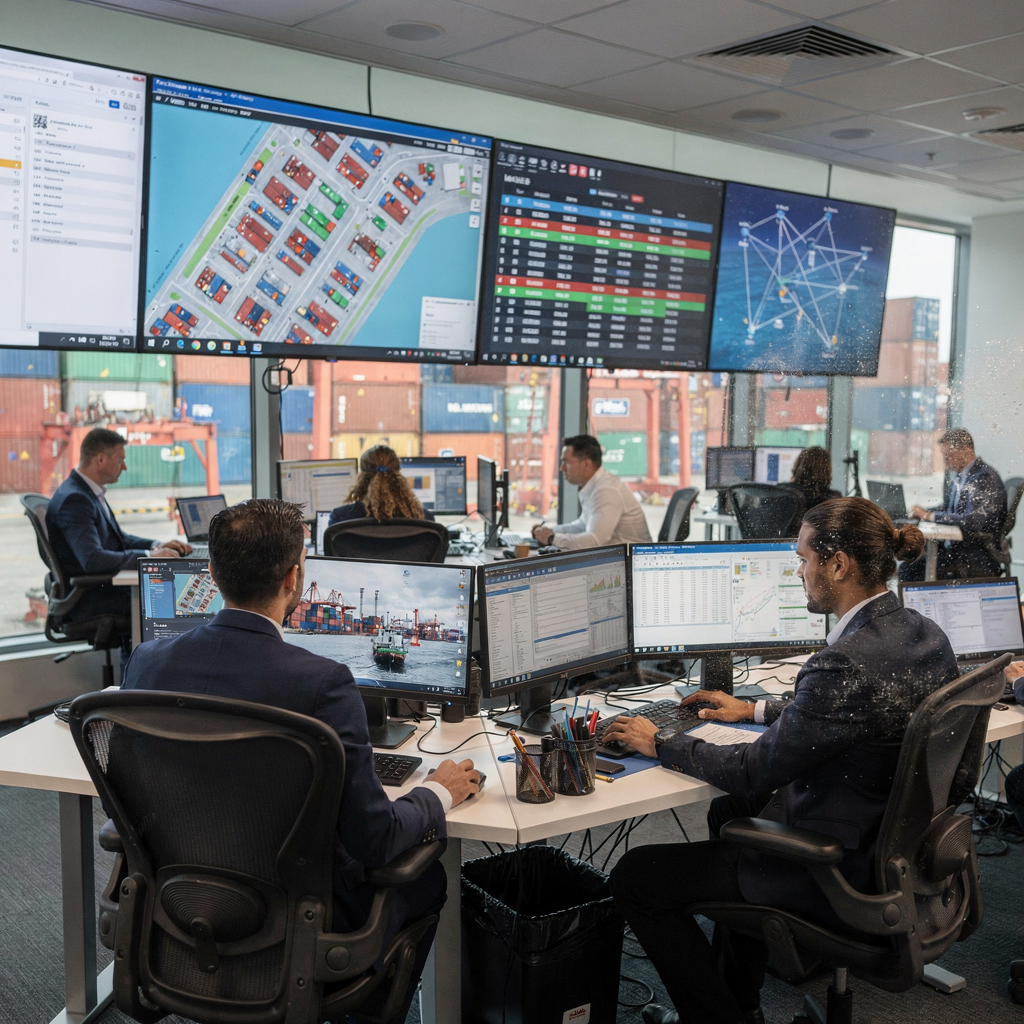
Cloud-based versus on-premise TOS for port operations
cloud-based vs on-premise: TOS deployment model overview A Terminal Operating System (TOS) manages vessel planning, yard management and gate control in container terminals. It ties together planning, equipment control and operational reporting. Ports use a TOS to sequence vessel calls, allocate yard blocks and control trucks at gates. The choice of deployment model changes how […]
