
Category: Uncategorized
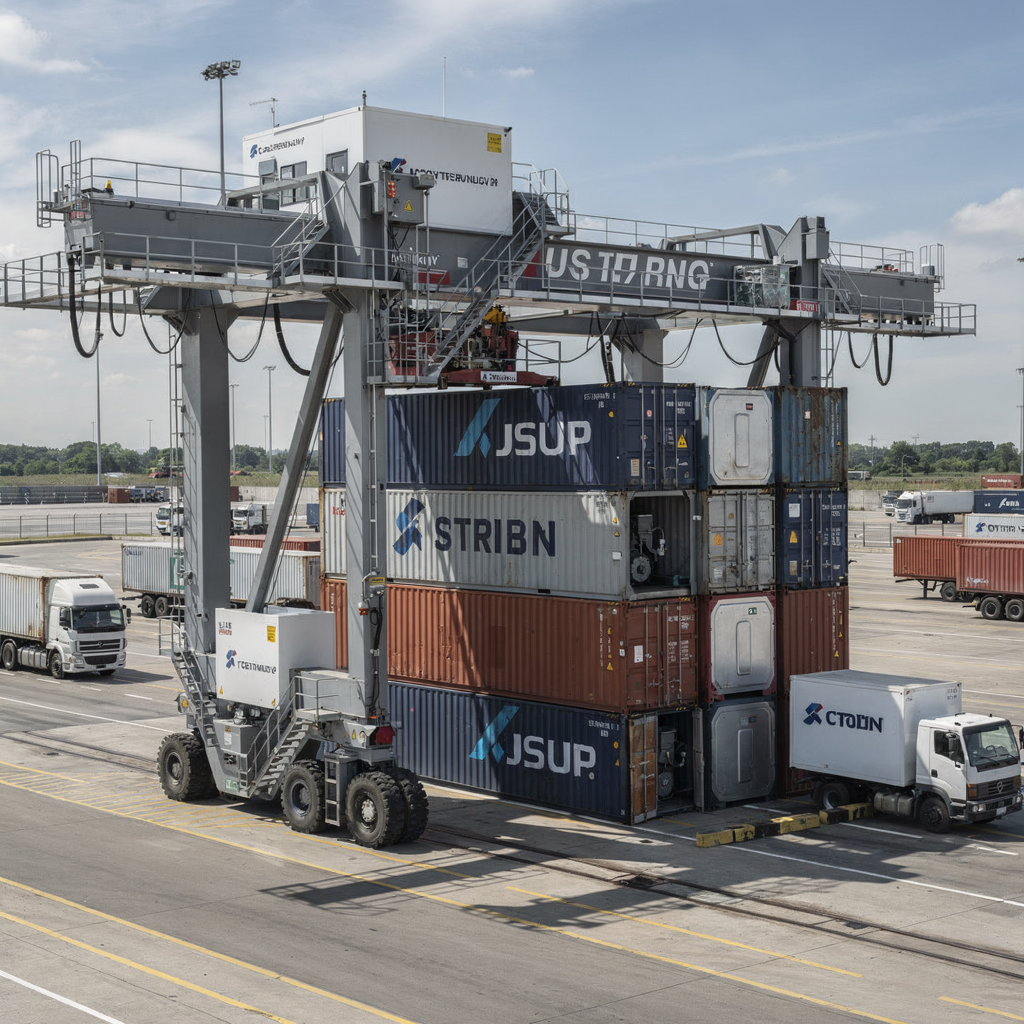
Electric RTG gantry crane job scheduling in inland terminals
crane Electrification: Benefits and Context Electrifying yard equipment is changing how a container terminal plans work, and electric RTG cranes lead that shift. Electric and hybrid rubber-tyred gantry crane models offer measurable gains. For example, hybrid RTGs can cut energy consumption by up to 30% and can deliver 15–20% faster container handling compared with older […]
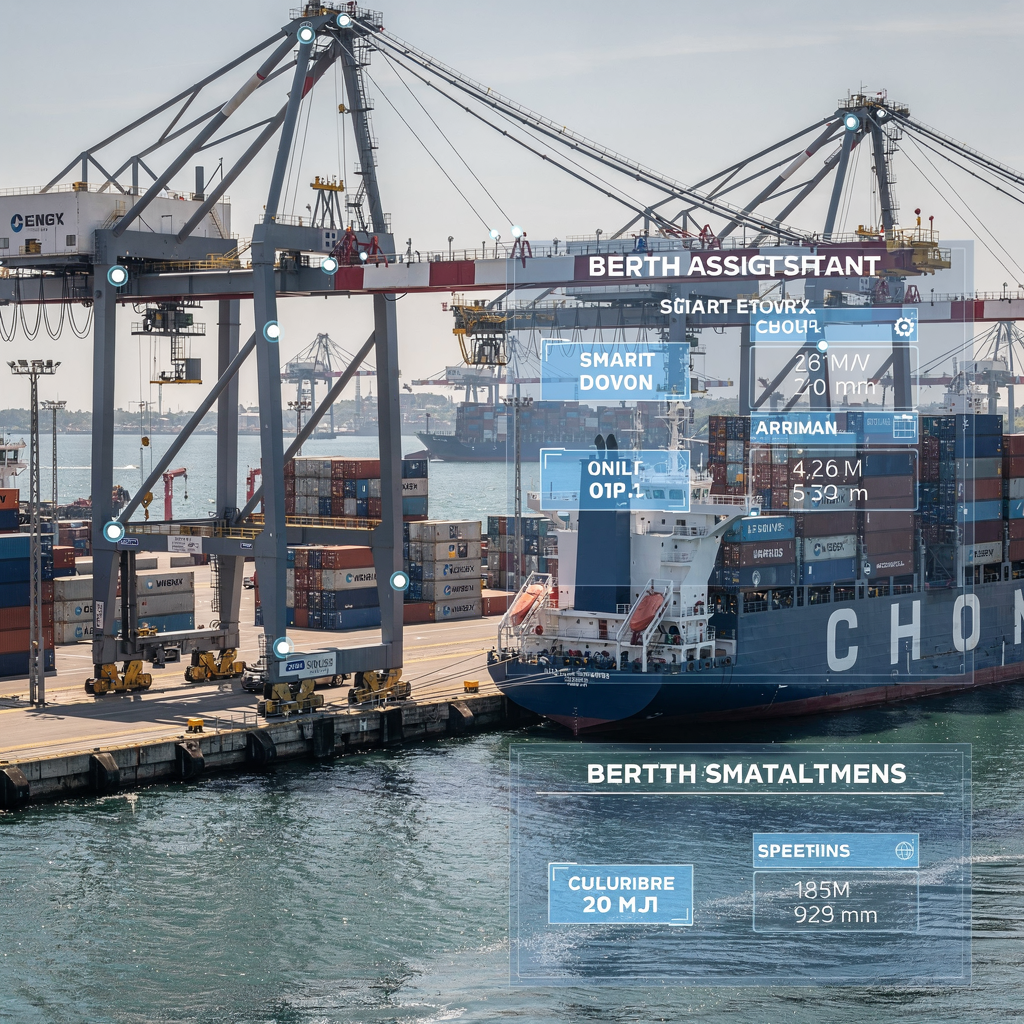
Holistic deepsea container port optimization explained
Introduction: Challenges of Deepsea Container Ports and the Need for Holistic Optimisation Deepsea container ports face rising volumes, larger ships, and complex chains. Ultra-large vessels (ULCVs) now call at a shrinking set of hubs. The global trend in TEU growth pressures terminal layouts, crane fleets, and hinterland links. For example, the Port of Shanghai handled […]
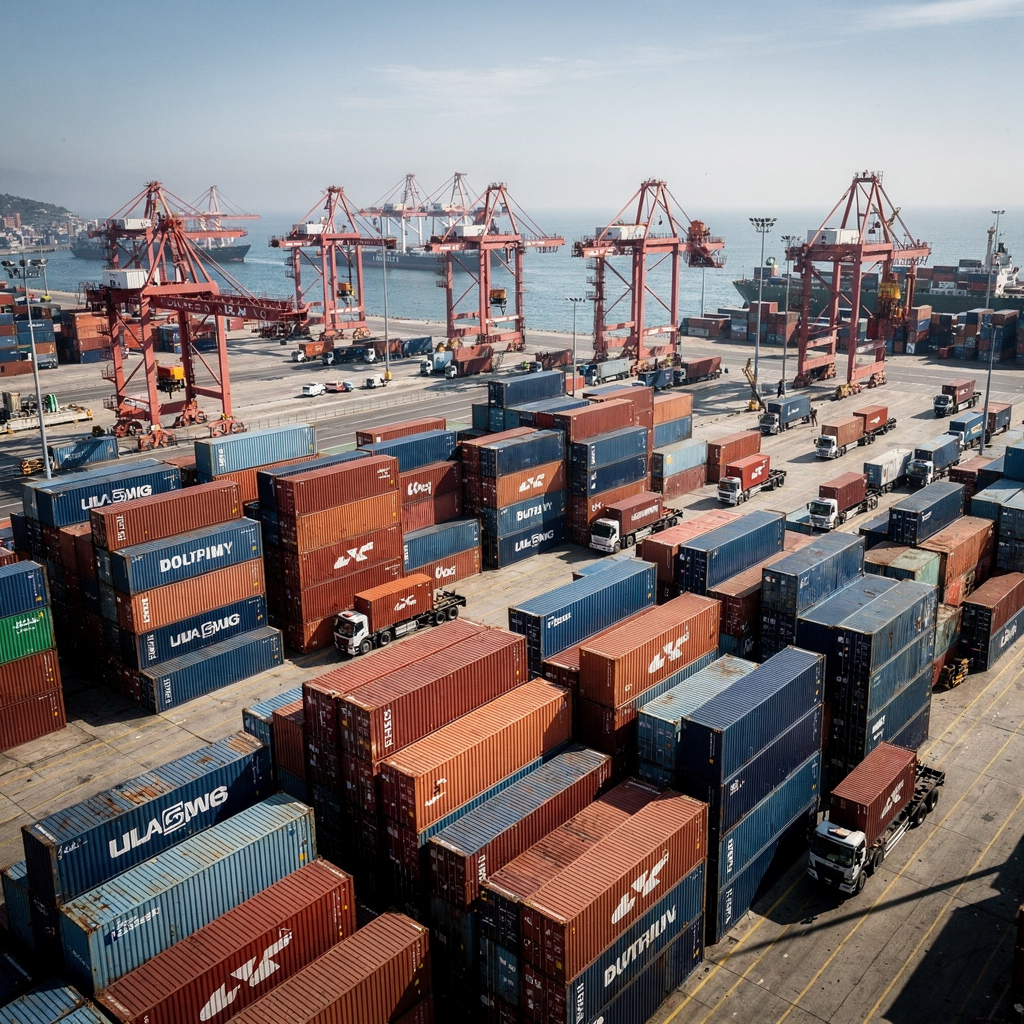
Terminal Operations Yard Optimization Software Solutions
Terminal Operations in Terminals and Ports: Challenges and Goals Modern terminal environments face constant pressure. Port lands are limited, and equipment often becomes a bottleneck. Demand can swing day to day, and this variability strains labor, machines, and processes. Terminal operations must handle peak surges while keeping berth productivity high. For example, berth productivity directly […]
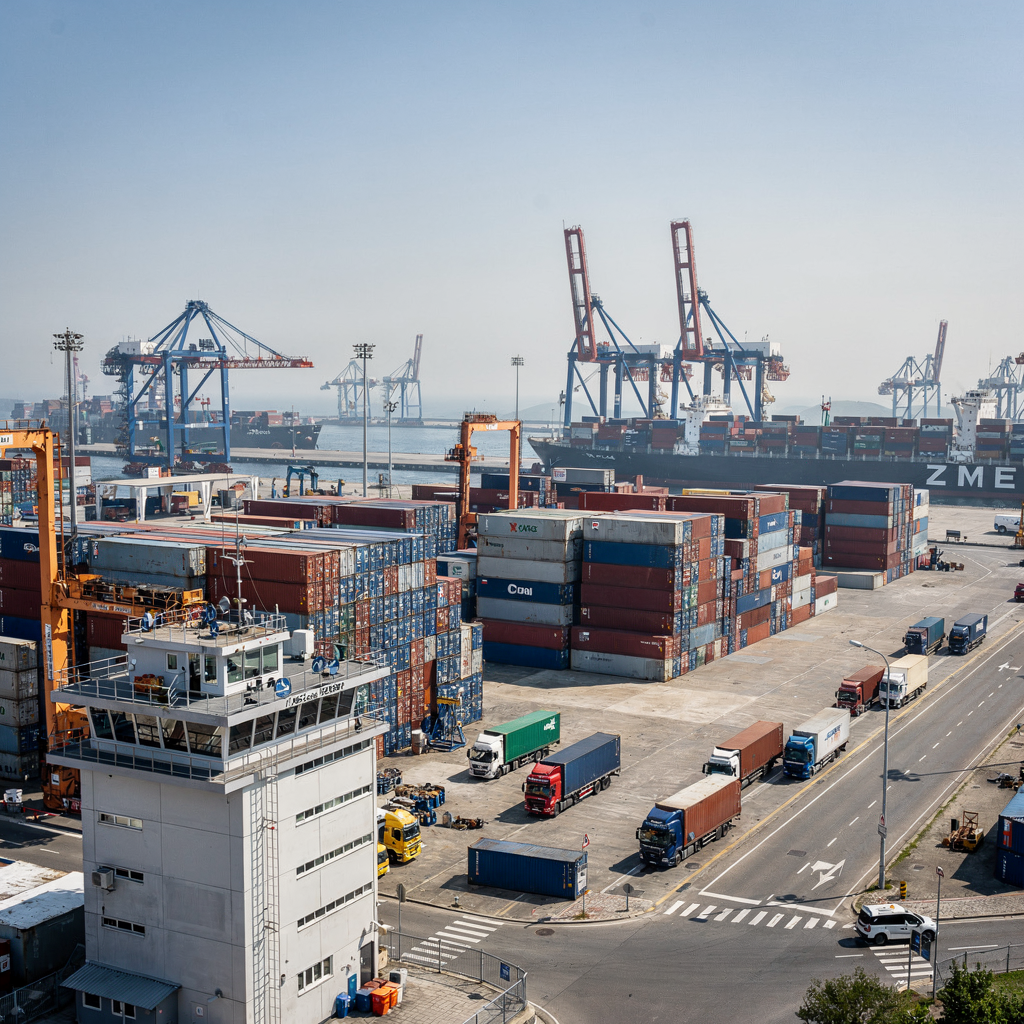
AI to optimise task allocation in container port terminals
ai in container terminals: ai integration and application of ai in container to boost operational efficiency AI integration in container terminals describes how artificial intelligence layers over existing systems to assign work, predict demand, and reduce friction. Compared with manual scheduling, AI reacts faster to change. Humans create schedules in spreadsheets and follow fixed rules. […]
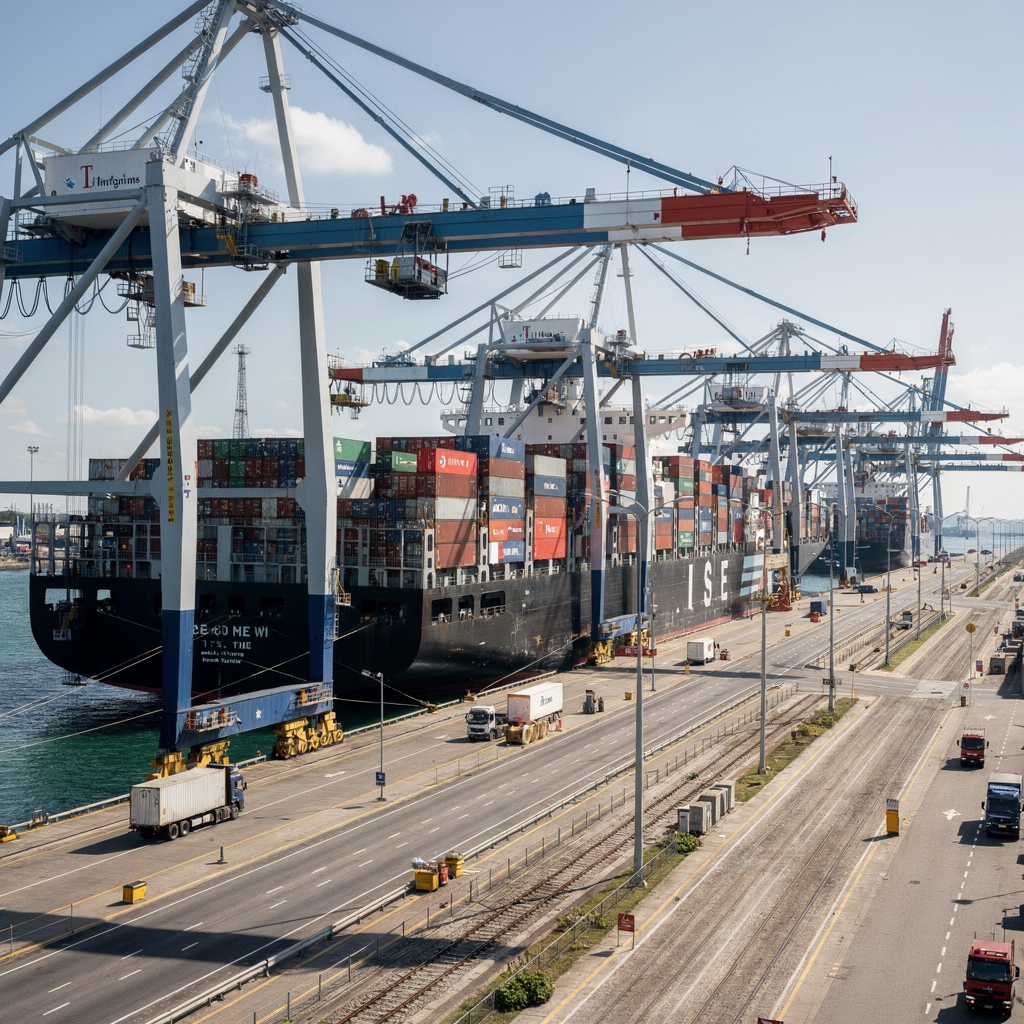
Crane scheduling in container terminals under STS cranes
container fundamentals and STS crane operations Ship-to-shore (STS) cranes serve as the backbone of modern container transfer between ship and quay. In a typical container transfer, an STS crane lifts a container from the ship and moves it to a truck or a yard position. The role combines heavy lifting, precise placement, and timed coordination […]
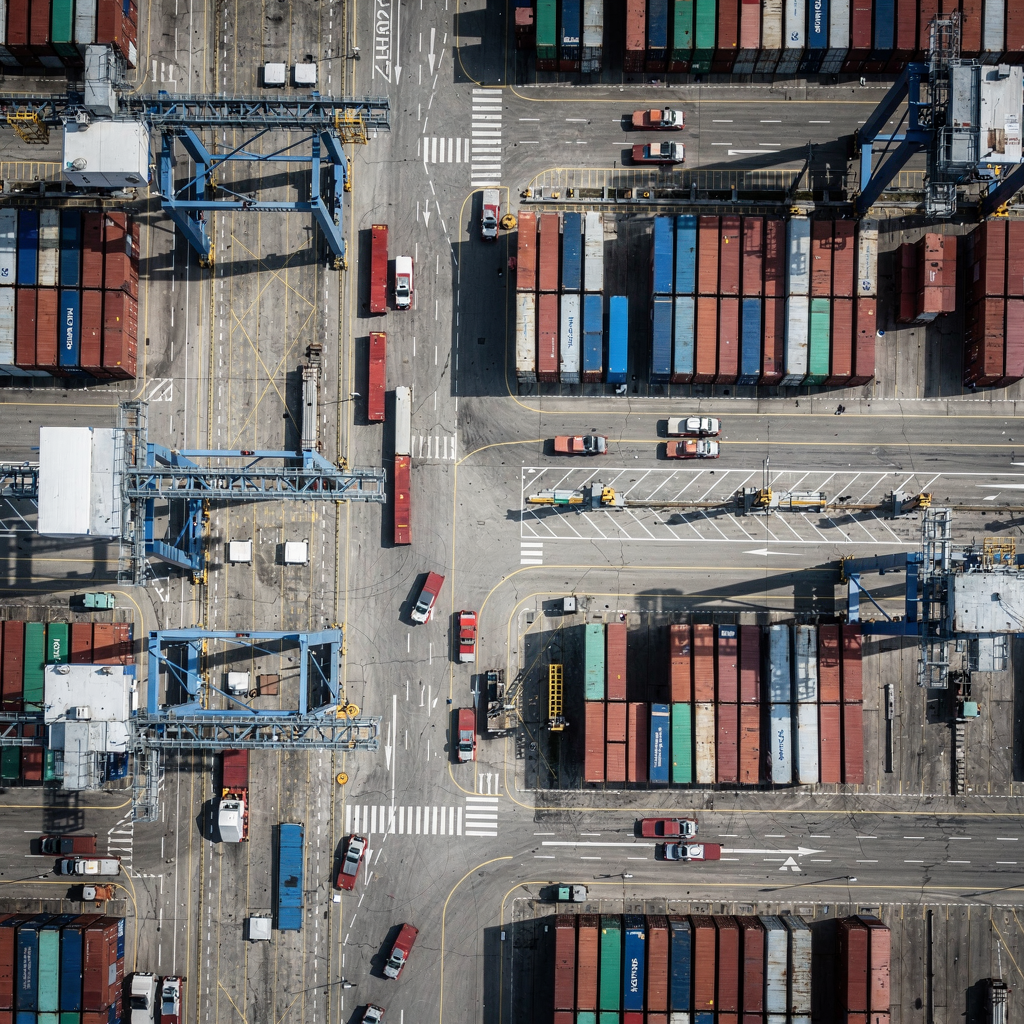
AGV charging strategies in automated container terminals
Overview of AGV Charging in Terminal Operations Automated Guided Vehicles play a central role in the modern automated container terminal. They handle horizontal transportation between quay cranes and yard stacks, and they support loading and unloading operations with precision. For an automated container terminal to sustain throughput, battery management must run like clockwork. Inefficient battery […]
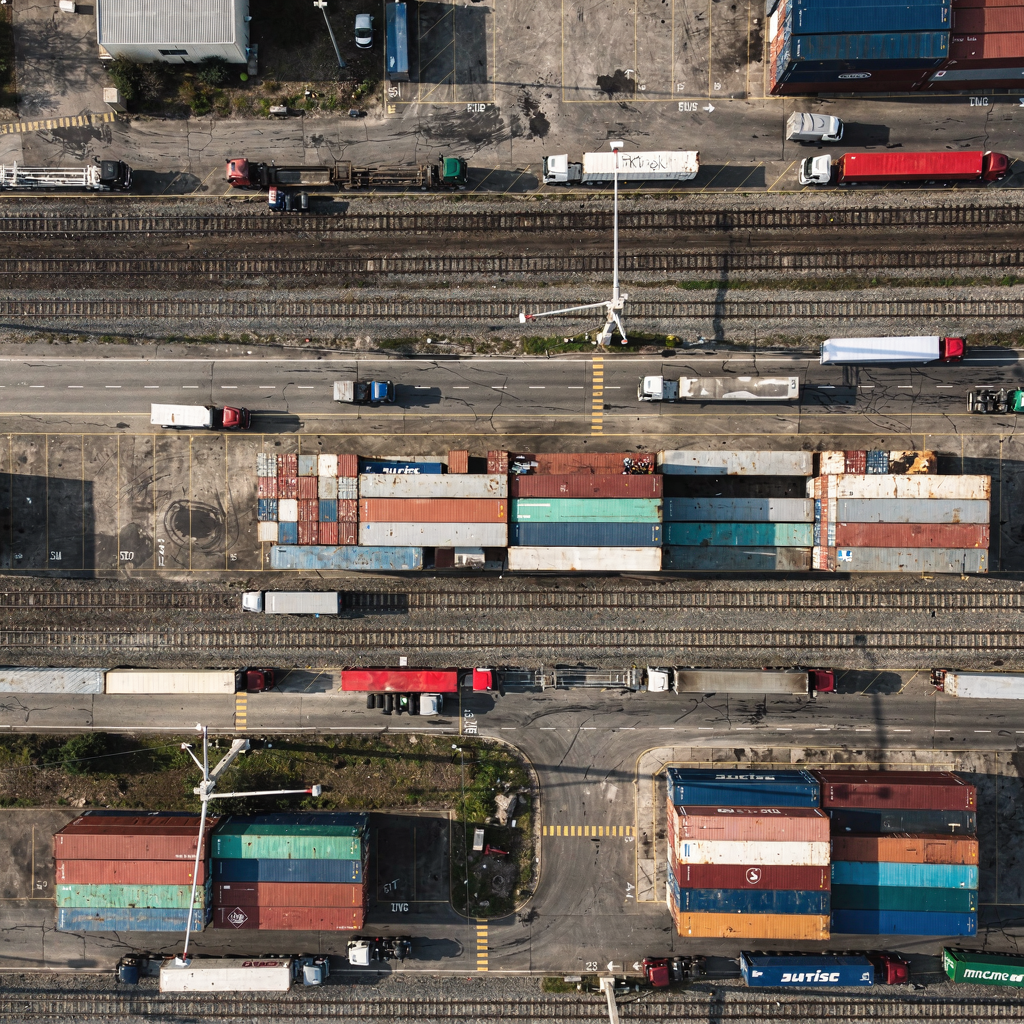
Inland port logistics: boosting container throughput
port: Current Challenges and Infrastructure Constraints Ports face a squeeze. Land sits fixed and trade keeps growing. Many port operators see yard limits and fixed quay length that restrict output. For inland terminals and coastal hubs, limited yard space and fixed quay length reduce the ability to scale rapidly. As a result, truck queues form […]
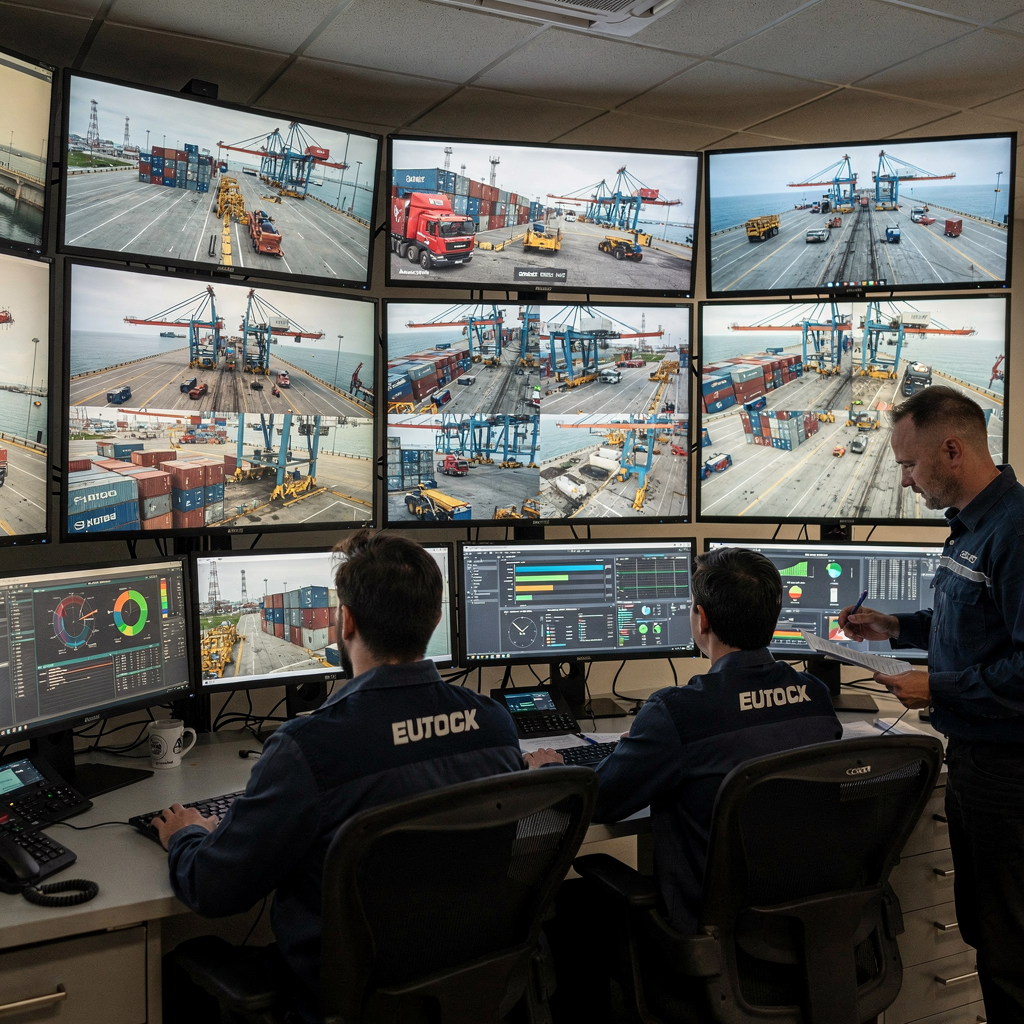
AI port automation: future-proofing port operations with AI
ai and automation in Modern Port Operations AI and automation reshape how modern ports schedule vessels and handle container handling tasks. Artificial intelligence models forecast arrival windows, allocate berths, and manage yard moves with speed and consistency. For example, smart cranes and automated guided vehicles can cut turnaround times by up to 30-40% when coordinated […]
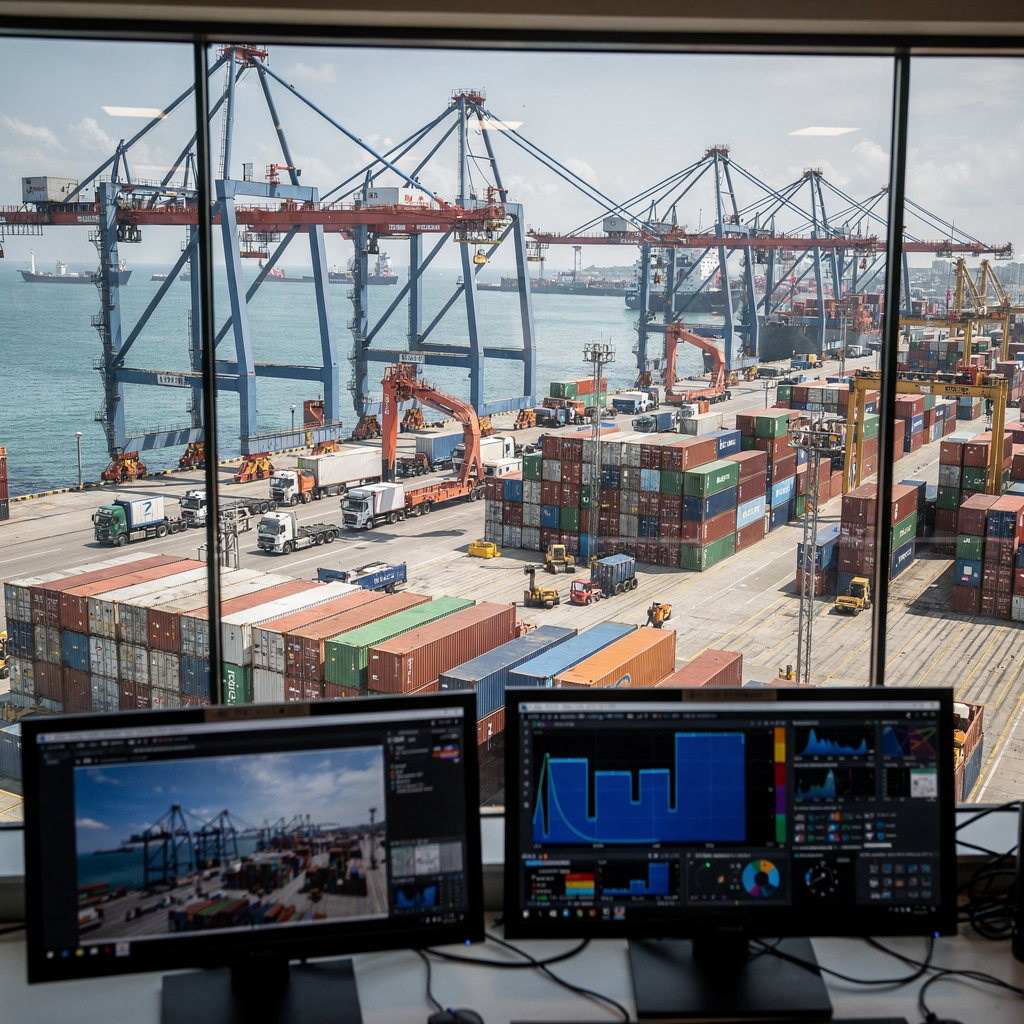
Container terminal crane strategy for berth assignment
Introduction to Inland Container Terminal Operations Inland container terminal managers act as the critical link between maritime ports and land transport. First, they receive containers that arrive from a seaport and then they coordinate onward trucking, rail, or short-haul transfer. As a result, the flow between ship, truck and rail must be tightly coordinated. In […]
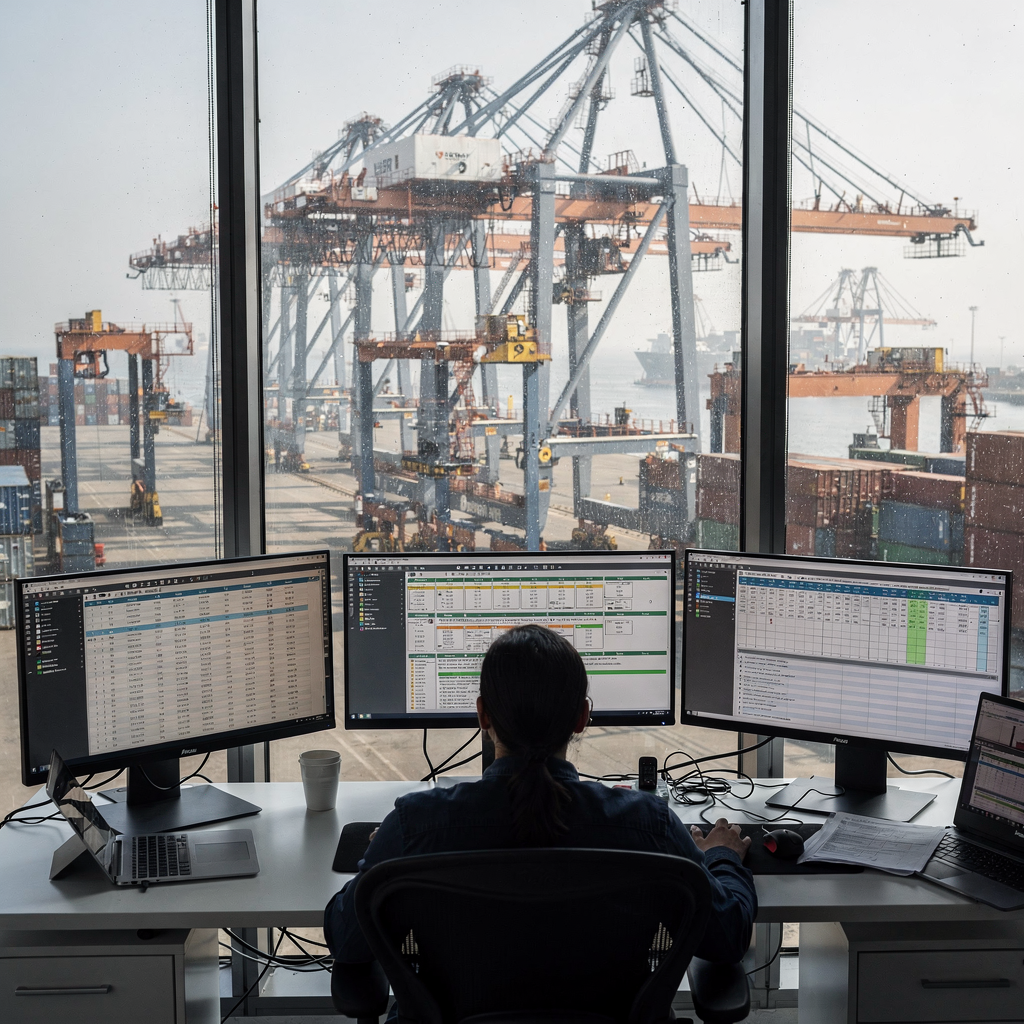
AI port terminal operations: building planner trust
ai integration in port terminal operations A deepsea container port handles vessel arrivals, cargo flows and terminal chores under tight schedules. Planners must coordinate berth windows, crane tasks and yard layouts with limited slack. AI promises to help. AI can surface patterns in schedules, predict peaks and flag risks before they cascade. This matters because […]
