
Category: Uncategorized
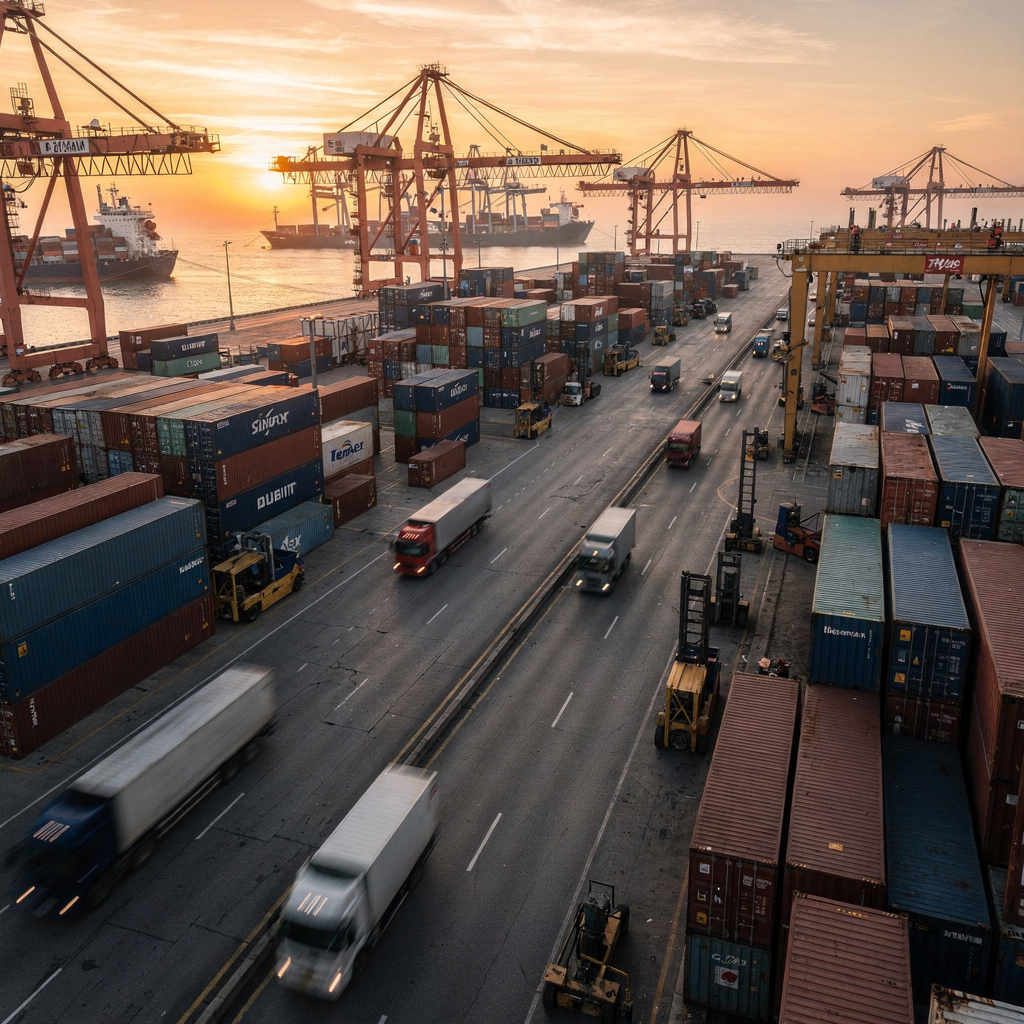
AI transforms terminal operations with human intervention
AI integration and machine learning in maritime terminal operations Maritime terminal operations cover quay planning, cargo handling, yard management, and berth scheduling. First, these activities must balance limited space with tight vessel windows. Second, they require fast responses to arrival changes, tidal shifts, and equipment faults. Third, planners juggle competing KPI trade-offs like quay productivity […]
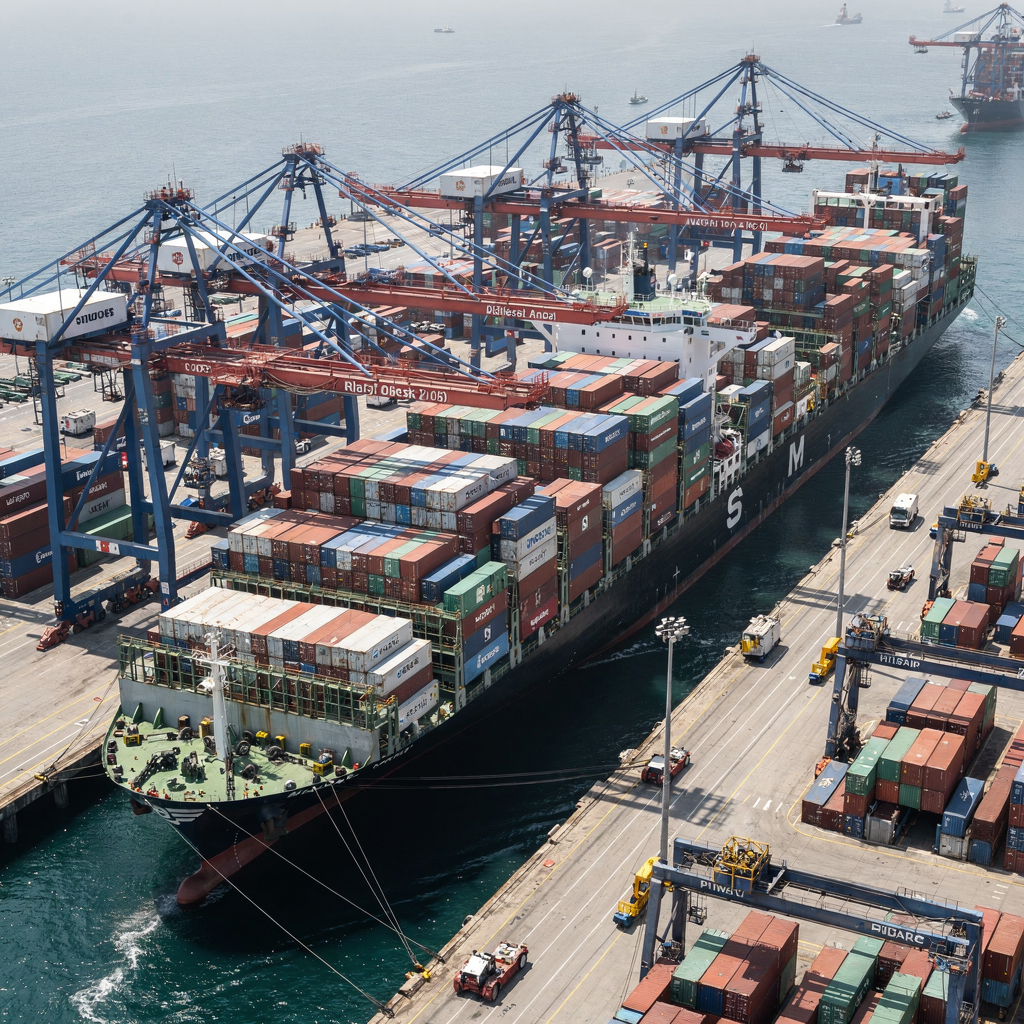
Crane efficiency to improve container terminal productivity
Improve crane productivity at container port Quay cranes set the tempo for any container terminal. When they run well, vessel service runs smoothly and berth windows stay on schedule. Modern benchmarks place leading quay units between 30 and 45 moves per hour under optimal conditions, and some terminals push beyond that with upgraded controls and […]
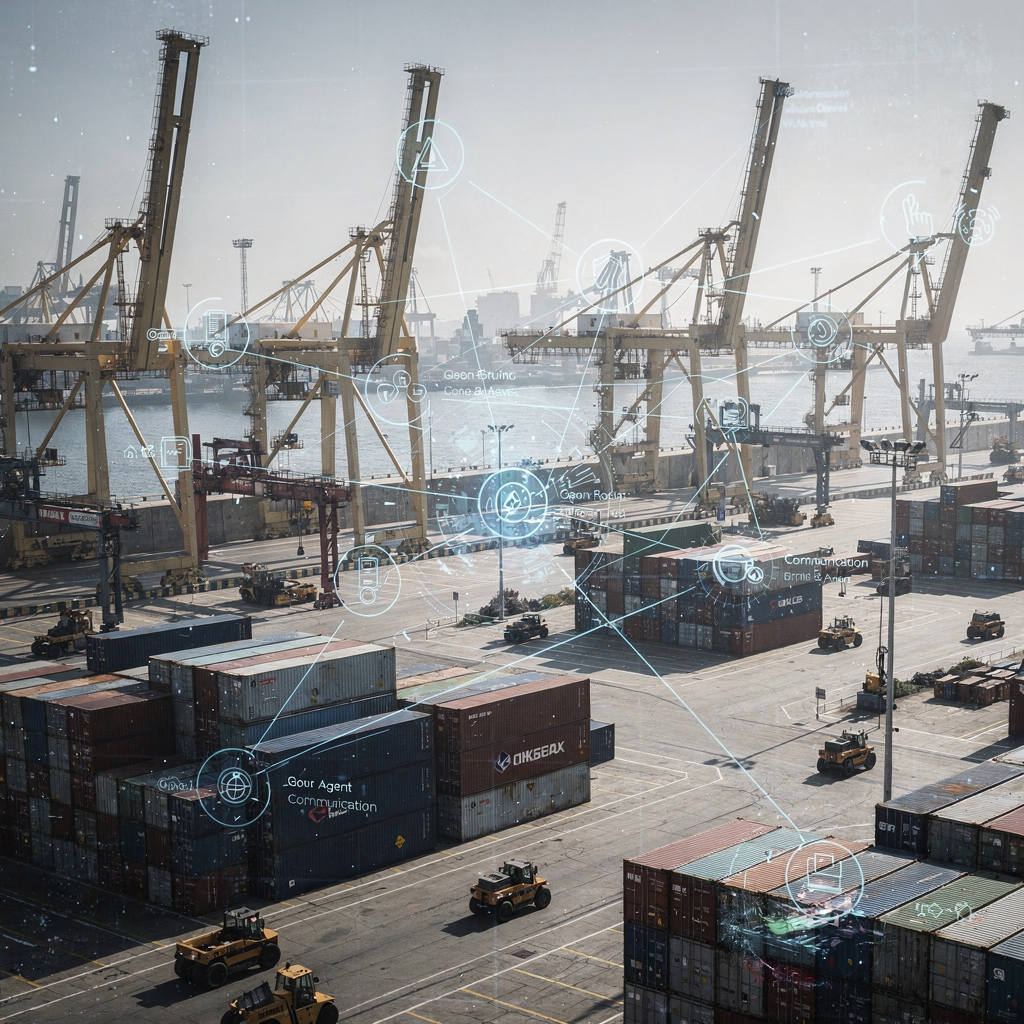
Port AI agents automate terminal operations
Port operations and terminal challenges: the case for automation in port Global trade pushes ports to handle larger container vessels and rising container volumes. As a result, ports face intense pressure to move more cargo faster. First, bigger ships bring concentrated peaks of containers. Second, peaks collide with limited quay space and constrained yard capacity. […]
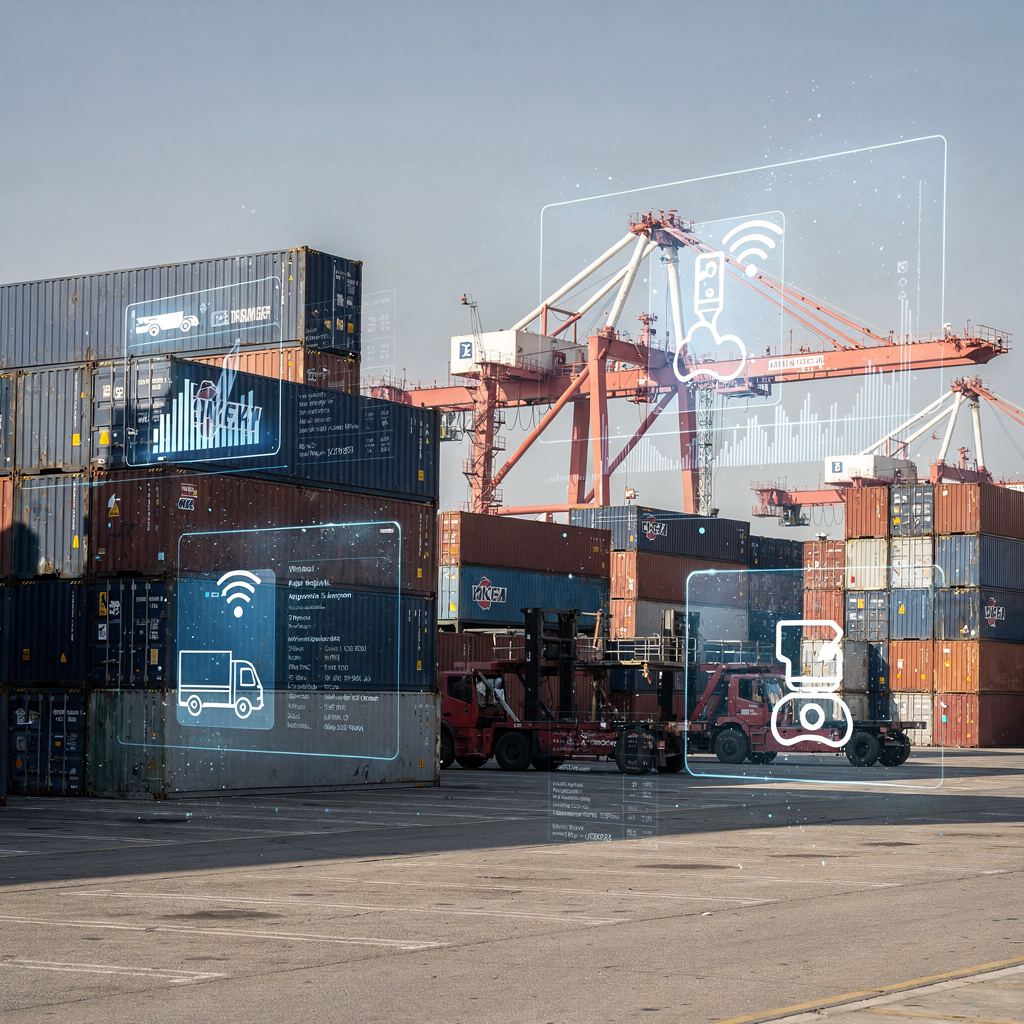
AI Predictive Housekeeping for Container Terminals
terminal operating system The terminal operating system sits at the heart of yard management and daily flow. It records moves, schedules cranes, and tracks containers from gate-in to load-out. Terminal operators rely on it for visibility and control. A well-configured terminal operating system links berth plans, yard maps, and gate transactions so staff can make […]
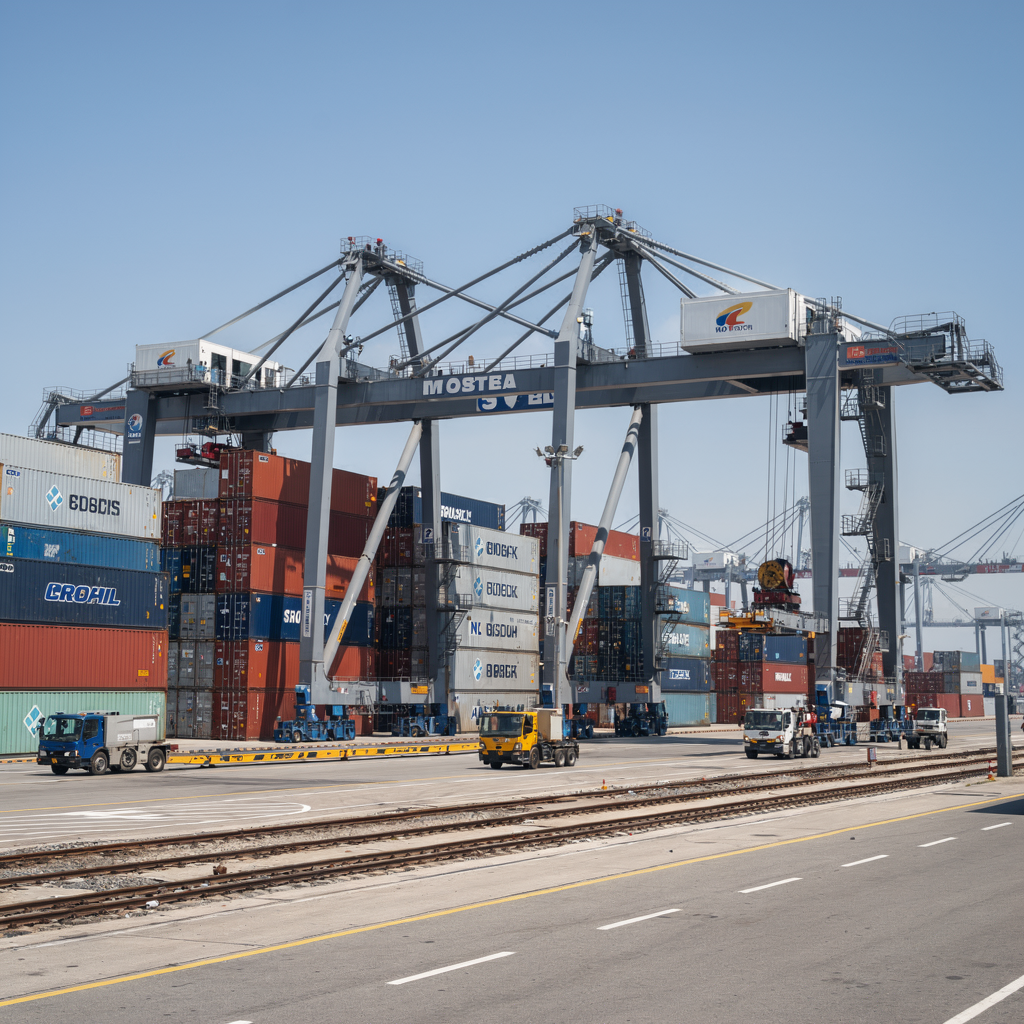
Container terminal double ARMG yard crane optimisation
Container terminal yard crane operations Double ARMG systems transform how a container terminal handles stacks. In a deepsea container terminal, two identical rail-mounted cranes work side by side inside a yard block. Each crane lifts, travels on rails, and places containers with repeatable precision. This rail-mounted gantry functionality enables parallel task execution and faster container […]
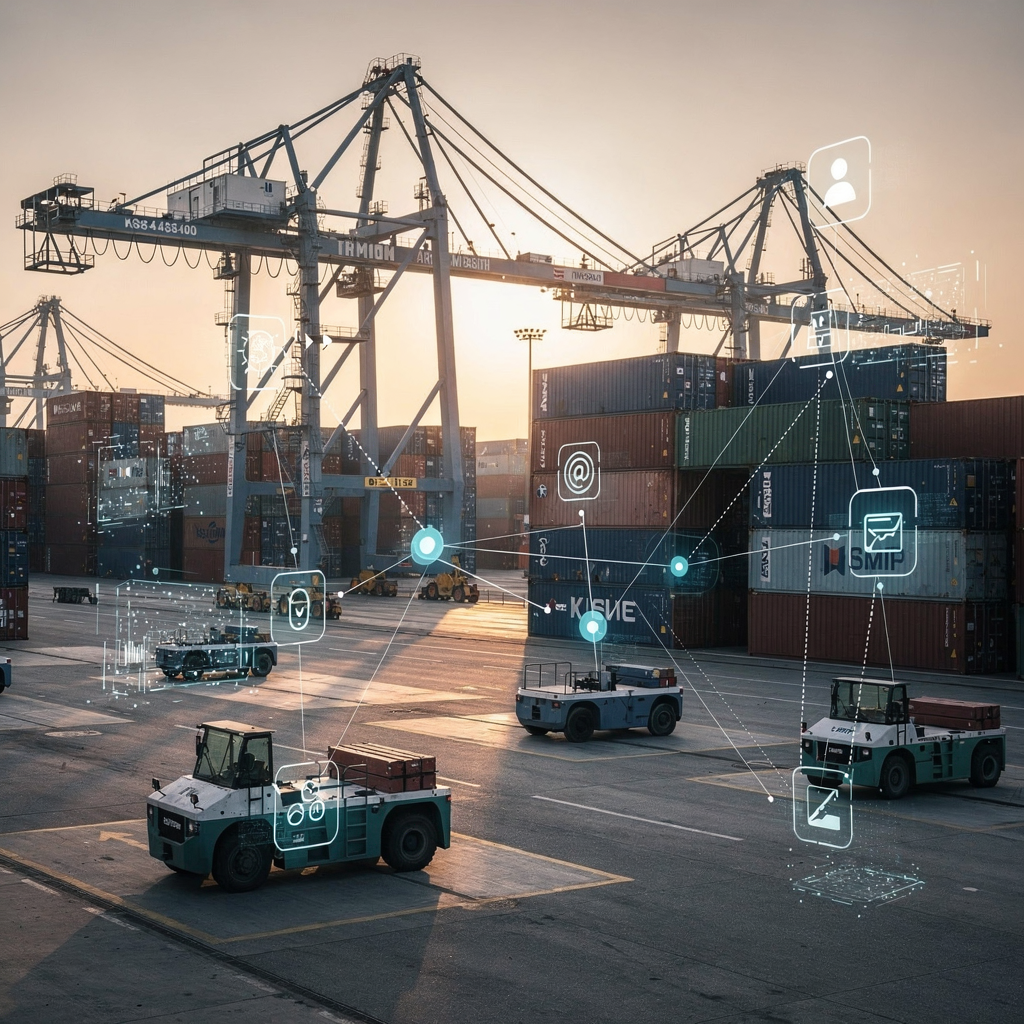
Container port automation software market overview: size
Market overview: global automated container terminal market First, define the scope. The global automated container terminal market covers software and hardware that automate container handling, yard management, berth planning and gate processes at a port. In this scope we include terminal operating systems, integrated terminal operating systems, automated quay cranes, automated stacking cranes and automated […]
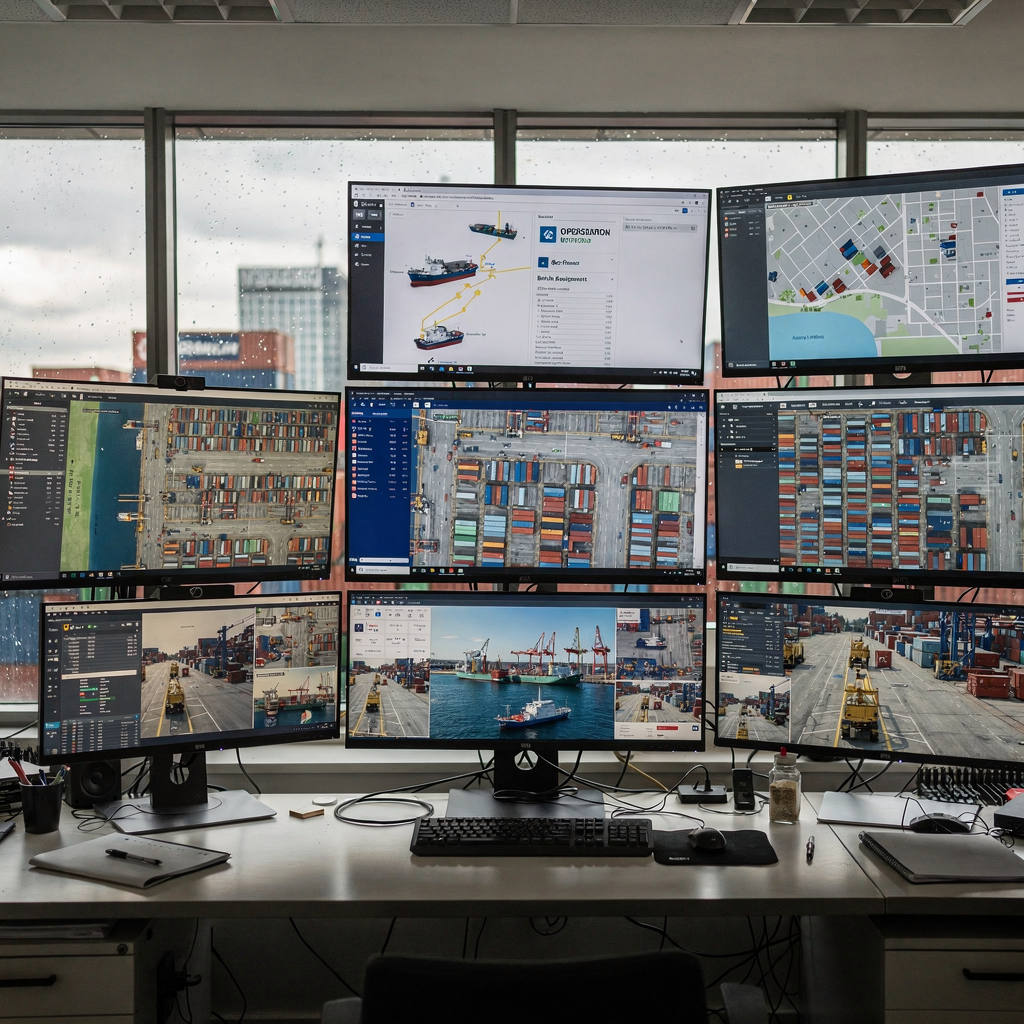
How TOS optimises vessel turnaround at container terminals
1. Challenges at the container terminal and need for optimization The modern terminal faces pressure from many directions. Global trade grows, vessel sizes increase, and customer expectations rise. As a result, prolonged vessel stays create real costs. They reduce berth availability, raise demurrage exposure, and dent port efficiency. For example, increased vessel idle time directly […]
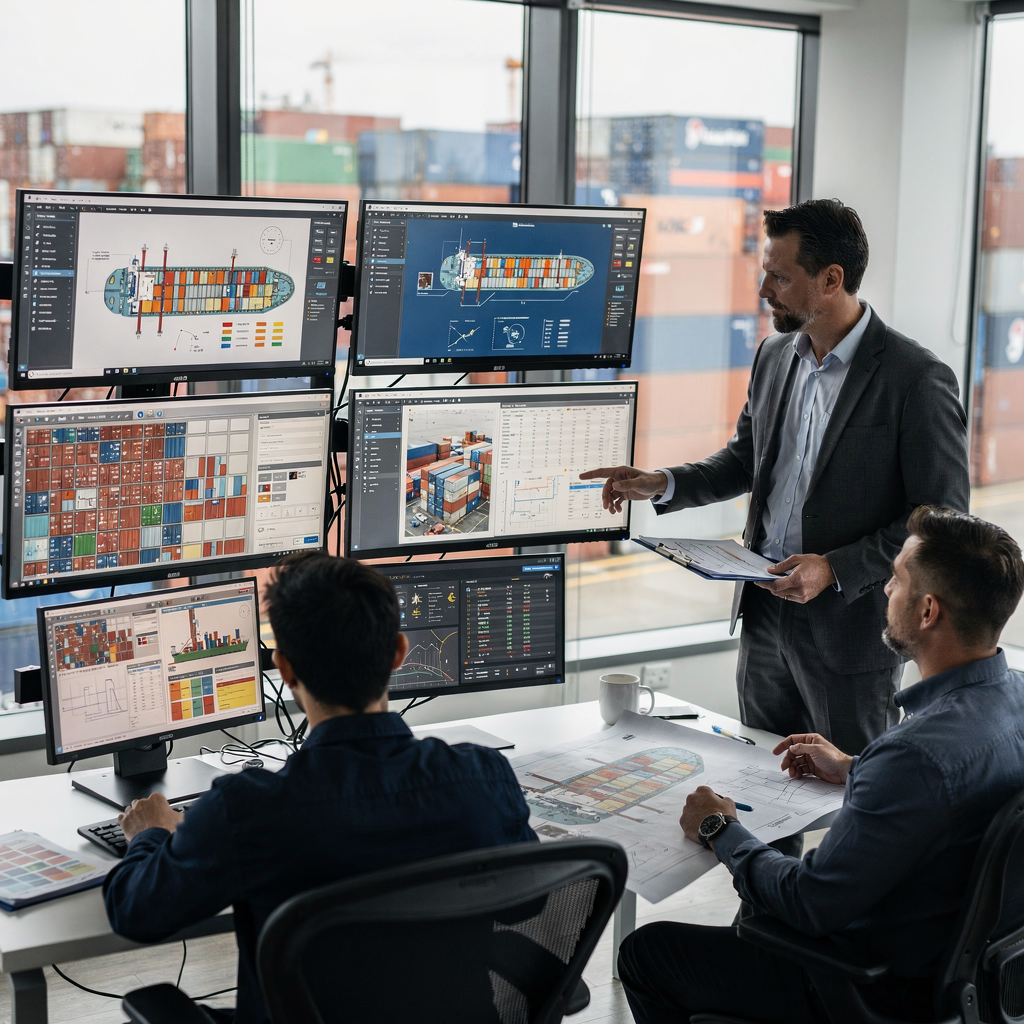
Stowage planning and port automation software
Introduction to Port and Terminal Productivity through Automation Terminal productivity depends on speed, accuracy, and predictable workflows. In modern container terminals, automation drives consistent gains in throughput and reliability. Terminal teams measure performance in moves per hour and berth occupancy. They also track dwell time and operational costs. Adoption has risen quickly. Over 60% of […]
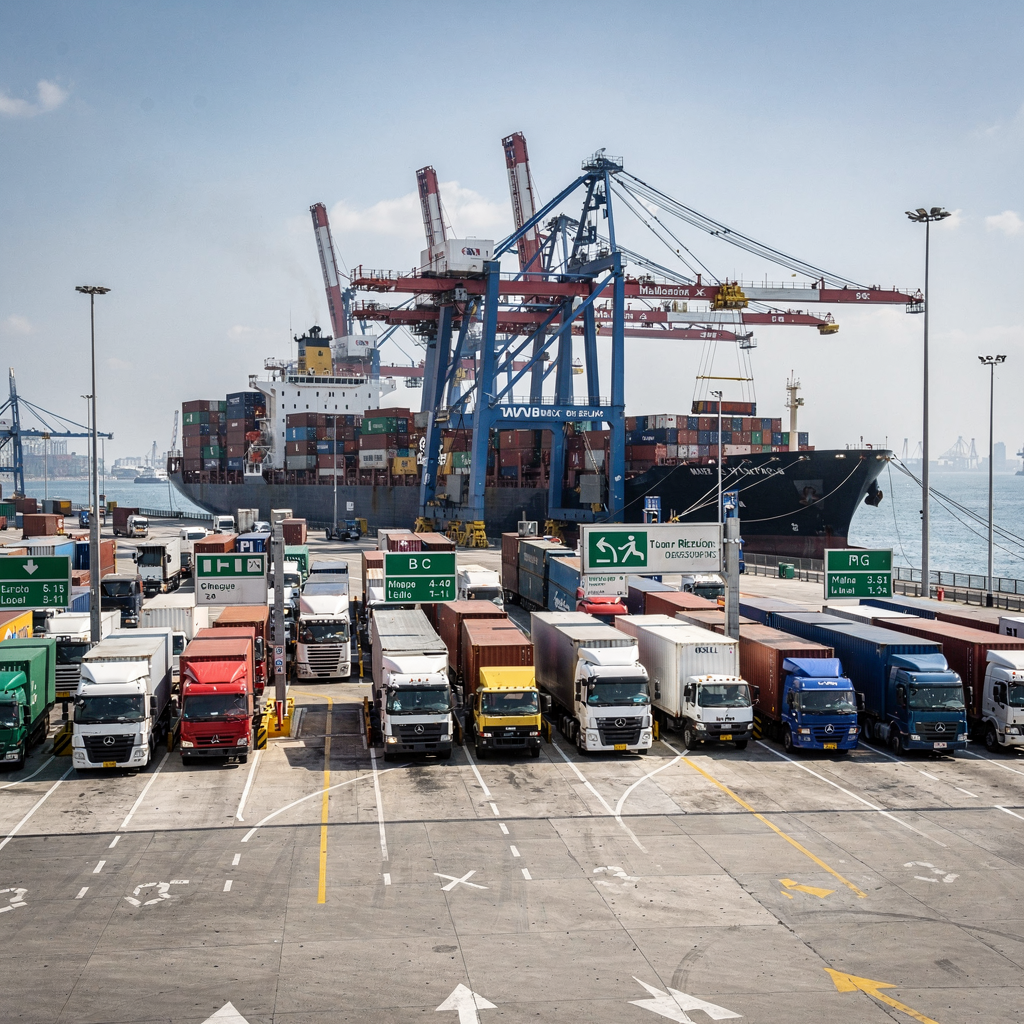
Traffic management in terminal operations for port cargo
terminal, port and supply chain overview The terminal sits at the heart of a port and it links ships, trucks and trains to the wider supply chain. It handles container movement, local drayage, and coordinated rail arrivals while it supports vessel operations and inland distribution. A terminal manages loading and unloading, yard stacking, and gate […]
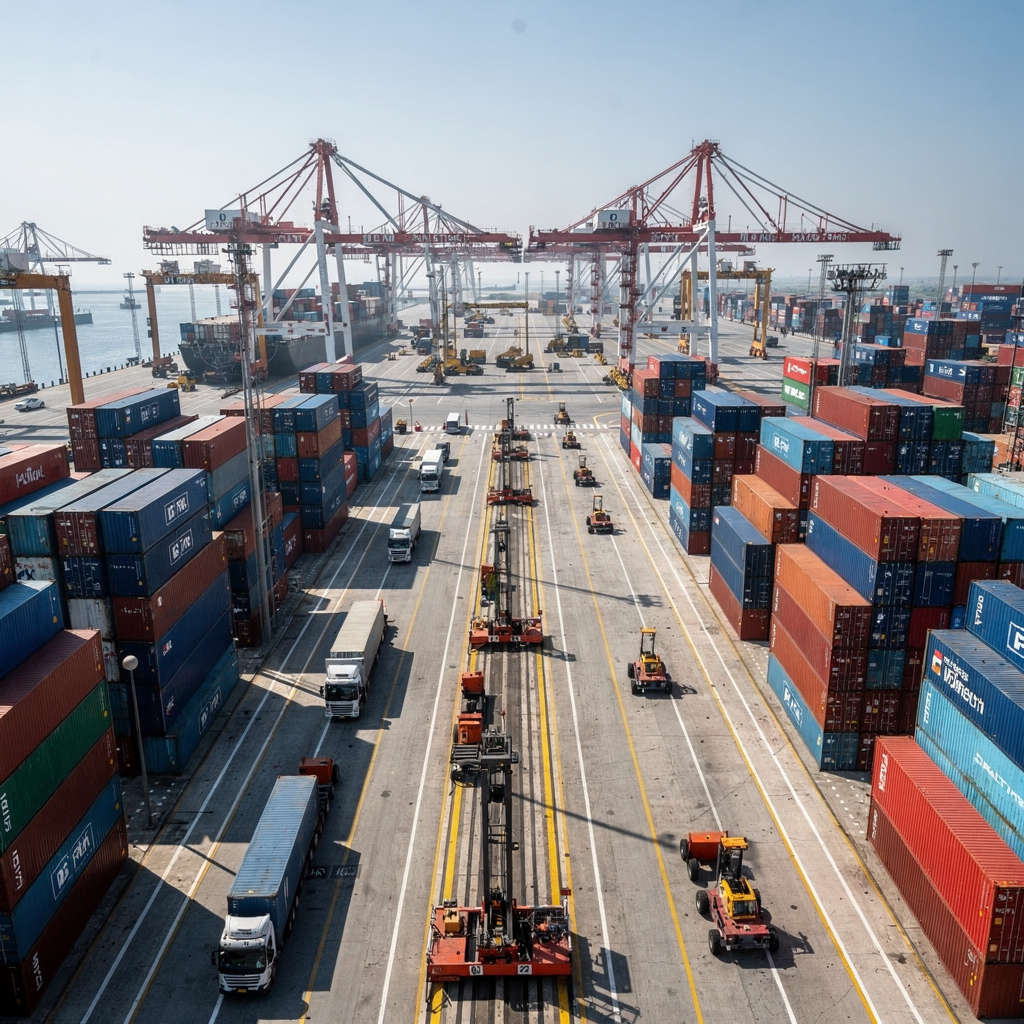
Integrated scheduling optimisation for container terminals
literature review: Evolution of integrated scheduling optimisation in container terminals This literature review traces how integrated scheduling evolved for the modern container terminal. Early work focused on individual equipment. Researchers studied QUAY CRANE coordination, truck moves, and YARD CRANE tasks. Those initial models targeted throughput and berth use. Then scholars realized that a single-focus plan […]
