
Category: Uncategorized
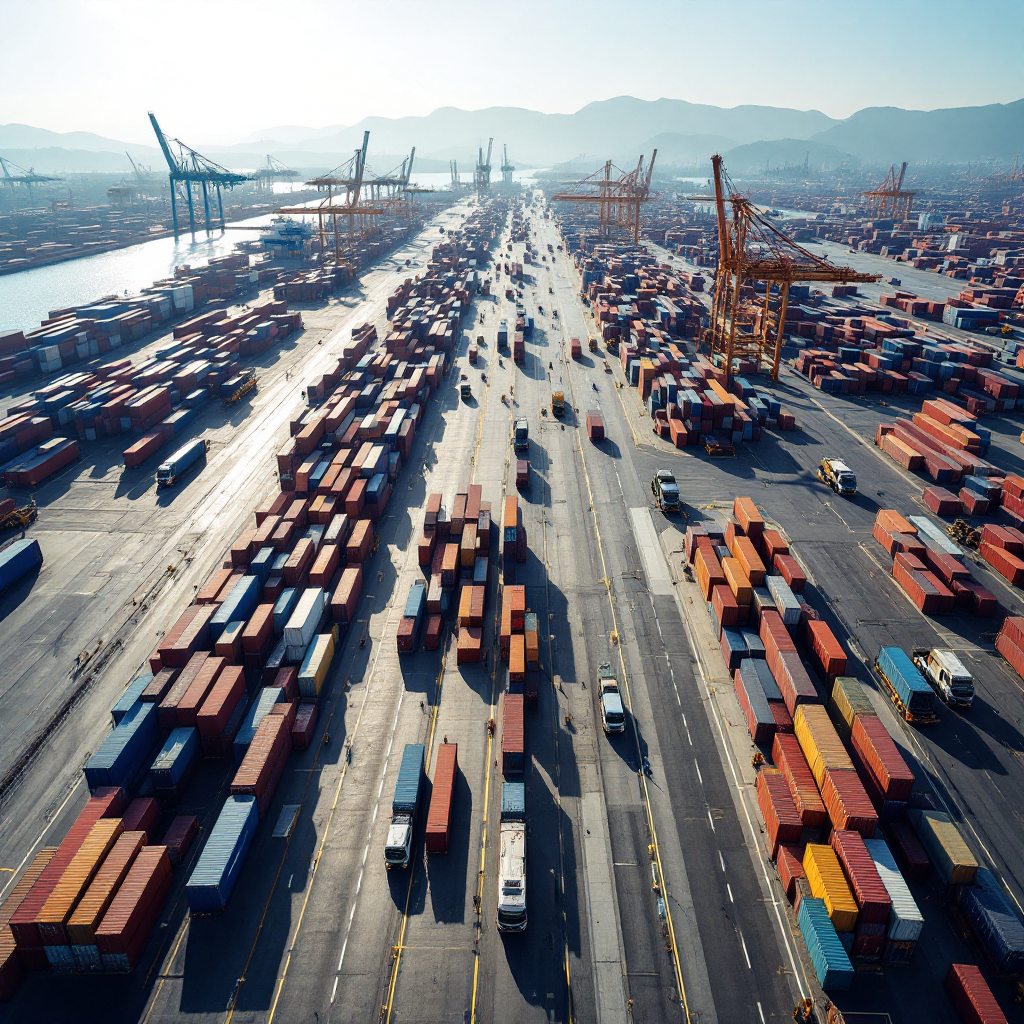
Container terminal yard optimization fundamentals
Terminal and Container Yard Fundamentals The terminal sits at the centre of maritime logistics and acts as the hub for vessel loading and unloading. A terminal must coordinate berth arrivals, yard placement, and landside handovers. Efficient terminal design reduces delays and lowers operational costs, and it boosts productivity for port operators and shipping lines. The […]
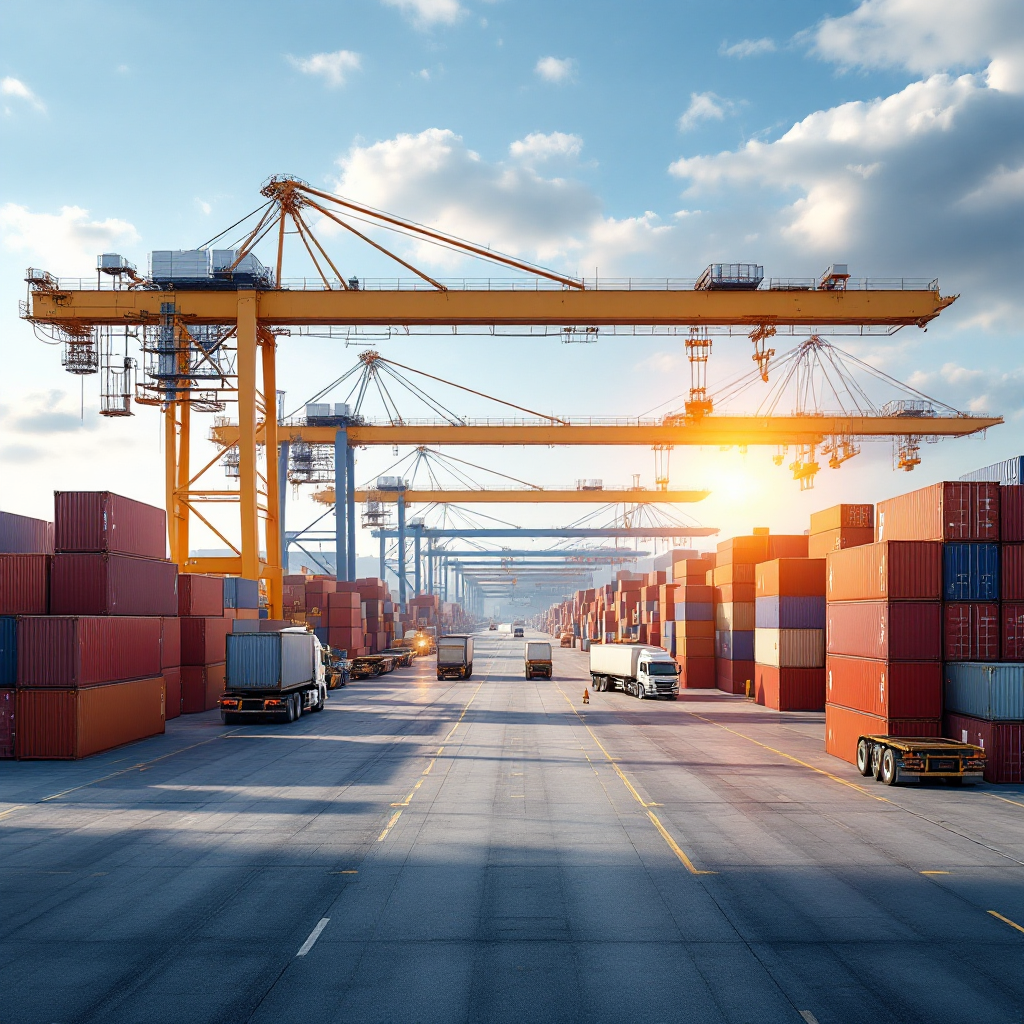
AI algorithms solving inland container terminal planning
terminal planning for maritime container supply chain optimization Terminal planning sits at the heart of maritime container supply chain optimization. It covers yard layout, container placement, equipment allocation and daily scheduling for the terminal. First, define an inland container terminal: it is a logistics hub that receives, stores and moves containers between ships, trucks and […]
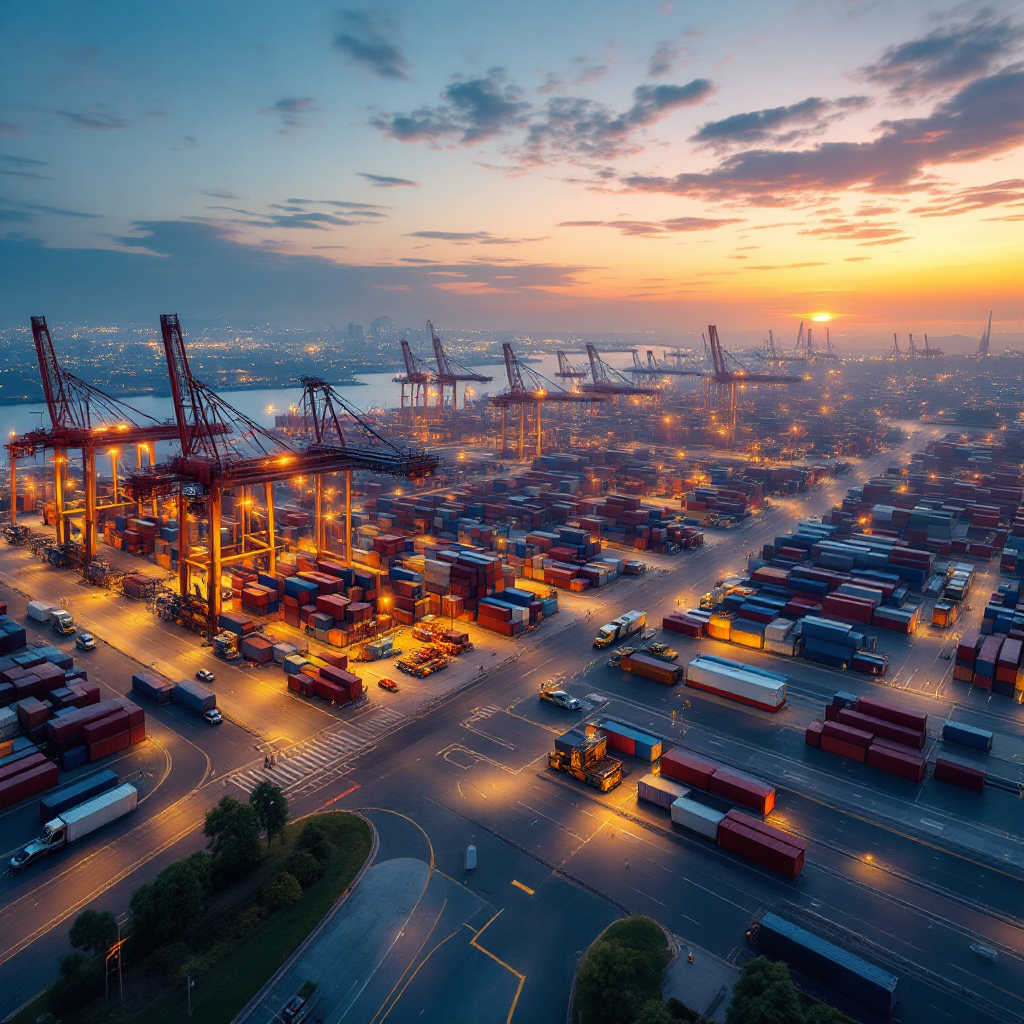
Automation enhances safety in container ports
Automation: Reducing Human Exposure and Accident Risks Automation in container port handling means machines, software and networks work together to move, stack and track cargo with minimal human intervention. For operators, that matters because work moves away from noisy quaysides and heavy lifting zones. Also, automation reduces direct exposure to hazardous tasks. For example, AI-driven […]
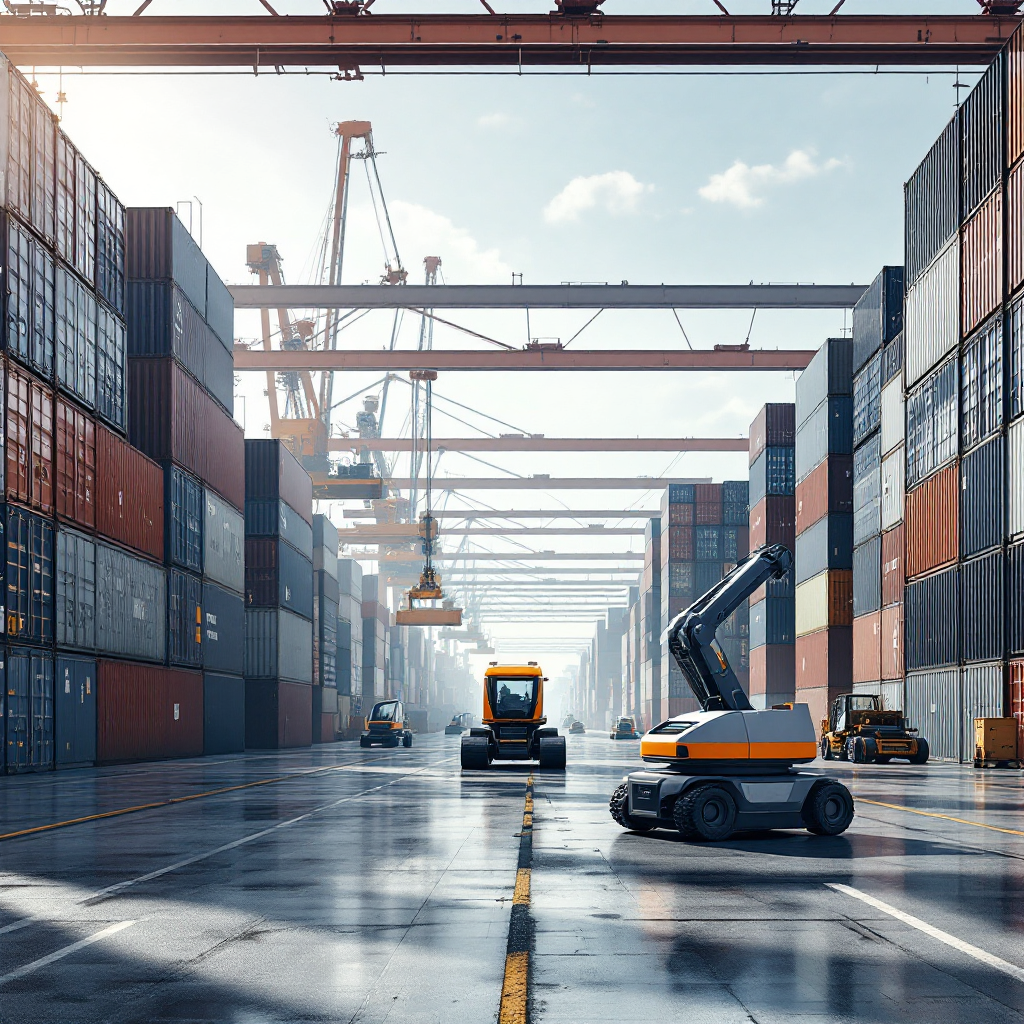
Container terminal automation: housekeeping and stack shuffling
Terminal Automation in Modern Port Container Operations Terminal automation transforms how a port manages container flows, and ABB’s role matters in that shift. ABB provides high-precision stacking crane designs and control suites that fit into fully automated terminals and into hybrid landside interfaces. These systems allow ASCs to receive pick-and-drop commands, to coordinate with AGV […]
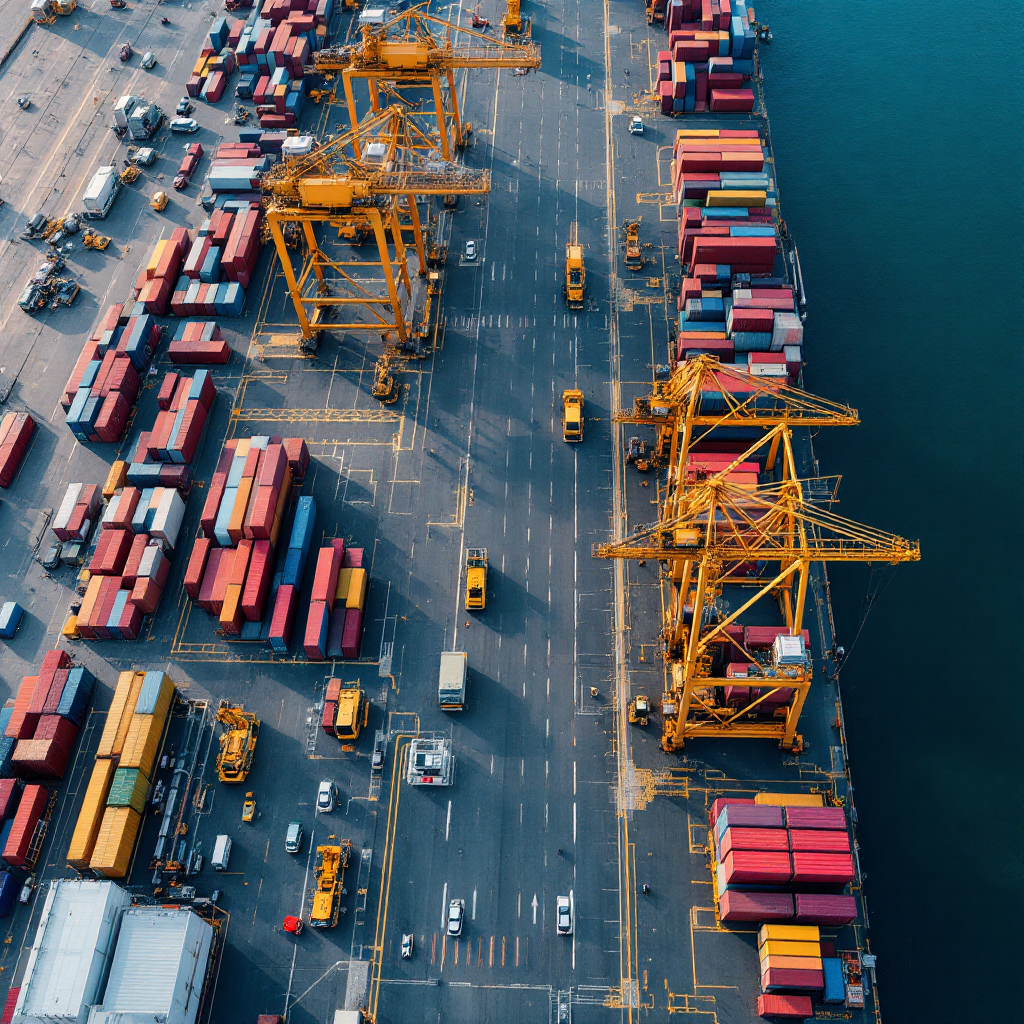
Optimising port operations at automated container terminal
Introduction to Portal Trolley Optimisation Portal trolleys are horizontal transport units that run under or between quay cranes in an automated container terminal. They move containers along the quayside and feed quay cranes during loading and unloading. In many automated container terminal designs, portal trolleys work with automated guided vehicles and yard crane systems to […]
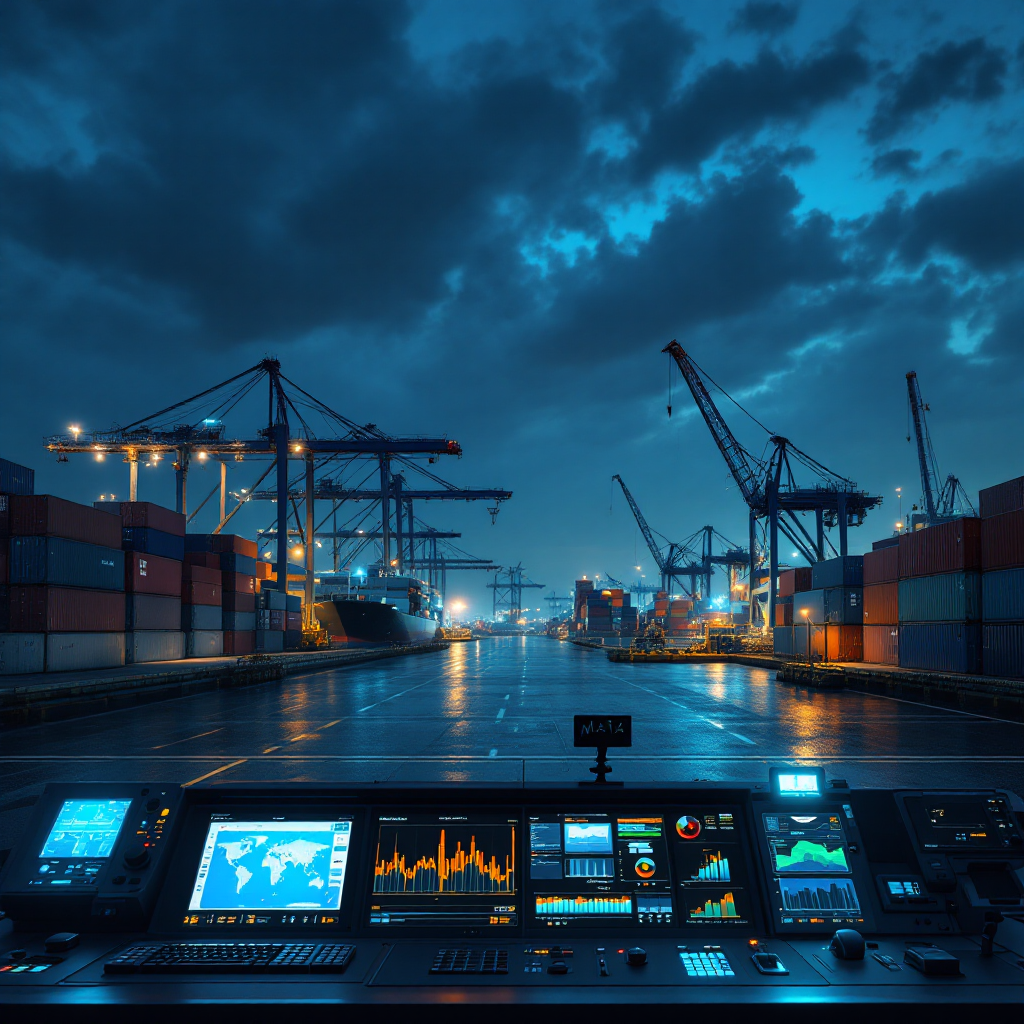
Port AI and machine learning in terminal operations
1. port operation and ai in port operations: systematic literature review of benefits of ai Ports operate in complex environments. A systematic literature review of more than 70 articles shows steady annual growth in research on AI for ports. For example, a structured review notes that ML-based methods can “increase port performance by enabling more […]
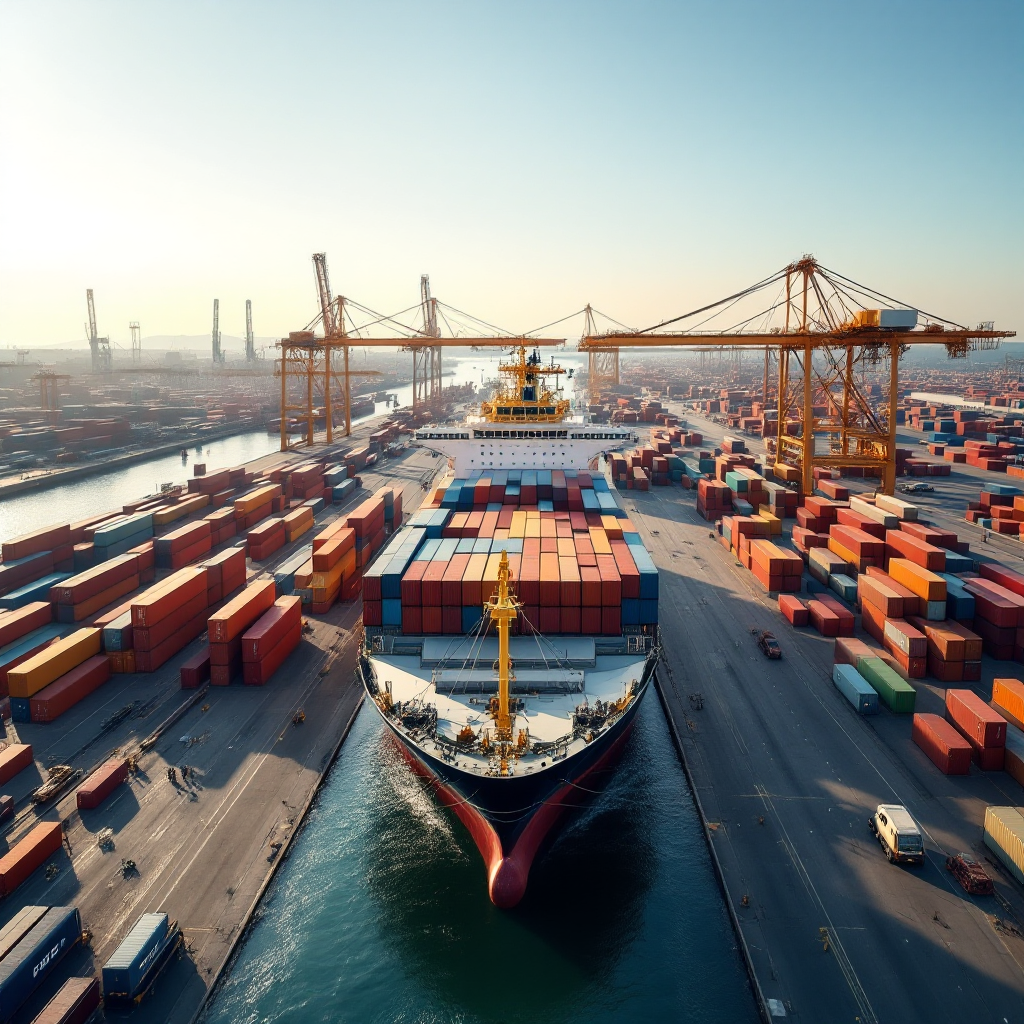
Stowage plan for container vessel with multi-port discharge
Context: multi-port discharge and the optimization method A STOWAGE PLAN for a container vessel that calls at several ports must balance many demands. First, the plan must respect weight hierarchies and safety. Second, it must enable efficient LOADING AND UNLOADING at each call. Third, it must limit the number of container movements and also avoid […]
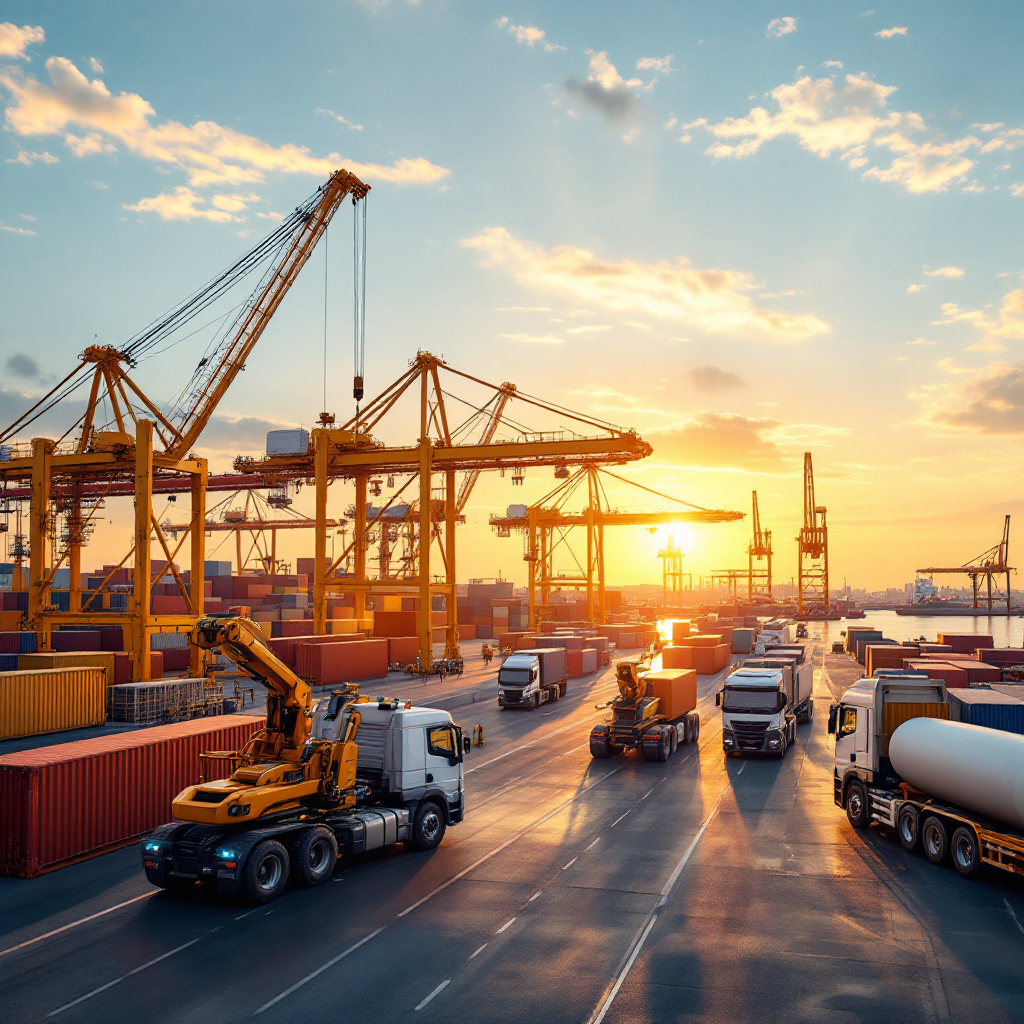
Retrofit Container Ports with Smart Port Automation
How traditional port Retrofit Extends Equipment Lifespan First, define retrofit: it means upgrading existing machines with new controls, sensors and software instead of buying replacements. Next, contrast that with full replacement, which demands large capital, long lead times and major yard disruption. For many ports, especially small and medium ones, this matters. For example, retrofitting […]
Container Terminal AI for Yard Crane Balancing
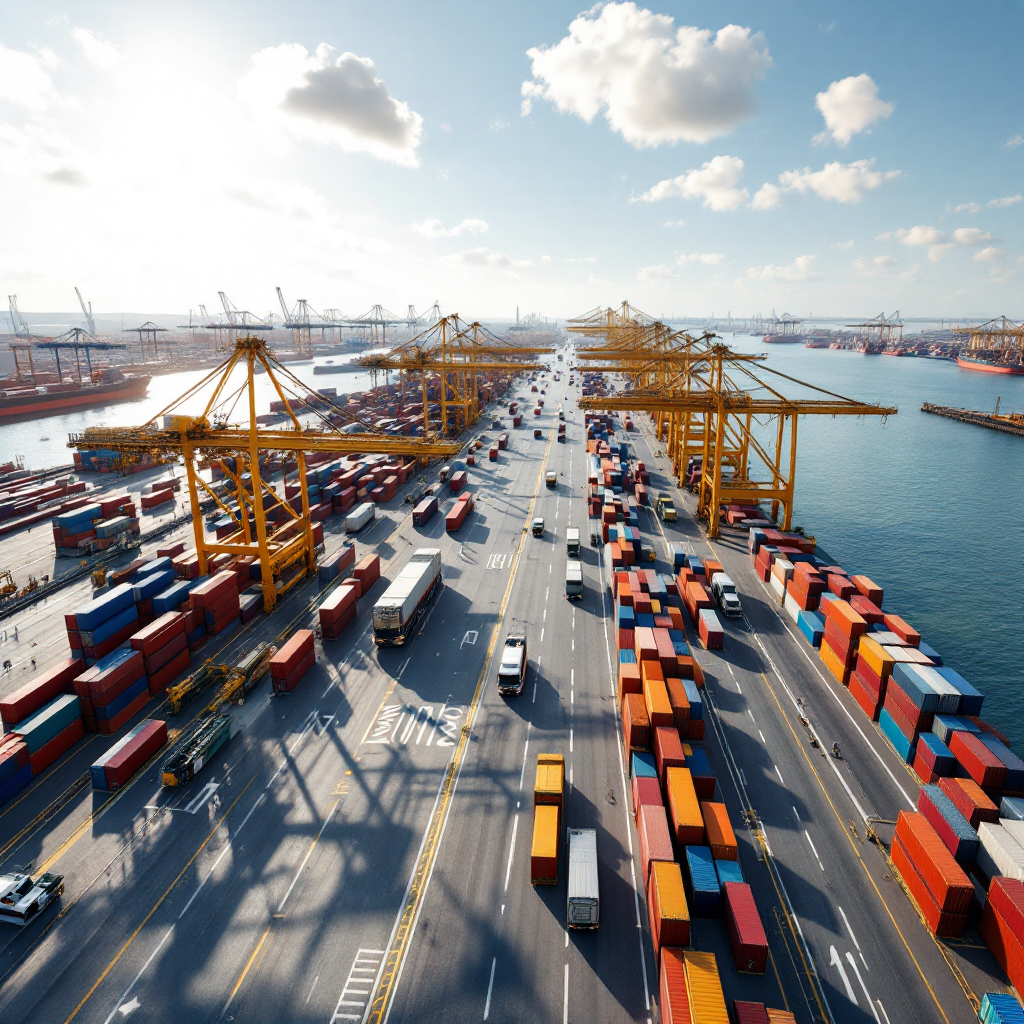
automate ai for crane operation AI-driven automation for yard crane work changes how terminals run. First, AI takes routine scheduling decisions and applies fast heuristics and algorithmic checks. Next, it assigns tasks to a yard crane with awareness of nearby quay crane activity and truck arrivals. Furthermore, AI evaluates real-time sensor streams and yard maps […]
Real-time container terminal replanning strategies
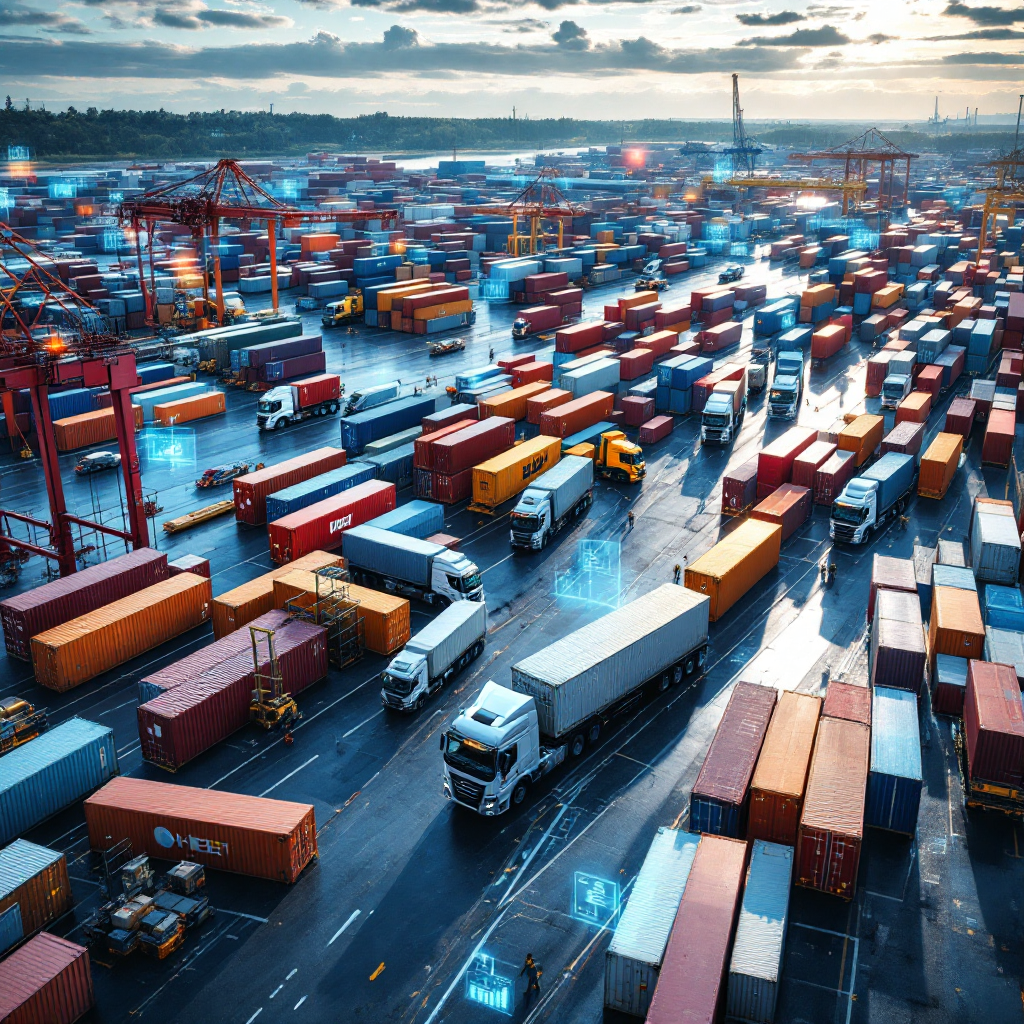
container terminal operations in maritime logistics: the challenge of real-time replanning Container terminals act as a critical node in maritime logistics. They handle huge container volumes that support global trade, and they shape how goods move from ship to inland transport. The layout of the container and the yard footprint dictate many daily choices. Terminals […]
