
Category: Uncategorized
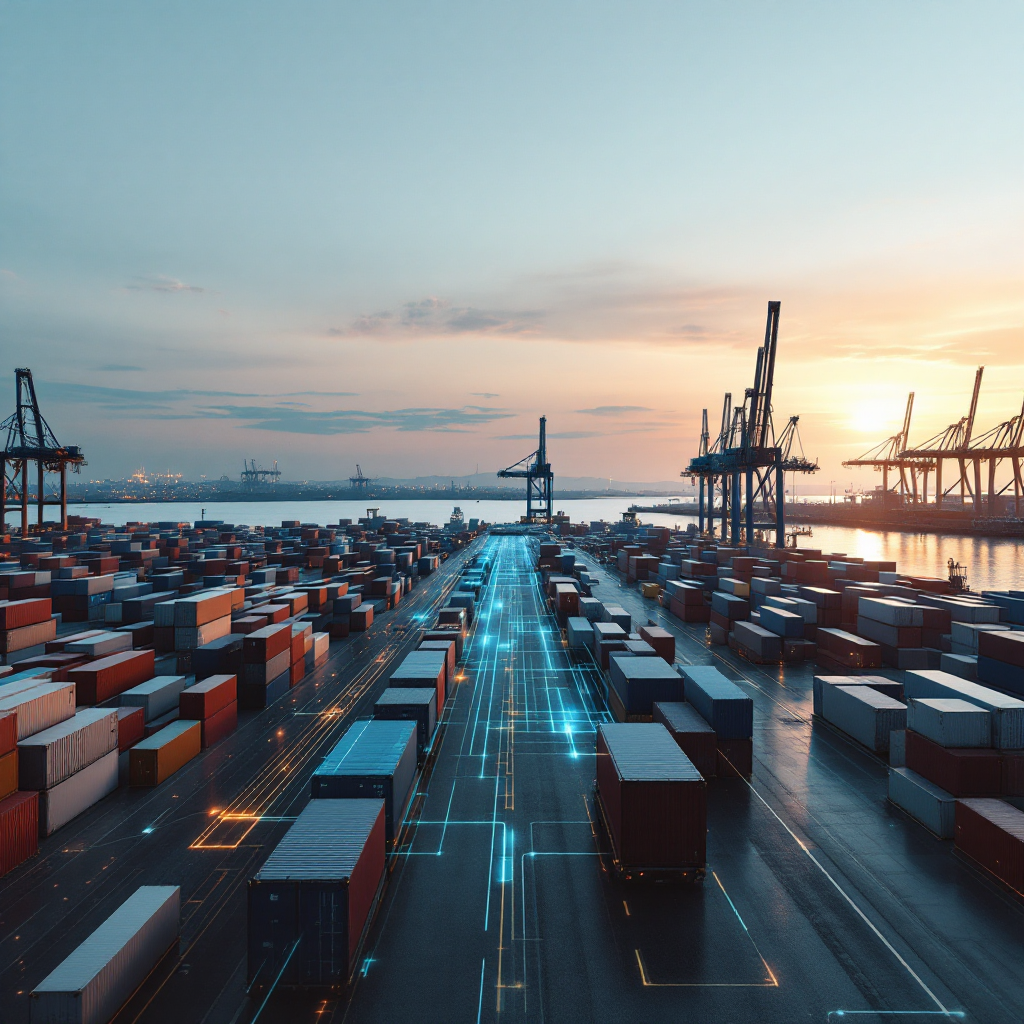
Port digitalization roadmap for port operations
port Digitalisation and Market Drivers A port digitalisation roadmap is a strategic plan that maps the phased steps a port must take to adopt digital technologies, improve workflows and deliver consistent performance. It defines objectives, milestones and governance. It also aligns stakeholders, from shipping lines and port authorities to terminal operators and the wider port […]
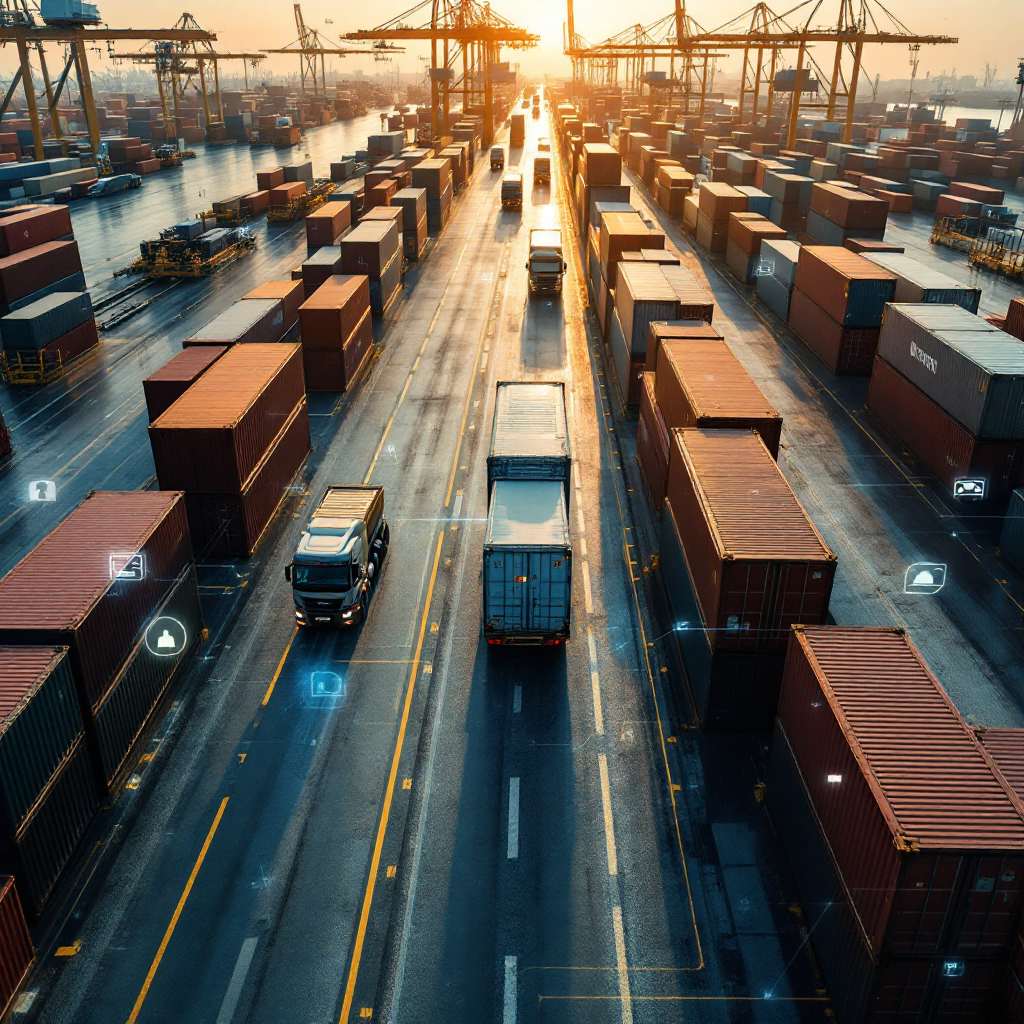
Steps to implement inland container terminal automation
Begin with automation overview: Benefits for inland container terminals and maritime supply chains Automation is the use of technology to control tasks and to streamline container movement and yard functions. It plays a clear role in hinterland logistics and in the link between seaports and inland distribution hubs. When terminals automate, they often increase throughput. […]
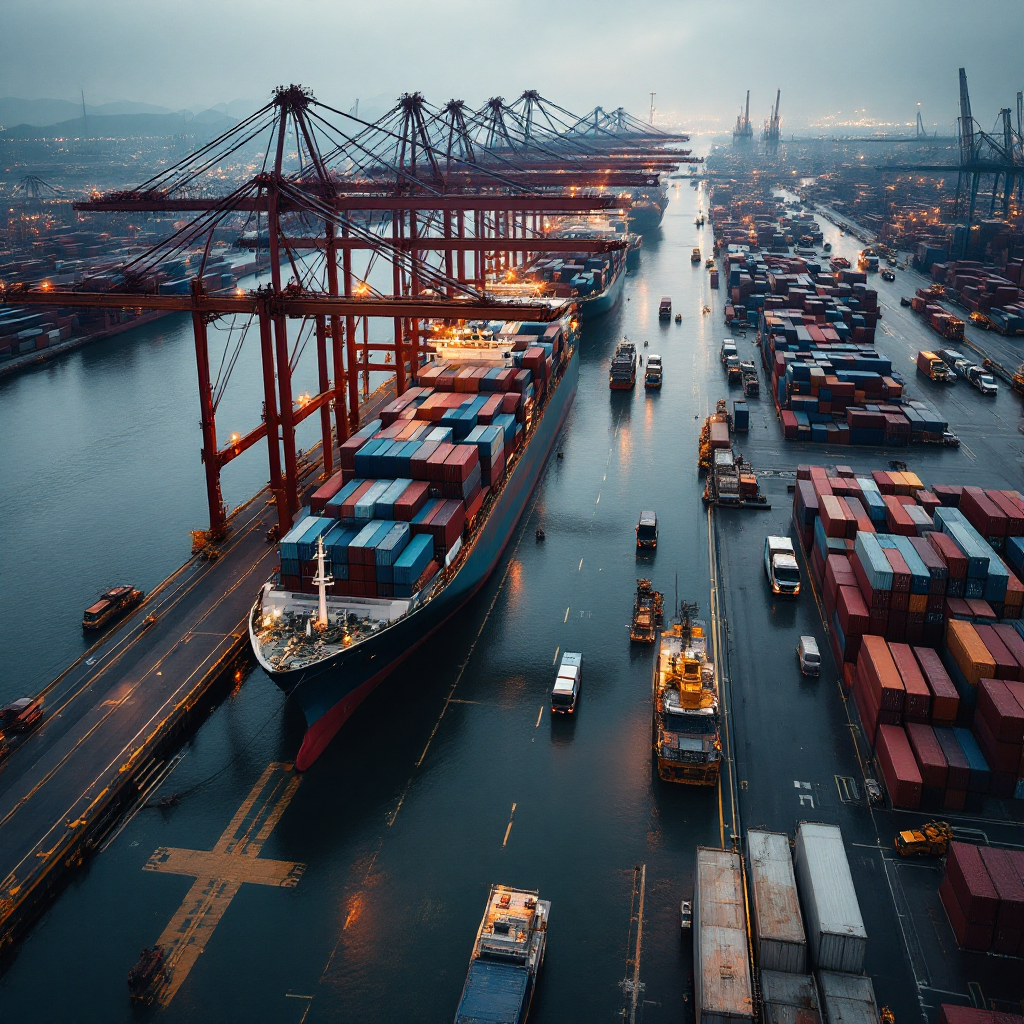
Handling discharge changes in container port schedules
container port fundamentals and port of discharge changes The container port serves as the hub where ocean freight moves between sea and land, and it links ships, trucks, trains, and warehouses. The Port of Discharge is the named place where a container ship unloads cargo for onward inland movement. Port teams plan for loading and […]
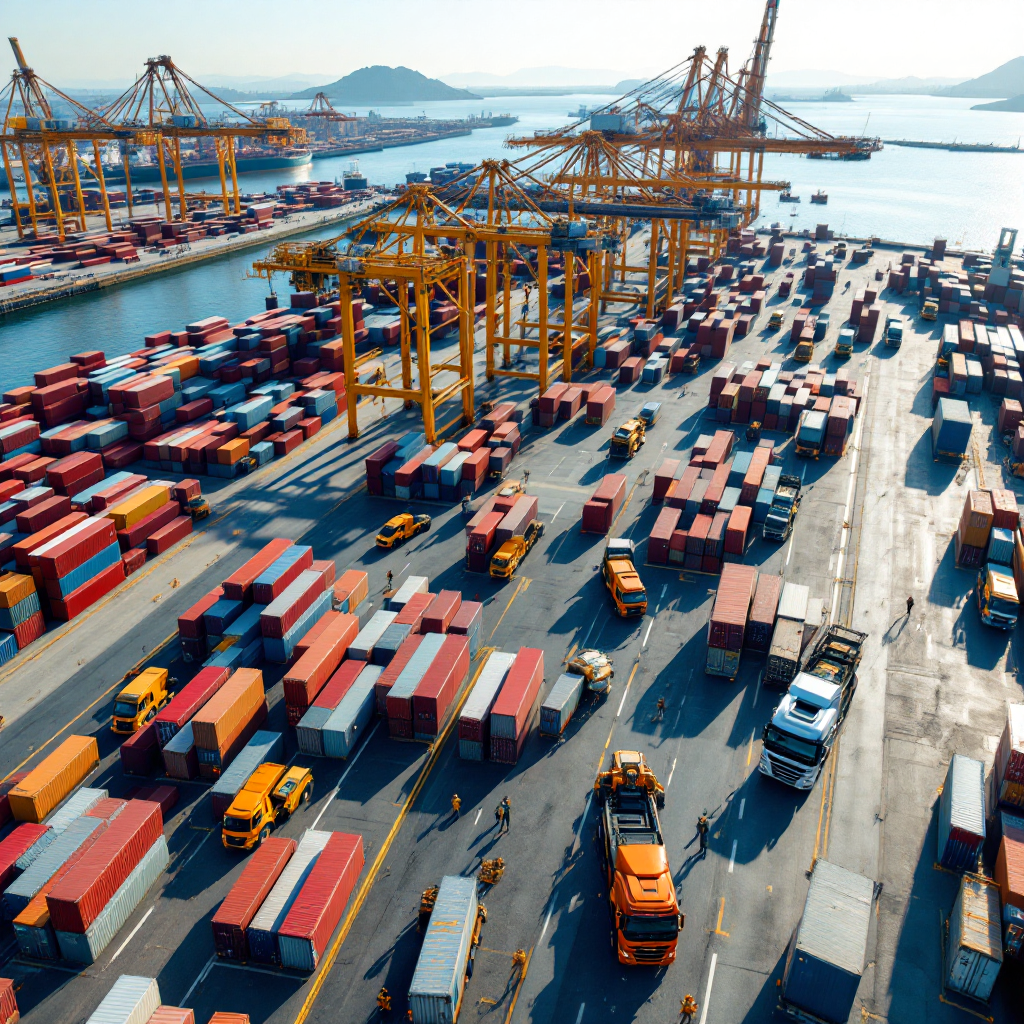
AI-driven equipment task allocation in container ports
Port operations Ports handle many tasks every day. Also, they move millions of TEU and manage tight schedules. Therefore, quay cranes, automated guided vehicles, and trucks form the backbone of most port activity. Additionally, cranes lift containers from vessel to shore. Next, AGVs and yard trucks carry those containers into the yard. Also, yard cranes […]
Container terminal yard planning decision support systems
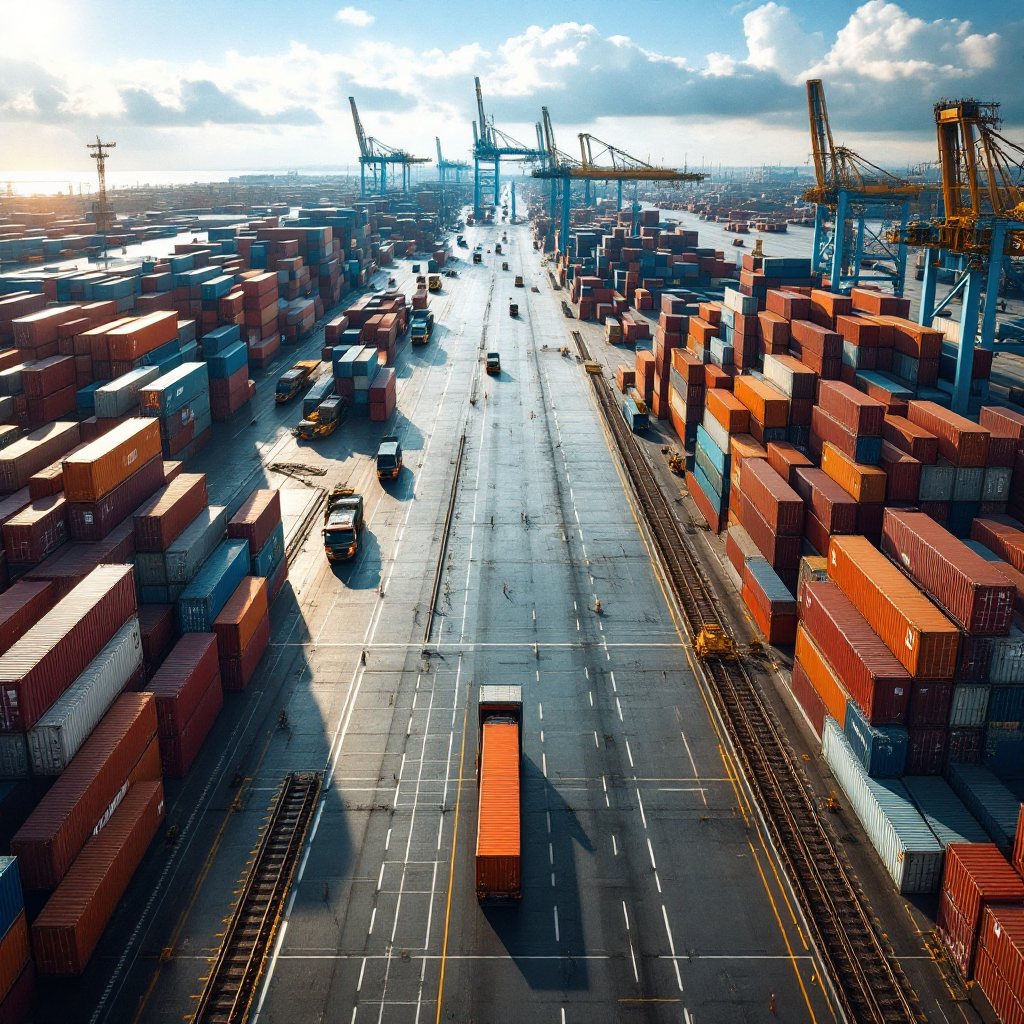
Terminal and Container Terminal Overview: Key Metrics and Infrastructure The term terminal refers to a defined port area where cargo moves between ship and shore, and where logistics connect to hinterland transport. In contrast, a container terminal focuses on handling containerized freight with dedicated equipment and layouts. First, terminals measure performance with throughput, utilisation and […]
Next generation container terminal yard planning software
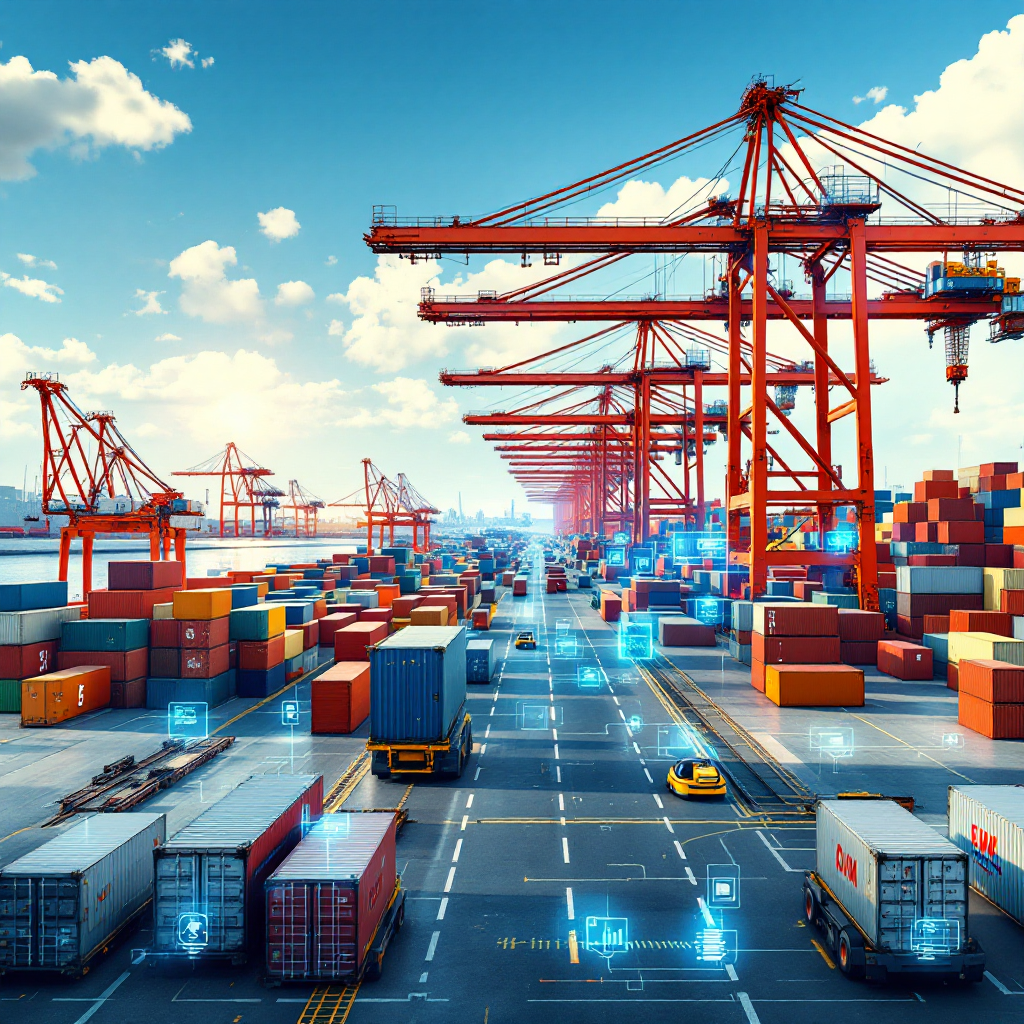
Terminal Management System: Unlock Efficiency in Container Terminal Operations A modern management system transforms how a terminal plans and runs daily work. It collects real-time data and then uses AI and machine learning to model container movement, stacking, and retrieval. As a result, teams can optimize yard planning and reduce delays. For example, ports that […]
Container terminal planning for vessel and yard integration
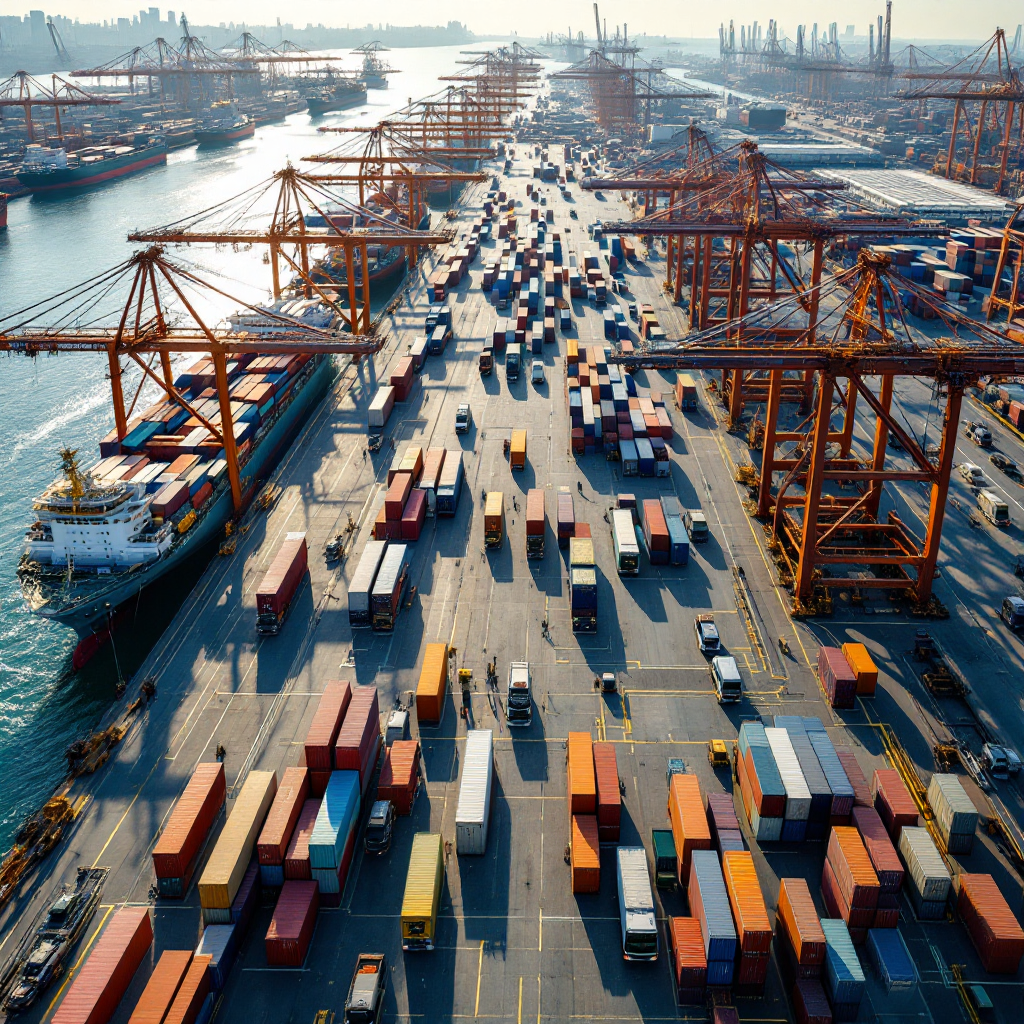
container terminal planning: Integrating vessel stowage and yard layout Container terminal planning sits at the crossroads of vessel stowage and yard layout. First, planners must coordinate ship stowage with yard STACK locations and yard truck flows. Second, they must reduce costly extra moves and speed up vessel TURNAROUND. Research shows that an integrated approach can […]
Yard crane scheduling and dispatching in port operations
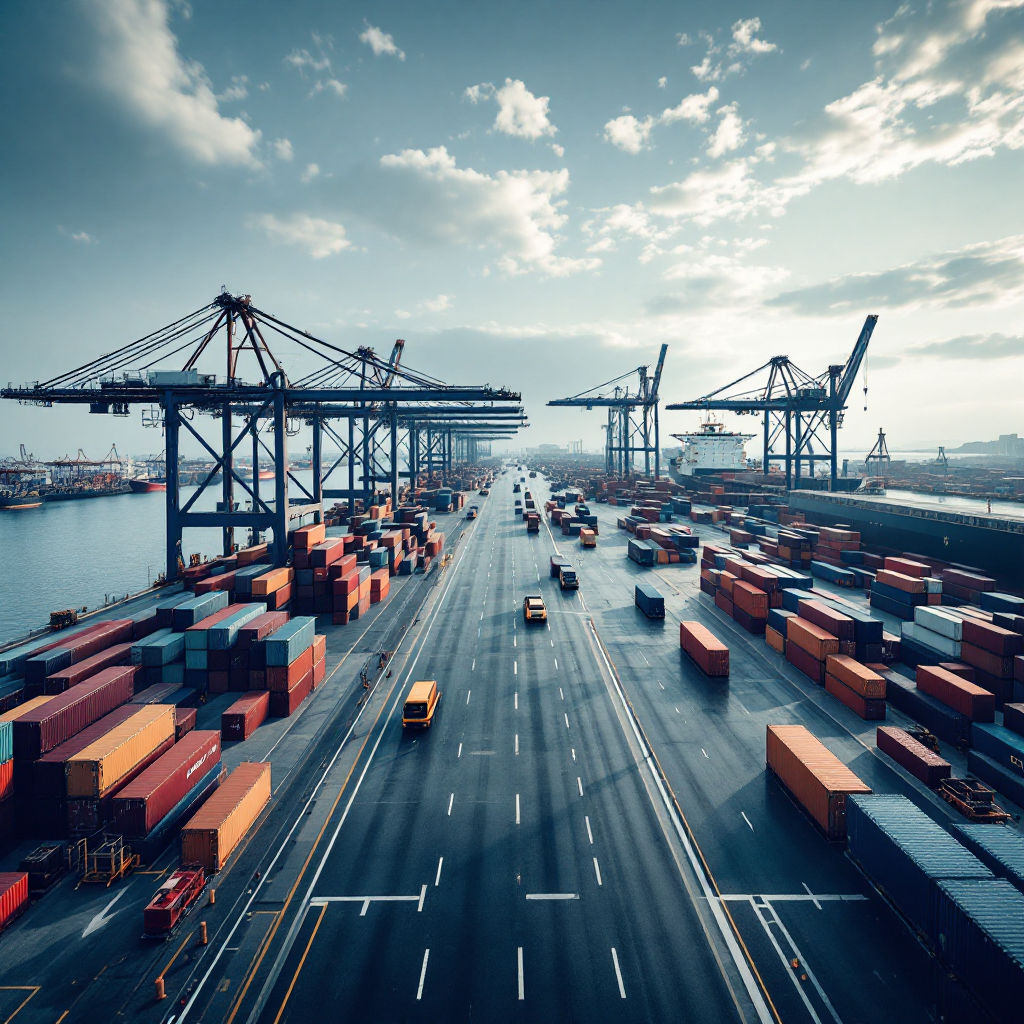
crane Operations in Container Terminals First, understand the two main crane types that shape throughput in a container terminal. Quay cranes sit at the berth and move containers between vessel and quay. Yard cranes operate inside the container yard and move containers between stacks, Yard trucks, and staging lanes. Together, quay cranes and yard cranes […]
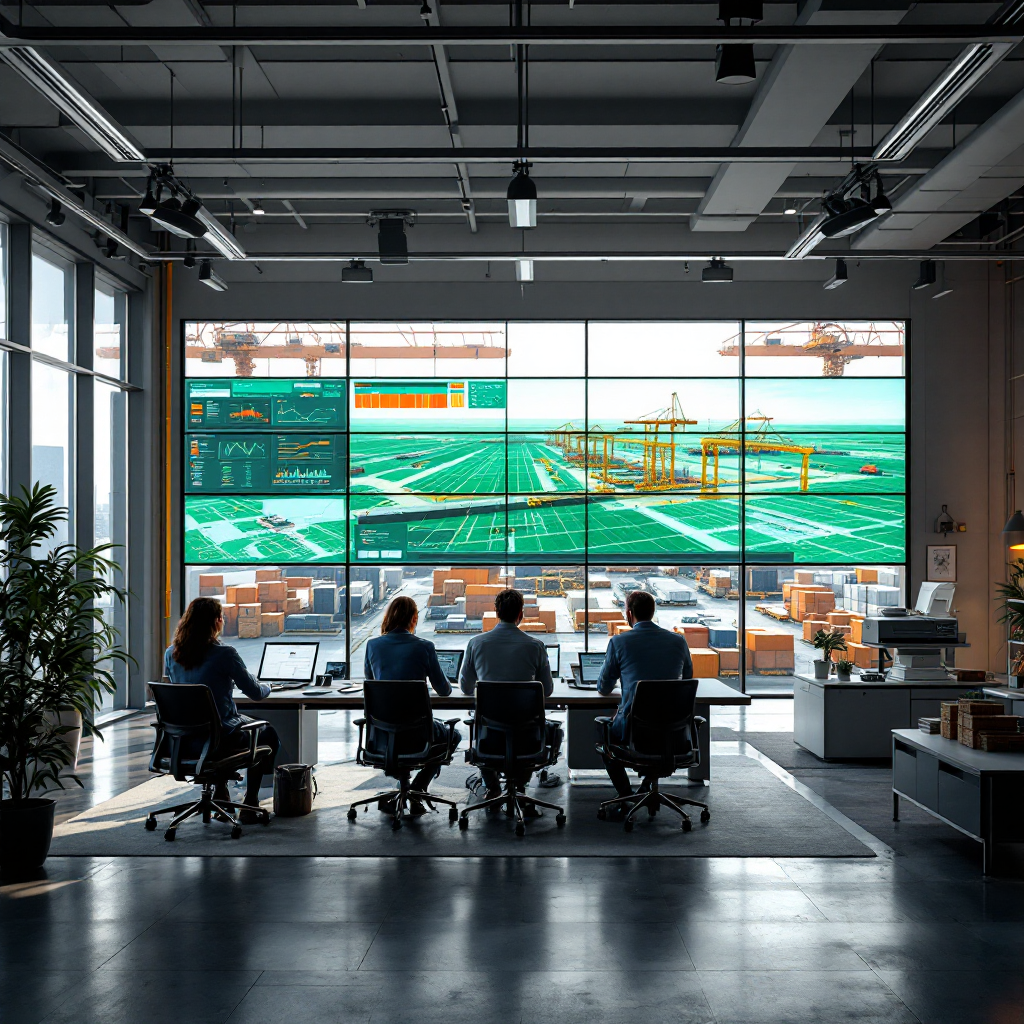
Automated stowage plan verification in container terminals
Container Terminal Operating: Challenges in Manual Stowage Plan Verification First, manual checks slow every step. Next, teams inspect each container and each slot by hand. Then, planners compare weights, destinations and special handling notes. For example, they check fragile cargo, hazardous goods and temperature-controlled freight. However, this process consumes time and attention. As a result, […]
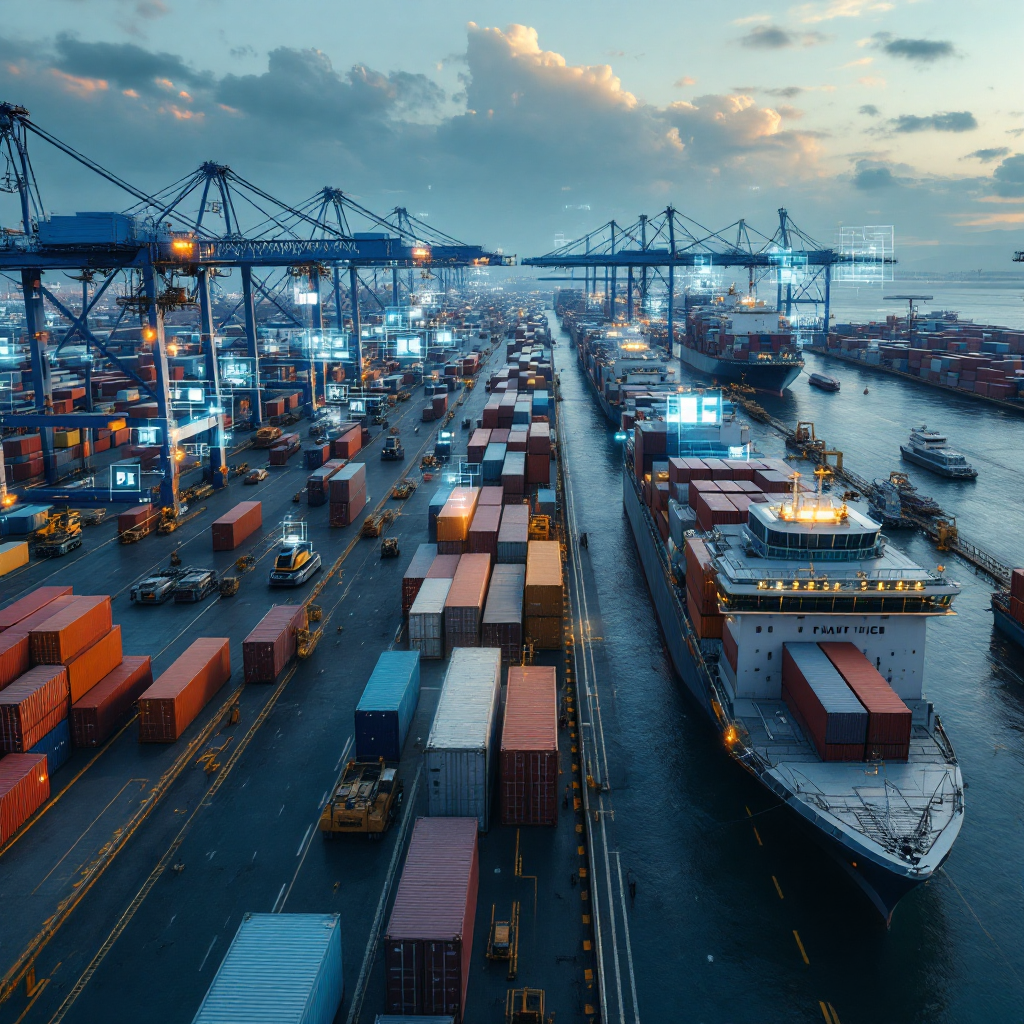
AI and PLCs transform container terminal automation
Programmable Logic Controllers (PLCs) and PLC Data: The Foundation of Container Terminal Automation Programmable logic controllers sit at the core of modern container terminal control. PLCs monitor inputs from SENSOR arrays and then drive outputs to CRANES, conveyor belts, and automated guided vehicles. They read switches and encoders, they measure vibration and temperature, and they […]
