
Category: Uncategorized

Real-time Container Terminal Yard Optimization Strategies
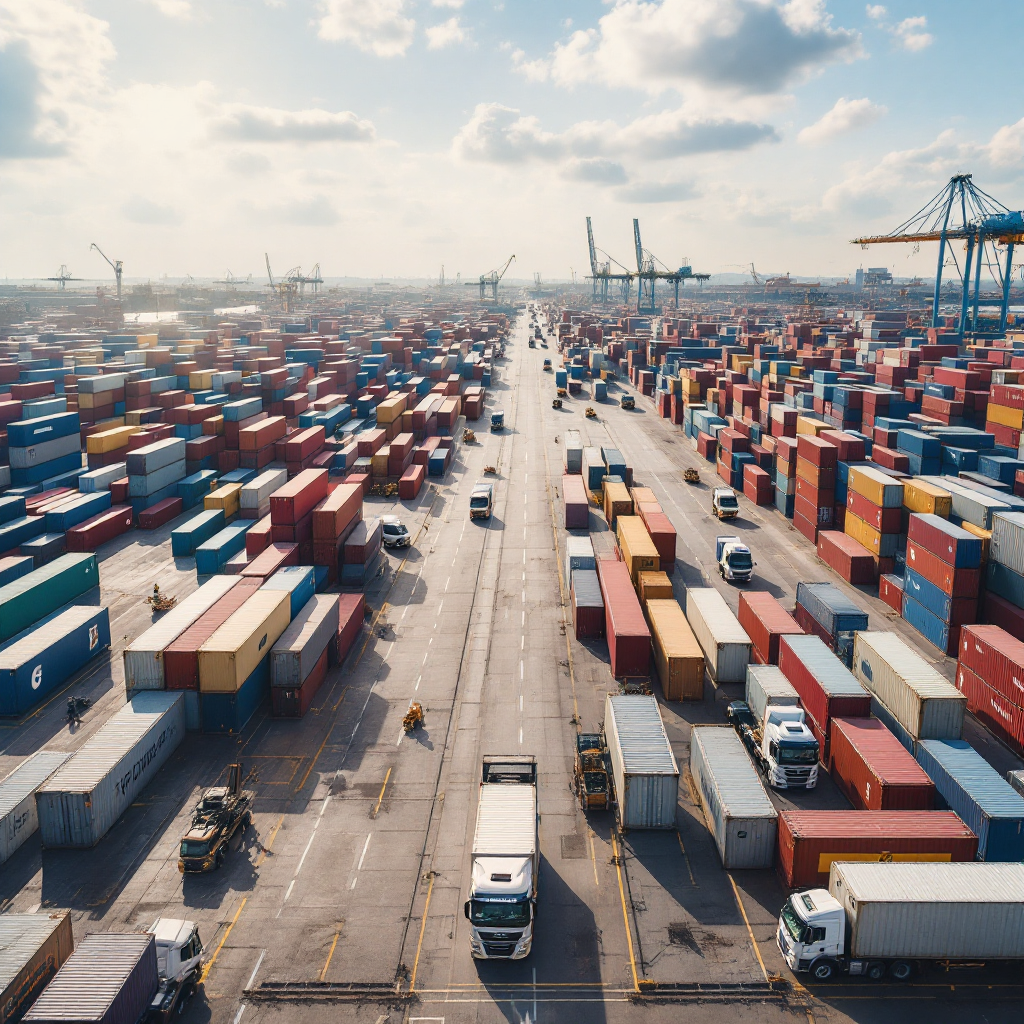
Understanding container terminal operations The container terminal sits at the heart of the global supply chain. It receives cargo, stores containers, and moves them for onward transport. In the world of container terminal planning, the terminal ties ships to road and rail. Terminal operators coordinate vessel berthing, gate processing, and yard work so that loading […]
Optimising empty container repositioning in inland terminals
empty containers: Understanding Trade Imbalances at Inland Terminals Empty containers are the backbone of global container logistics. They return to the network after goods discharge and then wait for the next export. First, they act as movable storage and second, they enable exporters to meet seasonal surges. As a result, operators track their location, condition, […]

Haulier predictions to reduce container port congestion
Understanding causes port congestion in a container port environment Port congestion describes the situation when truck flows, container moves, and ship calls exceed handling capacity at a container port, and this reduces terminal throughput and raises costs. For terminals, congestion causes longer queues, slower container handling, and unpredictable berth windows. Gate queues form outside the […]

Reducing driving distances in container port operations
Port Layouts: Designing for Minimal Travel Designing a port to minimize travel starts with a compact plan. Shorter routes between quayside operations and storage reduce average equipment journey lengths and speed handling cycles. For example, terminals that cluster related operations report faster container exchanges and shorter truck turn times. The idea is simple: group cranes, […]
Container terminal productivity improvement strategies
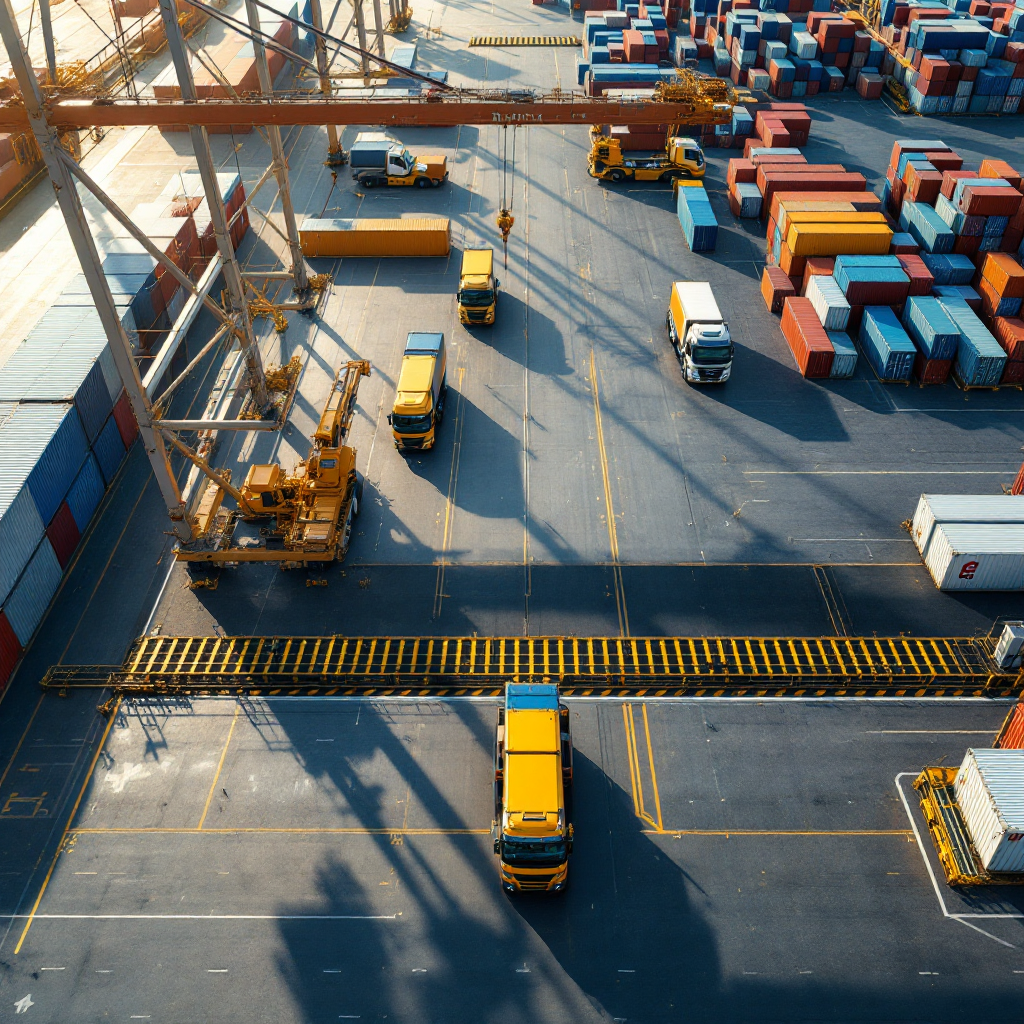
Bottleneck in container terminals Ports face a common bottleneck that slows the flow of boxes and increases costs. First, vessel turnaround time dominates daily rhythm at the quay. Second, yard congestion creates stacking conflicts and extra moves. Third, gate delays generate long truck queues and idle labour. Together these constraints reduce throughput and raise operational […]

AI-enhanced container terminal truck appointment system
AI-Enhanced Container Terminal: Scheduling Software and Terminal Gate Management Traditional container terminal workflows struggle with long queues, unpredictable arrivals, and under-utilised capacity. For example, terminals often face peaks where the number of trucks overwhelms gate staff. As a result, gates slow down and truck idling increases. However, AI changes the pattern by forecasting when a […]

Integrating container stowage plan and yard operations
container – Overview of Container Stowage and Yard Planning Integration Container stowage planning and yard operations shape the speed and cost of modern container flows. Container stowage defines how containers sit on a vessel to balance stability, weight, and accessibility. Yard operations cover how containers arrive, sit, and move within the terminal yard. When these […]

Smart port solutions for midsized inland container terminals
port infrastructure and terminal operations in inland container terminal Mid-sized inland port terminals act as connectors between seaports and hinterland markets. They move freight from large port hubs to regional destinations. First, they relieve congestion at coastal ports. Second, they knit multimodal links that keep supply chains fluid. For mid-sized operations, the balance between space, […]

Reducing crane idle time in deepsea container ports
Literature Review of Quay Crane Idle Time in Port Operations Research on quay cranes makes clear that idle time reduces throughput and raises costs. For example, UNCTAD data shows that output loss due to idle hours can average about 13.3% of net crane output, which directly affects how a port performs and competes (UNCTAD). Also, […]

Digital transformation roadmap for container port terminals
Integration of IT Infrastructure and Legacy Systems Start by mapping legacy systems and data sources. First, assess which legacy systems hold the most critical operational records. Next, document gaps in interfaces, protocols and data models. Then, prioritize assets that block real-time data exchange. A clear mapping helps teams decide where to integrate and where to […]
