
Category: Uncategorized
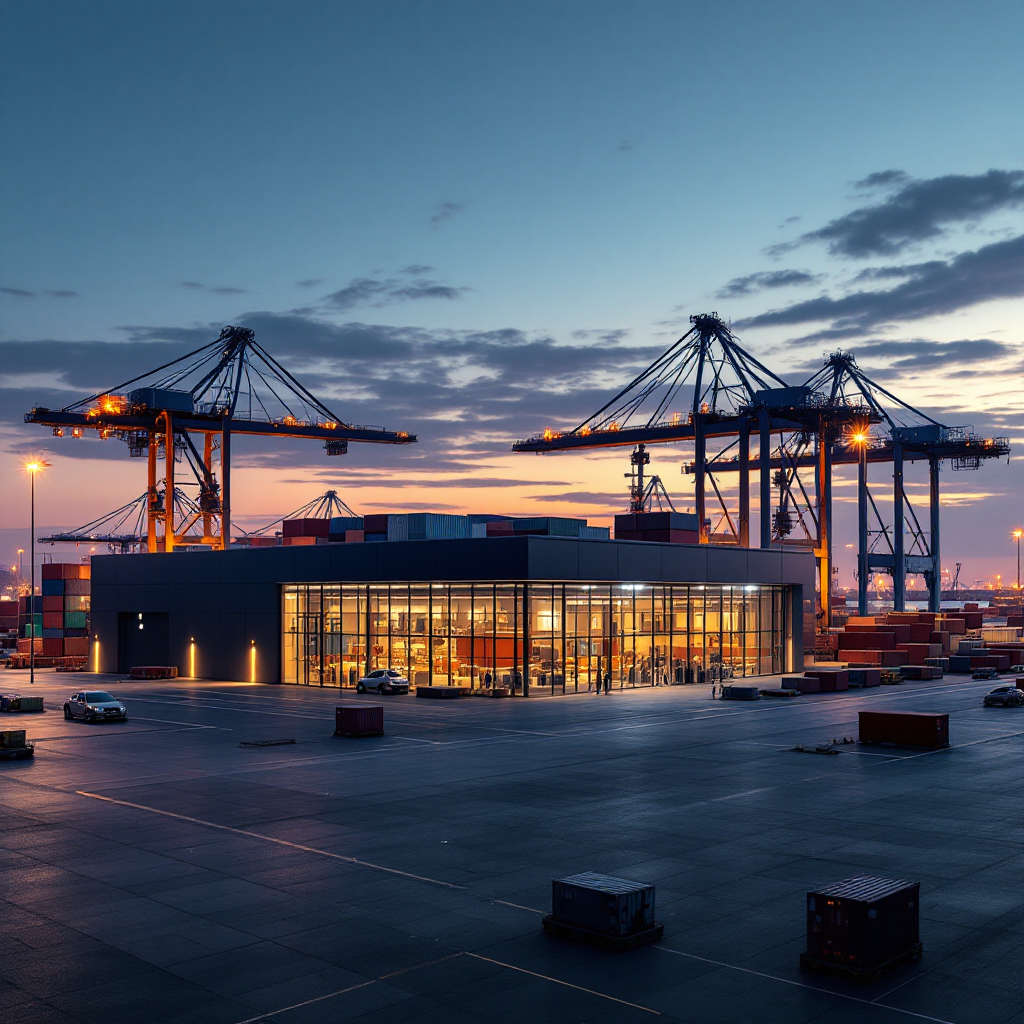
Digital twin and AI for smart port terminal operations
digital twin and AI in port facilities: an overview The digital twin concept creates a rich digital model that mirrors physical port systems. For ports, a digital model links sensors, control systems, and operational databases to a live virtual replica. This replica helps teams see what is happening in real time and test choices safely. […]
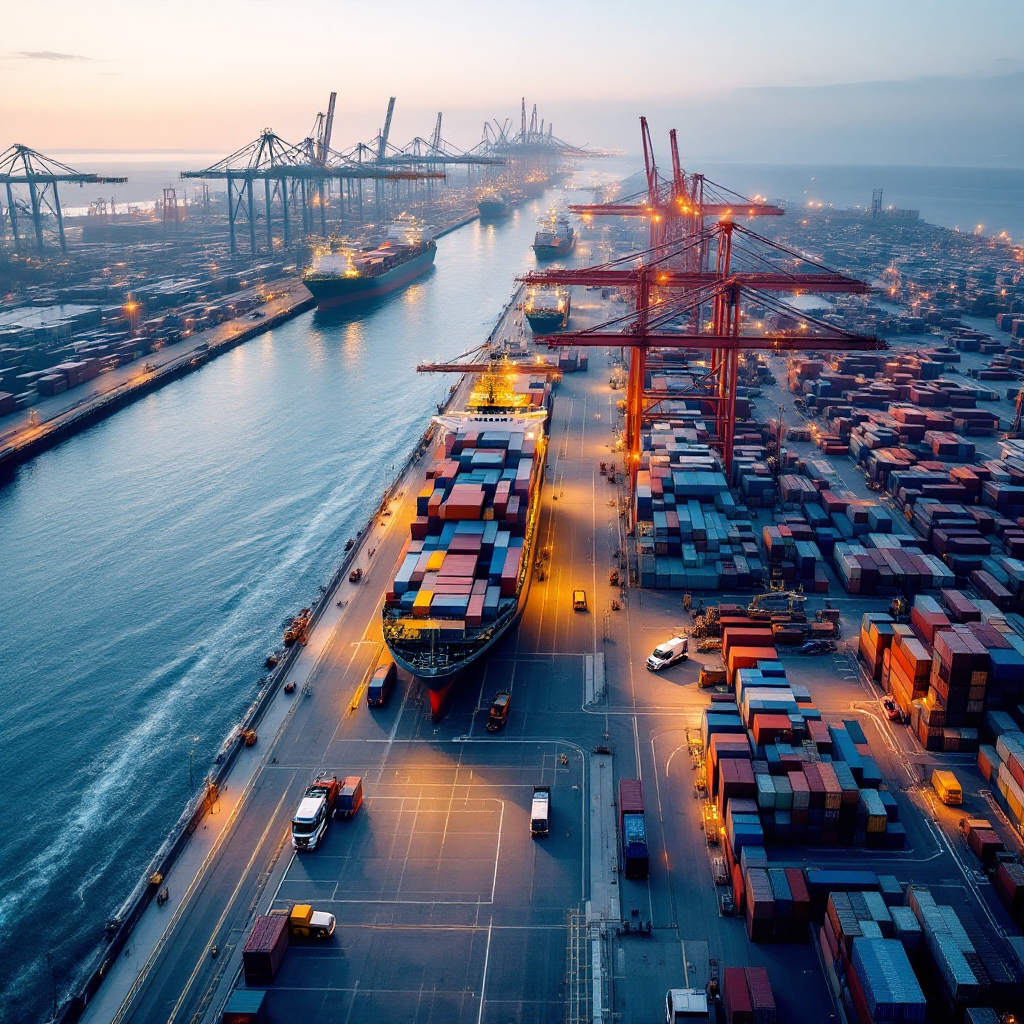
Crane scheduling at deepsea container ports
Overview of Multi-Vessel Crane Scheduling Optimisation Multi-vessel crane scheduling optimisaton addresses how to assign QUAY EQUIPMENT to several ships that share a berth or adjacent berths. In deepsea container ports this task steers vessel turnaround and container throughput and it links berth allocation with crane work. The core idea is simple and the challenge is […]
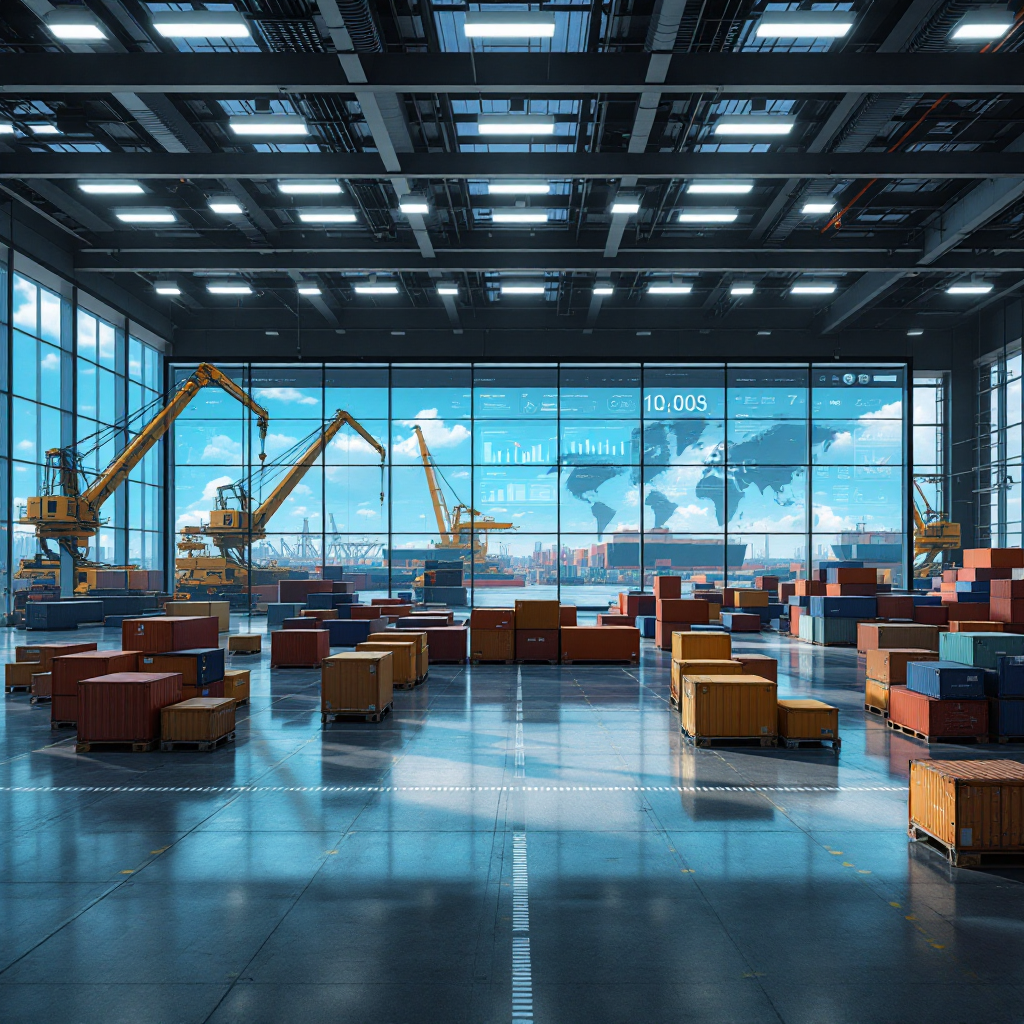
Predictive analytics in container port logistics
The Role of predictive analytics in logistics at container ports First, predictive analytics transforms how a port plans and acts. Specifically, historical and real-time data feed machine learning algorithms and train predictive model that forecast arrival times, berth windows and equipment needs. Consequently, terminals can reduce idle crane time and improve resource allocation. For example, […]
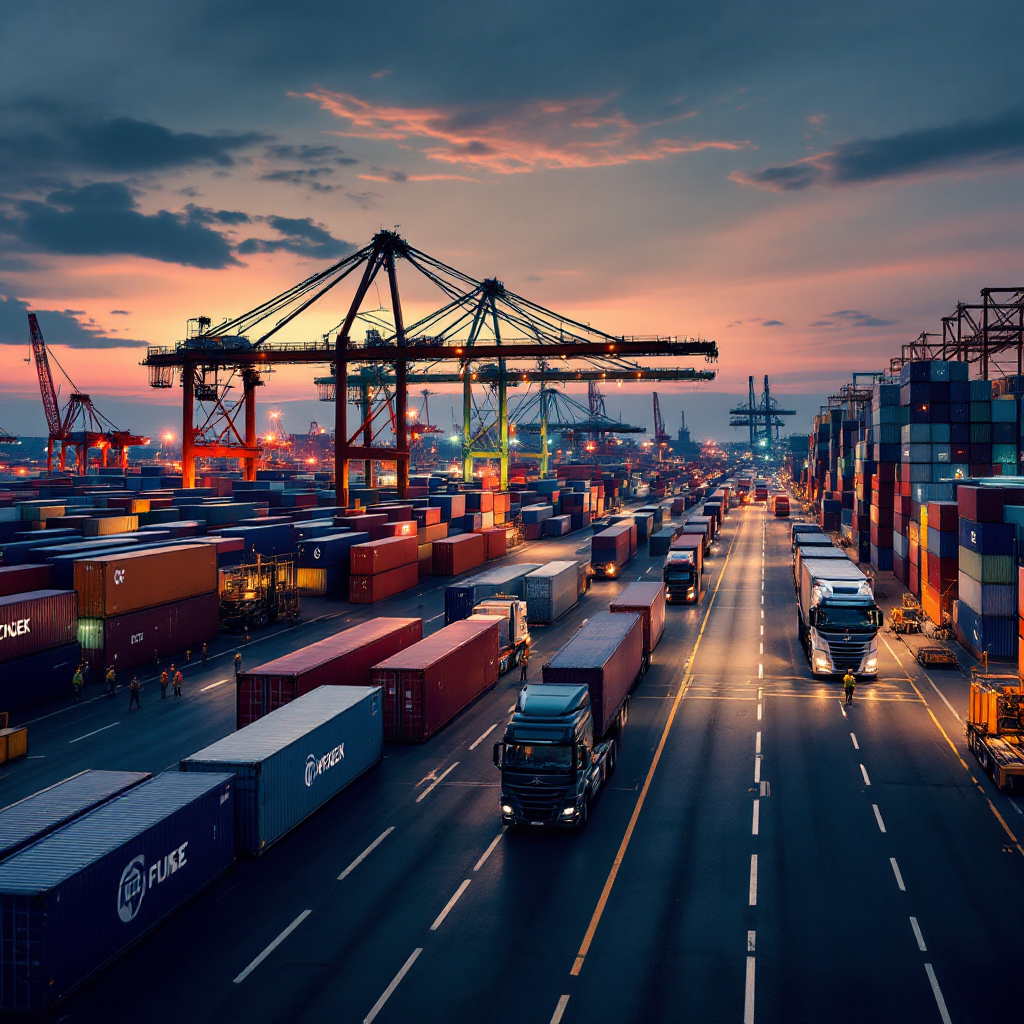
Container terminal housekeeping strategies for peak hours
1. Peak seasons: Understanding Terminal Strain During Peak Seasons Global trade surges during seasonal windows create real pressure on yard layouts, equipment and personnel. For example, short Q3 and year-end surges can drive a 15–25% increase in container volumes in a few weeks. This sudden demand often triggers longer vessel wait and more congestion. If […]
Solving container matching problem in container terminals
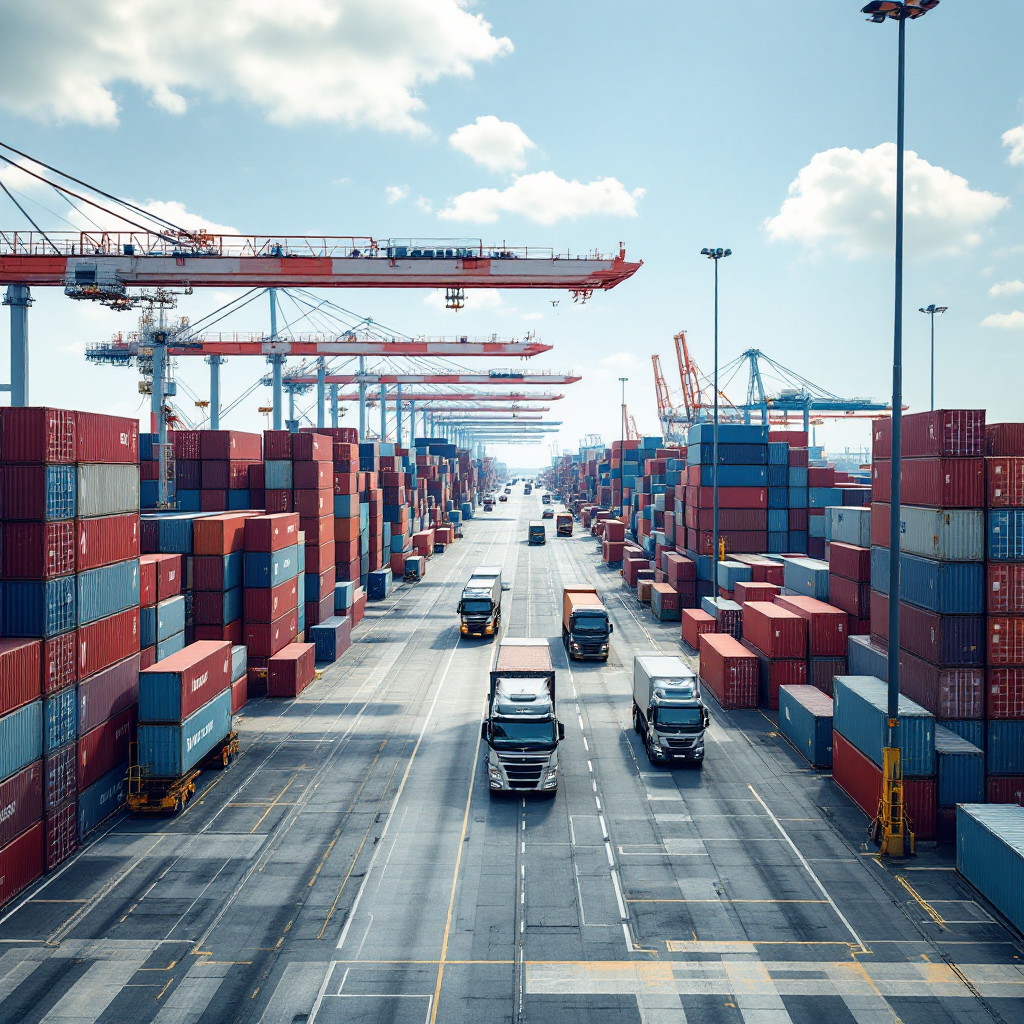
container scheduling problems in container terminals The container matching challenge asks operators to pair inbound flows with outbound demands so operations stay efficient and resilient. First, this problem affects terminal throughput directly, and thus it affects shipping schedules, trucking networks, and supply chains. Second, delays at the gate and in the yard cascade quickly. Third, […]
Cloud-based yard management software for terminal operations
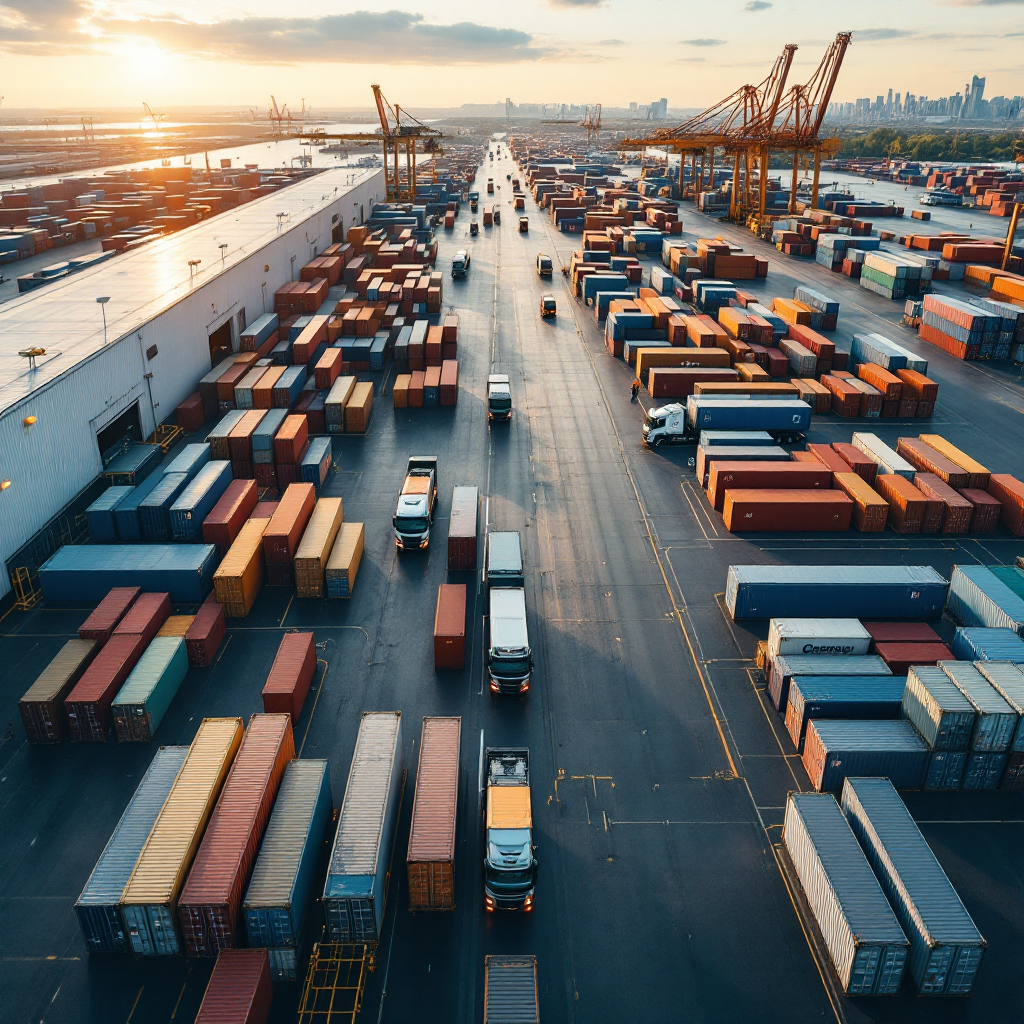
cloud-based yard management software in terminal operations Cloud-based yard management software helps terminals run complex yard activity with speed and accuracy. It combines data, automation and human decision-making on a hosted platform. For terminals this means immediate access to real-time data and centralized controls, whether operators are on site or working remotely. As a result, […]
Container terminal yard productivity improvement techniques
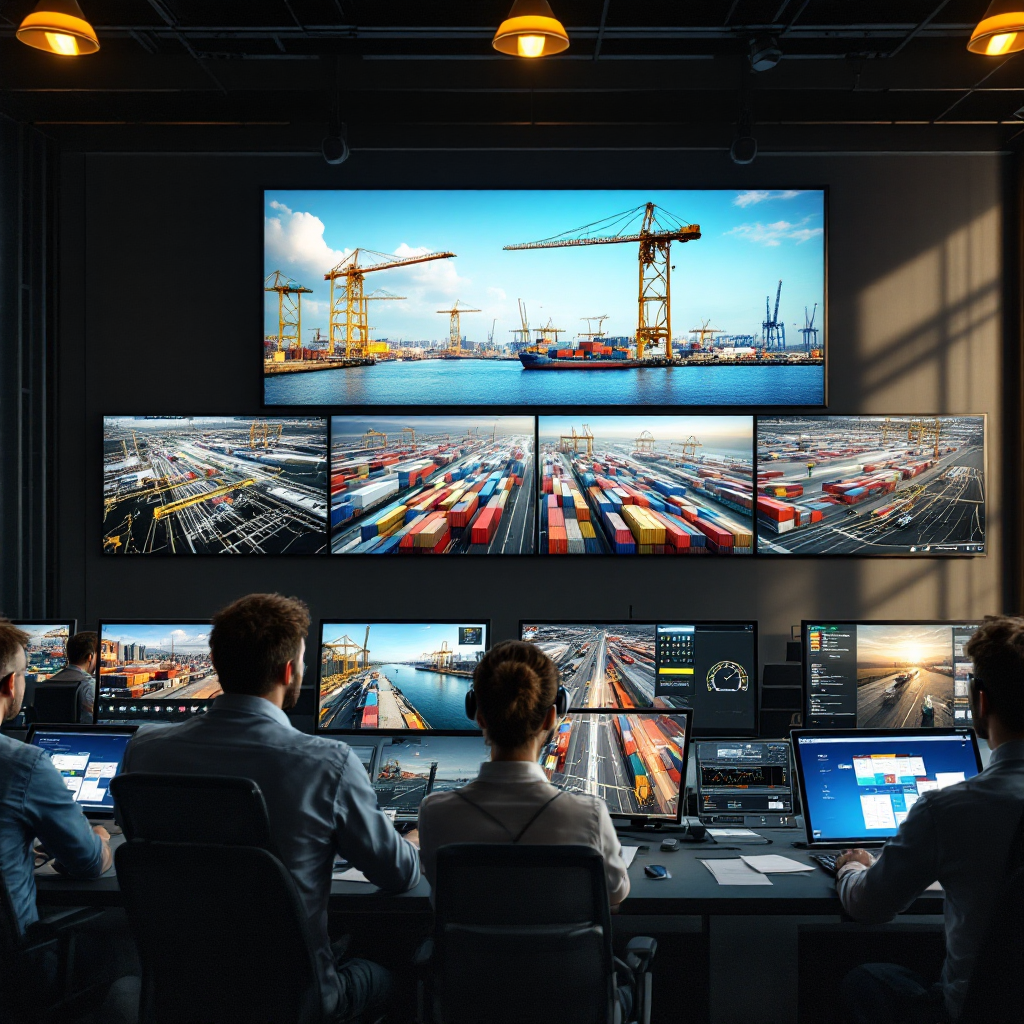
Literature Review of Container Terminal Efficiency In this literature review we define an inland container terminal as a logistics node that links MARITIME CONTAINER TERMINALS and hinterland transport. An inland node receives containers from container ships at a port and moves them by rail, truck, or inland waterway into a storage yard or onward in […]
Predictive analytics for port operations yard congestion
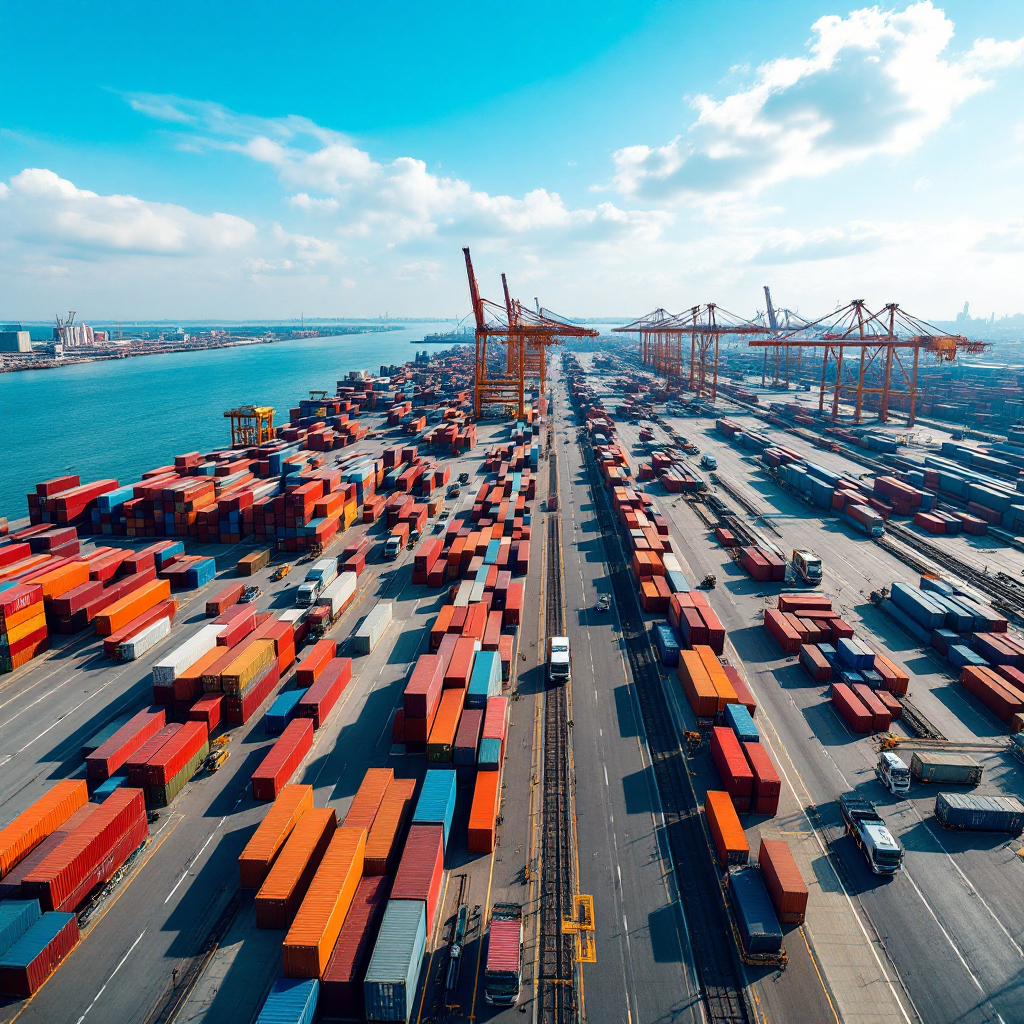
port congestion: causes and consequences Port congestion occurs when vessel calls and container moves exceed available yard space and handling capacity. It happens at specific port complexes and at dry port hubs. When this happens the yard fills. As a result berth slots slip. Consequently vessel stay and container dwell time rise. This increases operational […]
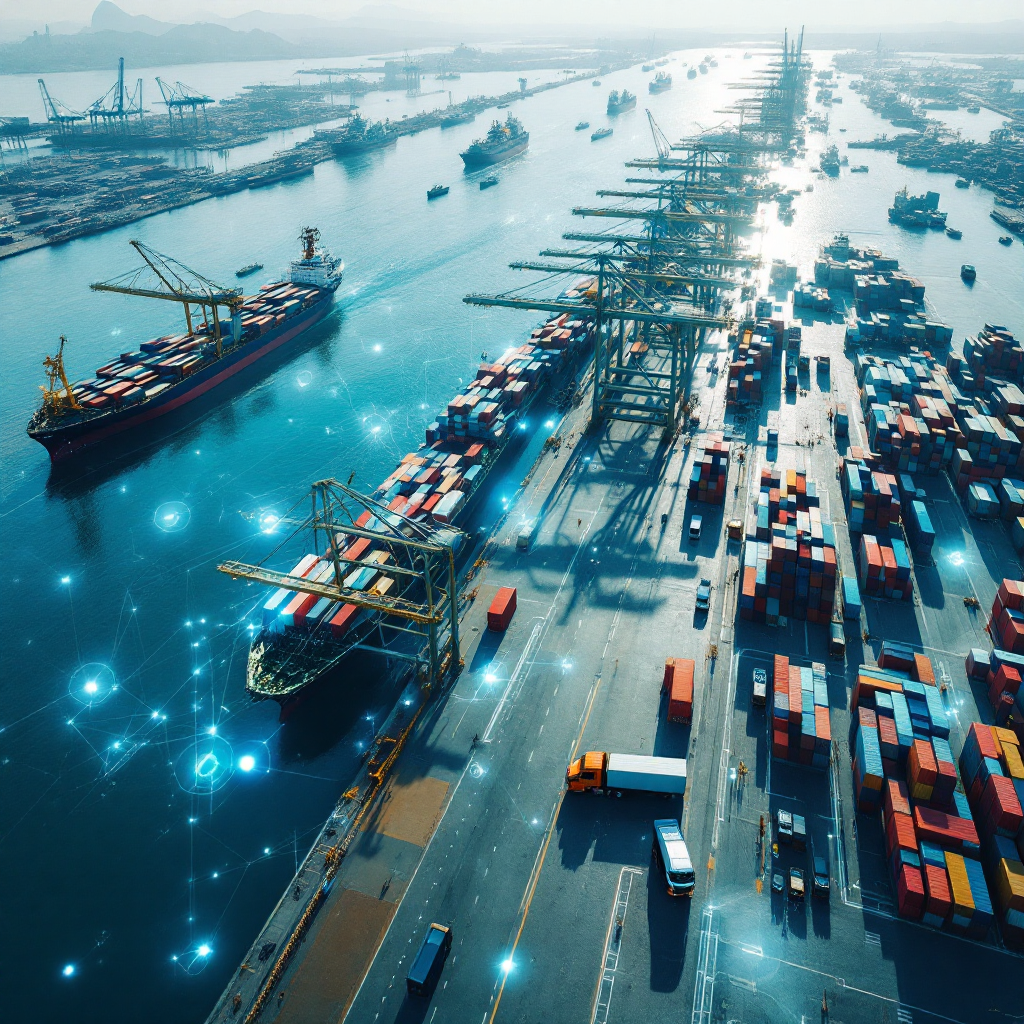
Deepsea simulation software for container port planning
simulation model and digital twin for container terminal planning A simulation model and a digital twin work together to recreate real-world port operations in a virtual setting. In practice, a digital twin is a live, data-driven replica of physical assets and workflows. It mirrors vessel movement, quay activity, yard stacking and gate flows. The model […]
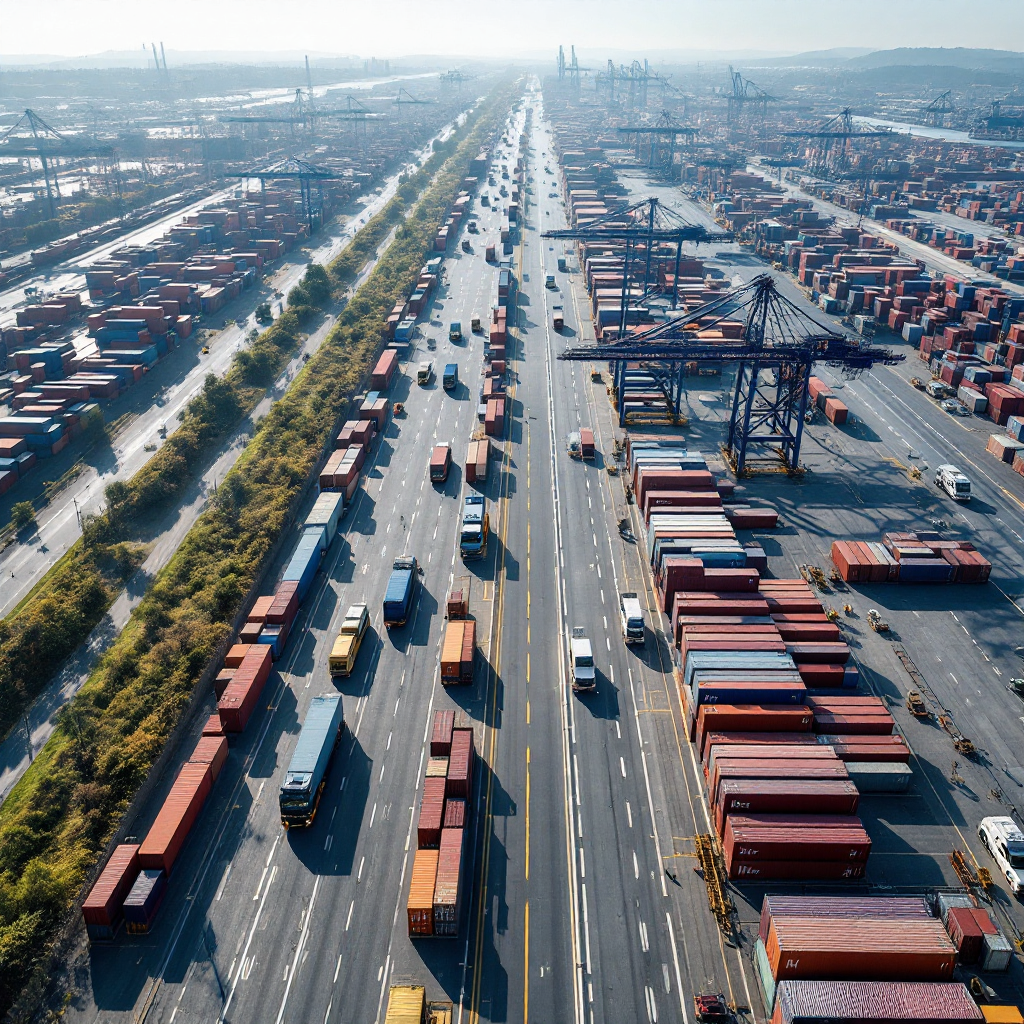
Container terminal throughput: impact of inland yard density
container terminal yard density and inland port fundamentals Yard density describes how tightly containers, equipment and lanes occupy yard space in an inland container terminal. It measures containers per square metre and average stacking height. For planners and operators the metric links directly to handling speed and turn times. First, yard density sets limits on […]
