
latest news
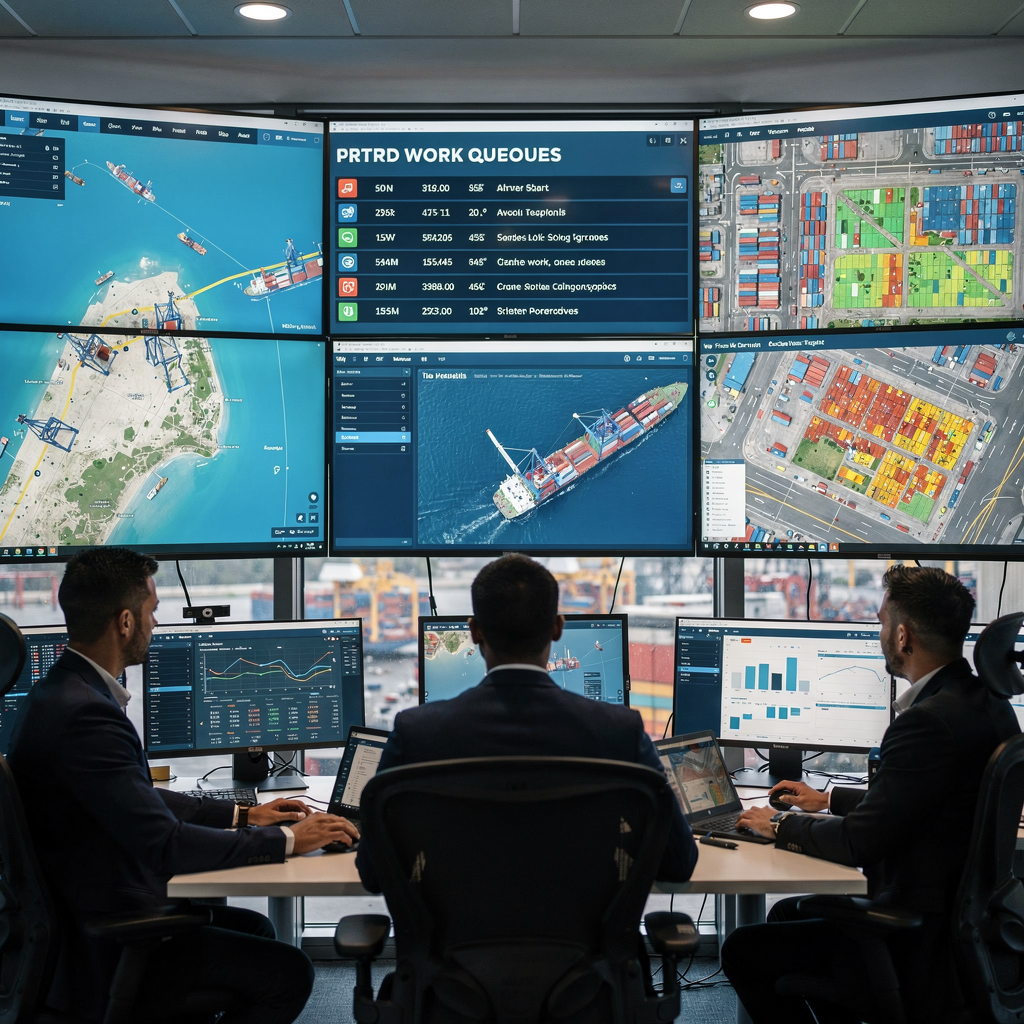
AI-powered port optimization for deepsea container terminals
Introduction: Role of AI in Modern Container Terminals AI stands for Artificial Intelligence, and it refers to software that learns, reasons, and acts on data. In modern container terminals, AI helps operators predict congestion, route containers, and schedule equipment. The role of AI in modern container terminals often centers on faster, safer, and more consistent […]
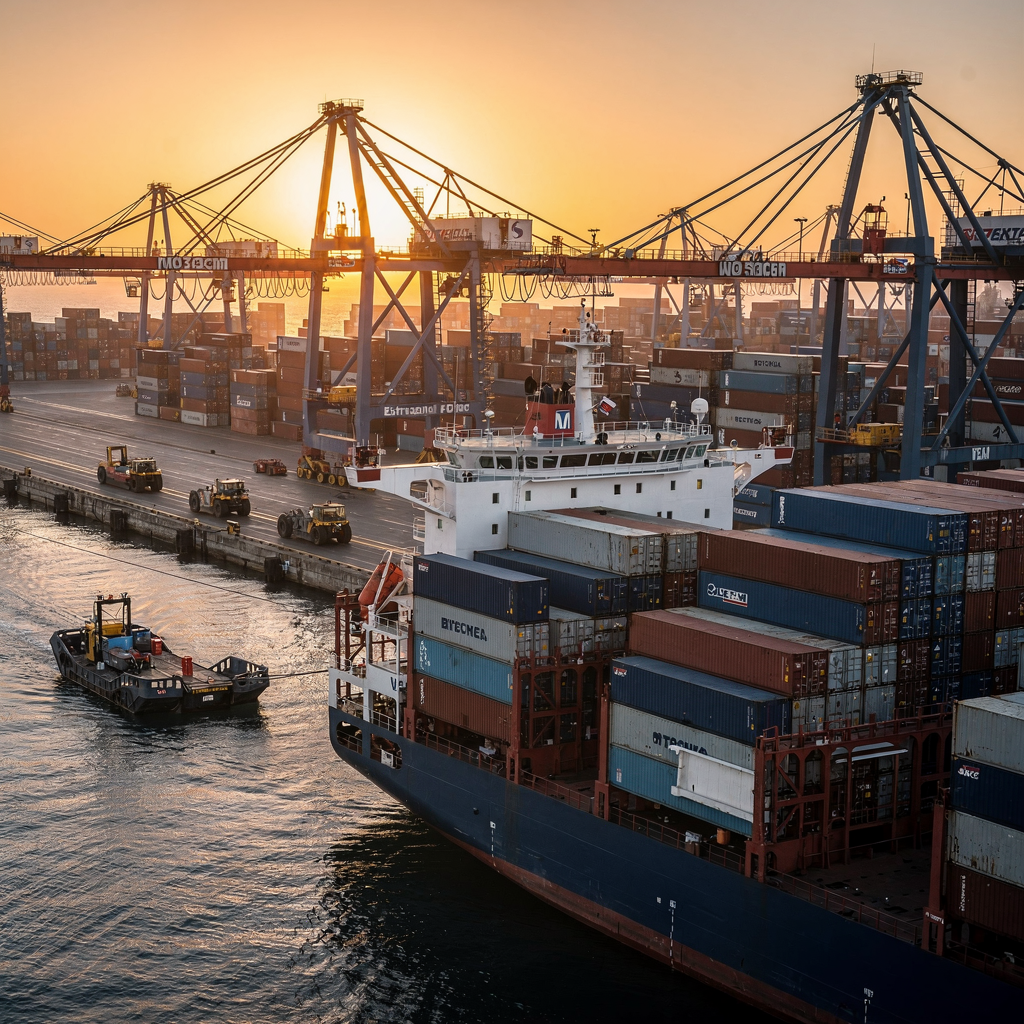
AI in Container Terminals Improves Port Crane Rates
Introduction to port ecosystem and container terminal operations The port ecosystem supports global trade and local economies, and it relies on fast, reliable processes. In a busy port, cranes load and unload ships, trucks move containers, and yard crews stage loads. The gross crane rate (GCR) measures container moves per crane per hour and it […]
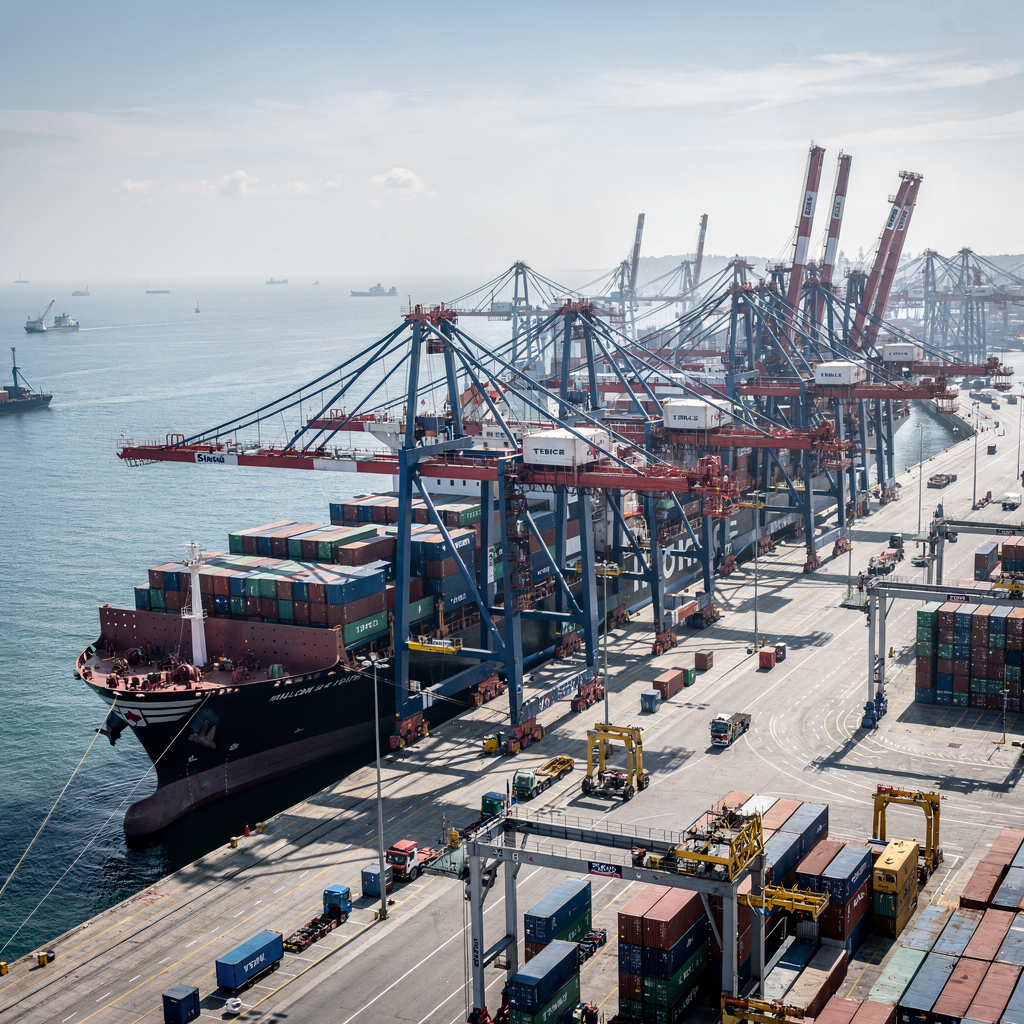
Quay crane algorithm for container terminal productivity
Container terminal challenges in quay crane scheduling The quay crane scheduling problem sits at the heart of berth management. In a busy port, terminal planners must coordinate loading and unloading for multiple container ships while avoiding interference among cranes and yard services. The term QCSP sometimes appears in research focused on sequencing and resource allocation. […]
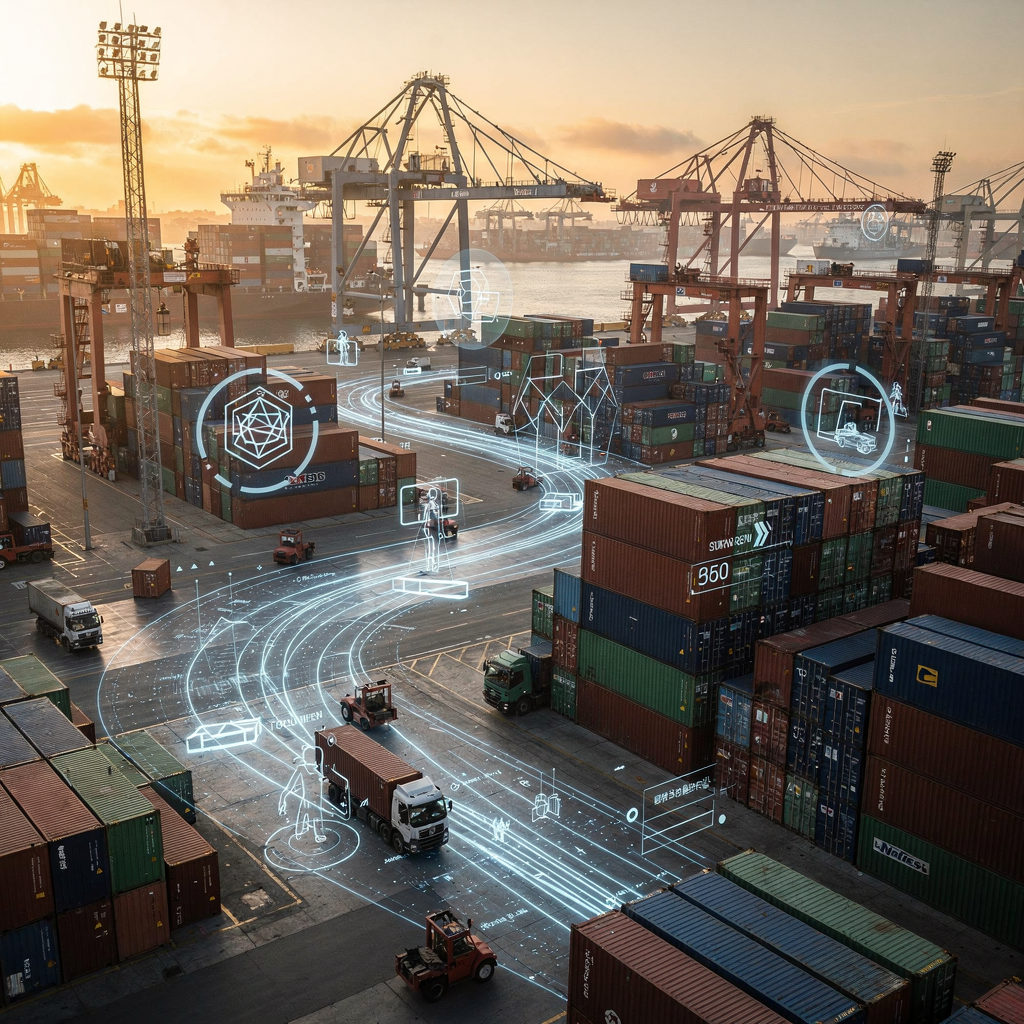
Predicting yard congestion in terminal operations
congestion crisis at the container port The word CONGESTION sums up a growing crisis at many modern container port and terminal gateways. First, define yard congestion: it happens when container storage and handling spaces reach high density and cannot absorb incoming flow. Then, stacking, limited berth space, slow truck gates, weather, labor shifts and imbalanced […]
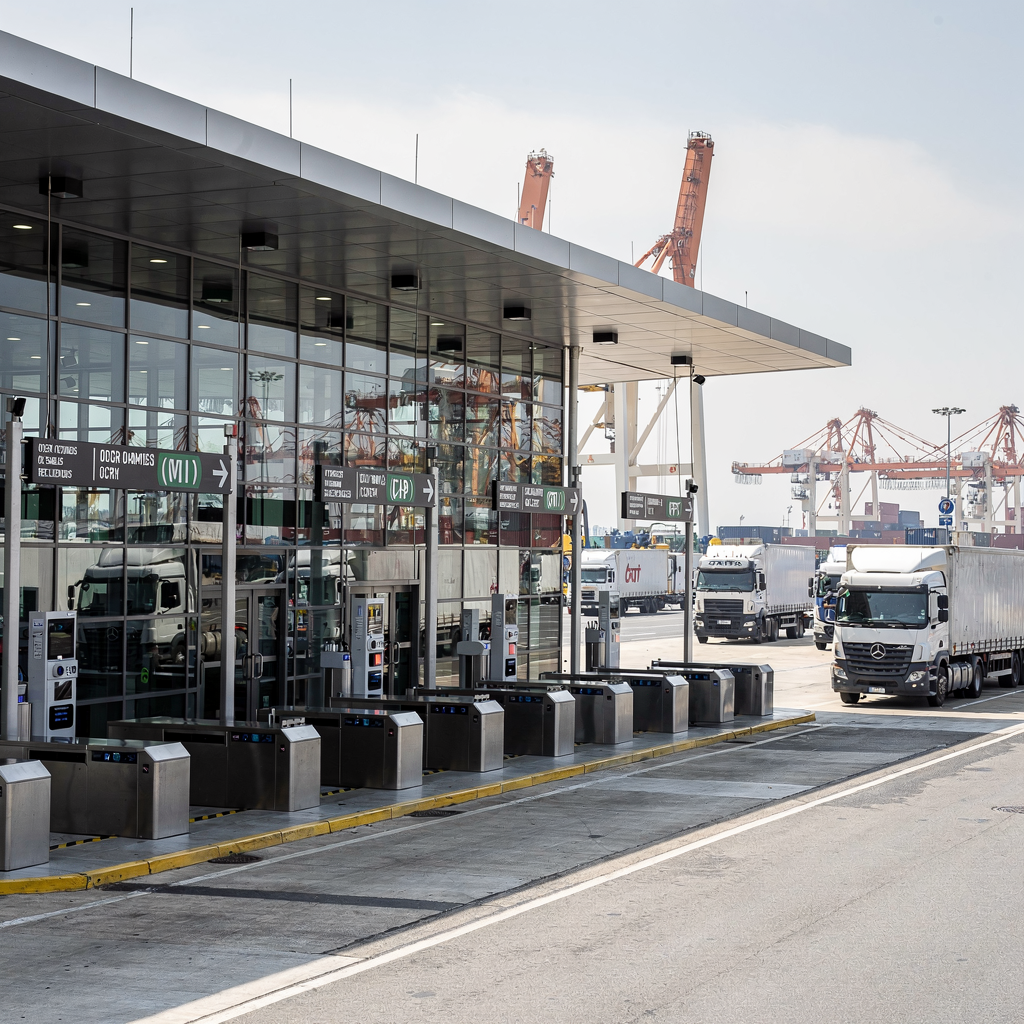
Container terminal gate optimization explained
terminal Gate Operations: Defining the Bottleneck The gate sits at the edge of the yard and controls the flow of trucks and cargo between the terminal and the wider logistics network. In practice the gate does more than scan paperwork. It manages identity checks, container inspections, and yard allocation that match incoming vehicular traffic to […]
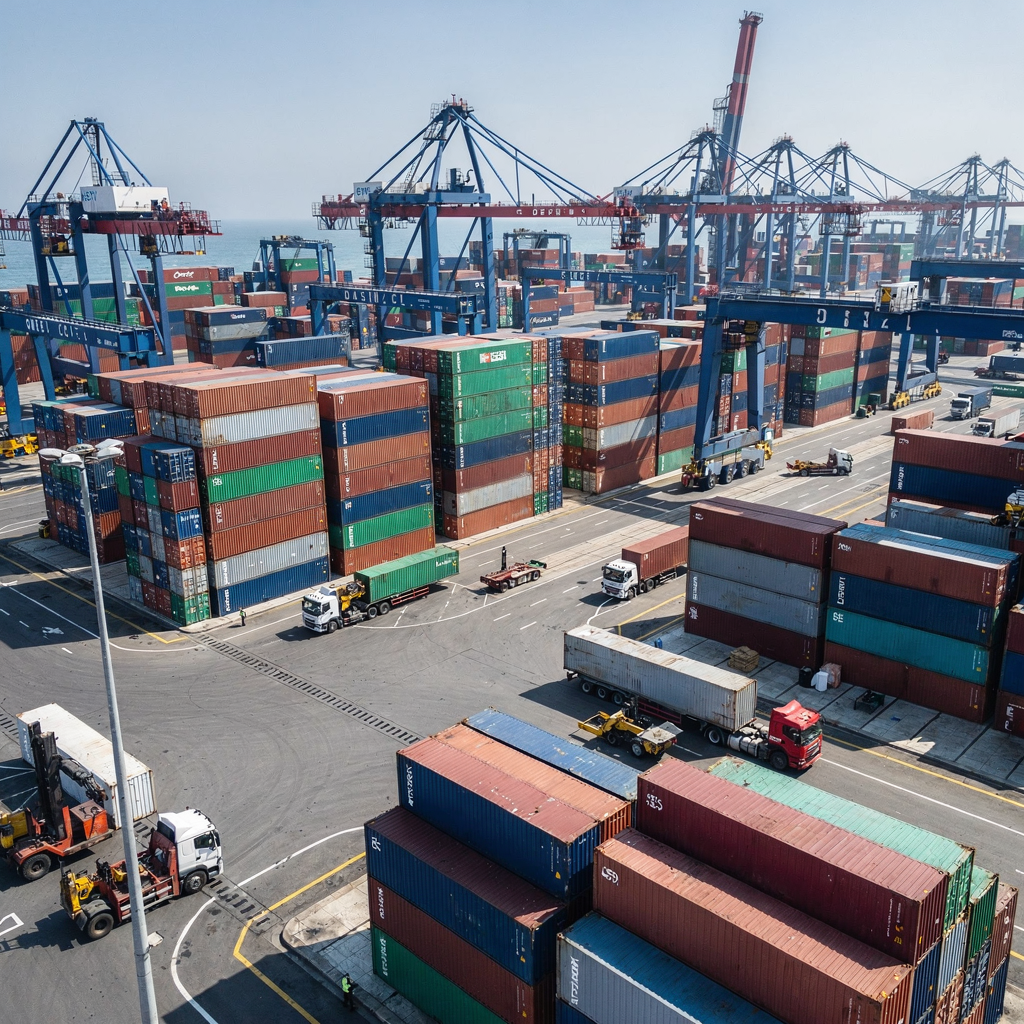
Energy efficient job allocation in port operations
port: overview of global container terminals and energy footprint First, a port is a node in global logistics that handles the movement of goods by sea. In a simple view, a port links ships, trucks, rail and warehouses so that cargo moves from vessel to hinterland. In practice, a port manages berths, cranes, yards, gate […]
