
latest news
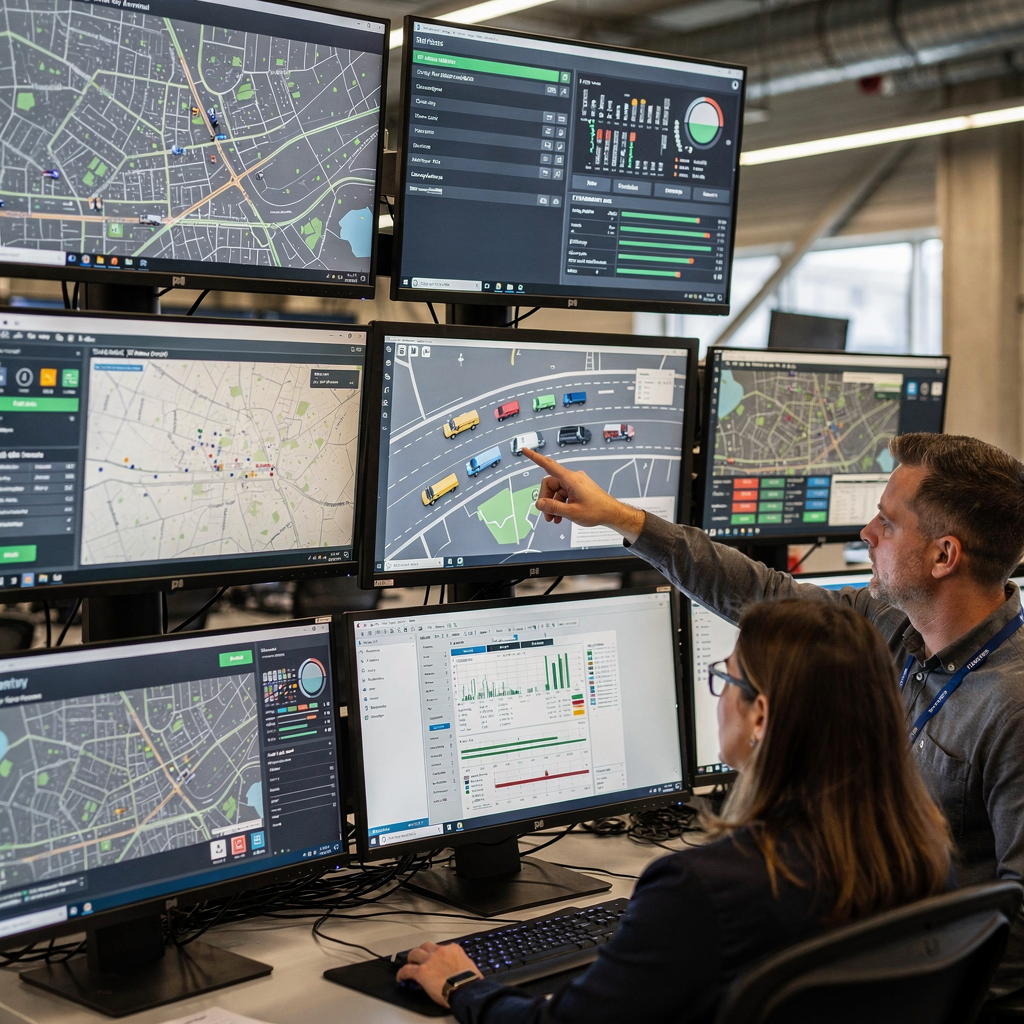
Replanning for disruption in maritime container ports
Container shipping: Introducing dynamic internal transport replanning Dynamic internal transport replanning adjusts the flow of equipment, vehicles, and staff inside a port to respond to unexpected events quickly. It matters for container shipping networks because these networks link vessels, terminals, and hinterland modes. The process uses sensors, tracking, and decision logic to change moves, routes, […]
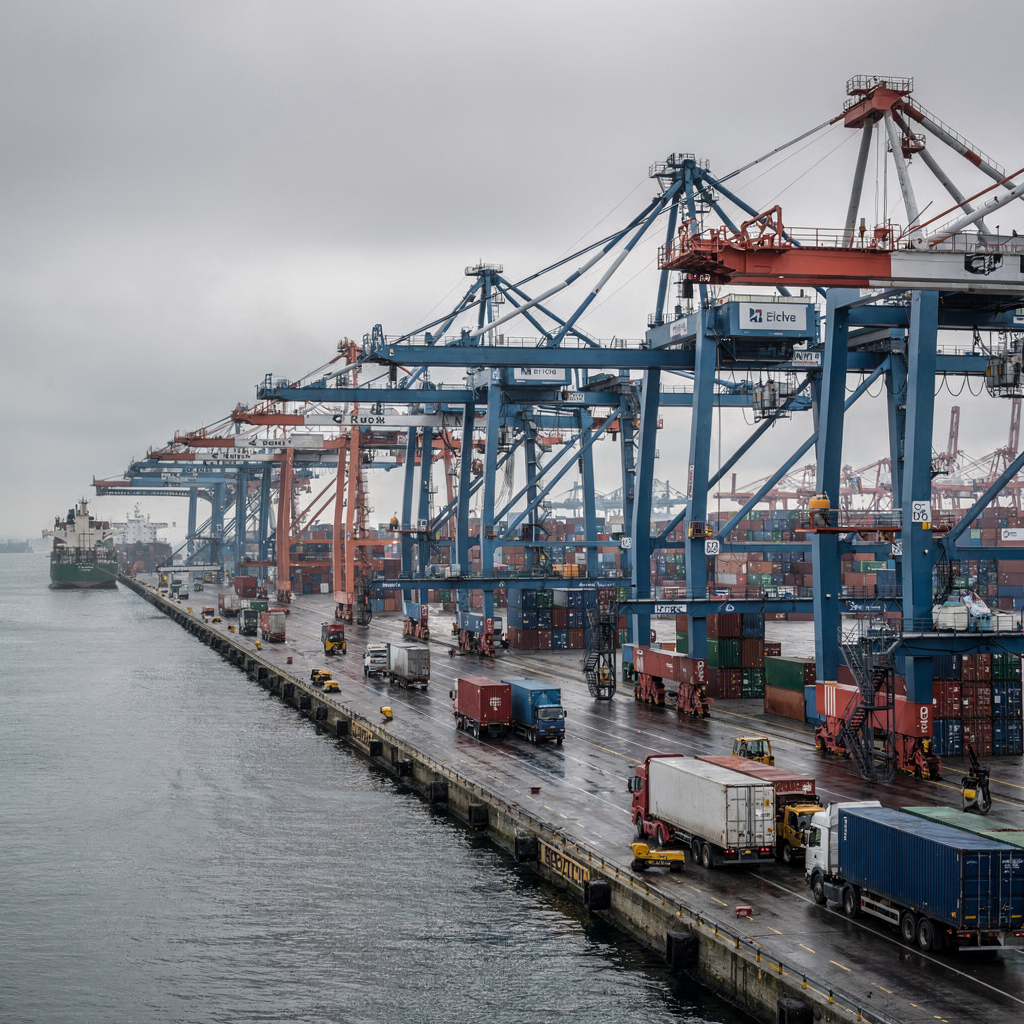
Crane workload with genetic algorithm at container terminal
Literature Review of Crane Operation in Container Terminal The literature review on crane operation in modern container terminal settings spans scheduling, allocation, and control. First, researchers have compared sequential versus parallel workflows and measured how those choices affect service. A key finding shows parallel placement of cranes can raise productivity by roughly 15–25% compared to […]
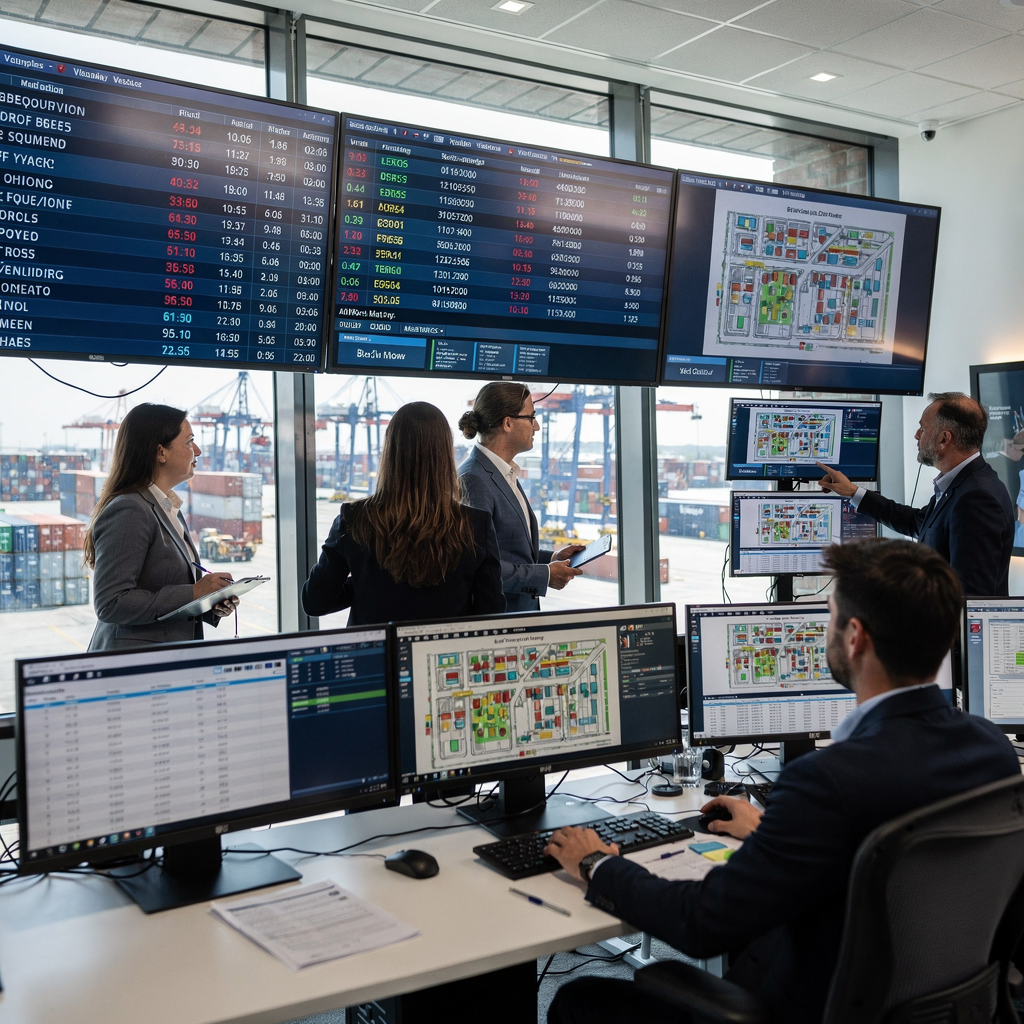
Terminal AI solutions optimise container capacity
container terminal operations and port capacity challenges First, rising volumes of global trade push TERMINAL teams to handle more TEUs without expanding footprints. Next, ports face simultaneous pressure at gates, quayside and yards as shipping lines call with larger vessels and tighter schedules. Also, congestion at gates and quayside creates costly DELAY and higher demurrage […]
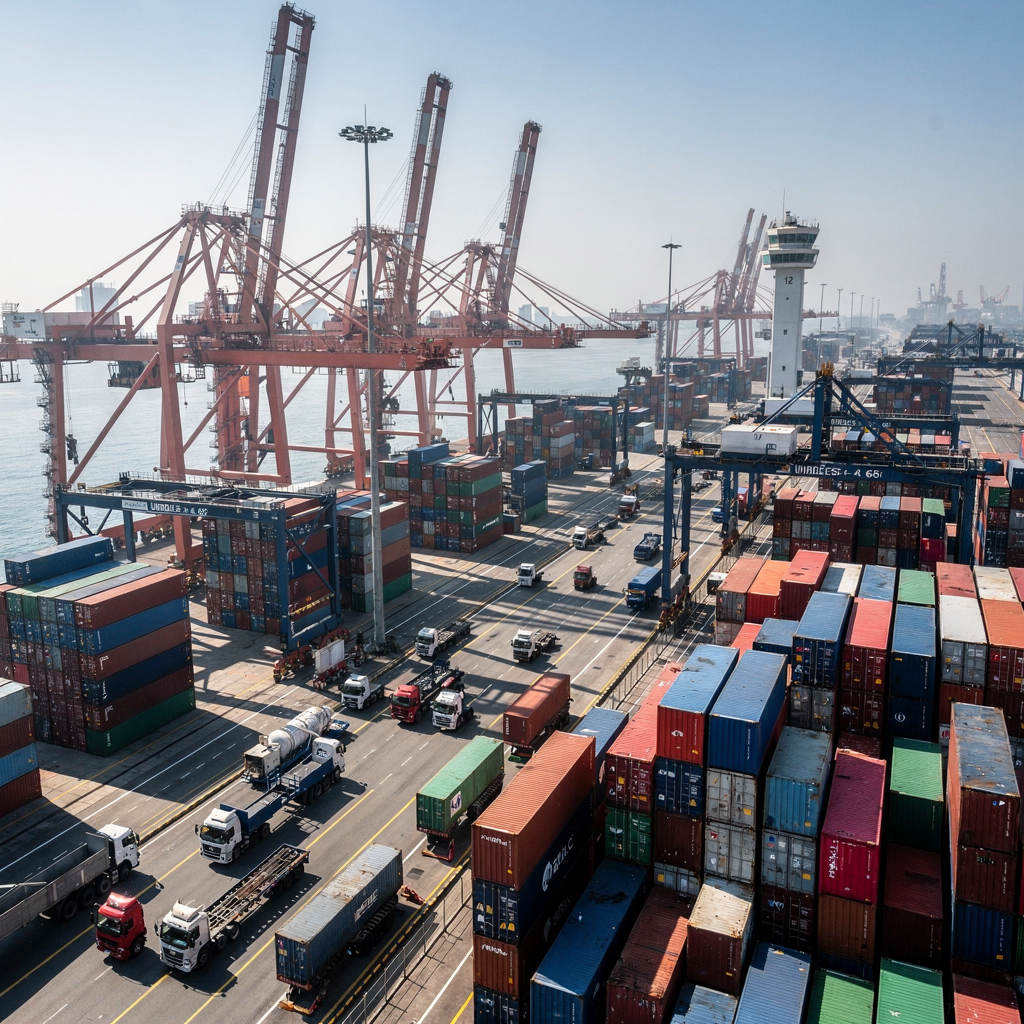
Human-AI Collaboration in Terminal Operations Planning
AI in terminal operations: Key Concepts Terminal operations planning covers scheduling, resource allocation, cargo handling, and vessel traffic management. It unites many moving parts. Planners must balance berth windows, crane tasks, truck flows, and yard stacking. AI steps in to process large volumes of data quickly and to suggest better plans. AI uses machine learning […]
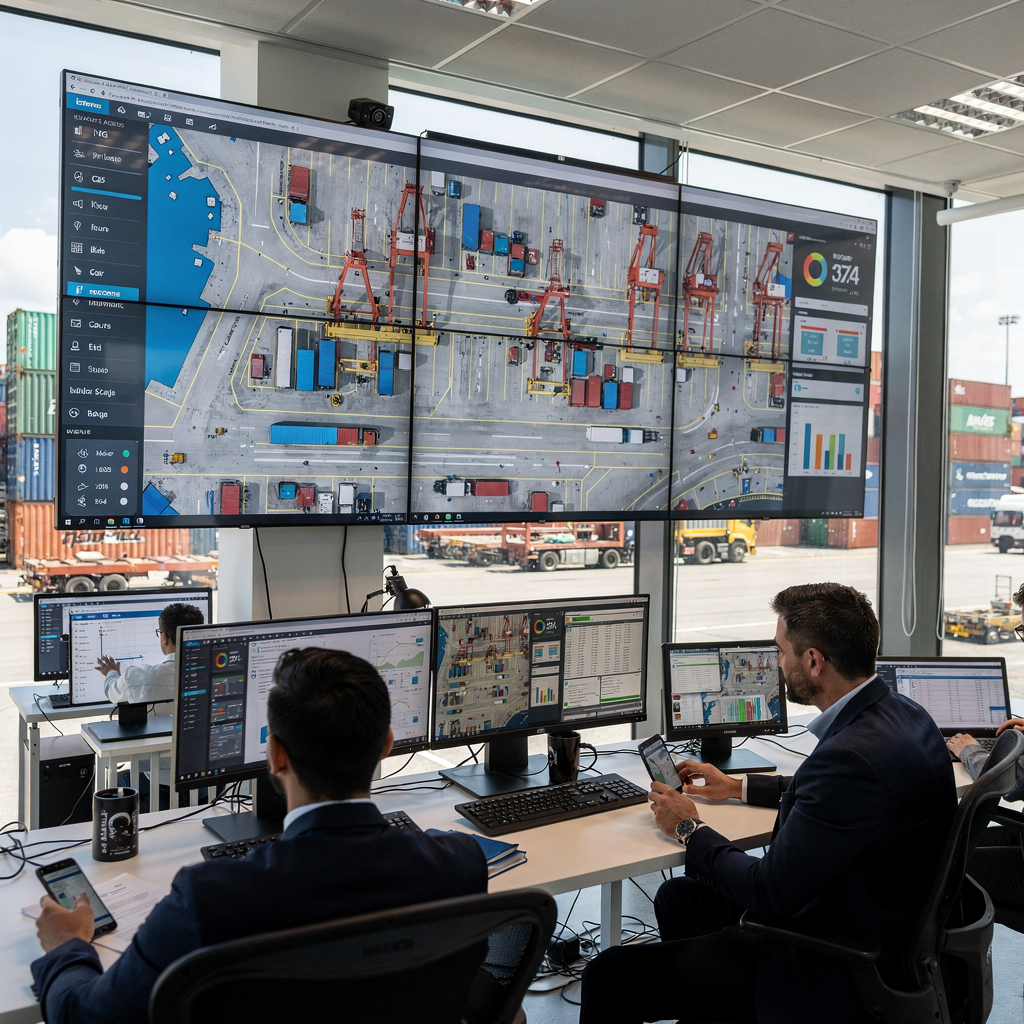
Smart port operations: reducing equipment starvation with AI
Literature review: Understanding equipment starvation in port operations Equipment starvation describes when critical assets are not available at the right time and place. It slows cargo flows and lengthens vessel turnaround times. The result is higher costs, longer delays, and reduced port performance. A systematic review of recent studies shows that fixed allocation strategies do […]
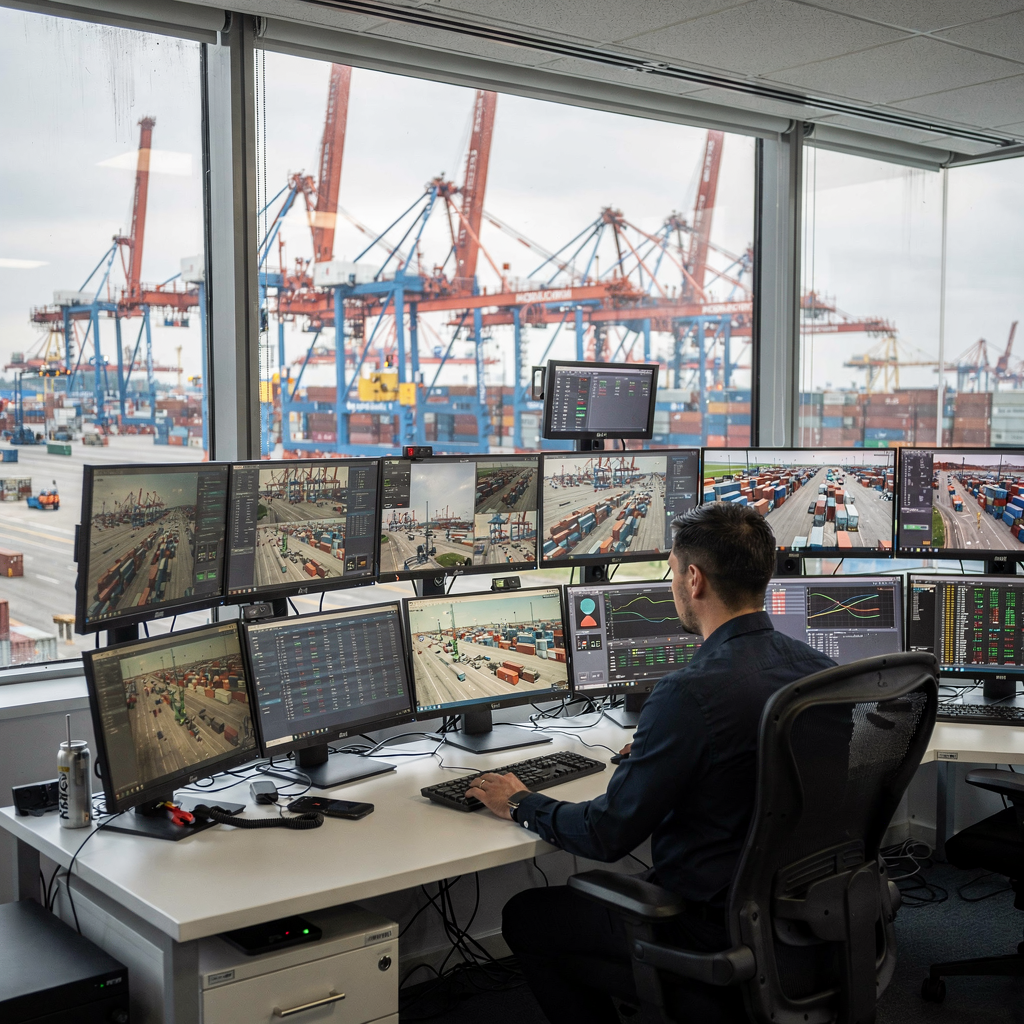
Event-driven API architectures for container terminals
event-driven system fundamentals: need an event, events as first-class citizens and container terminal context Container logistics operate under tight timing and shifting priorities. The parts of the system include cranes, AGVs, yard management, gate operations and vessel planners. In this container terminal environment, coordinating these system components with low friction matters. Traditional request-response architectures often […]
