
latest news
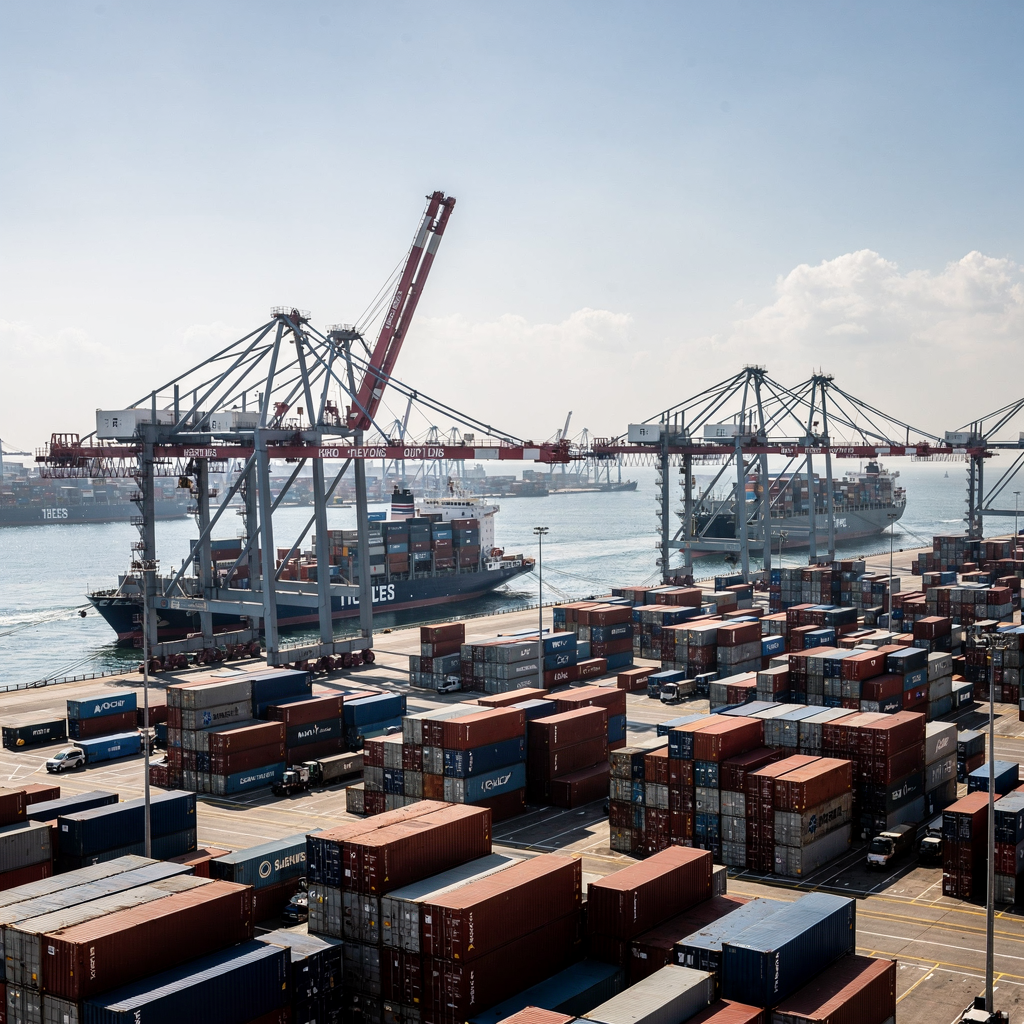
Berth allocation problem in terminal operations
Solution Approach: Defining the Berth Allocation Problem in Terminal Operations The berth allocation problem describes how ports assign arriving vessels to named quay positions. First, it defines which vessel occupies which quay space. Next, it sets the start and end of service time. The problem is NP-complete and so finding optimal schedules at scale proves […]
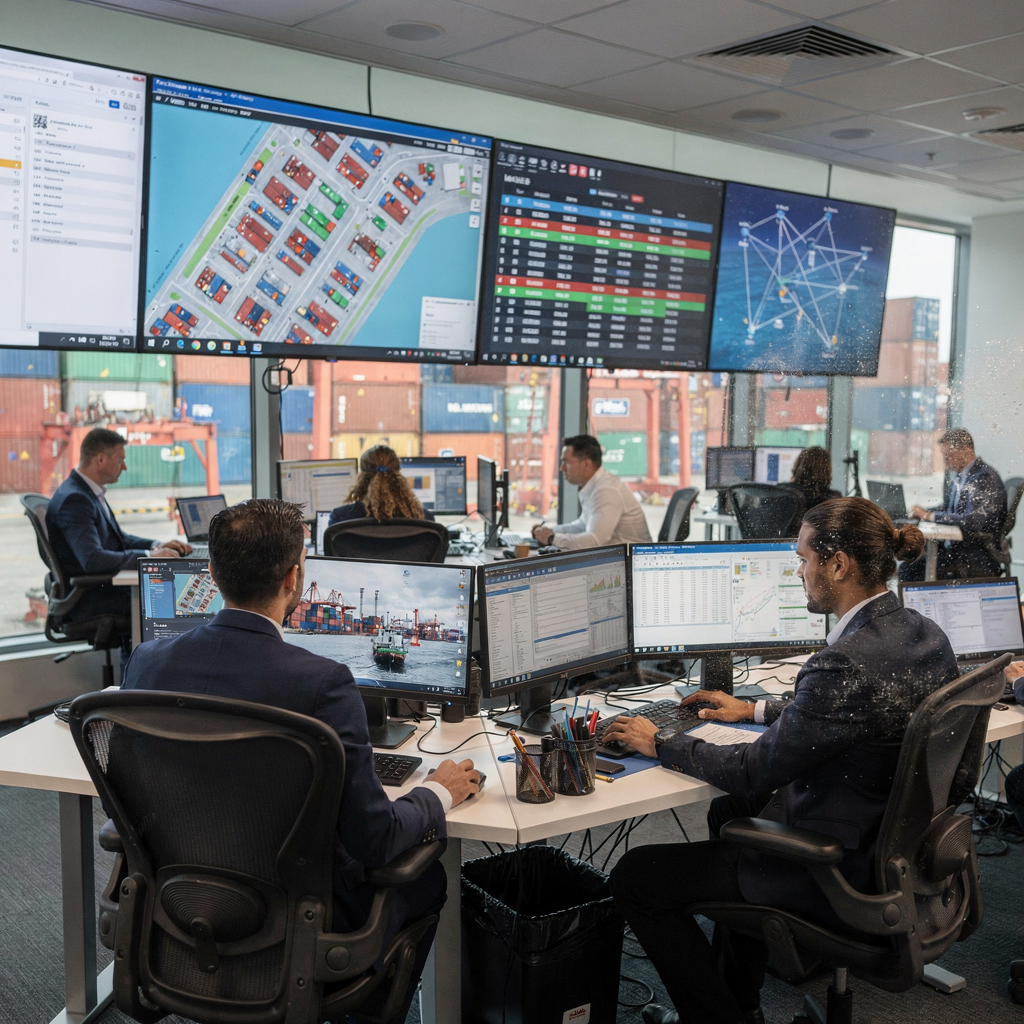
Cloud-based versus on-premise TOS for port operations
cloud-based vs on-premise: TOS deployment model overview A Terminal Operating System (TOS) manages vessel planning, yard management and gate control in container terminals. It ties together planning, equipment control and operational reporting. Ports use a TOS to sequence vessel calls, allocate yard blocks and control trucks at gates. The choice of deployment model changes how […]
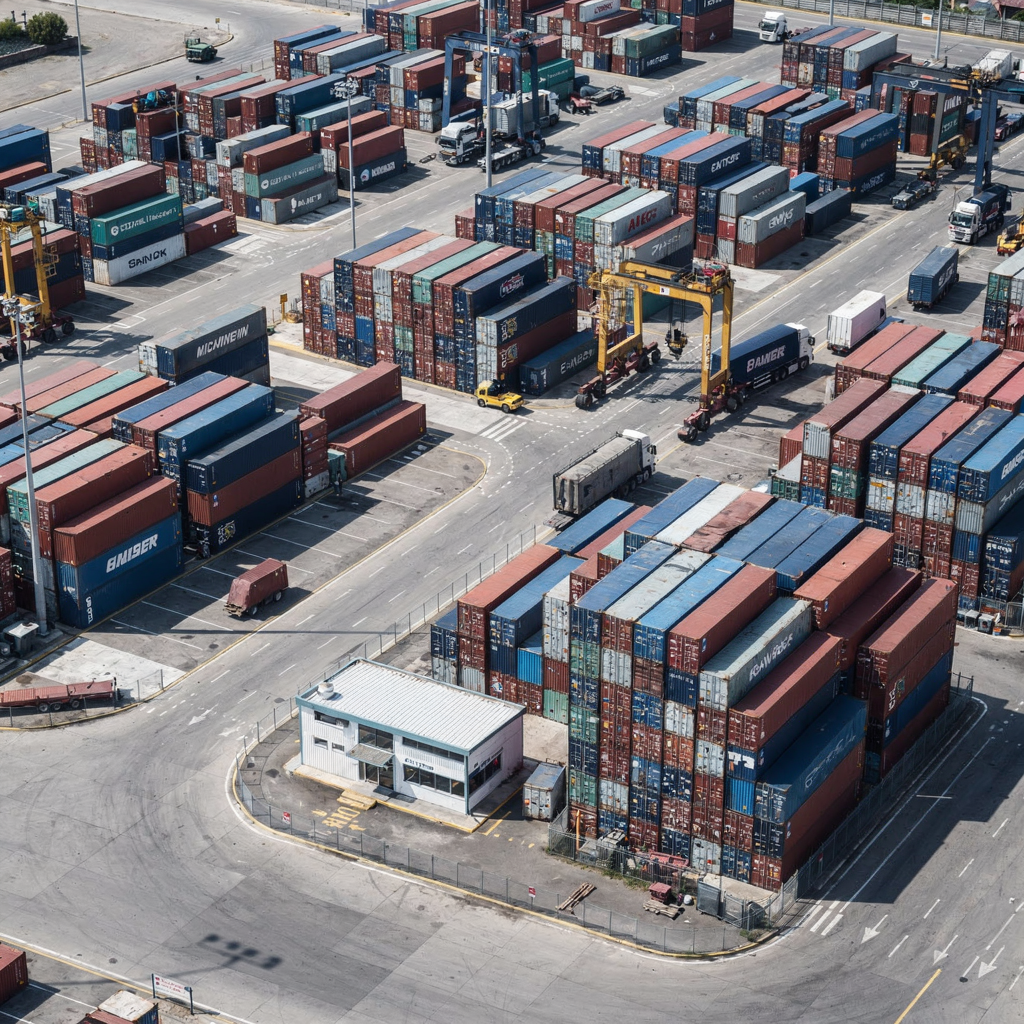
Yard planning software for small inland container terminals
Introduction to yard planning in a small container terminal Yard planning matters for every small container terminal that handles cargo and intermodal transfers. It defines where each container will sit, when trucks will arrive, and how cranes and chassis move across the site. For a facility with limited space, smart yard planning can reduce wasted […]
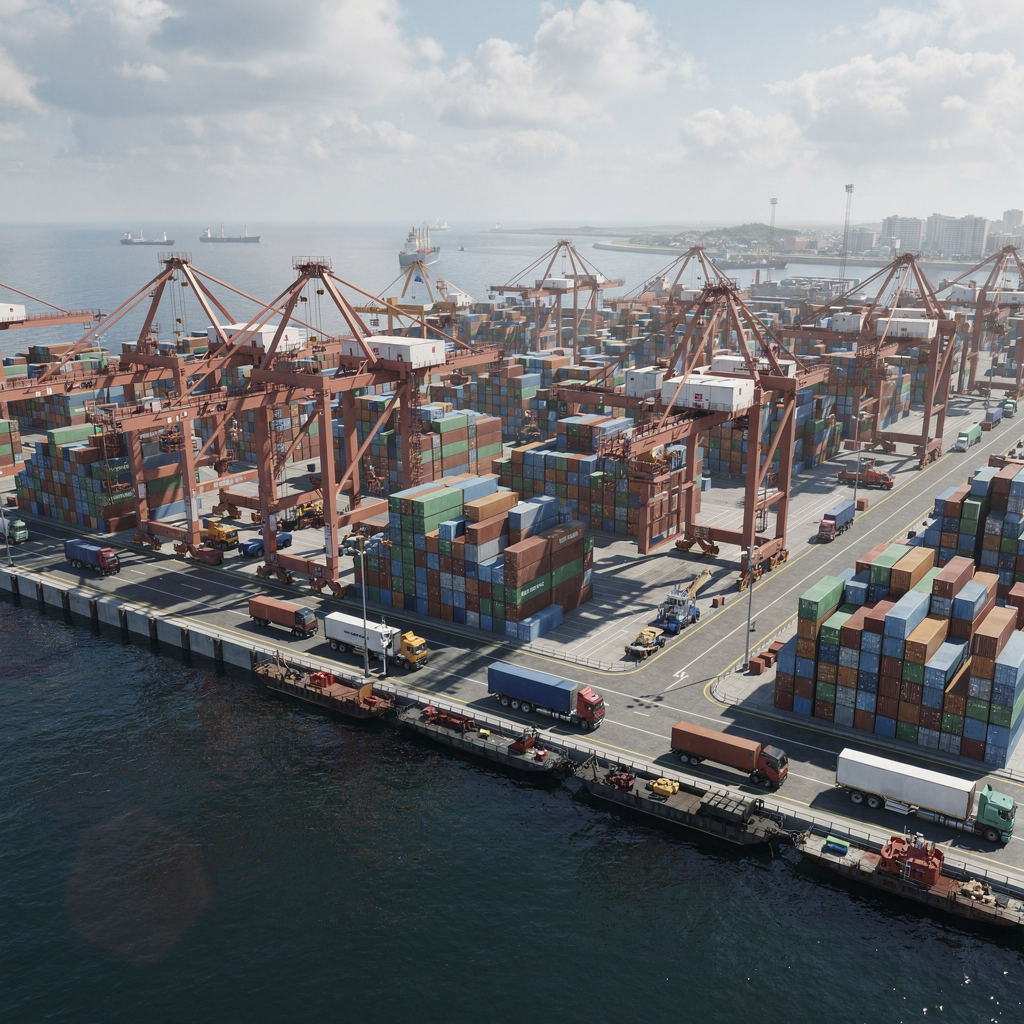
Container port optimization via deep RL simulation
container: Introduction to Deep Reinforcement Learning in Port Logistics Deep reinforcement learning is an AI approach that learns by trial and feedback. It suits complex control tasks. In container logistics it can optimize routing, pickup and drop sequences. The objective is clear. Reduce driving distances. Cut costs. Lower emissions. Also improve throughput. Furthermore enable safer […]
Container ship automation and stowage plan for secure cargo
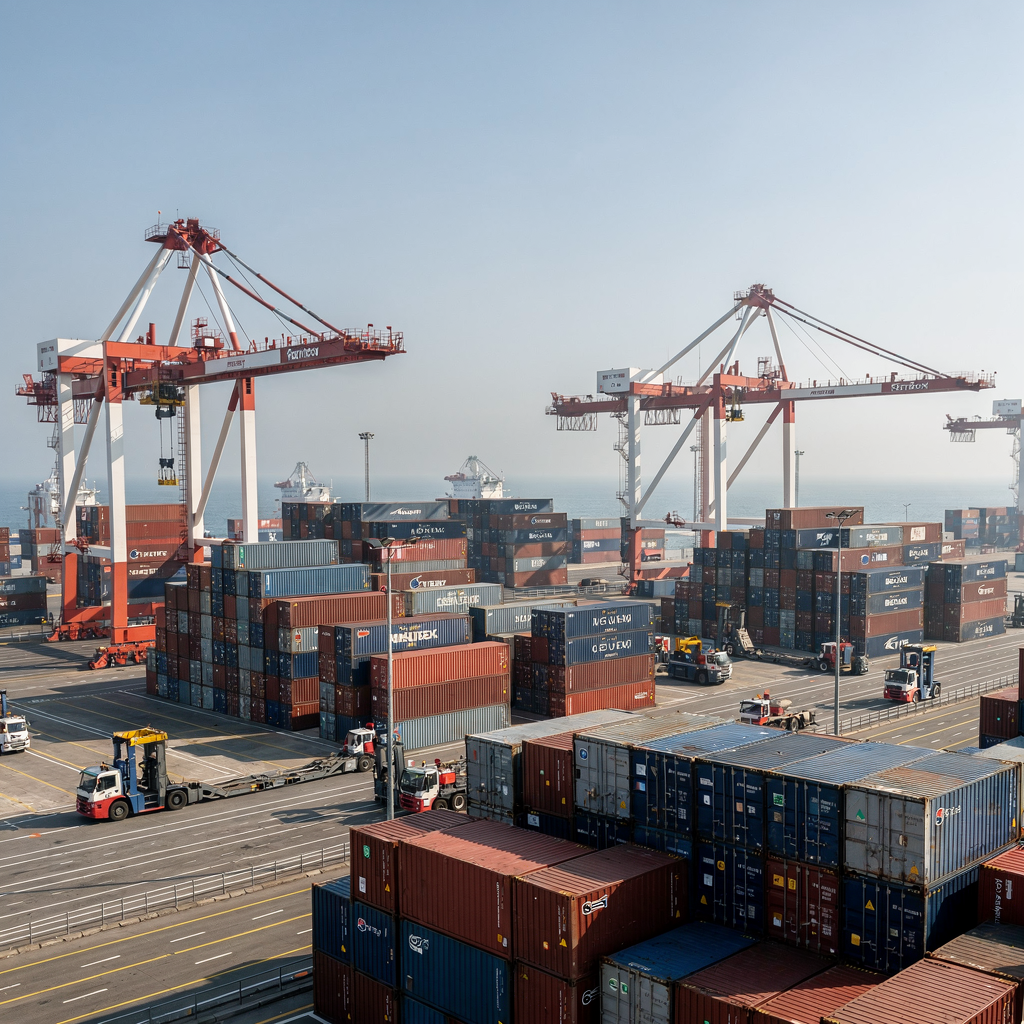
Optimising LASHING FORCES: Importance and Regulatory Compliance Lashing forces are the tension and securing forces used to prevent container movement on a deck during transit. They keep cargo stable, and they preserve the structure of the ship and the container stacks. First, lashing forces protect onboard personnel and the cargo itself. Second, they preserve vessel […]
AI-driven container port yard management systems
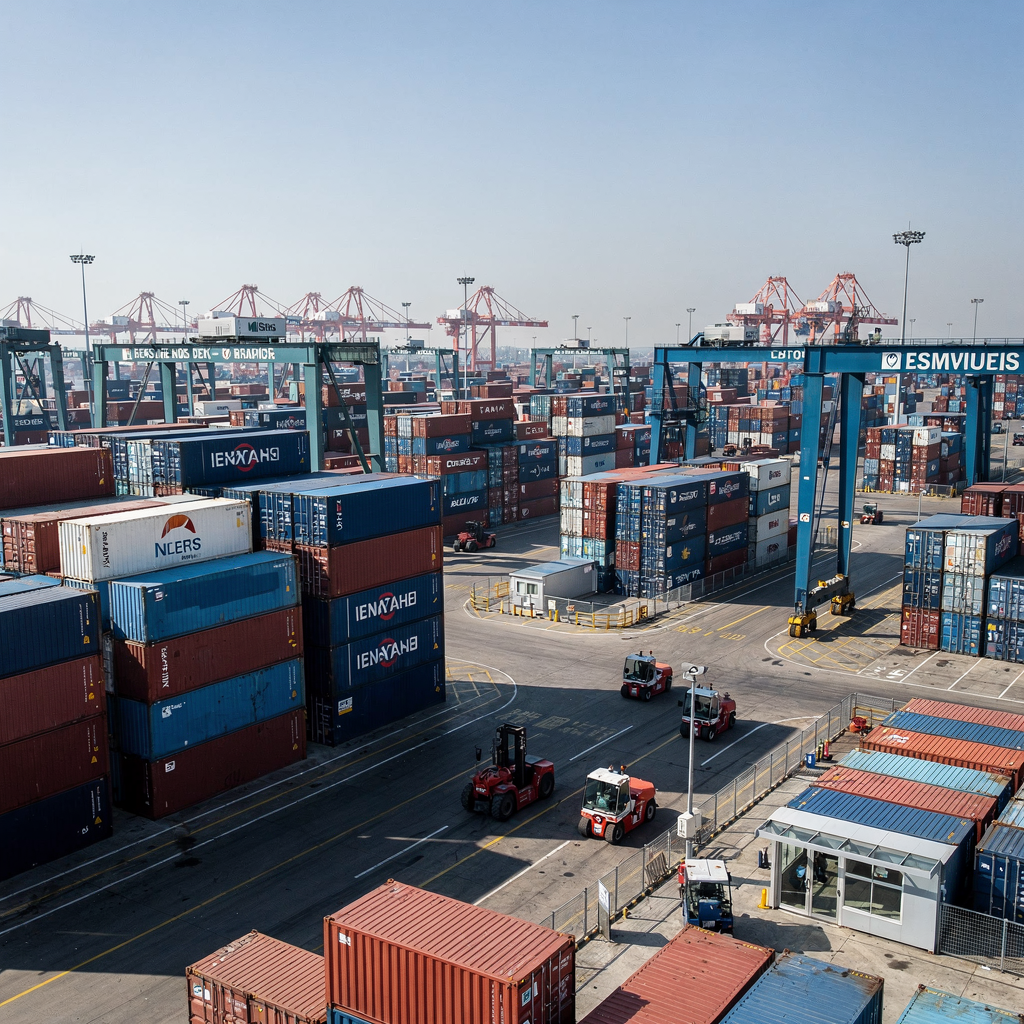
AI and maritime logistics: Transforming Container Port Operations AI is reshaping how terminals manage container traffic. The term AI-driven container port yard management systems describes software and hardware that coordinate container movements and storage. These systems combine real-time sensors, machine learning, and digital twin models to optimize planning. As a result, terminal operators see smoother […]
