
latest news
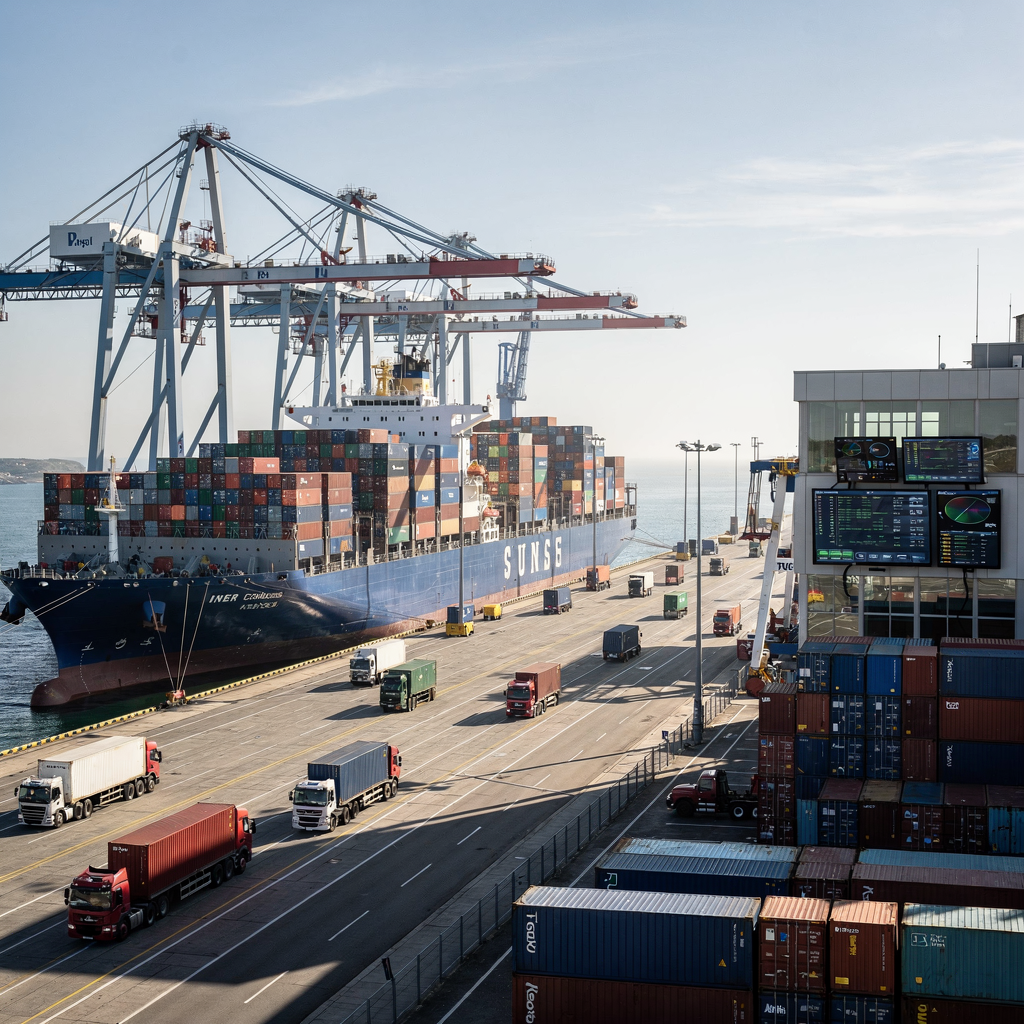
Just-in-time vessel arrival strategies for container terminals
jit and arrival fundamentals Just-in-time (JIT) is a scheduling approach that aligns a ship’s movement with terminal readiness so the ship arrives when the berth, handling equipment and labour are available. The concept of just-in-time contrasts with older practices in which ships often make early arrival and then wait at anchorage for windows. In traditional […]
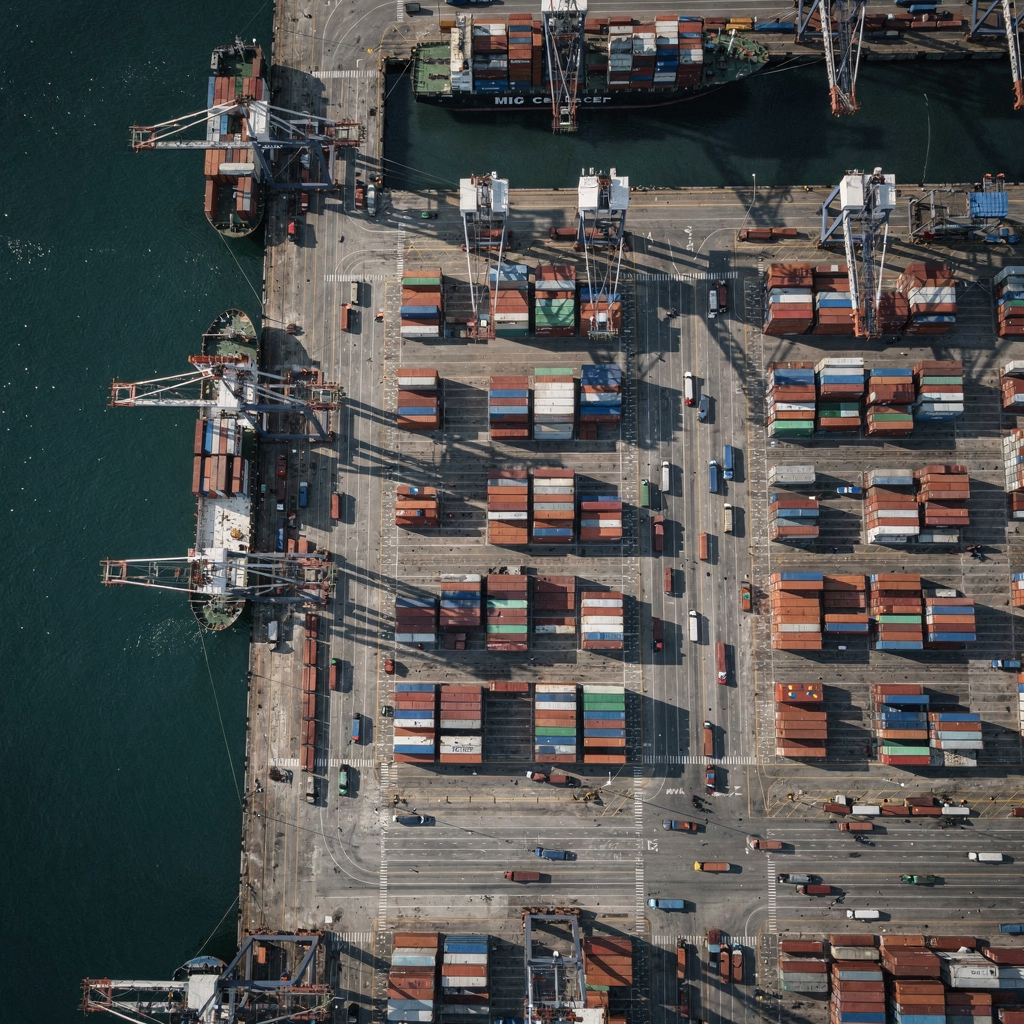
Container terminal operations quay optimization explained
container terminal operation: Key Roles of Quay Cranes and Berth Allocation Container terminal operation depends on clear roles, fast decisions and coordinated equipment. The quay crane sits at the heart of loading and unloading. Quay crane teams move containers from ship to shore and from shore to ship. Berth allocation decides where a vessel will […]
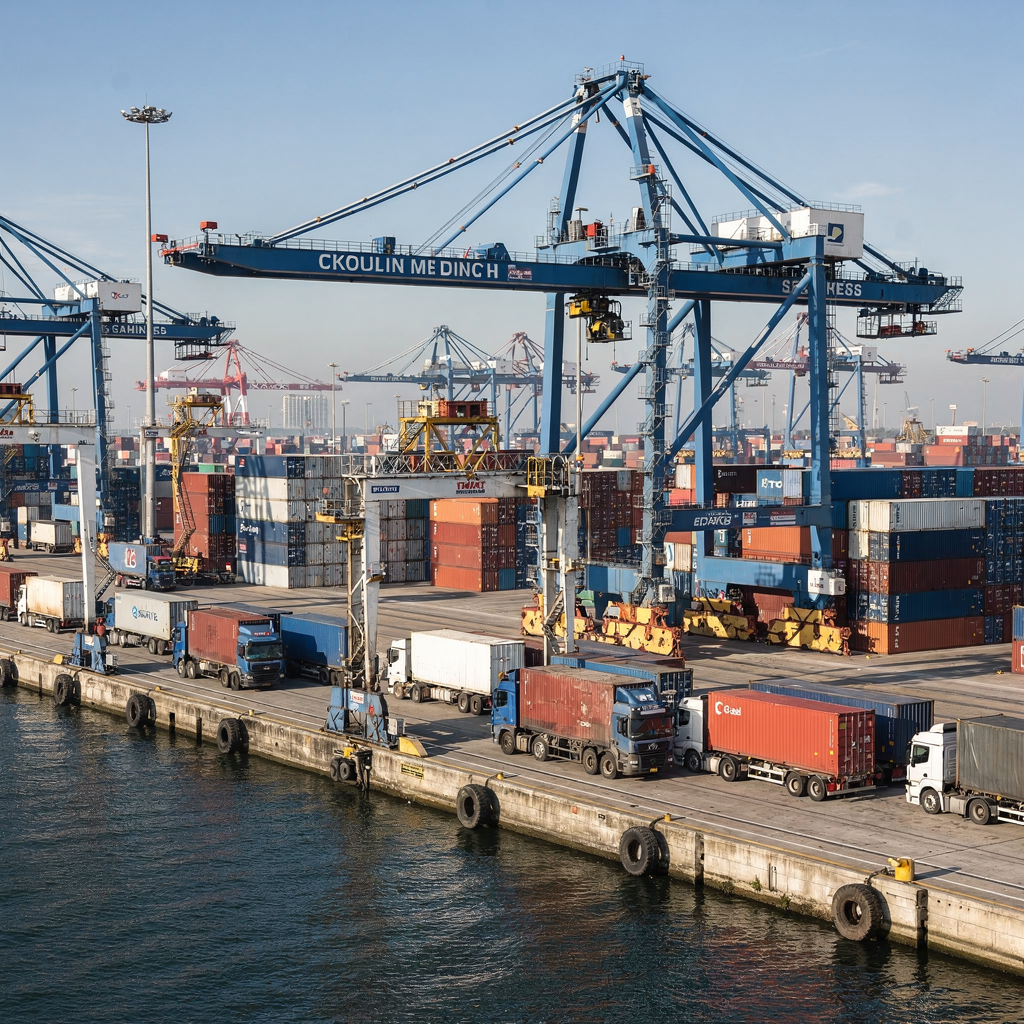
Container terminal automation fundamentals explained
container terminals: Definition and Strategic Role Container terminals form the junctions where shipping containers change mode. They link ocean carriers, road trucks, and inland rail. First, they handle loading, unloading, temporary storage, and handover. Next, they manage customs, gate processing, and documentation. Also, they affect global trade flows and supply chain resilience. For example, a […]
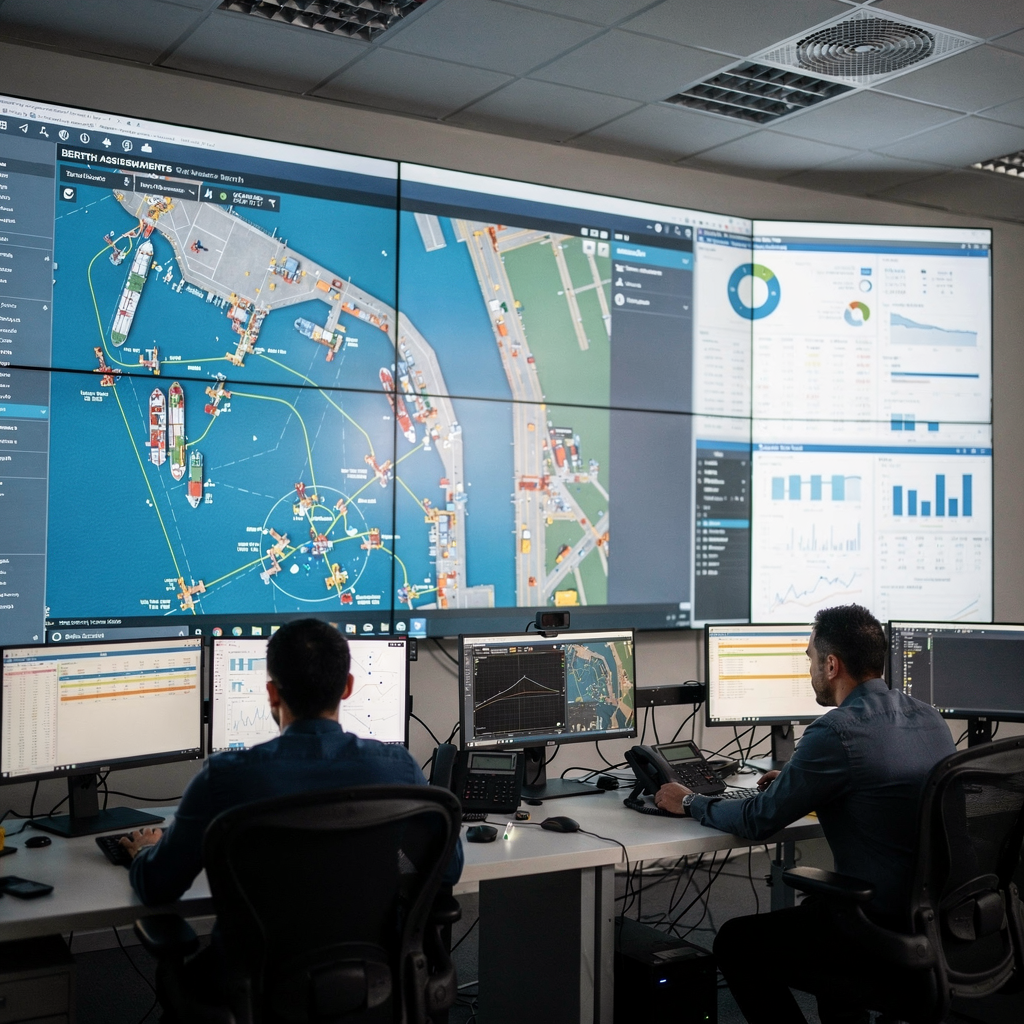
Port AI decision support for terminal operations
port and terminal integration: Terminal Operating System and ai tools The Terminal Operating System or terminal operating system plays a central role in a modern port and terminal. It manages container moves, gate flows, yard slots, and equipment assignments. It also records timestamps and maintains custody records, so port authorities and terminal operators can plan […]
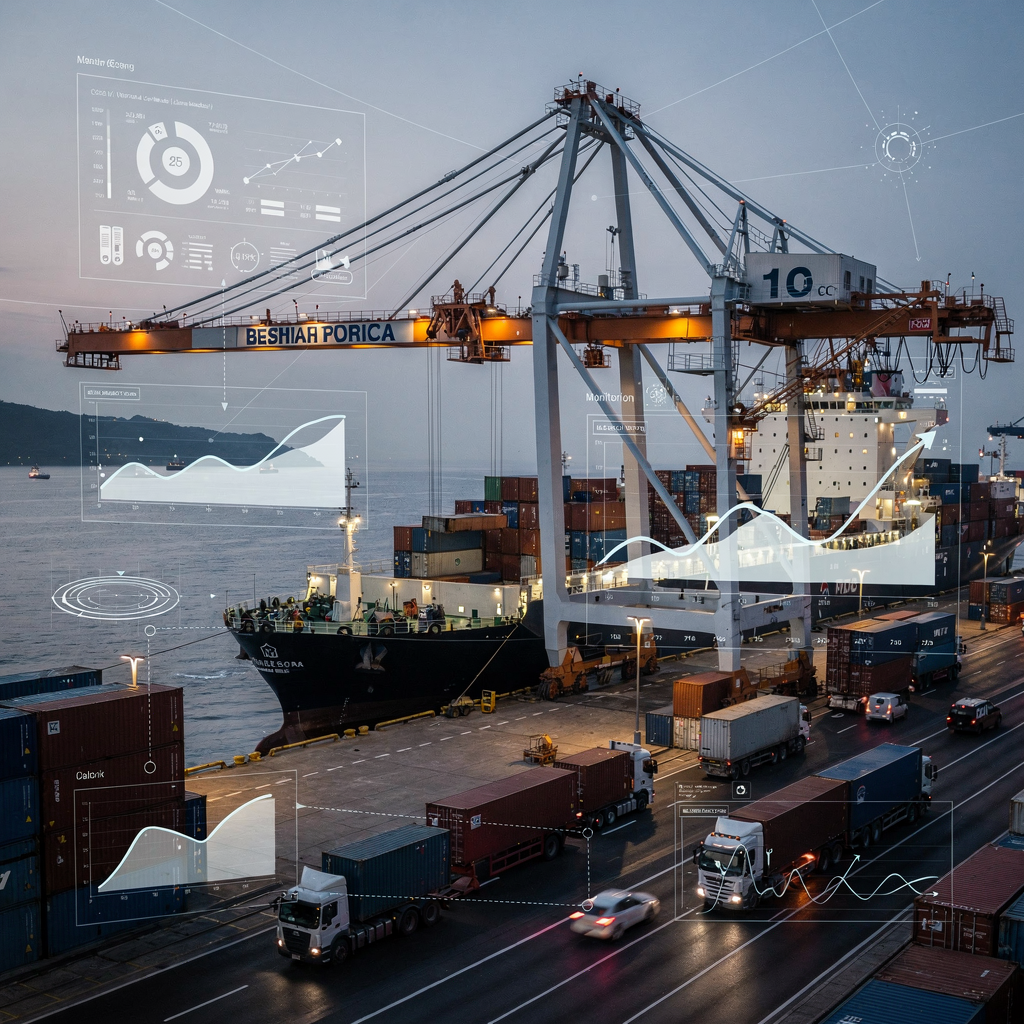
AI optimisation in container terminal operations
Exploring AI in container terminal for maritime container and container port operations Shortsea container terminals are specialized hubs that link short-distance maritime routes to inland networks, and they play a key role in modern supply chains. They handle concentrated volumes of MARITIME CONTAINER traffic, and they must be agile. AI transforms planning, and it helps […]
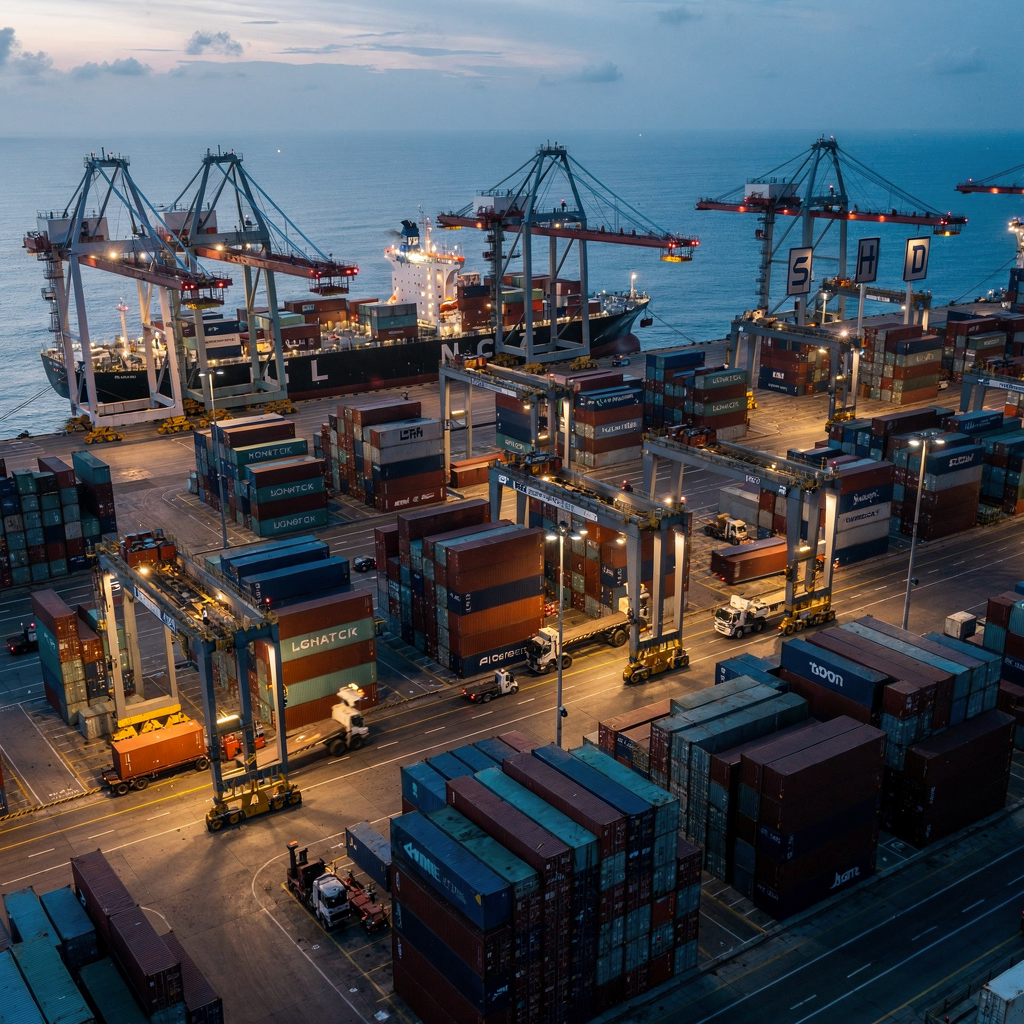
Container terminal stack optimisation in deepsea ports
Literature Review of container terminal operations Container stacking and rehandling in deepsea terminals shape berth productivity and vessel turnaround. Research shows rehandling can account for up to 30% of total moves, a figure that directly raises labor, equipment use, and emissions (Assessing performance of container slot allocation heuristics). Also, studies summarised in an operations research […]
