
latest news
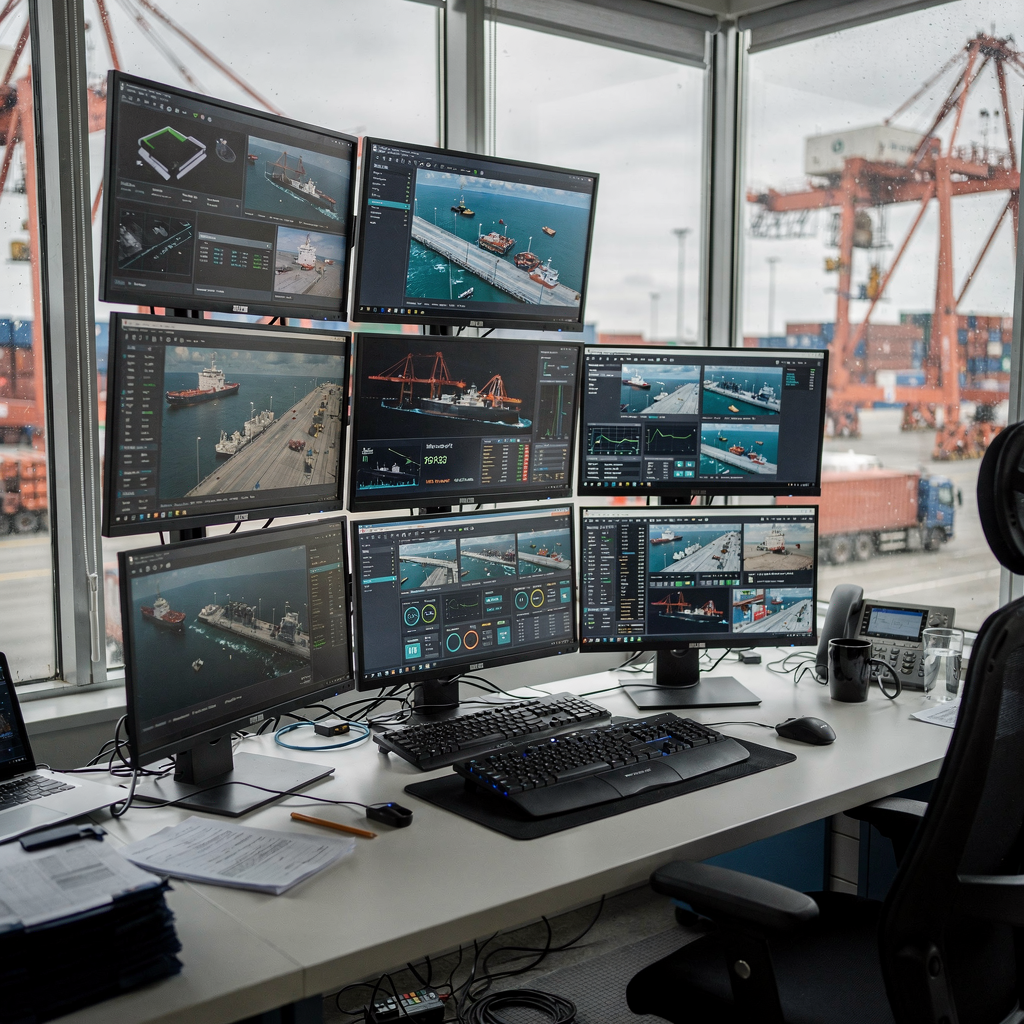
AI-driven capacity optimisation for port operations
ai in port operations: a maritime optimization overview AI is transforming how ports plan capacity and react to change. Scenario-based capacity optimisation uses AI to model multiple futures. It then helps port planners choose options that improve outcomes. This approach contrasts with static plans that freeze resource allocation weeks or months in advance. Instead, AI […]
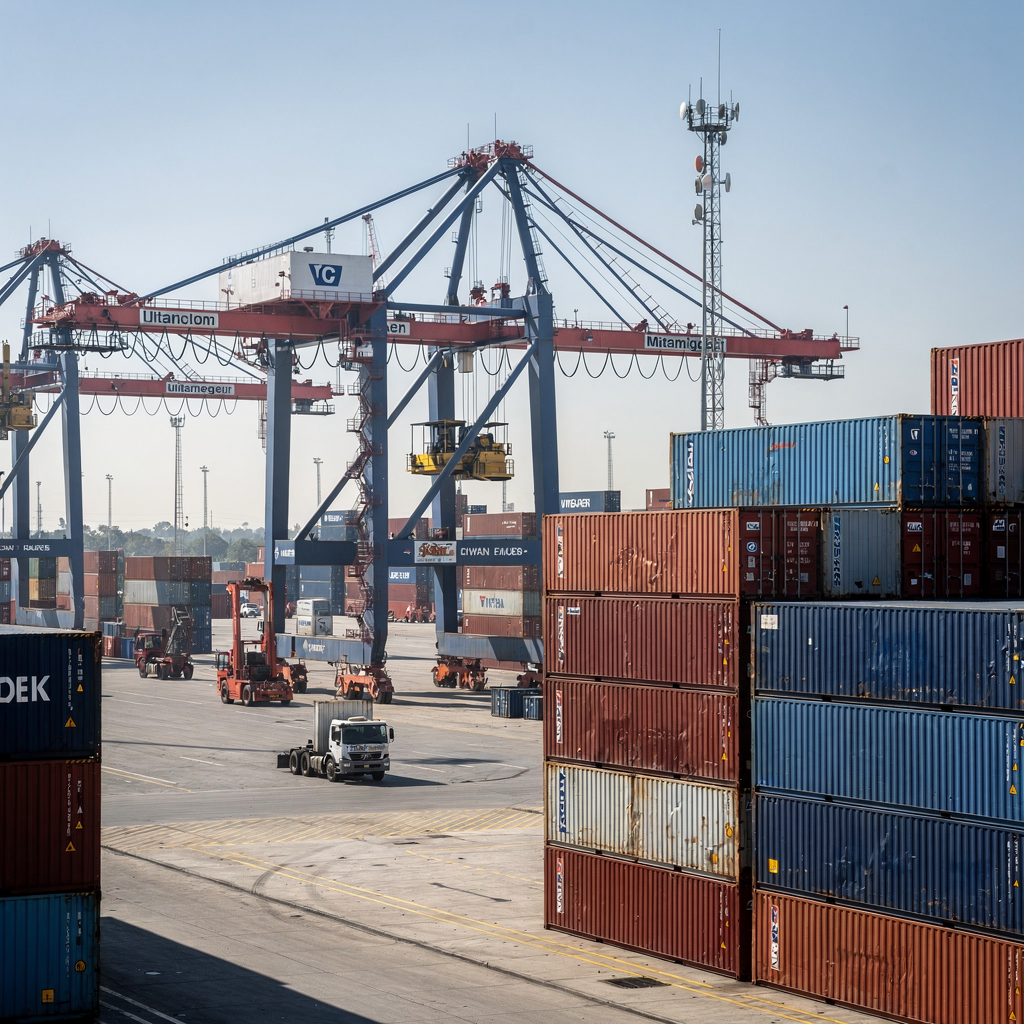
AI reduces yard congestion in inland container terminals
Optimize Terminal Operations with AI-driven Automation First, AI changes how terminals schedule moves and allocate resources. Next, planners get clearer windows to act. Then, systems reduce container dwell time by up to 15% through smarter sequencing and dynamic slotting, as reported by industry analysis showing scheduling gains. Also, automation coordinates cranes, yard trucks, and automated […]
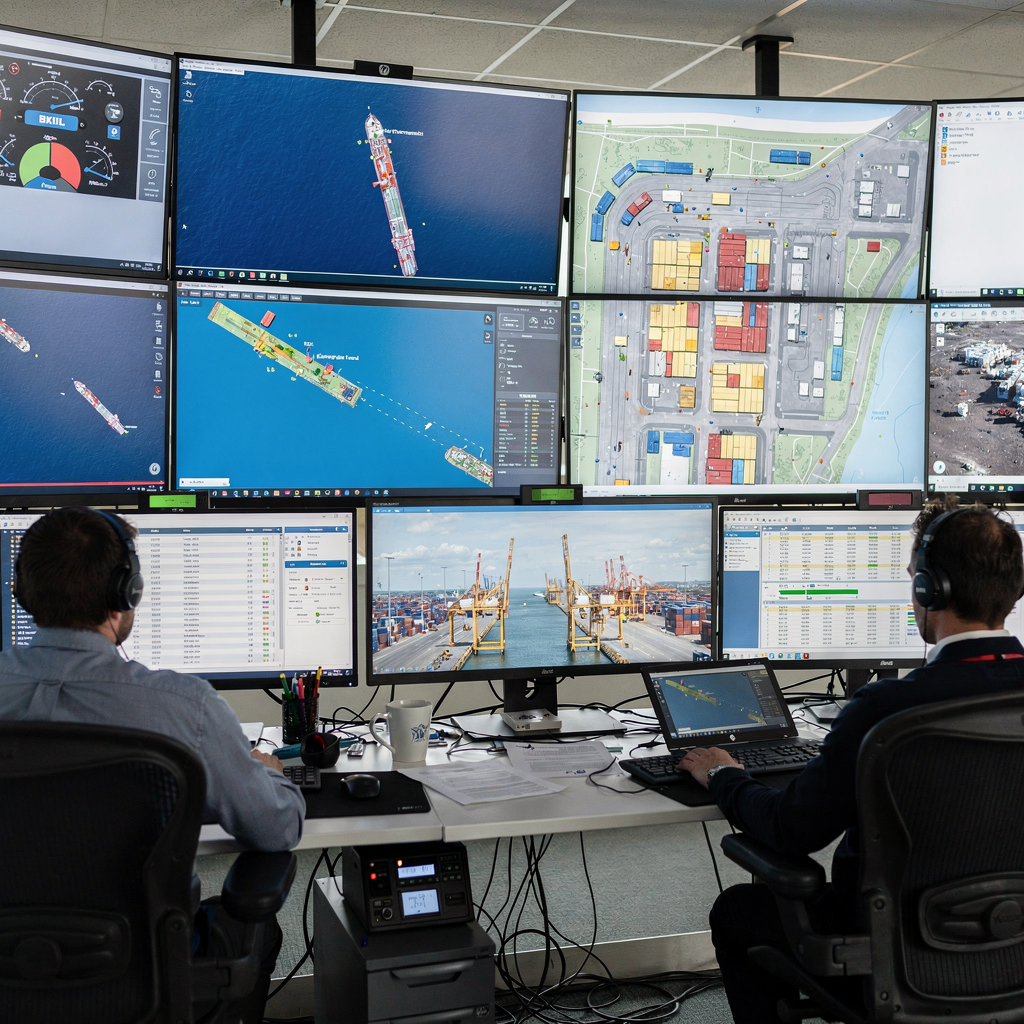
AI for container terminal automation at smart ports
applications of ai in smart port operations and port environments Smart port concepts combine automation, sensors, and digital control to improve throughput, reduce cost, and support sustainability. First, AI adds a layer of continuous learning and decision-making that classical rule engines cannot provide. Also, smart port operations need to cope with vessel arrivals, yard congestion, […]
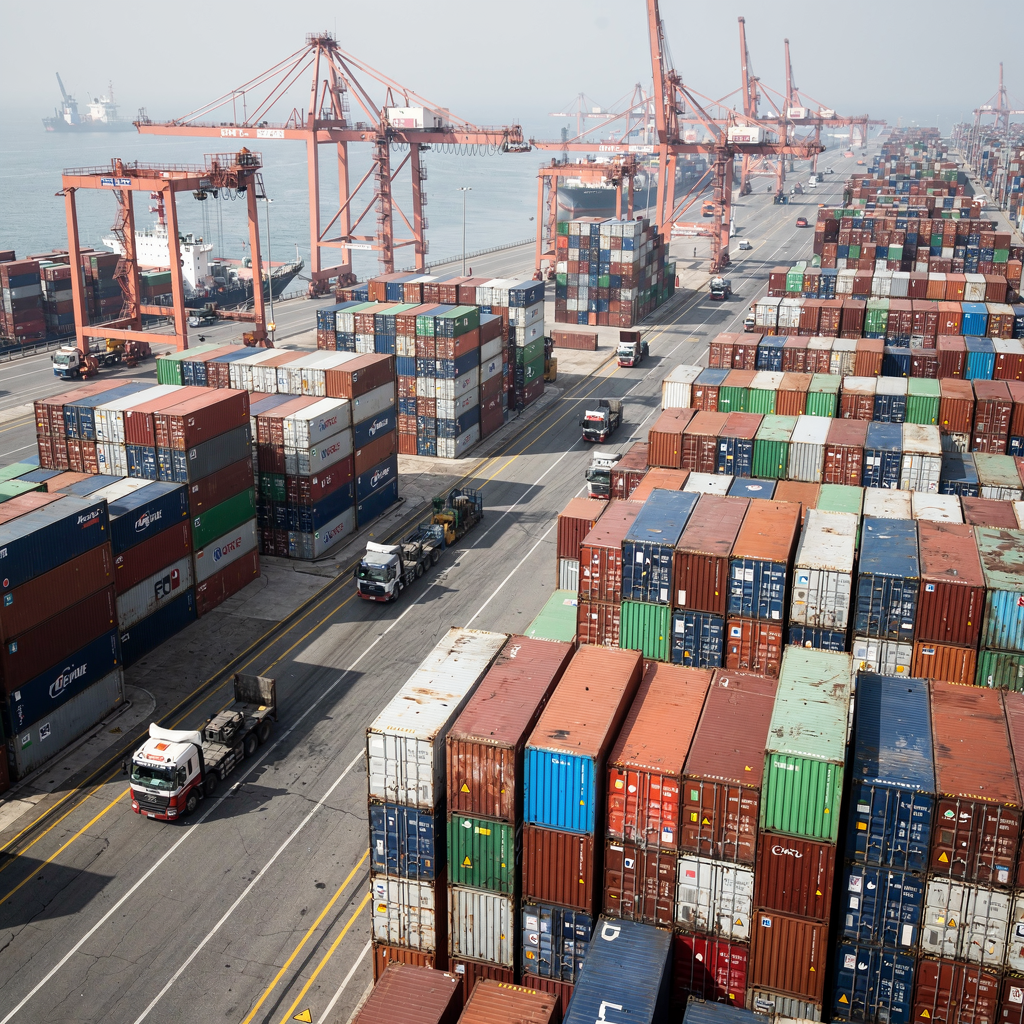
Allocation and Dynamic Slotting in Container Port Yards
container yard challenges and the role of dynamic slotting Container yards face constant pressure from fluctuating container flows. Also, ports see sudden surges from ships, road delays, and rail bottlenecks. Additionally, limited storage space and unpredictable delays create a complex puzzle for planners. For example, customs holds and late truck arrivals force quick changes to […]
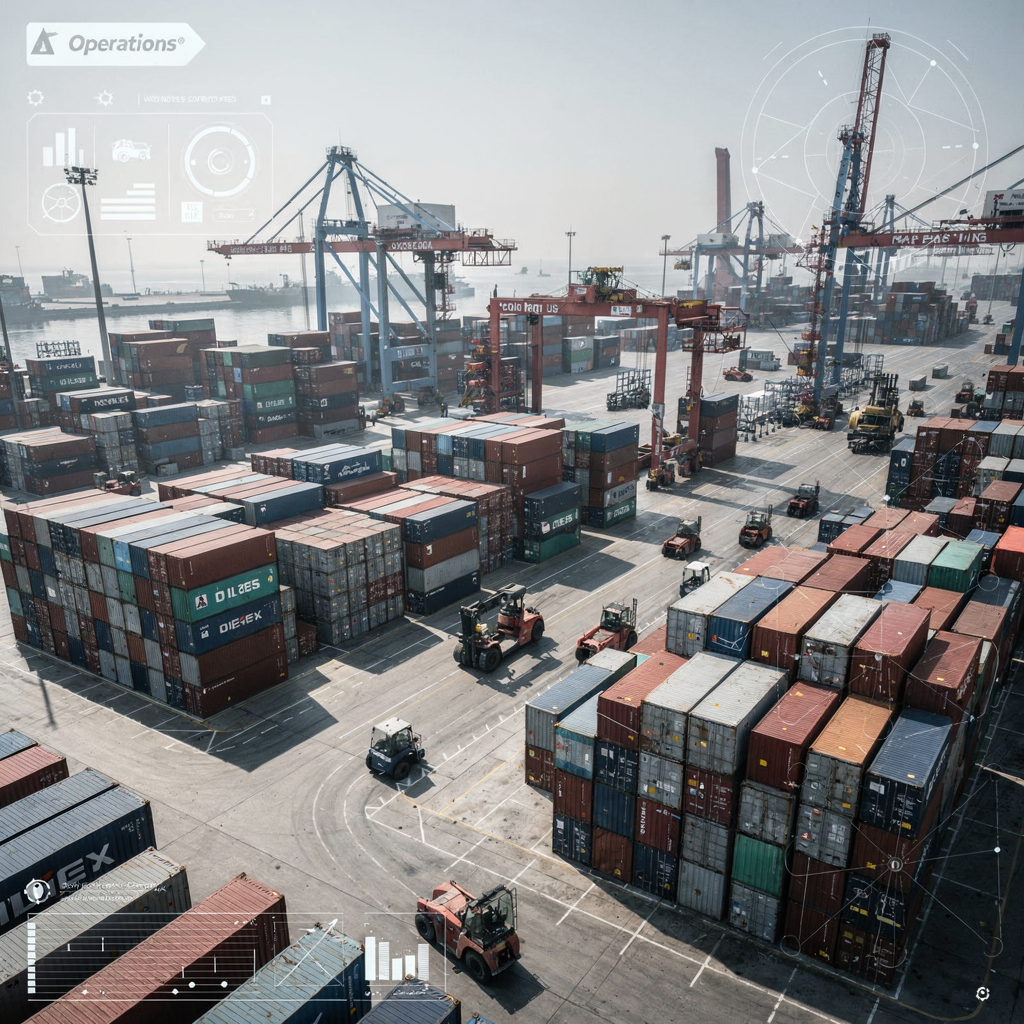
Real-time Container Terminal Yard Density Monitoring
Understanding real-time density of container terminal and yard management logistics Real-time yard density matters because it links yard occupancy to vessel turnaround and dwell time. When planners see live density they can allocate space and crews fast. As a result, berth schedules suffer less delay and the terminal avoids costly idle time. The global importance […]
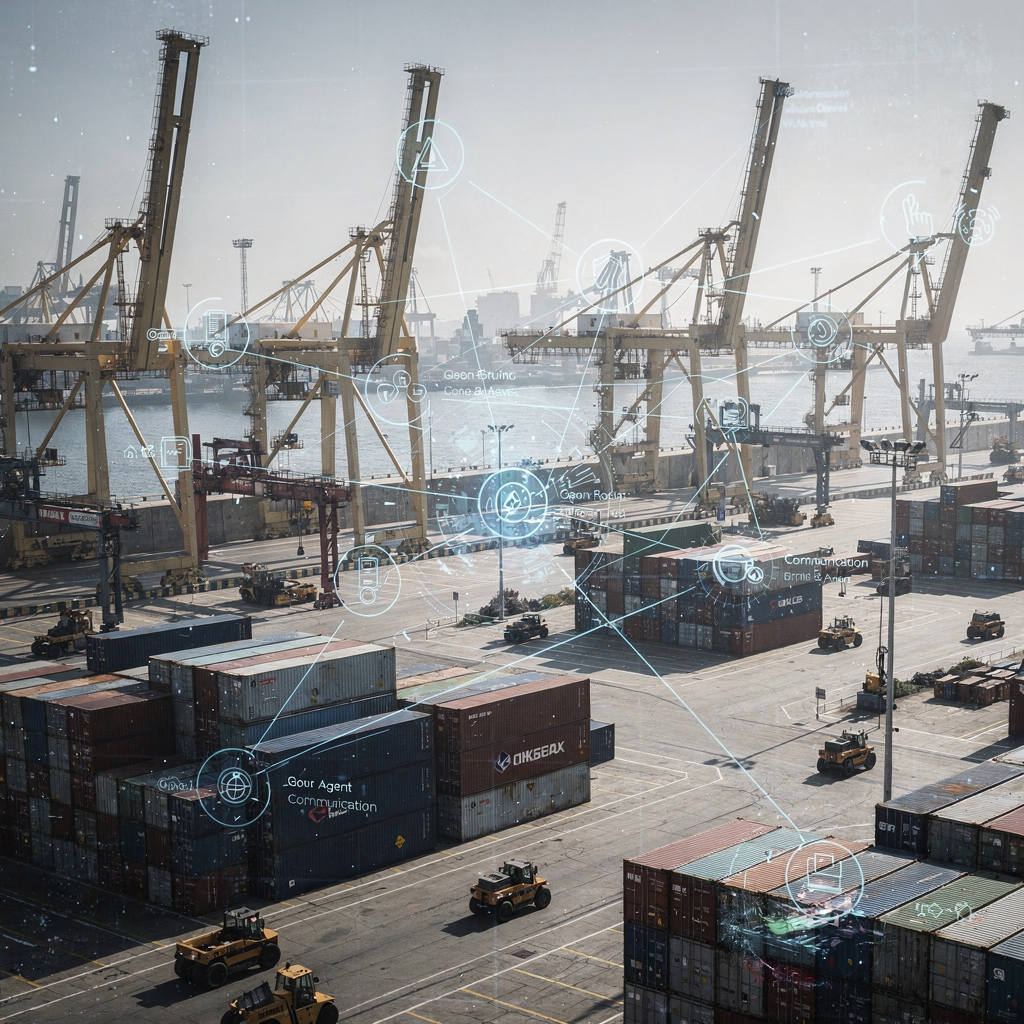
Port AI agents automate terminal operations
Port operations and terminal challenges: the case for automation in port Global trade pushes ports to handle larger container vessels and rising container volumes. As a result, ports face intense pressure to move more cargo faster. First, bigger ships bring concentrated peaks of containers. Second, peaks collide with limited quay space and constrained yard capacity. […]
