
latest news
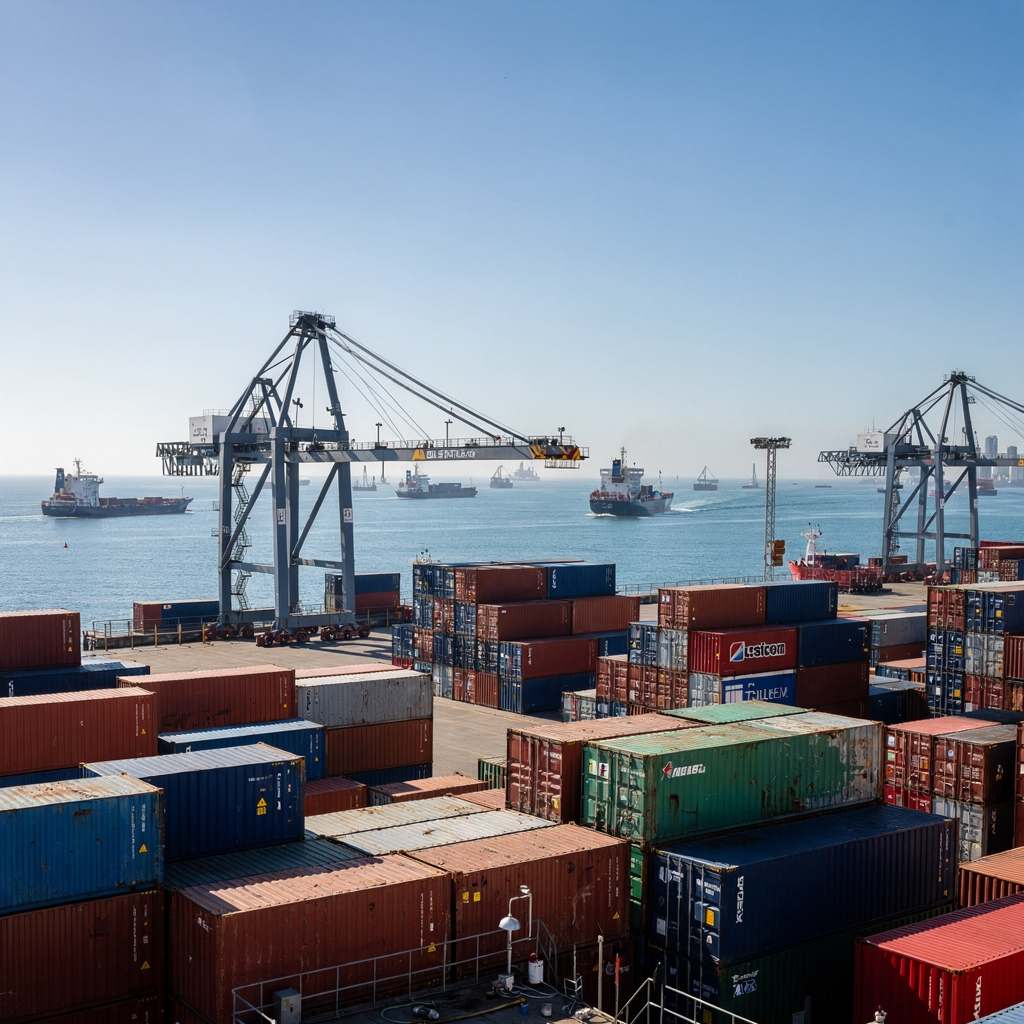
Machine learning for port operations ETA prediction
Introduction: ai-powered eta in the maritime supply chain ETA stands for Estimated Time of Arrival. In maritime logistics and global supply chains, ETA drives scheduling, berth allocation, and dockside labour planning. Accurate ETA helps ports reduce idle time and streamline cargo flows. First, it makes berth planning more reliable. Next, it lowers demurrage and waiting […]
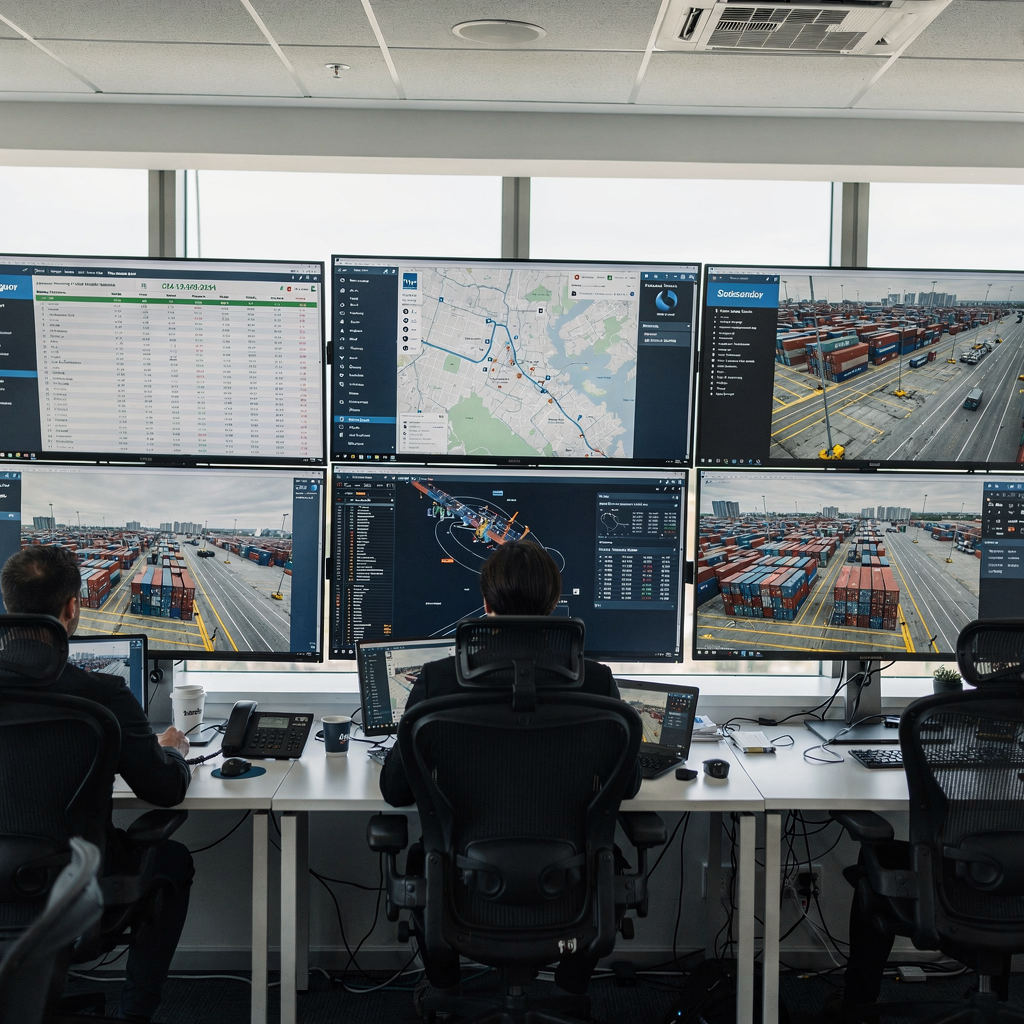
Collaborative cloud-based container terminal stowage plan
Stowage Plan Fundamentals A stowage plan defines the arrangement of containers on a vessel or within a yard to support safe, timely, and cost-effective loading and unloading. At inland terminals, a stowage plan drives the sequence of moves, the distribution of containers across bays, and the placement that affects crane cycles and truck pickups. The […]
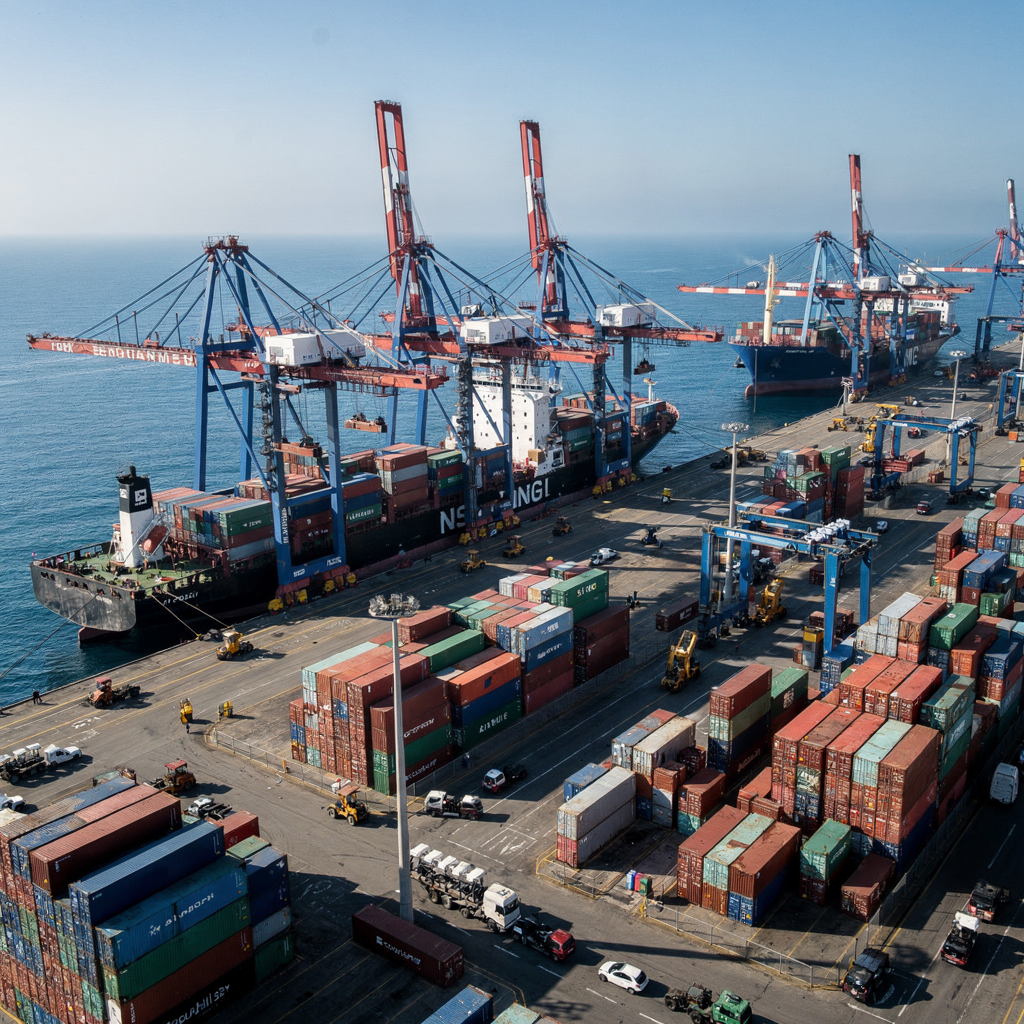
Deepsea port AI-driven container placement strategies
ai: Improving Container Port Throughput and Terminal Operation Rising cargo volumes and tight schedules push modern container ports to the limit. First, terminals face NP-hard combinatorial problems when they try to stack, retrieve, and move containers with limited quay cranes and yard space. Next, traditional port planners use fixed rules and historical averages that do […]
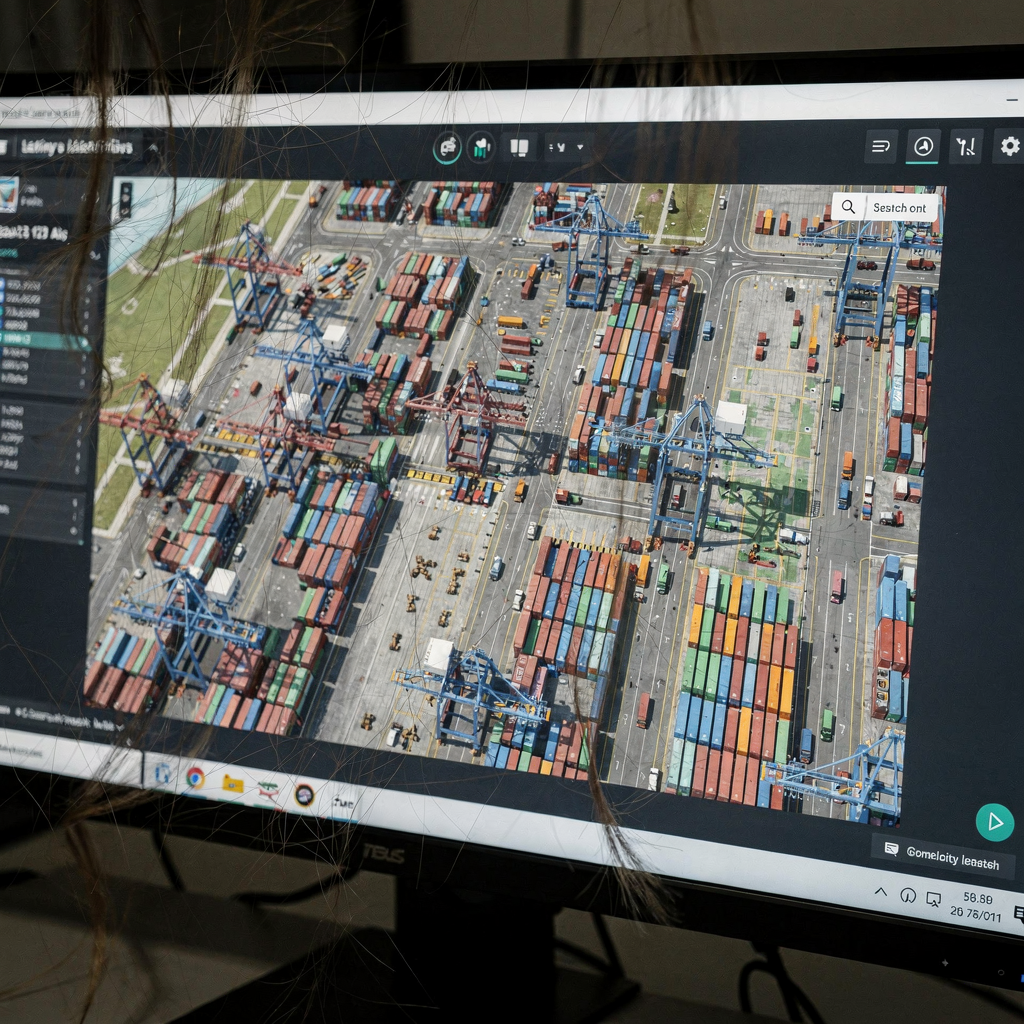
Explainable AI for Container Port Planners
ai agents and artificial intelligence in smarter port operation Explainable AI (XAI) is a form of artificial intelligence that gives clear, human-readable reasons for its recommendations. First, it clarifies model decisions. Next, it surfaces the key inputs, scores, and trade-offs that matter to a planner. For port operation teams, this matters. Terminal staff and terminal […]
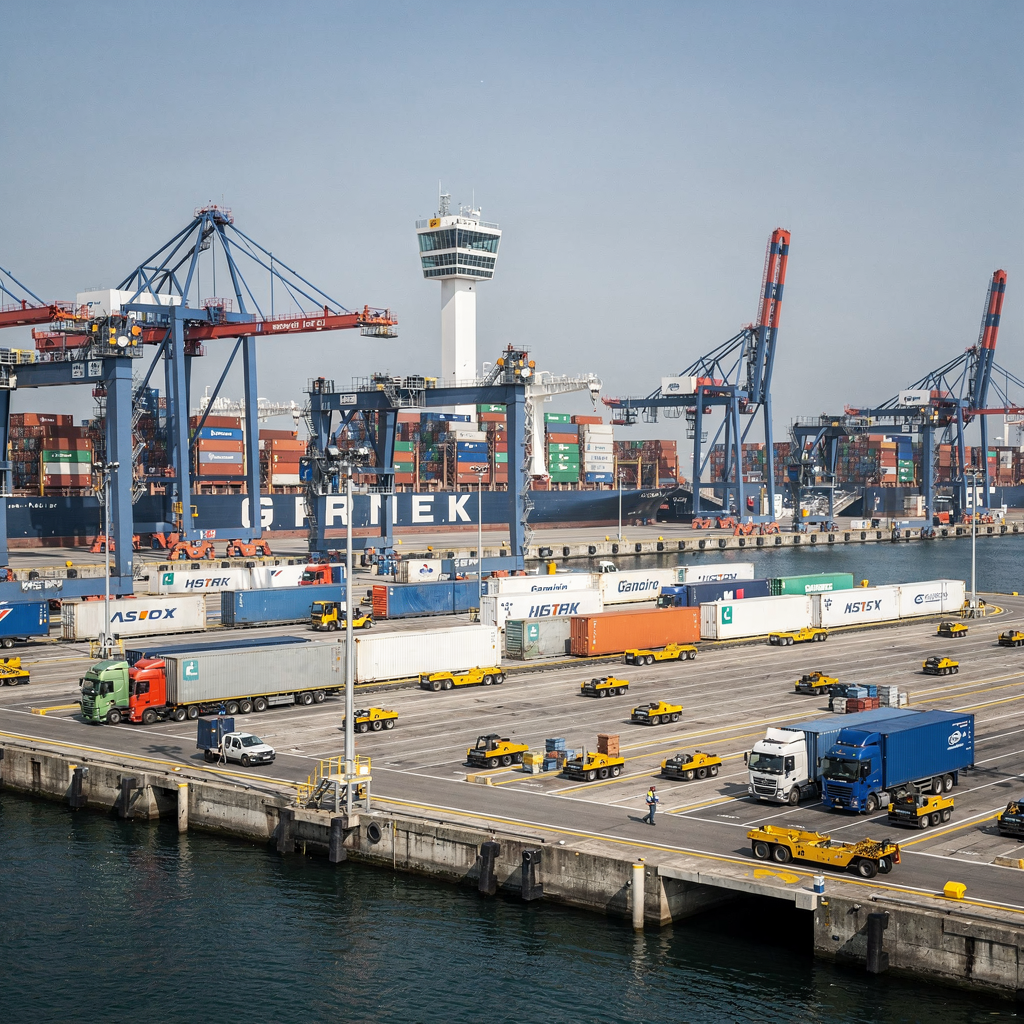
Smart port solutions for container terminal operations
Transforming PORT OPERATIONS: The Rise of SMART PORT OPERATIONS First, define the SMART PORT concept. A smart port brings sensors, networks, AI, and automation together to improve throughput, safety, and sustainability. Next, the idea matters because global trade keeps growing and ports must scale to meet that demand. For example, growing container volumes place steady […]
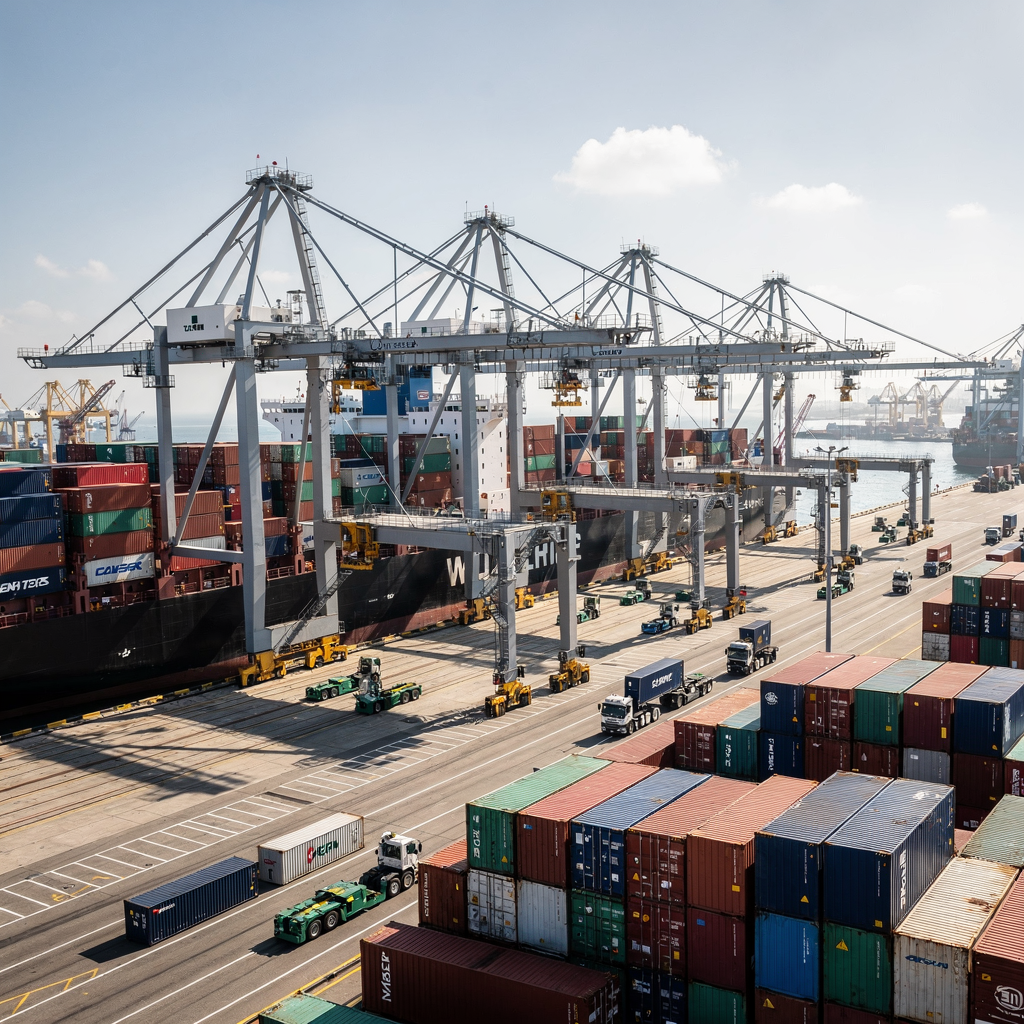
Automation boosts throughput at container terminal cranes
Introduction: Automation and Container Terminal Cranes – numerical experiments context Automation reshapes how a terminal moves boxes. In automated container terminal environments, multi-lane quay and yard crane operations let operators run parallel work streams. These systems coordinate multiple lanes at the seaside and the landside to cut wait times and increase container handling. Traditional single-lane […]
