
latest news
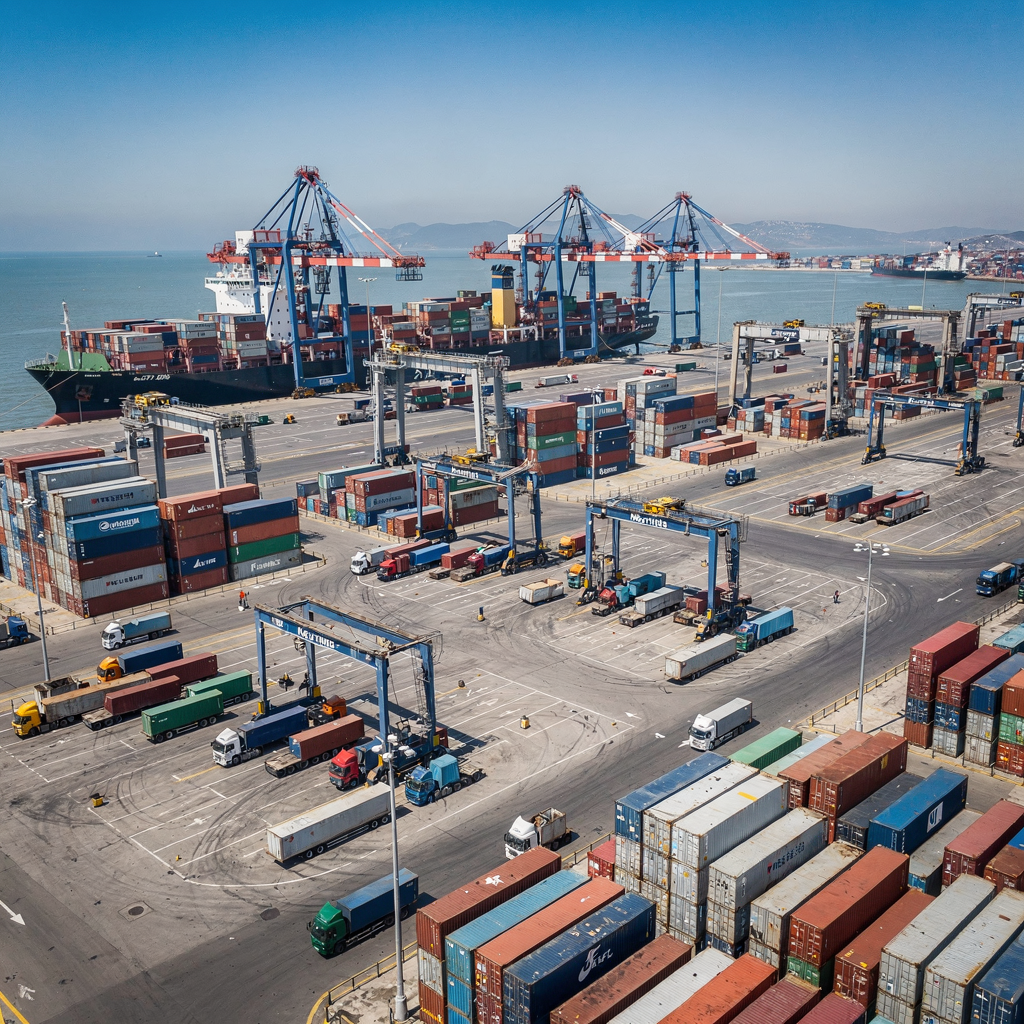
Optimize port terminal operations with predictive scheduling
port and container port: The role in global trade and emerging demands Ports move the goods that keep modern supply chains running. A port is the physical gateway where ships, trucks and trains meet. A container port focuses on standardized boxes and fast transfers. As a result, they shape global trade patterns and influence how […]
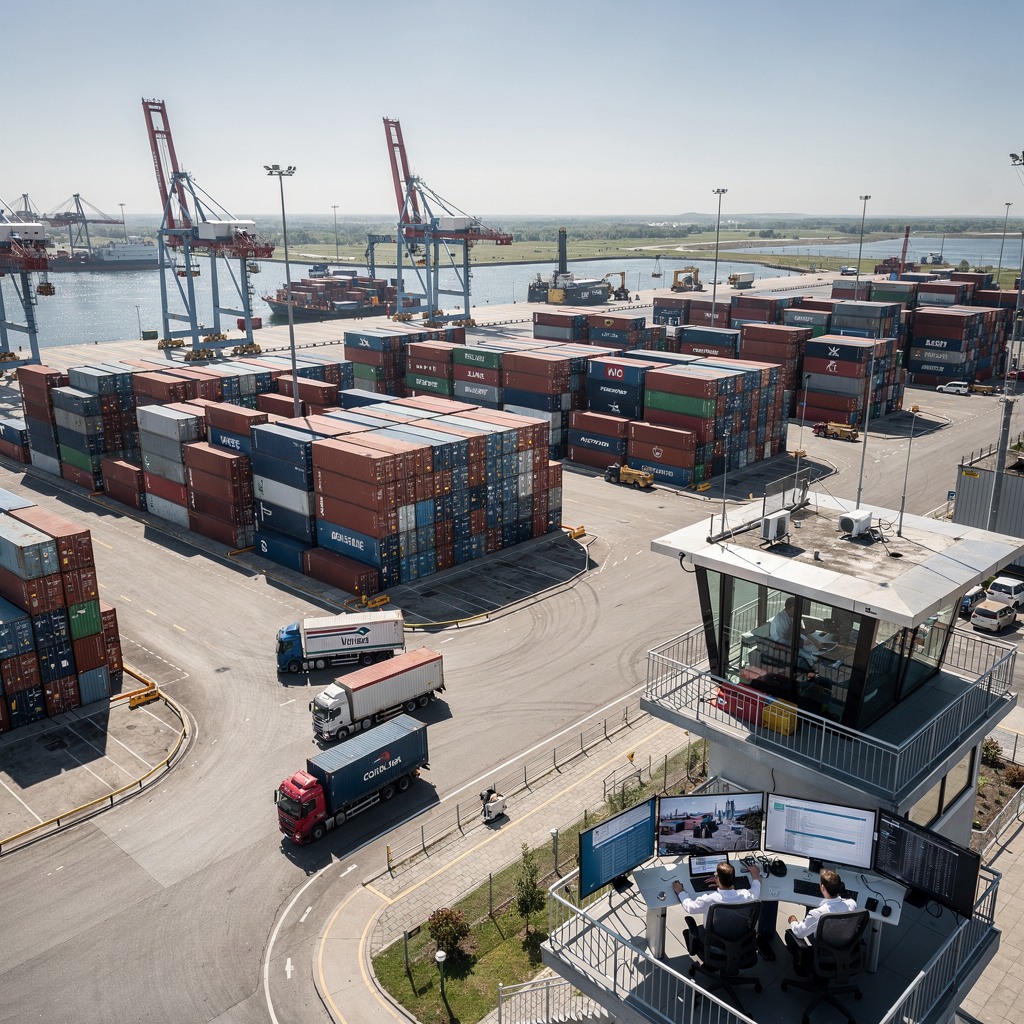
Balancing automation and human oversight in port terminals
Understanding Terminal Automation: Balancing Efficiency and Human Oversight Terminal automation refers to the use of advanced technologies to automate routine tasks inside an inland container terminal and to streamline vessel planning. Automation can include software planning engines, automated container handling equipment, and sensors that feed digital systems. Also, such tools speed decision cycles and reduce […]
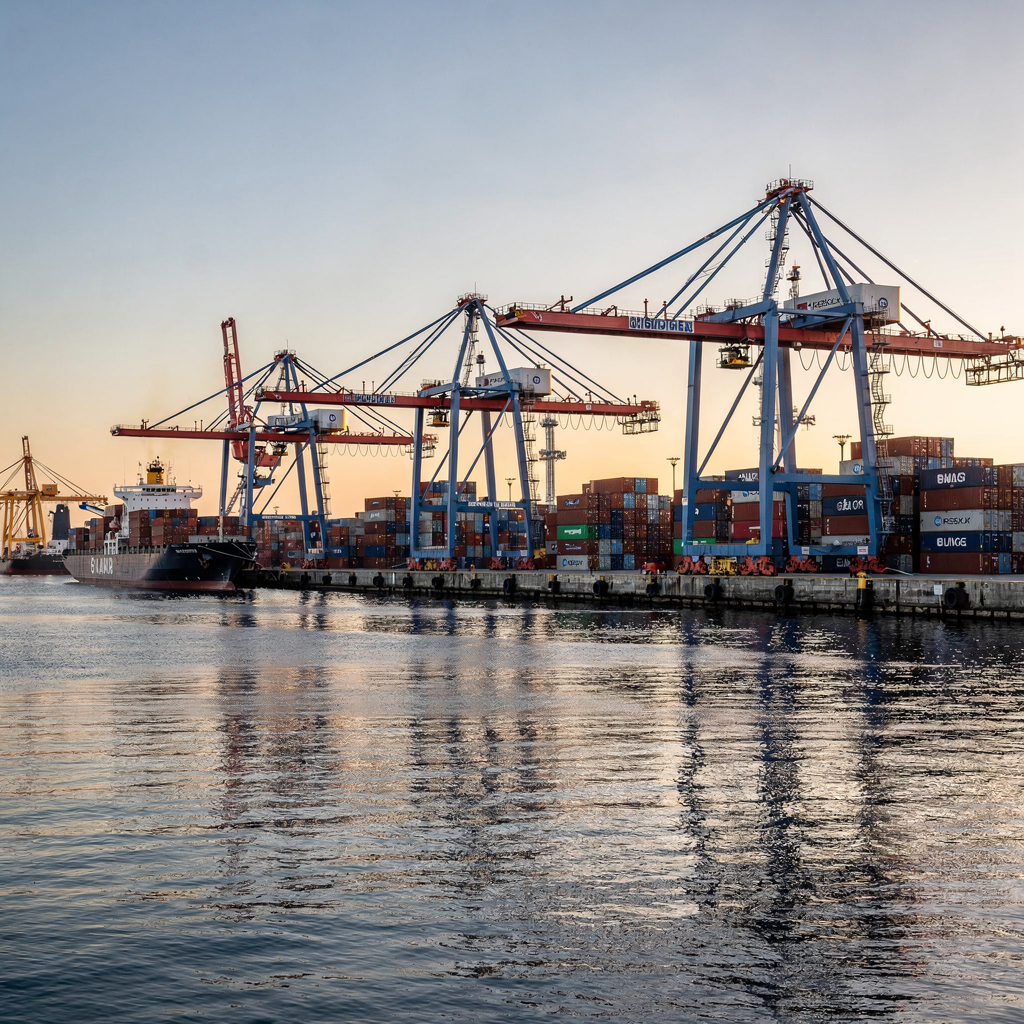
Port algorithm optimises crane and vessel planning
literature review First, this literature review summarises core studies on vessel planning in deepsea container ports and related terminal planning. Also, it highlights quantitative findings that show clear gains when ports tune hoist and trolley parameters. In addition, researchers report that increasing hoist count per gantry reduced handling time by up to 20% in empirical […]
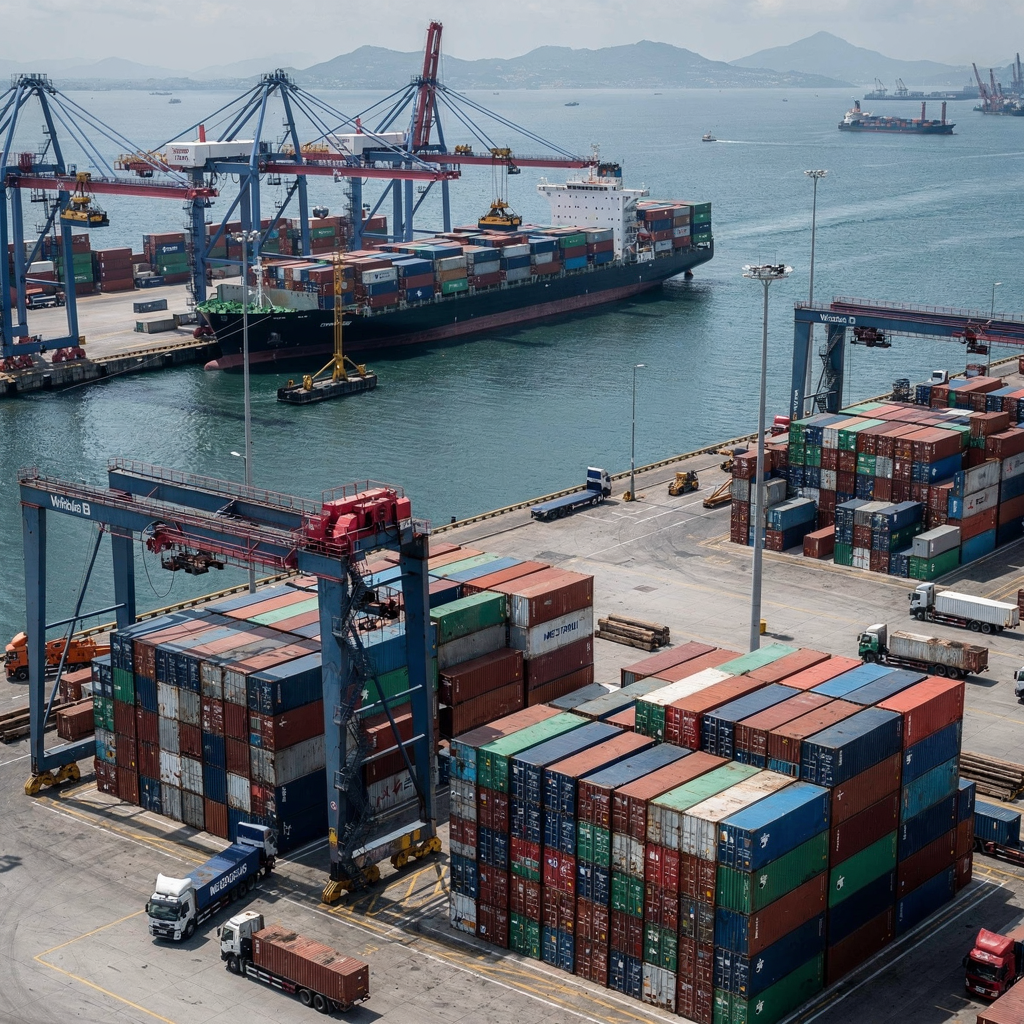
Container terminal equipment planning explained
Container Characteristics: Impact on Equipment Selection First, container TYPE and DIMENSIONS drive the choice of handling equipment. For example, TEUs and FEUs differ in length. Therefore, crane reach and lift capacity must suit both sizes. Also, the design of container affects spreader settings and the required reach of ship-to-shore crane. In practice, terminal planners check […]
Data exchange standards in container ports
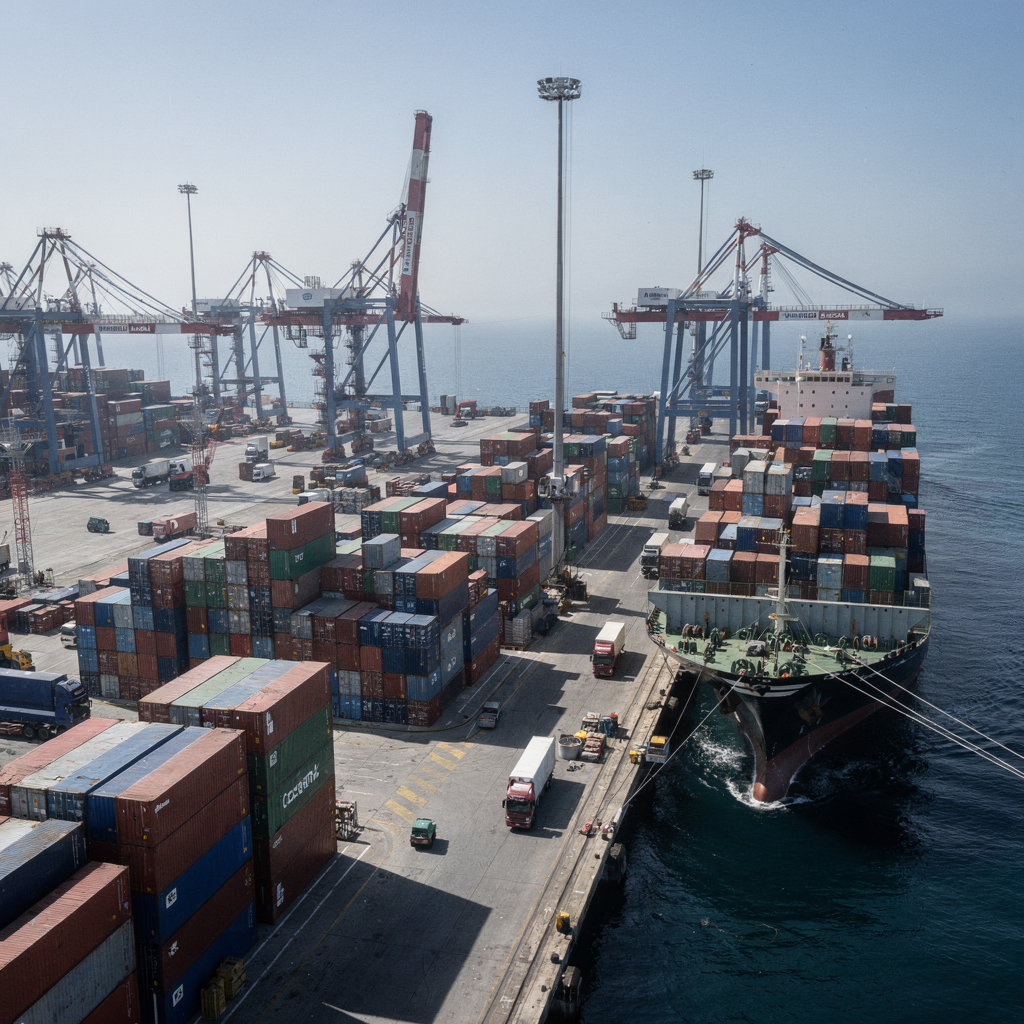
Port and Maritime Landscape: Challenges and Complexity Container terminals bring together cranes, trucks, yard equipment, and IT systems to move SHIPPING CONTAINERS from ship to shore and back again. The PORT environment sees tight berths, crowded yards, and shifting vessel schedules multiple times per day. Many public and private STAKEHOLDERS take part, including terminal operators, […]
AI multi-agent system for container terminal port
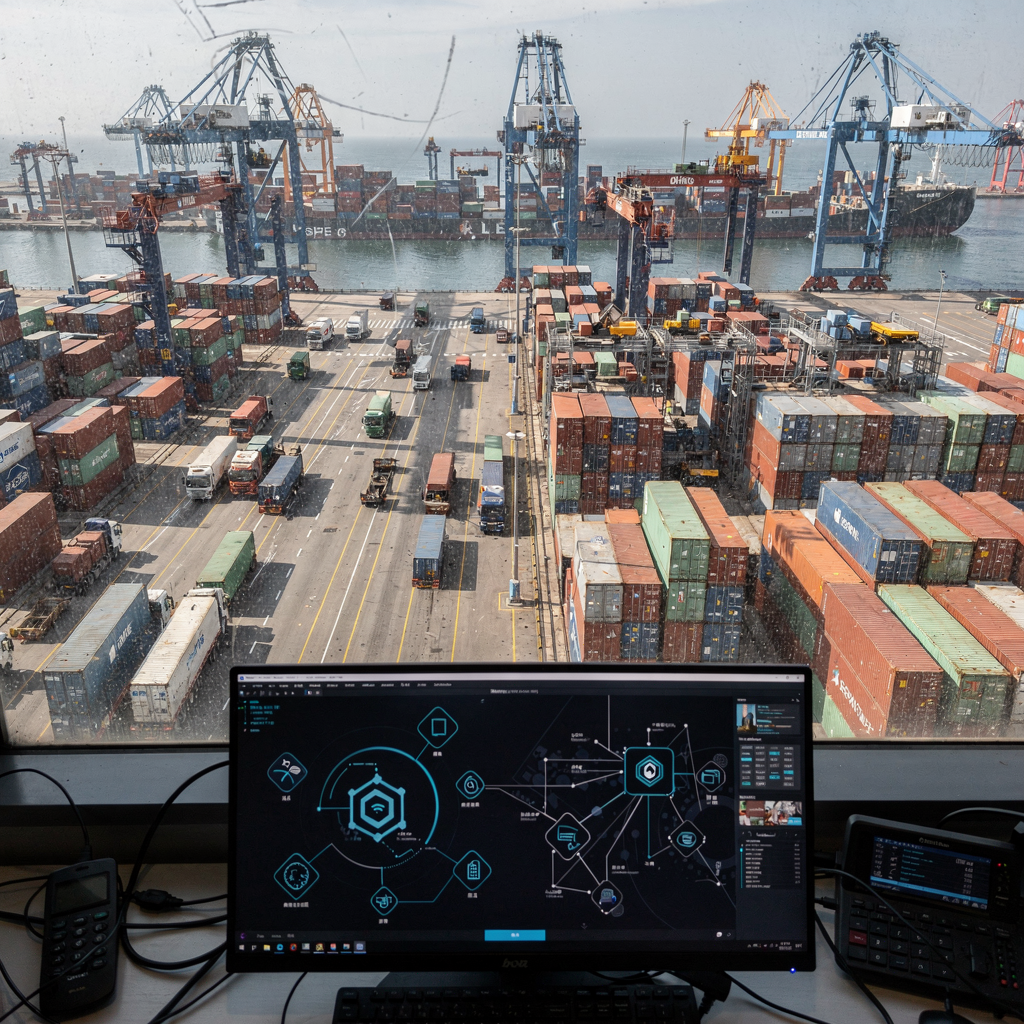
AI and agentic AI in port operation AI now drives dramatic improvements in how terminals run. First, AI means systems that sense, learn, and act. Next, agentic AI builds on that by creating multiple autonomous agents that plan and act in concert. In port operation this matters because traffic mixes change fast, and equipment status […]
