
latest news
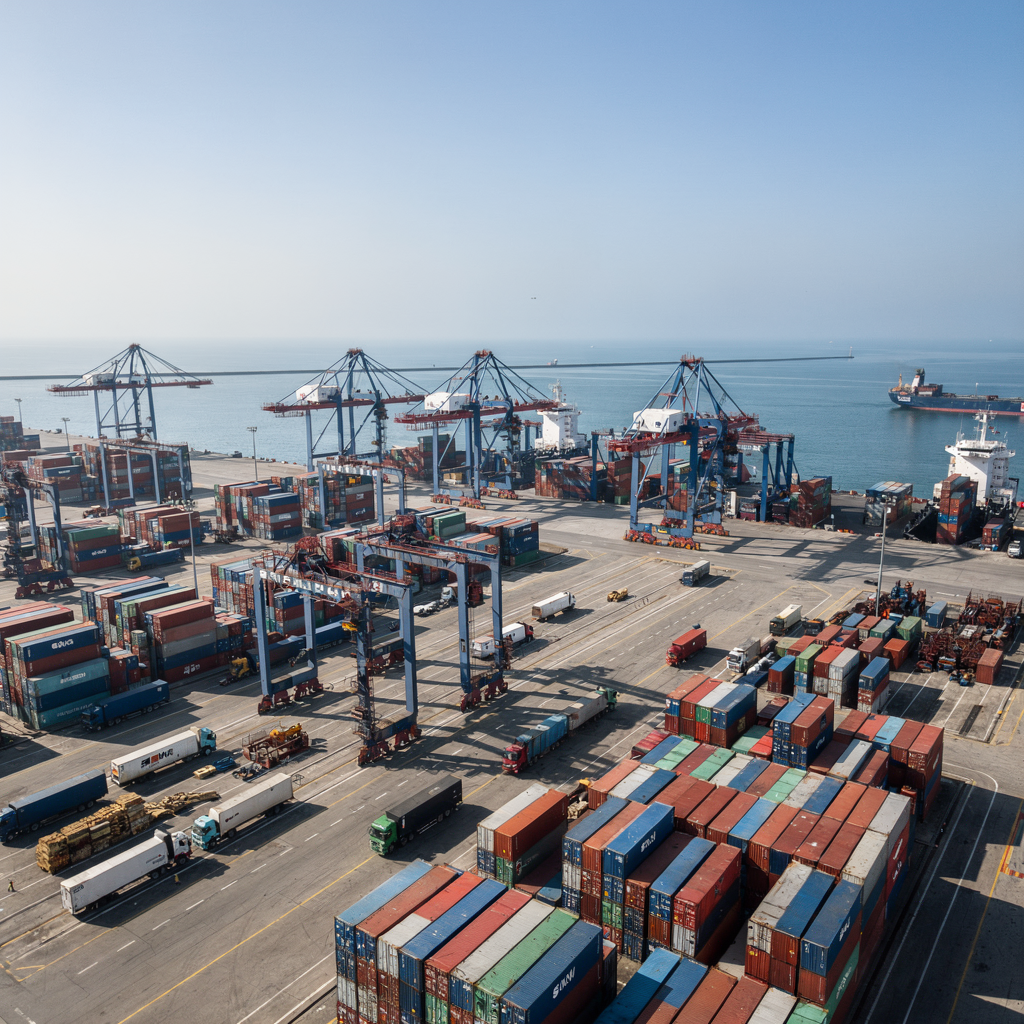
Terminal digital twin software for port simulation
digital twin and port simulation in terminal environments First, define what a digital twin is for terminal operations. A digital twin is a deliberate digital representation of a physical facility that mirrors behavior, state, and performance. In short, the twin is a virtual representation of the full facility. This digital representation acts as a virtual […]
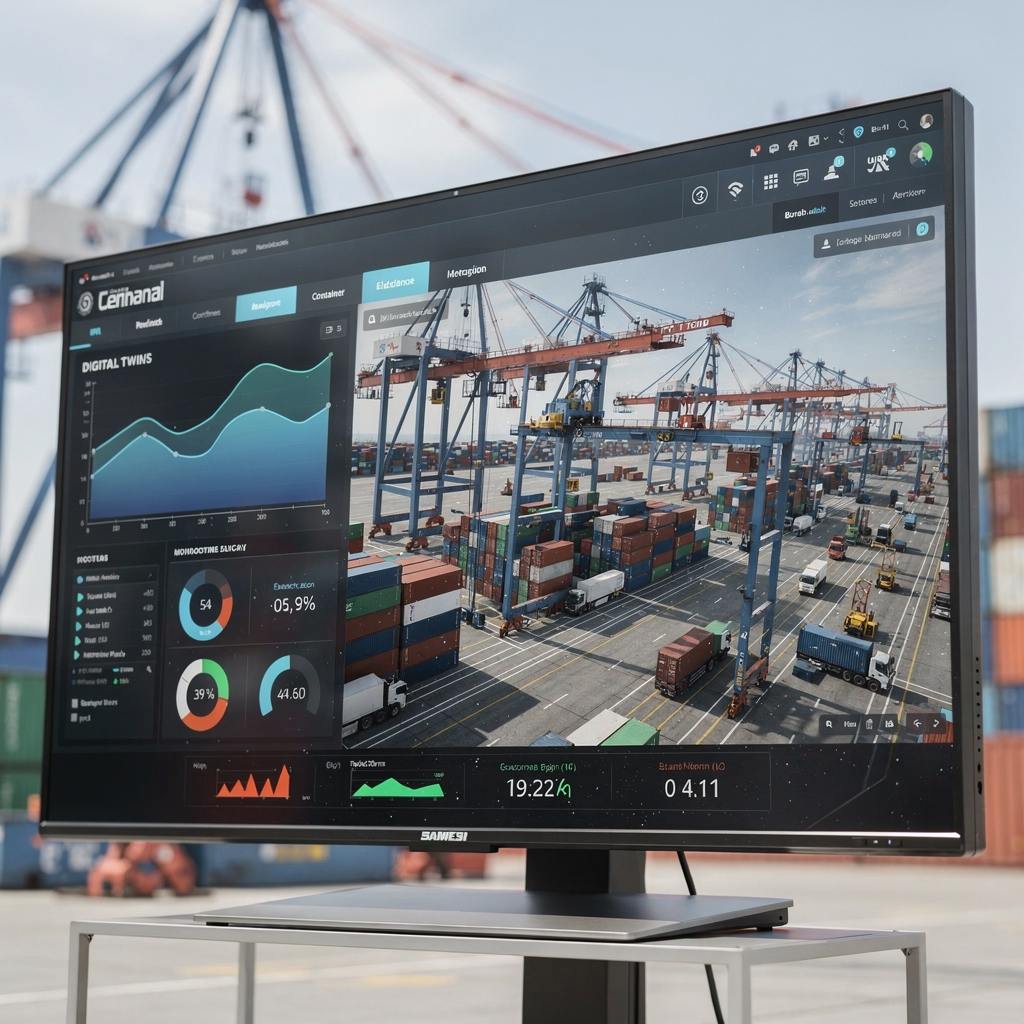
Port terminal throughput simulation with AnyLogic
Simulation Model and Terminal Simulation Terminal simulation builds a working, virtual representation of terminal operations so planners can test ideas before they act. A simulation model here represents quay cranes, trucks, yard stacks, gates, and human operators. First, define TERMINAL SIMULATION as a live, interactive replica of processes at a port or container terminal. Second, […]
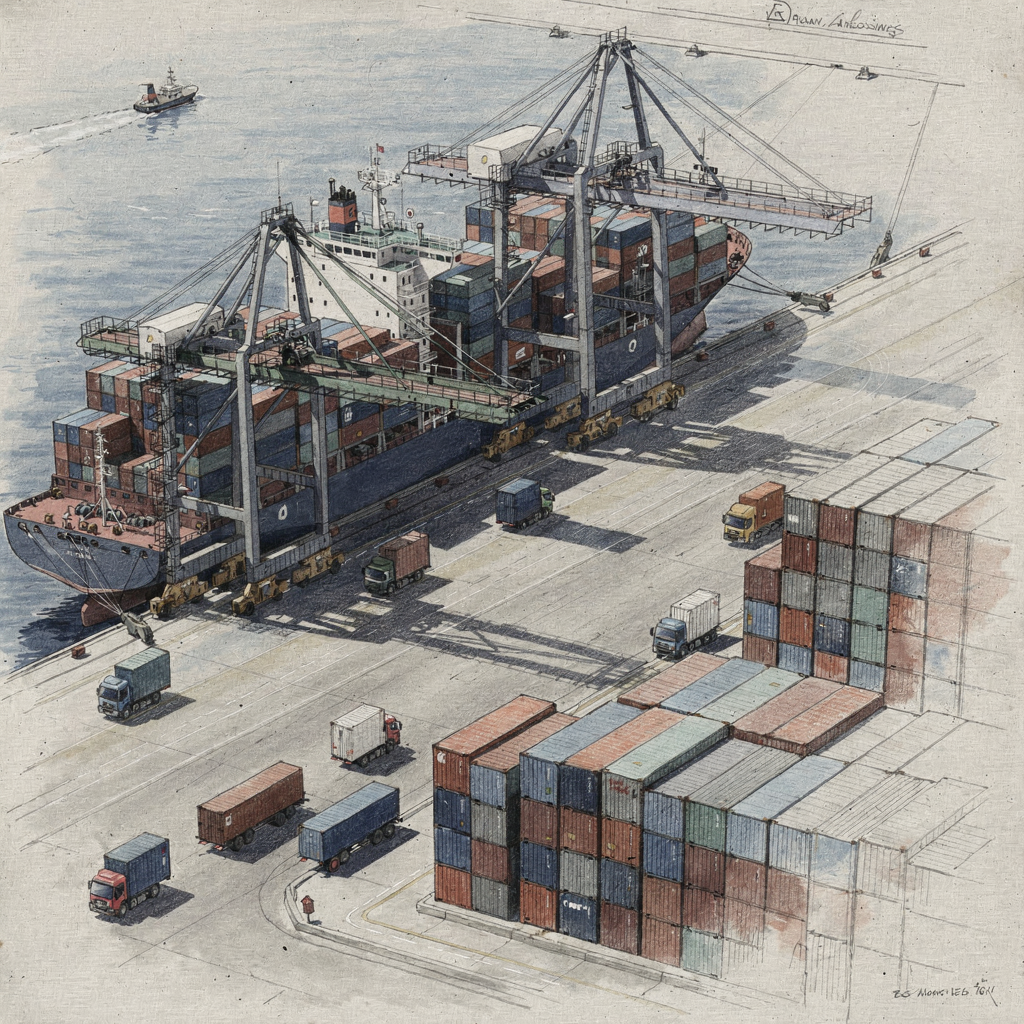
Discrete event simulation container terminal model overview
simulation and its role in container terminals Discrete event simulation is a cornerstone analytical approach for modern terminals. It models key events in time so planners can investigate how arrivals, handling, and transfers interact. In practice, that means representing vessel berthing, quay crane cycles, truck arrivals, and yard moves as discrete events that change the […]
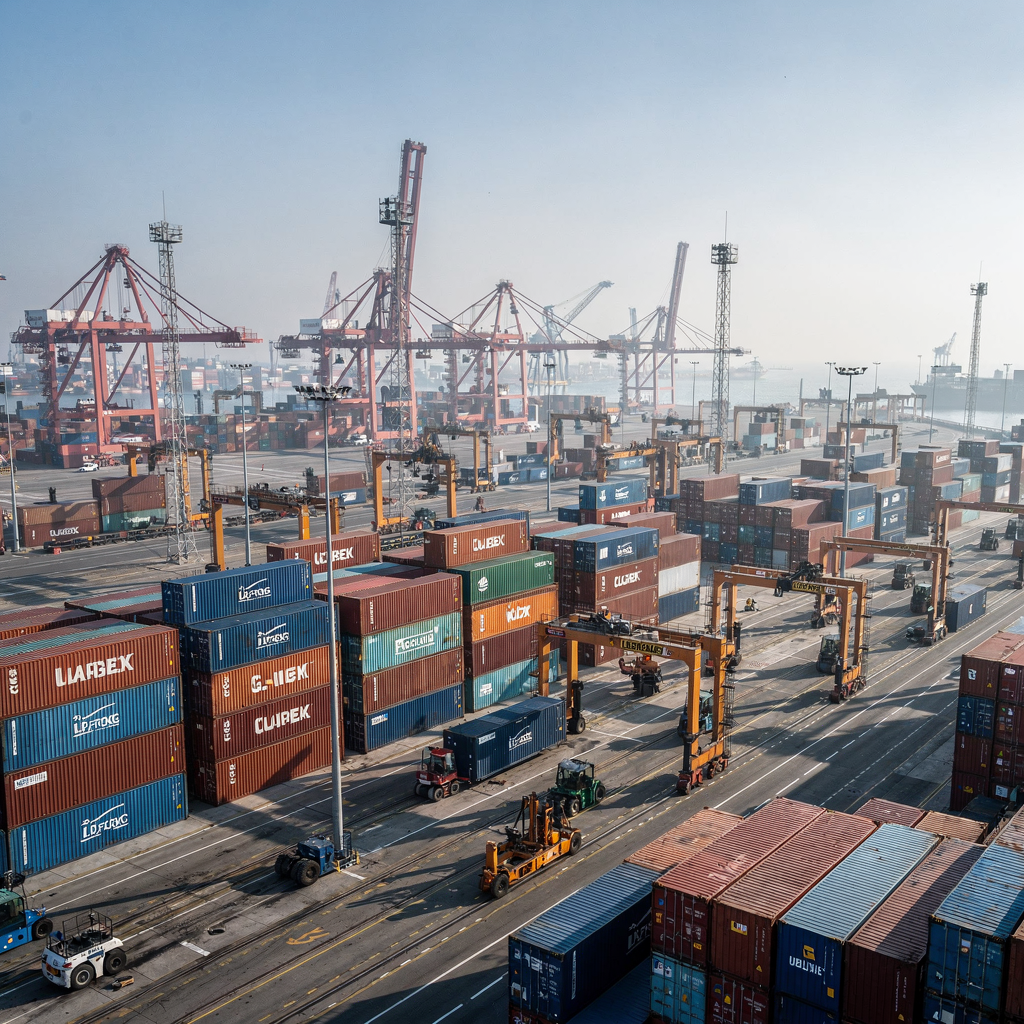
Container yard simulation system for port terminal
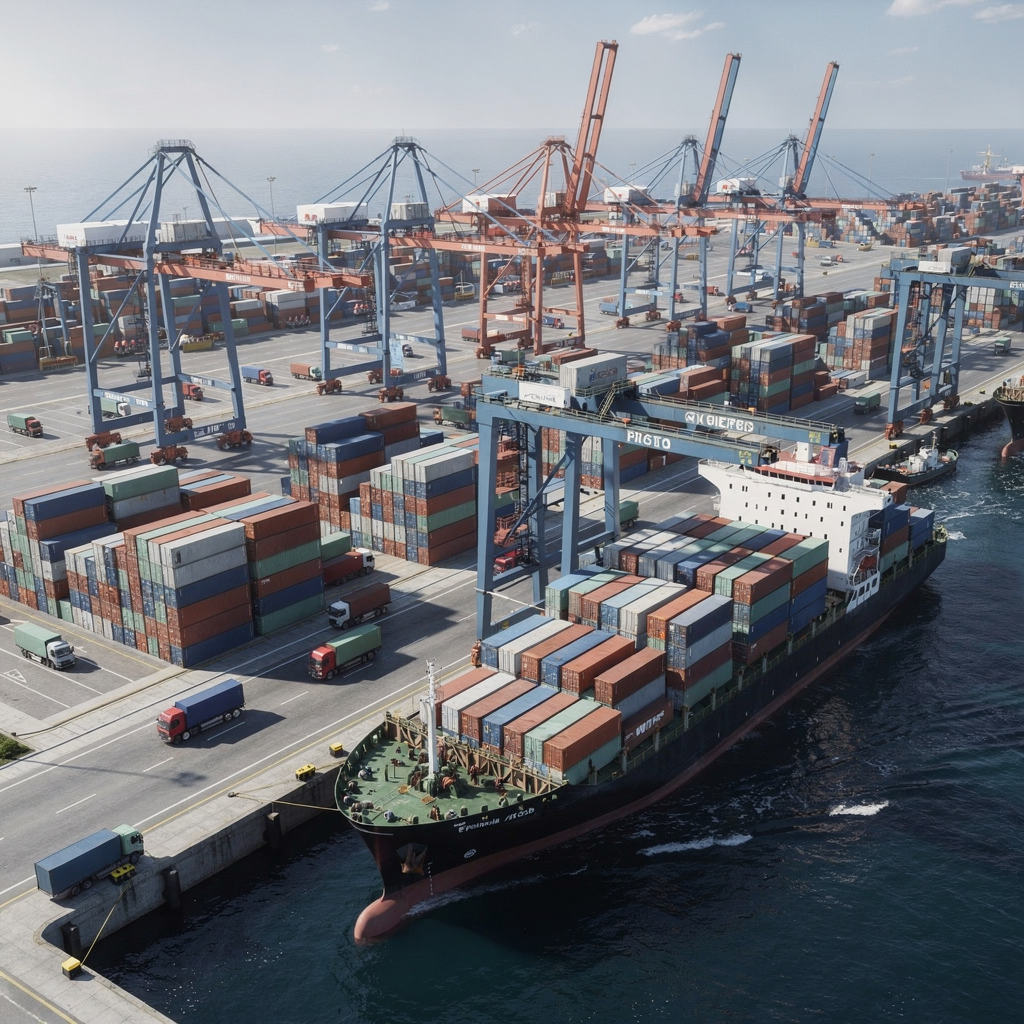
container port terminal: Simulation System Foundations A container port terminal depends on many linked processes. A container arrives. It is moved, stored, and later dispatched. Terminal staff, quay cranes, yard cranes, and trucks coordinate work. The container yard supports those flows. A clear definition helps. A container is a standardized cargo box that moves by […]
Maritime terminal simulation software for port design
Maritime Simulation: Foundations and Frameworks Maritime simulation sits at the intersection of engineering, operations research, and software design. First, discrete-event and multi-agent modeling describe time-sequenced events and individual actor decision rules. Second, a simulator represents quay cranes, trucks, and yard equipment as agents that interact. Third, the system models vessel movements and quay crane scheduling […]
Port terminal simulation tools: improve terminal operations
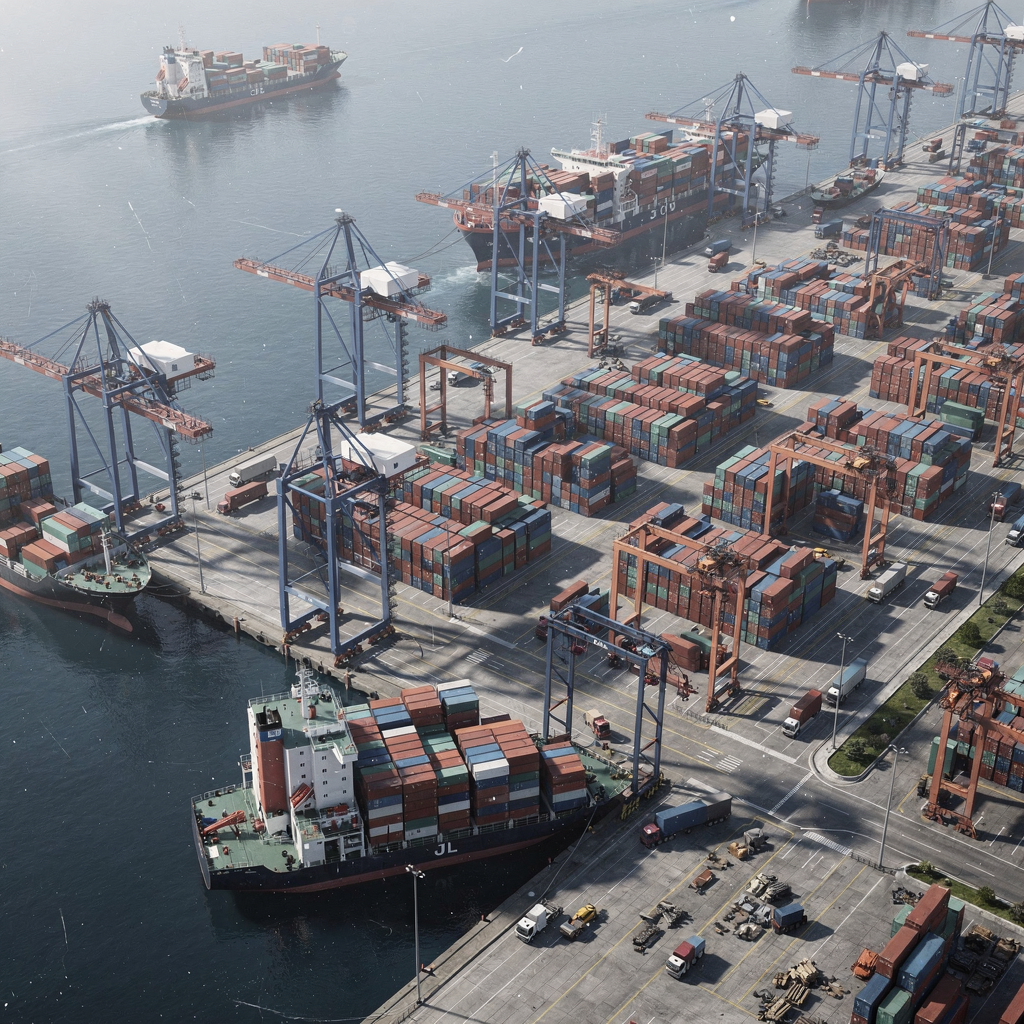
simulation model and digital twin: risk-free design for port terminals A simulation model and a digital twin sound similar, and yet they serve distinct roles in a maritime context. A simulation model is a simplified, verifiable representation of processes and rules. A digital twin extends that idea into a live, data-linked virtual replica of equipment, […]
