
latest news
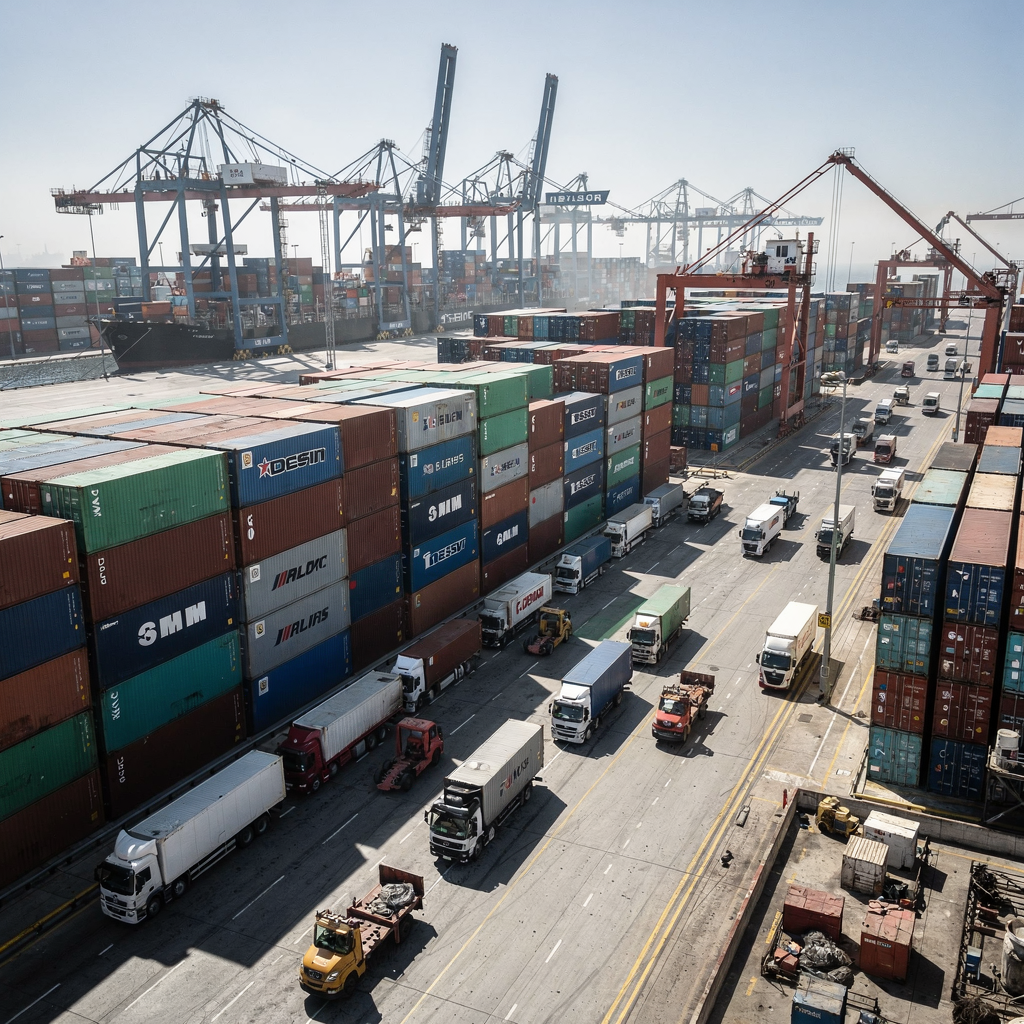
Simulation for terminal operating system decision support
terminal operations: scope and complexity Terminal environments vary widely in scale and function. A container terminal focuses on stacked boxes moved by gantry crane systems, RTG equipment, and yard tractors. Ro-Ro terminals accept wheeled vehicles and need fast ramp access. Other terminal types include bulk, breakbulk, and intermodal hubs that link rail and road. Terminal […]
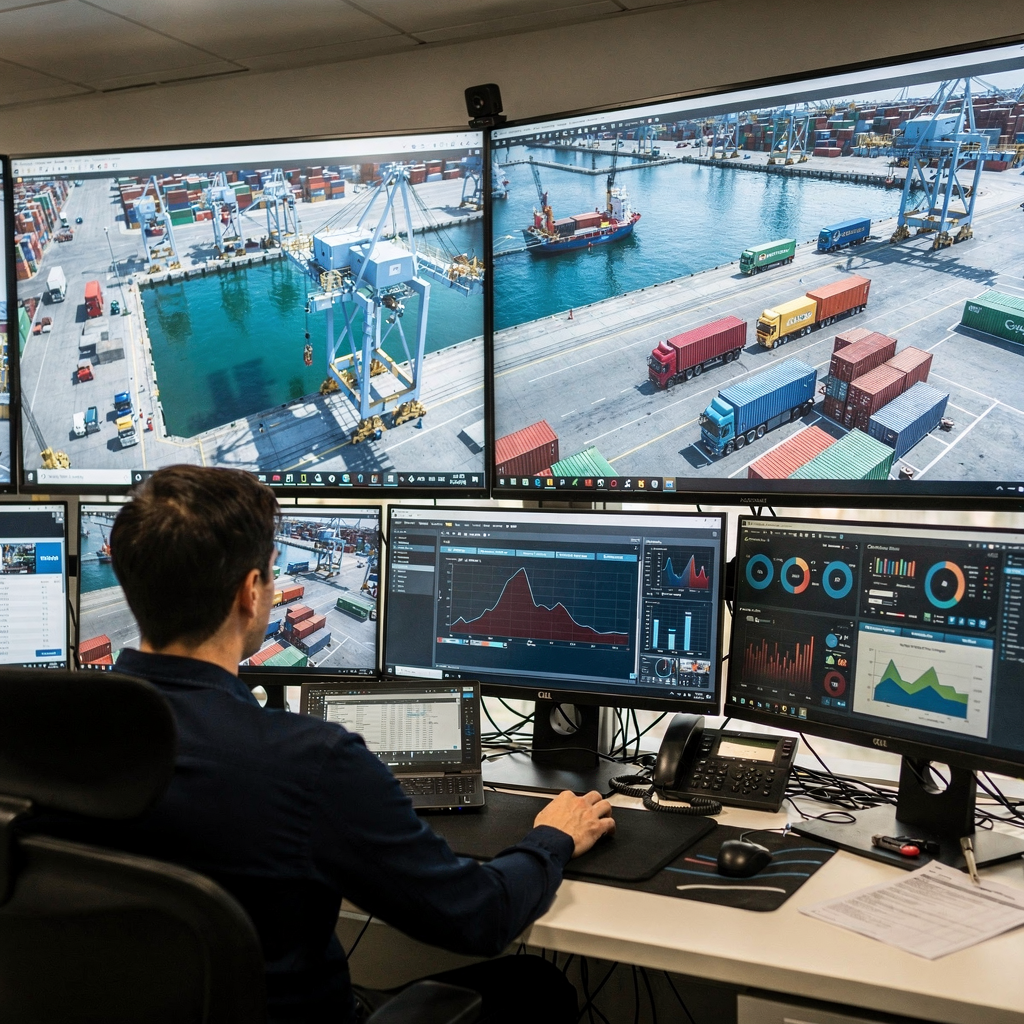
Terminal simulation software for port optimisation
Terminal operating system for container terminal operations A Terminal Operating System (TOS) coordinates the flow of containers across quay, yard, and gate. First, it supports vessel planning, yard management, and gate control. Next, it gives terminal managers a central view of equipment and labour. For example, a vessel planner can sequence calls, an operations manager […]
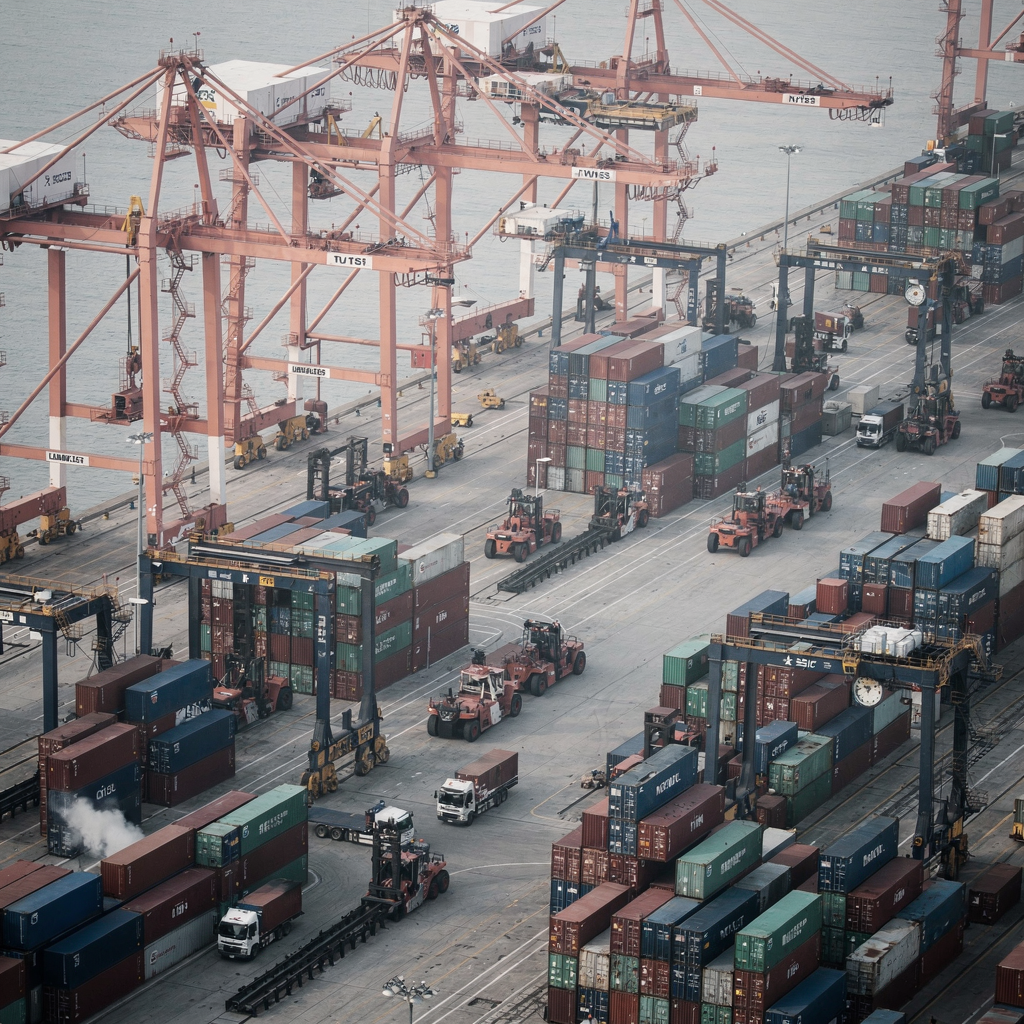
Container terminal simulation vs TOS: terminal efficiency
Container terminal simulation vs TOS: terminal efficiency Port and terminal operations: Foundations of container handling The port sits at the centre of global trade, and it links ships, trucks, rail, and storage. For that reason, operators and planners must manage cargo flow, equipment, and people. A busy terminal handles vessel berthing, quay moves, container stacking, […]
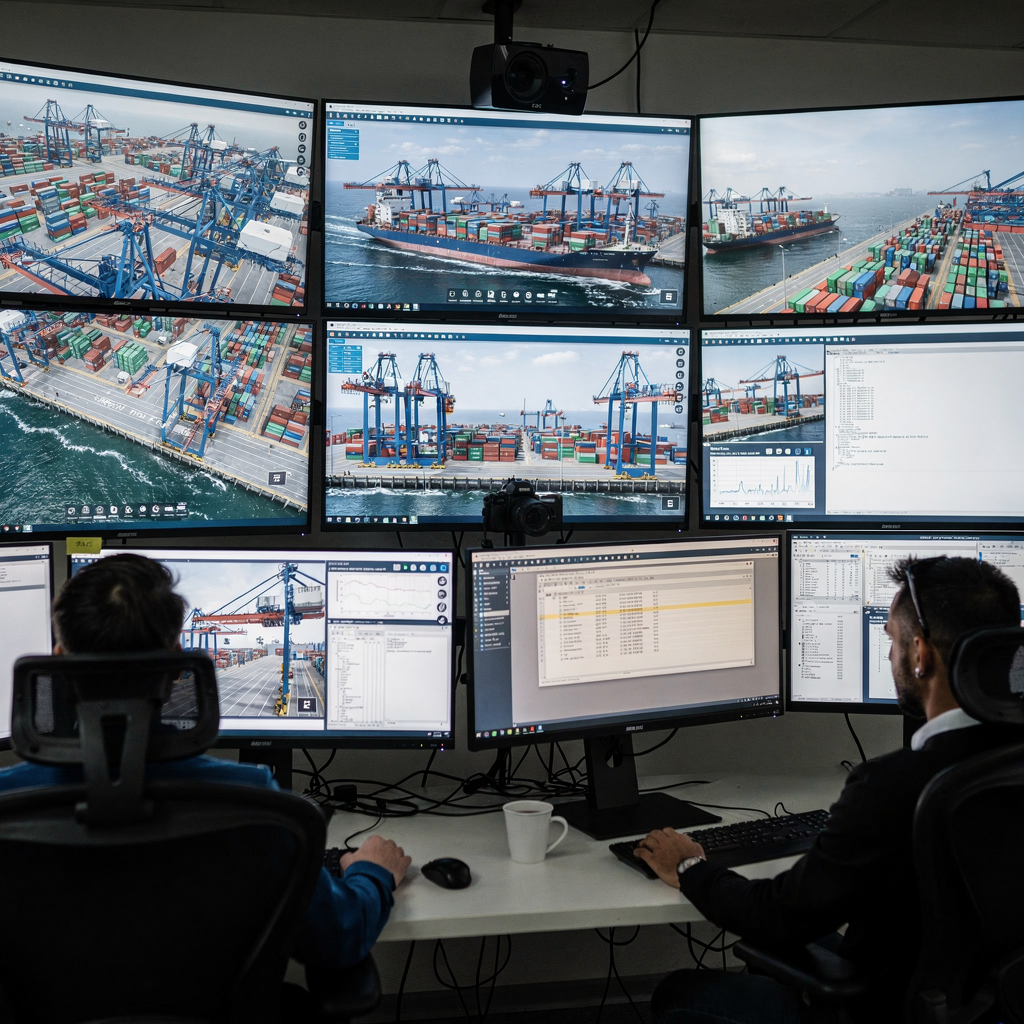
Terminal equipment simulation tool for operator training
Terminal simulation and simulator: introduction to operator training Terminal simulation refers to the practice of creating a digital replica of terminal devices and environments so engineers and operator teams can test, train, and validate systems before deploying changes. In telecommunications, terminal simulation helps teams emulate telephones, fax machines, and CUSTOMER PREMISE EQUIPMENT (CPE) to check […]
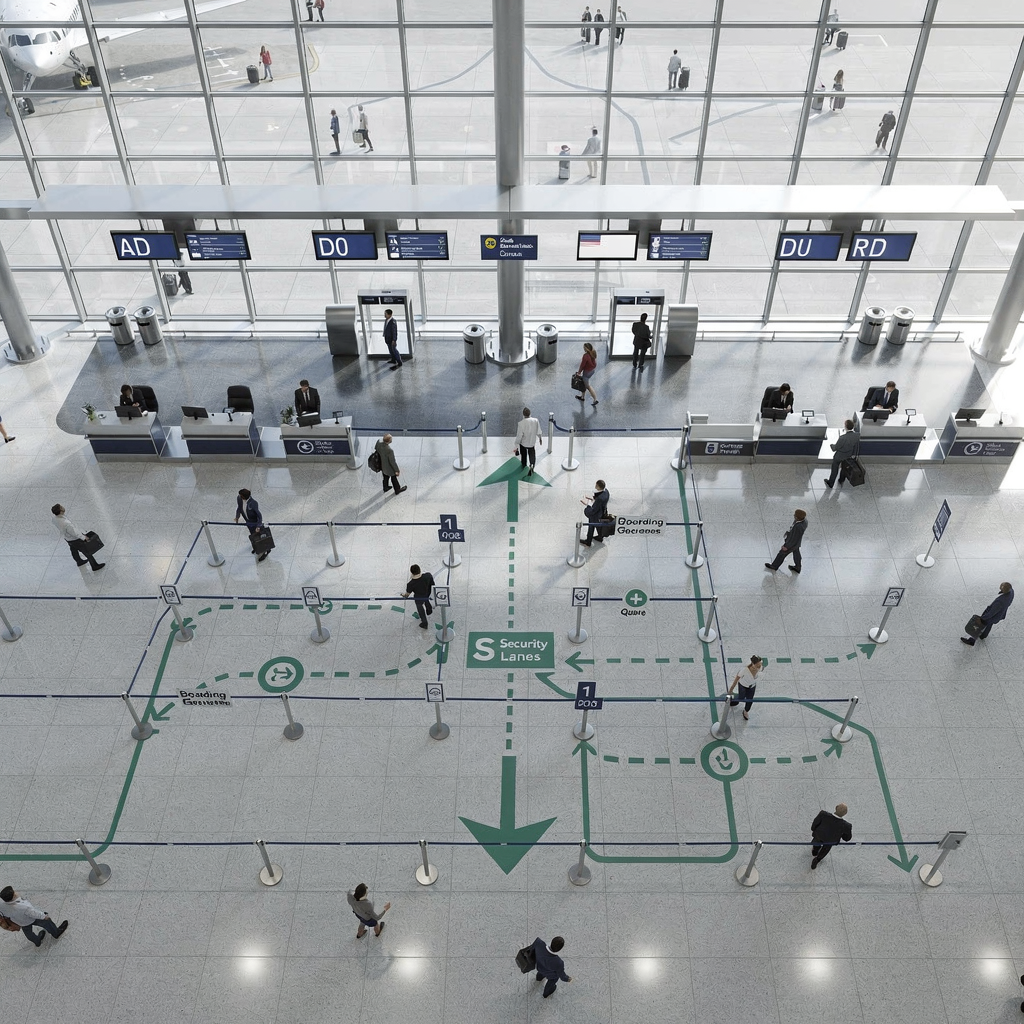
Terminal layout optimisation simulation for airports
Chapter 1: simulation offers in airport terminal However. Therefore. Furthermore. Also. Meanwhile. Additionally. Consequently. Thus. Hence. Next. First. Second. Finally. Terminal layout matters more than many teams expect. Simulation offers a safe way to test designs before any concrete work begins. Planners can replicate passenger movements and resource constraints, and then compare alternatives without disrupting […]
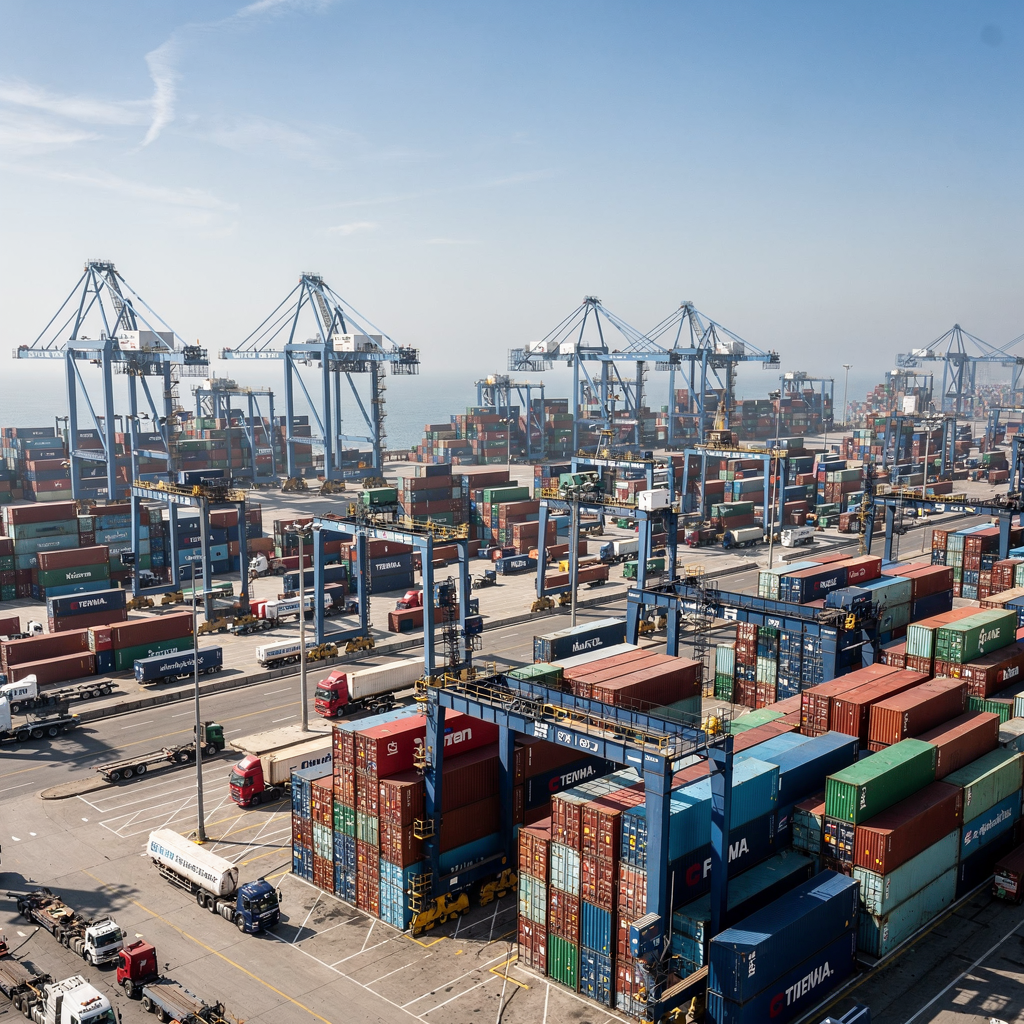
Container terminal what-if simulation for port planning
Simulation Model for Container Terminal Operations What-if simulation helps planners replicate and test container terminal operations before changes reach the yard. In practice, a simulation model maps quay activities, yard moves, gate flows, and truck dispatch. Also, it represents the rules and constraints you use in daily planning. For example, variables in a simulation model […]
