
latest news
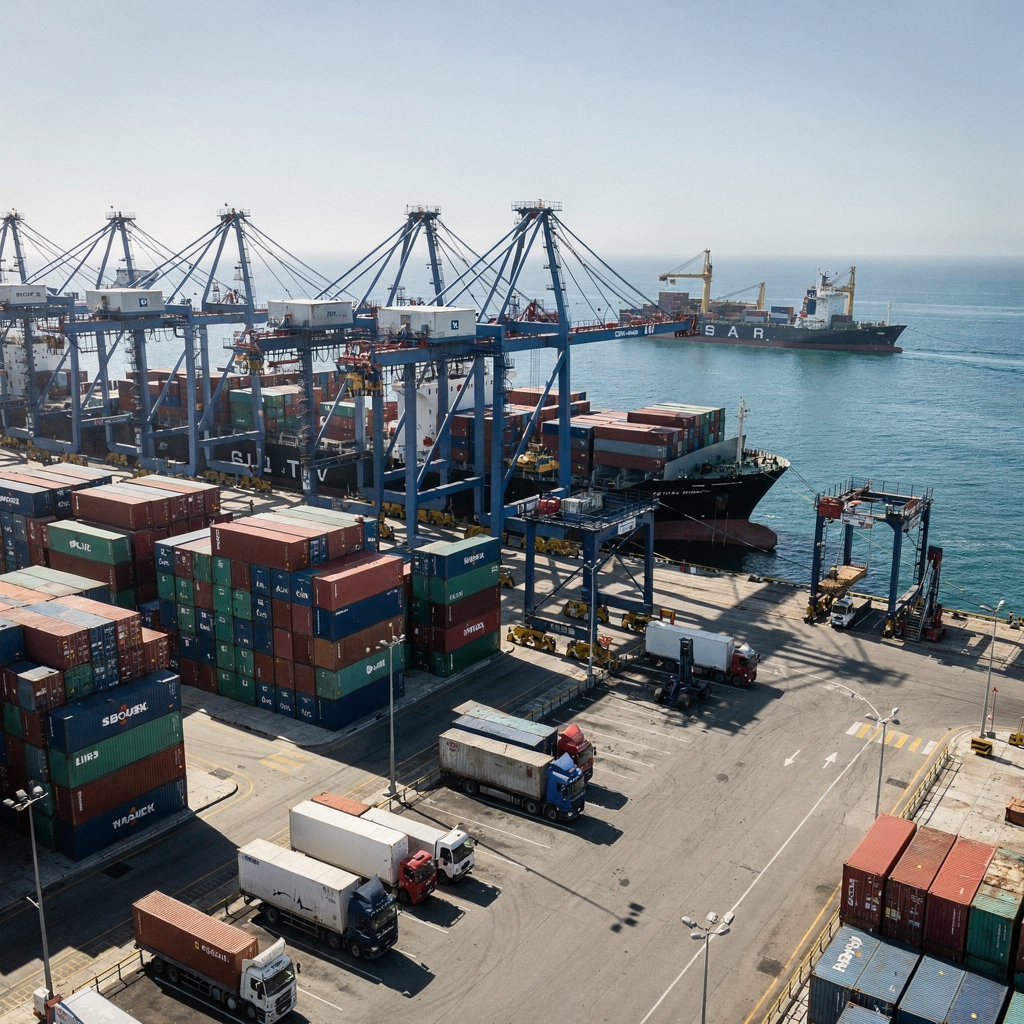
Navis N4 Terminal Operating System for APM Terminals
terminal Challenges and Opportunities at APM Terminals APM Terminals face tight margins, shifting vessel schedules, and changing cargo mixes. Current inefficiencies in vessel turnaround and yard utilisation create daily pressure on planners and operational staff. Planners often juggle many constraints, and they must prioritize quay moves while avoiding yard congestion. At the same time, fragmented […]
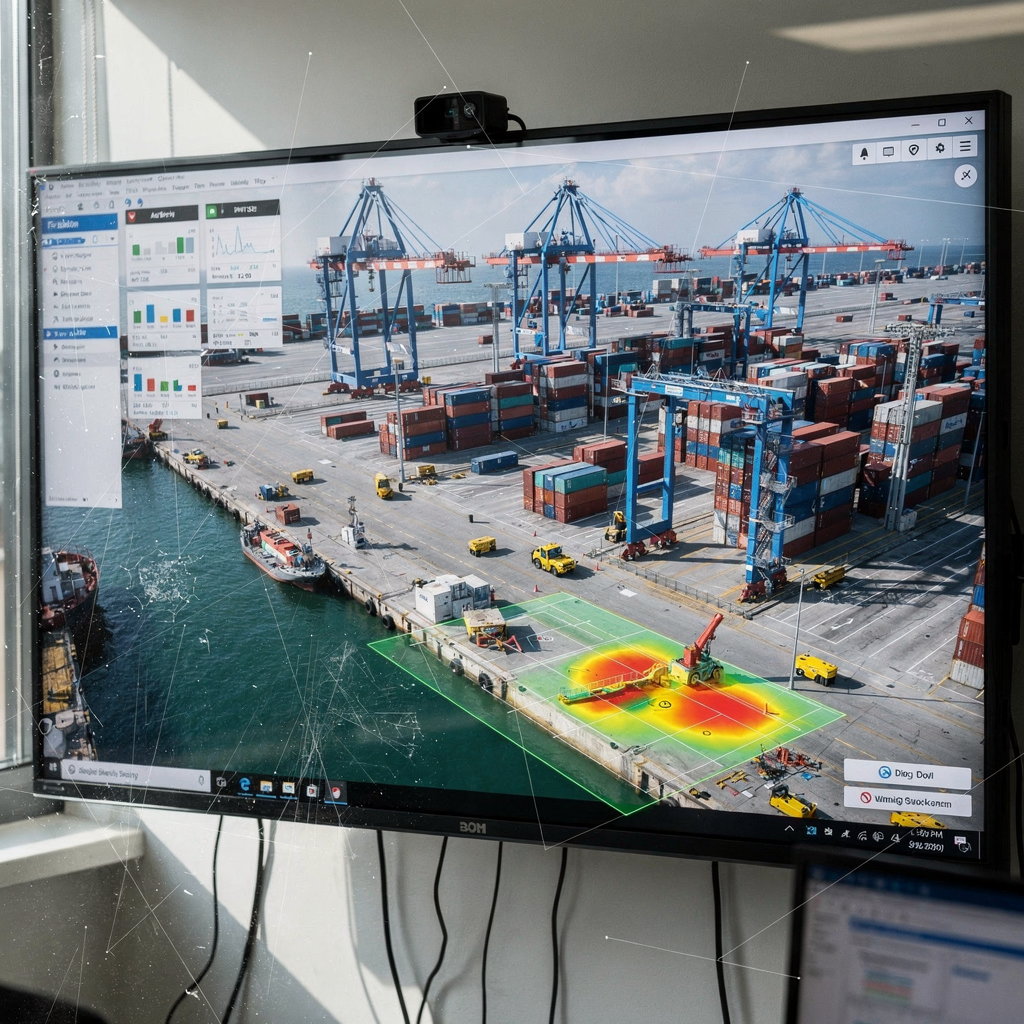
TOS modelling and simulation tools for system analysis
Terminal model Architecture and Digital Twins The TERMINAL model definition starts with a clear split of physical modules and control logic. First, a digital twin represents the yard, the quay, the gate, and the vessel modules as separate, linked components. This approach lets planners and engineers test layout changes and traffic rules in a copy […]
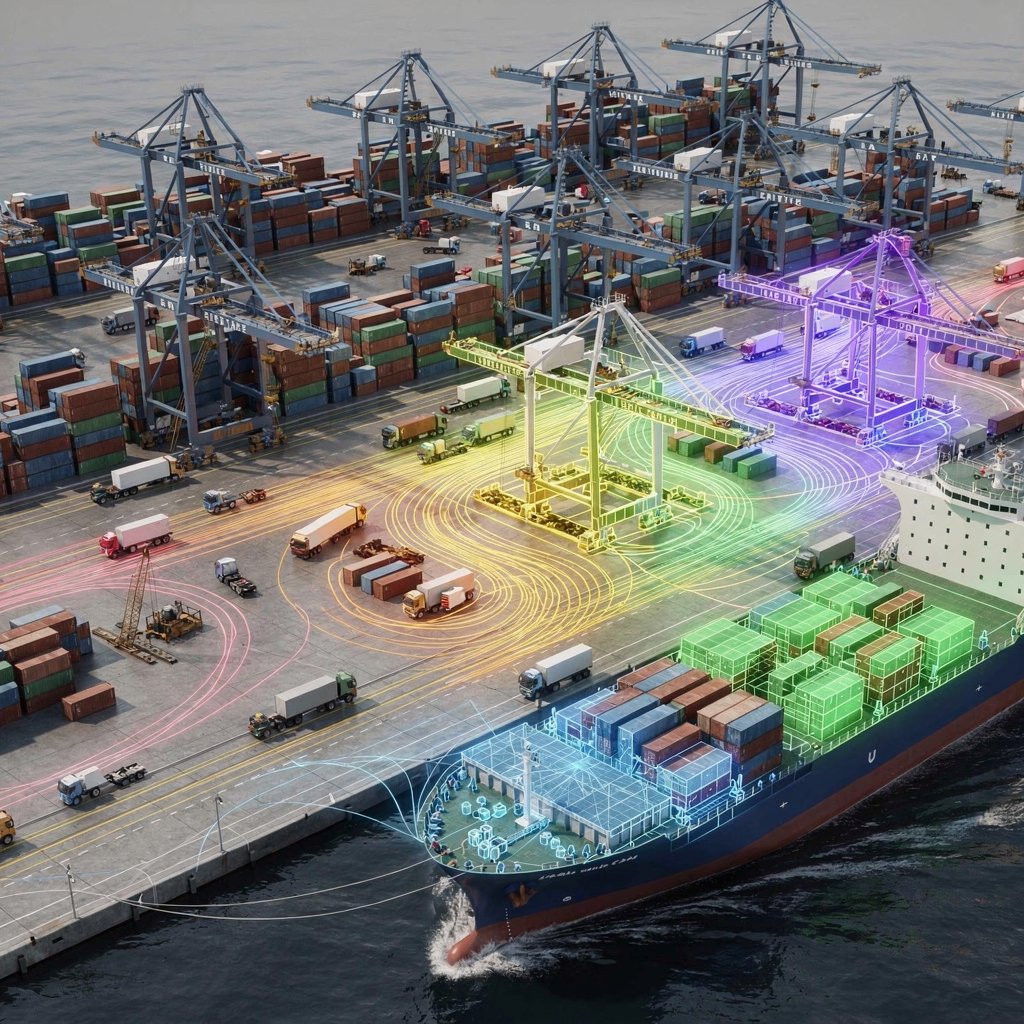
TOS planning simulation software for optimisation
simulation in Container Terminal Operations First, define what simulation means for a modern container terminal. In short, it creates a digital replica of physical port processes so planners can test decisions before they touch real equipment. Next, the model represents berth, yard and gate activities in a controlled test environment. For example, berth handling, crane […]
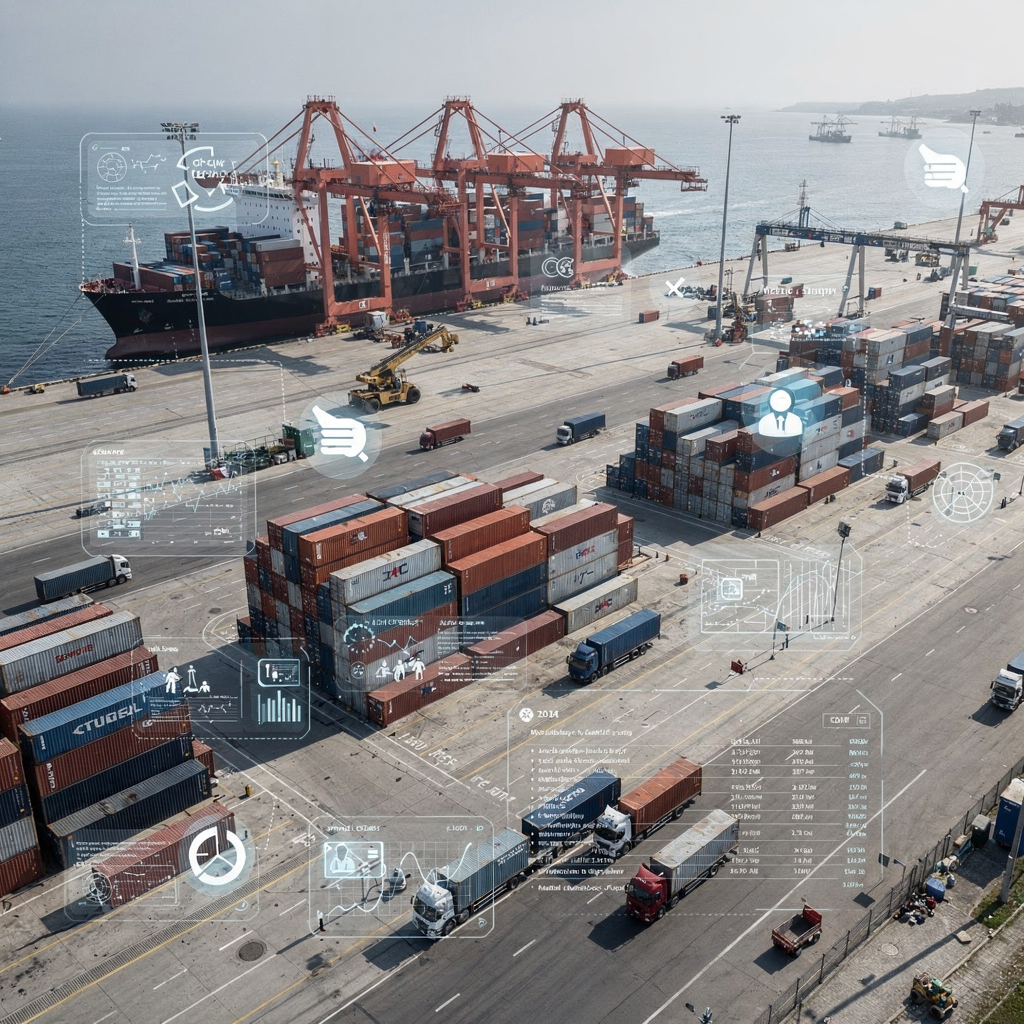
What-if scenarios for terminal TOS
terminal: What-if Scenarios in Container Terminal Operations What-if analysis tests alternate futures for a terminal, and it helps planners prepare for uncertainty. In this chapter we define what-if analysis and show its role in terminal planning. First, a what-if study models sudden cargo surges, equipment failure, labour shortages, or altered vessel schedules. Then planners can […]
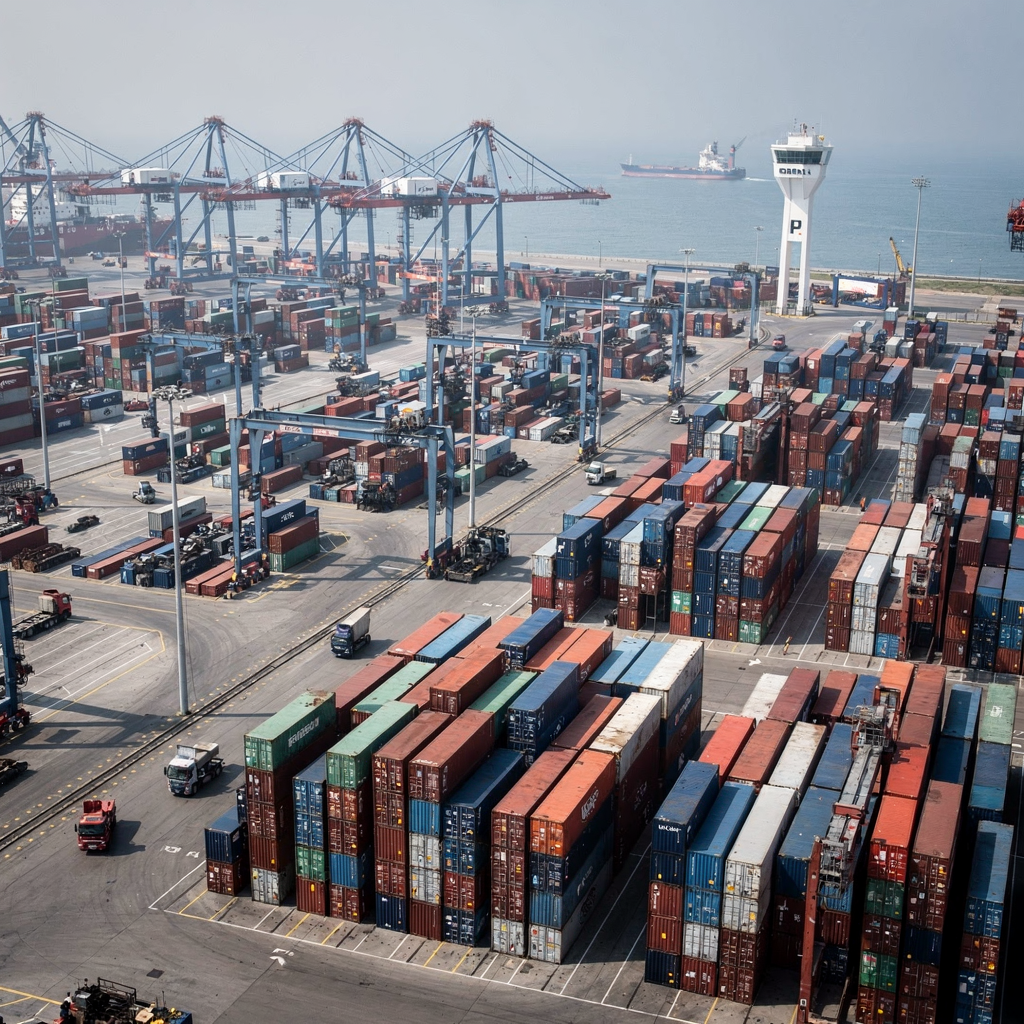
Simulate yard operations with TOS integration
Overview of container terminal and terminal operation A container terminal is a focused area where ships are served, containers are moved, and logistics are coordinated. First, the layout brings quayside, yard and gate together. Second, storage blocks, feeder berths, and landside interfaces support intermodal flows. Third, handling equipment such as quay cranes, RTGs and straddle […]

Trade options: TOS simulation model tools on thinkorswim®
Trade Options with thinkorswim®: A Platform Introduction Option trading lets you buy or sell the right to transact a stock at a set price before an expiration date. First, understand that options can hedge portfolios and enable leveraged exposure. Next, simulate ideas before you risk capital. The thinkorswim® interface pairs real market data with advanced […]
