
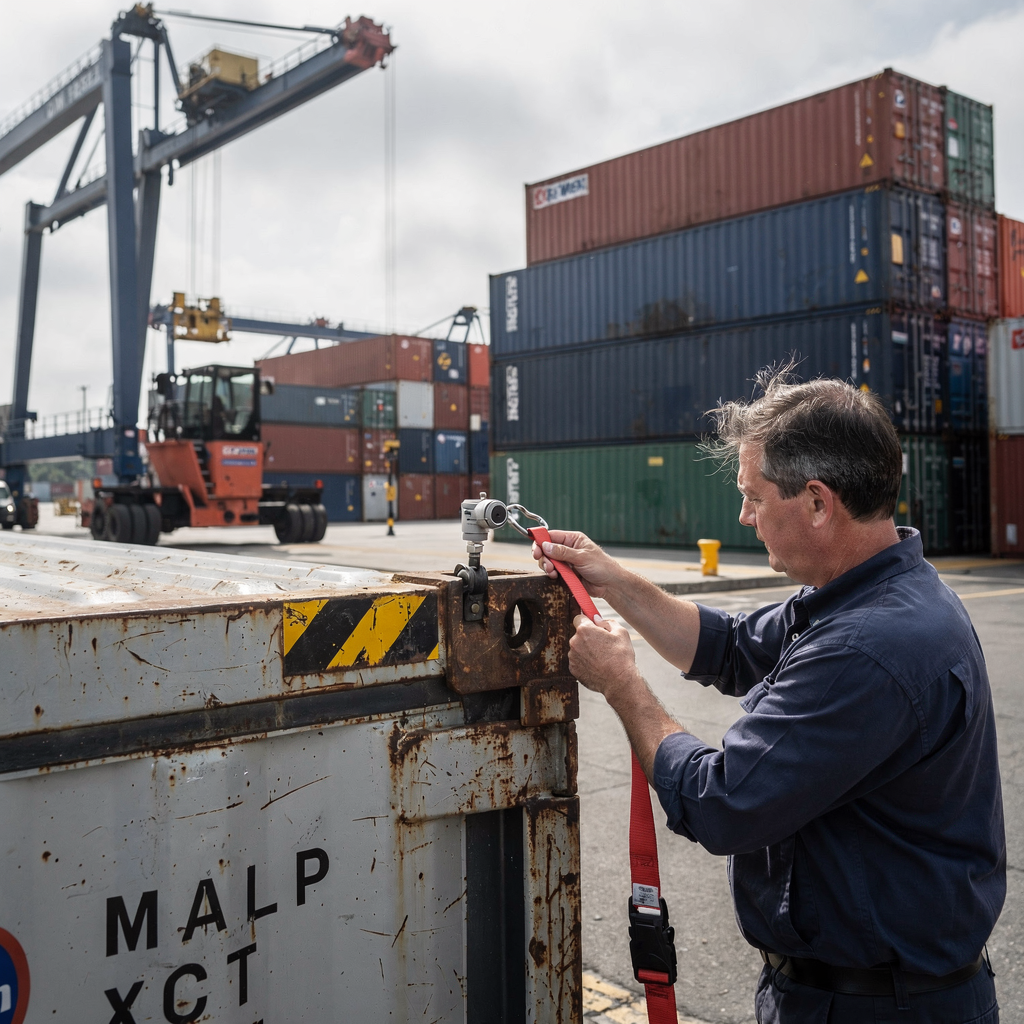
Container lashing force automation in inland terminals
1. Understanding Lashing force in Inland Terminals
First, define what container lashing does. Lashing secures stacked units and prevents movement during handling and transportation. In inland yards and on quays, lashings stop sway, twist, and tipping when lifts occur. Next, contrast the old manual check with a modern, sensor-driven measurement. Traditionally, crews relied on experience to judge tension. That manual check often left variation in practice across shifts. As a result, terminals faced inconsistent inspection outcomes and occasional damage incidents. A recent study showing improved terminal efficiency reports that automating verification reduces damage rates. The report documents a 15% drop in container damage at one major site after automated checks were added. This statistic highlights why consistent verification matters for both cargo and people.
Then, look at the technical gap that automation closes. Manual inspection depends on visual appraisal and simple tools. In contrast, automated systems collect precise readings at the moment of tension application. They log data, flag deviations, and store evidence for audits. For the planner and the operator, that data creates predictable standards. For regulators and insurers, it creates traceable proof of compliance. For dock crews, it reduces risky guesswork and the need for repeated re-tensioning.
Finally, consider the stowage and handling context. Lashings bear dynamic loads when cranes lift and trucks haul. Movement occurs especially during shifts between yard blocks, when a vessel calls, or when cranes rotate stacks on deck. A targeted survey of inland operations demonstrates that human variability in checks contributes to most minor incidents. Therefore, terminals aiming to reduce rehandles and protect cargo should ensure that lashing tension is measured and recorded routinely. To explore related tools for yard planning and resilience, see our analysis on inland terminal productivity improvement strategies. In sum, automated measurement turns an inconsistent process into a verifiable one. It raises standards and cuts routine risk.
Drowning in a full terminal with replans, exceptions and last-minute changes?
Discover what AI-driven planning can do for your terminal
2. The effect of Automation on Safety Standards
First, automated systems reduce human error by standardizing checks. They record exact tension values and compare them to safety thresholds. When a lashing falls below the required target, the system sends a real-time alert to the operator. Consequently, corrective action can happen immediately, instead of after damage occurs. This reduces both incident rates and disputes about responsibility. For example, the Port of Antwerp reported a measurable drop after adding automated verification, with a documented 15% reduction in container damage incidents following implementation. That concrete figure reinforces the link between precise measurement and fewer losses.
Next, automation supports audit trails and compliance. Each verification step can be timestamped and attached to a move order. Thus, terminals can show regulators how lashings were applied before a lift. This traceability helps during insurance claims and regulatory checks. It also helps terminal managers spot recurring failure modes in specific equipment or bay areas. Furthermore, standardized checks improve the quality of training programs because they make expectations explicit. Training can focus on interpreting alerts, calibrating equipment, and responding to flagged anomalies.
Then, consider safety culture. Automated verification shifts the focus from subjective judgment to measured performance. That change reduces “firefighting” and encourages planning. As an example, our closed-loop RL agents at Loadmaster.ai support planners with consistent sequences, which reduces last-minute rushes that raise incident risk. In addition, automated data helps terminals identify patterns such as weakening straps on a particular unit or repeated checks on certain stacks on deck. Therefore, the combination of measurement and analytics produces safer operations and a more accountable workforce. For more on mitigations during system change, review our guide on risk mitigation during TOS integration.
3. Technological Approaches to Lashing force Automation
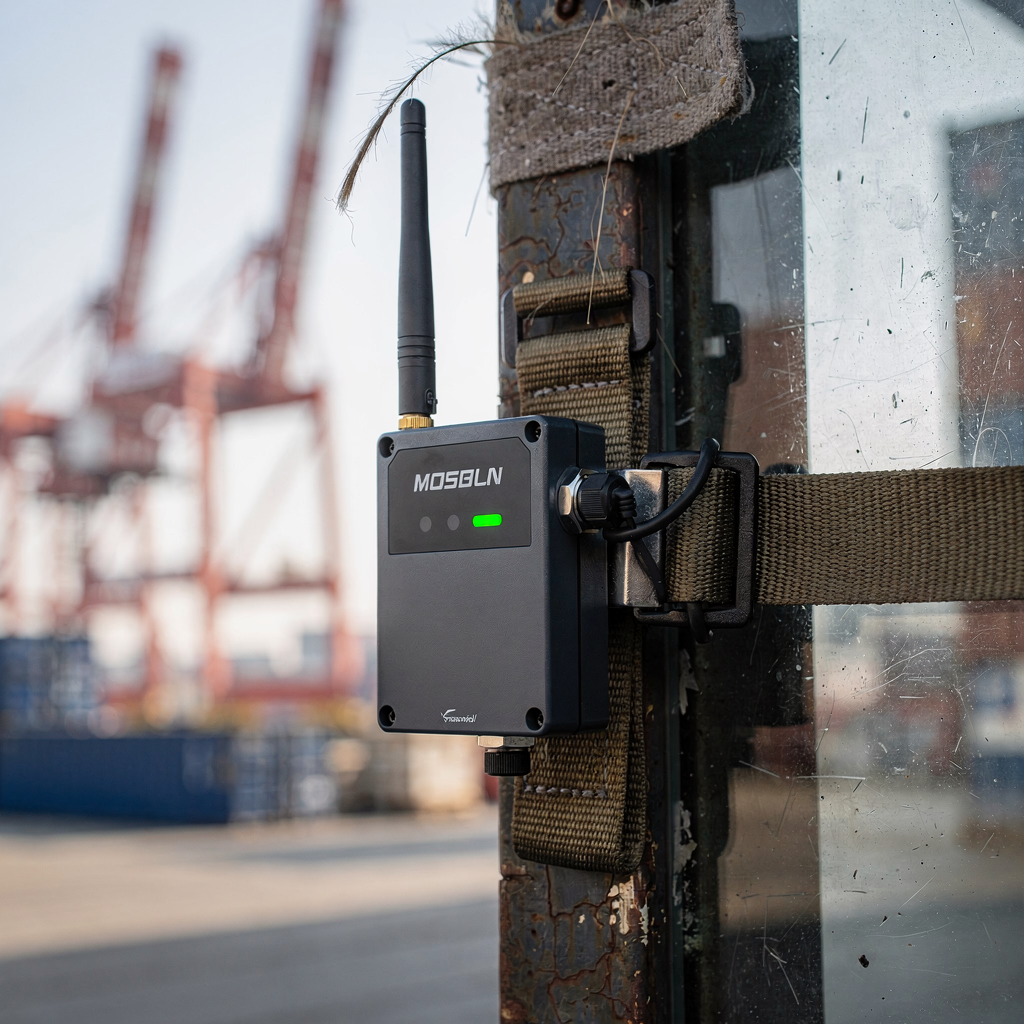
First, sensor technology powers modern verification. Devices attach to twistlocks, corner posts, or lashing gear. They report tension in real time. Usually, sensors use strain gauges, load cells, or smart clip-ons with wireless telemetry. Then, Internet of Things units forward readings to a local edge hub, which preprocesses data. Next, the hub sends aggregated metrics to the terminal operation server. That server stores evidence and drives alerts. This technical chain supports a fast response when tension drops below safe levels.
Second, integration matters. Sensor streams must integrate with the terminal operating system. When they do, the system can match a measurement to a specific move, vessel call, or yard block. Integration enables richer reporting and supports root-cause analysis. It also supports operator workflows, because the TOS can display alerts within the same interface used for moves and sequencing. In practice, that means less switching between screens and fewer missed warnings. Our platform philosophy centers on TOS-agnostic integration so new data feeds can be used without reworking the whole stack. See our paper on automated stacking crane optimization for related integration patterns that protect throughput and quality.
Third, AI adds predictive power. Machine learning models spot trends and anomalies in tension over time. A trained model can flag a strap that weakens gradually, before it fails. Moreover, reinforcement learning agents can test lashing strategies in a digital twin and propose an optimal sequence for tightening or replacing gear. As researchers note, automating the twistlock and lashing verification process “not only enhances safety but also streamlines terminal operations” [source]. In short, sensors plus analytics create a layered approach: immediate alerts, historical insight, and predictive maintenance signals. That layered approach keeps equipment reliable and reduces the need for reactive fixes.
Drowning in a full terminal with replans, exceptions and last-minute changes?
Discover what AI-driven planning can do for your terminal
4. The effect on Productivity and Throughput
First, measure the productivity impact. Studies show that automation in handling can raise productivity by 20–30% because it reduces manual intervention and speeds operations [study]. Moreover, integrating automated safety checks into the flow reduces stop-and-wait events that slow quay moves. When lashings are verified automatically, crane cycles proceed with fewer interruptions. As a result, crane utilization improves and the whole move chain runs smoother.
Second, quantify economic benefits. Fewer incidents and lower damage rates reduce repair and claim costs. The Port of Antwerp example documents a 15% fall in container damage incidents after automation, which translates into lower replacement costs and faster vessel turnaround [case study]. In addition, reduced manual checks free skilled staff to handle higher-value tasks. That shift cuts labor pressure and helps the terminal increase throughput without growing headcount. In effect, automation is an enabler of scale, even in constrained yard areas.
Third, explain secondary gains. Less rehandling lowers equipment wear, which reduces maintenance spending. Shorter handling times also cut fuel use and emissions, which supports sustainability goals. For terminals seeking broader energy savings, our work on reducing fuel consumption in yard operations connects automated process improvements to measurable environmental benefits. In practice, a terminal that automates lashing checks sees a chain reaction: fewer delays, fewer rehandles, improved crane rates, and lower operating expense. Thus, automation yields both direct and indirect financial returns. Overall, the data supports investment in verification systems where throughput and quality matter.
5. Overcoming Challenges in force Verification Implementation
First, discuss initial costs versus return. Buying sensors, adding telemetry hubs, and integrating with the TOS requires capital. That investment can look steep for small operators. However, a total-cost view shows gains from fewer damage claims, reduced rehandles, and faster vessel turns. Many terminals achieve payback within a few years when they account for reduced labor and lower incident costs. To get there faster, pilots help prove the model. A small pilot in a single quay bay reveals equipment quirks and training needs before a wider rollout. This phased plan reduces risk and keeps operations stable.
Second, identify technical integration hurdles. Legacy systems and bespoke TOS setups often require custom adapters. That integration step can slow rollout. The key is to design a clear data framework and to use adaptable interfaces. Our experience at Loadmaster.ai shows that TOS-agnostic APIs ease integration into varied environments. In addition, testing in a sandbox digital twin allows teams to validate workflows without disrupting live moves. For integration with broader predictive scheduling, see how predictive berth and job scheduling models link to sensor data predictive berth modeling and ASC job scheduling.
Third, address human factors. Workers may fear change or doubt a new tool. Training reduces that friction. Hands-on sessions and scenario-driven exercises teach staff how to read alerts and respond. Clear procedures explain who acts when a tension alert appears. In addition, involve frontline staff in pilot designs so they shape workflows. That inclusion builds buy-in and reduces resistance. Finally, document the effect on roles. As some tasks become automated, crews can handle more complex planning and supervision. Thus, the transition improves safety, creates higher-skill duties, and delivers long-term workforce benefits.
6. The effect of Future AI and Analytics in Lashing Management
First, consider predictive analytics. Models can forecast when straps will lose tension or when a corner casting will fail. By combining historical readings with environmental sensors, analytics produce risk forecasts. Operators get a warning window and can schedule preventive maintenance. That predictive window reduces emergency fixes and lowers the chance of damage during heavy lifts.
Second, imagine autonomous tools. Robots could tighten, test, or replace lashings remotely. Remote operation reduces human exposure to heights and heavy loads. In addition, AI-driven planners can coordinate lashing checks with quay moves and yard reshuffles, so verification fits naturally into move sequences. Our reinforcement learning agents train in simulation to find optimal policies for multiple KPIs. Those agents can optimize sequencing to protect quay productivity while respecting yard balance and equipment limits. For more on how RL supports multi-objective control, see our explanation of KPIs for AI in port operations.
Third, predict adoption trends. As sensors get cheaper and analytics more accessible, more inland units will adopt automated verification. Vendors will offer modular bundles that integrate easily with existing frameworks. Regions with high throughput and strict insurance regimes will lead adoption. Over time, automated lashing verification becomes part of the standard safety framework. That shift improves consistency across operators and reduces variability in how lashing is applied. Finally, this development enhances sustainability by cutting rehandles and energy waste. In sum, AI and analytics do more than record events. They forecast problems, recommend preventive actions, and continuously improve processes. The effect is a safer and more efficient terminal operation that adapts to changing vessel mixes and yard conditions.
FAQ
What is automated lashing verification?
Automated lashing verification uses sensors and telemetry to measure the tension of lashings and record the result. It replaces subjective manual checks with objective, timestamped data that supports audits and alerts.
How does automation reduce container damage?
Automated checks flag substandard tension levels immediately, so operators can act before a lift. For example, the Port of Antwerp saw a 15% drop in damage incidents after deploying automated verification [source].
What types of sensors are used?
Common sensors include strain gauges, load cells, and smart clip-ons that attach to lashing gear. They typically send data to an edge unit and then to the TOS or analytics server for processing.
How do these systems integrate with existing terminals?
Integration involves matching sensor telemetry to move orders in the terminal operation system and building APIs for data flow. Testing in a sandbox digital twin reduces disruption during real deployment.
Can AI predict lashing failures?
Yes. AI models can analyze trends in tension readings and environmental factors to forecast failures. Predictive alerts enable scheduled maintenance and reduce emergency fixes.
What are common barriers to rollout?
Barriers include upfront equipment costs, custom integration with legacy systems, and workforce adaptation. Phased pilots, clear training, and modular integration mitigate these challenges.
Will automation replace lashing crews?
No. Automation augments human work and shifts tasks toward supervision and exception handling. Crews still perform hands-on maintenance and respond to flagged issues.
How quickly do operators see ROI?
Return timelines vary, but many terminals report payback within a few years when they include reduced damage, fewer rehandles, and labor savings. Pilots accelerate validation.
Does automated verification support sustainability goals?
Yes. By reducing rehandles and idle equipment time, automated verification lowers fuel use and emissions. That outcome aligns with broader sustainability targets.
Where can I learn more about integrating verification with planning systems?
Start with resources on predictive berth availability and job scheduling to see how data streams tie into planning. Our work on predictive berth modeling and ASC job scheduling provides practical integration examples [predictive berth] and [ASC job scheduling].
our products
 stowAI
 stackAI
 jobAI
jobAI
Innovates vessel planning. Faster rotation time of ships, increased flexibility towards shipping lines and customers.
Build the stack in the most efficient way. Increase moves per hour by reducing shifters and increase crane efficiency.
Get the most out of your equipment. Increase moves per hour by minimising waste and delays.
stowAI
Innovates vessel planning. Faster rotation time of ships, increased flexibility towards shipping lines and customers.
stackAI
Build the stack in the most efficient way. Increase moves per hour by reducing shifters and increase crane efficiency.
jobAI
Get the most out of your equipment. Increase moves per hour by minimising waste and delays.