
Author: Justas
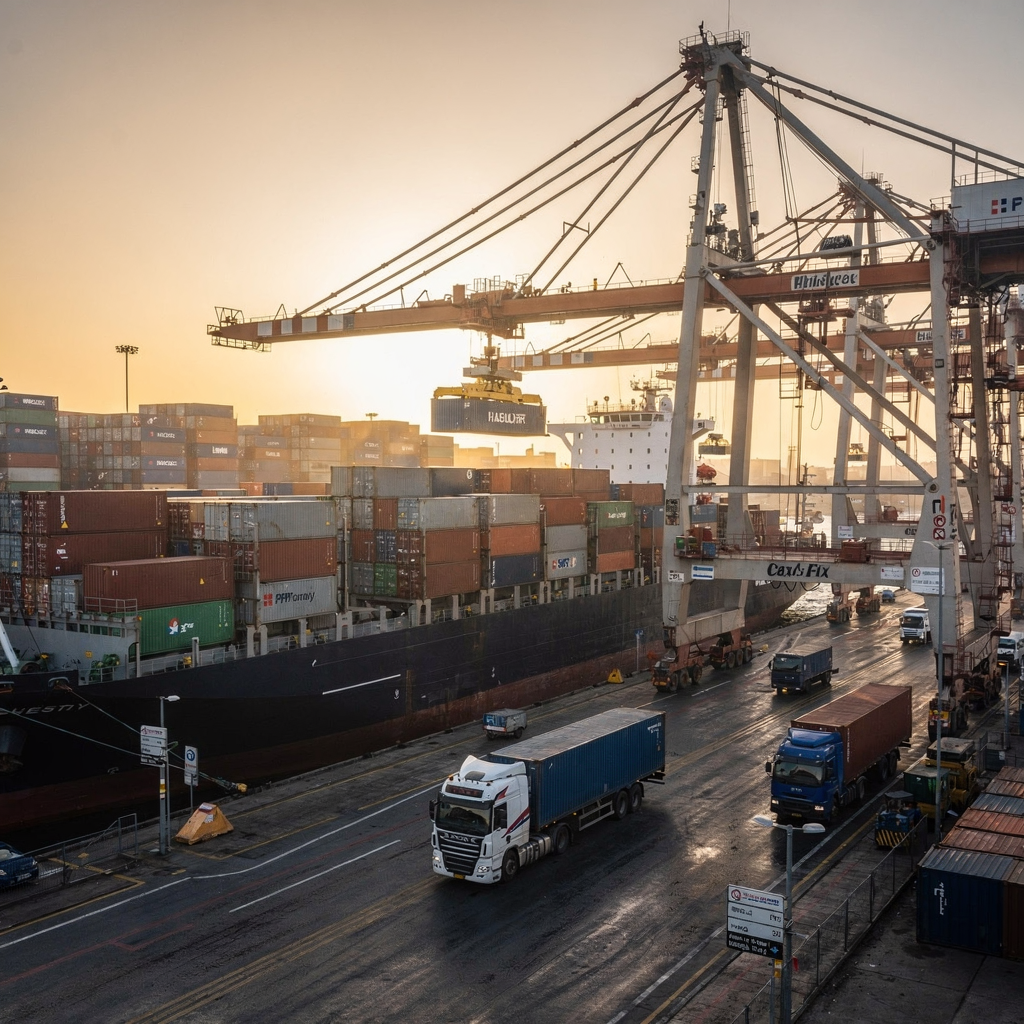
Container terminal vessel planning explained
container terminal planning fundamentals Container terminal planning sits at the crossroads of maritime logistics and the global supply chain. It covers the scheduling, resource allocation, and sequencing needed to move containers from ship to hinterland quickly. Good planning keeps vessels moving and trucks on schedule. It reduces waiting times and lowers cost per TEU. One […]
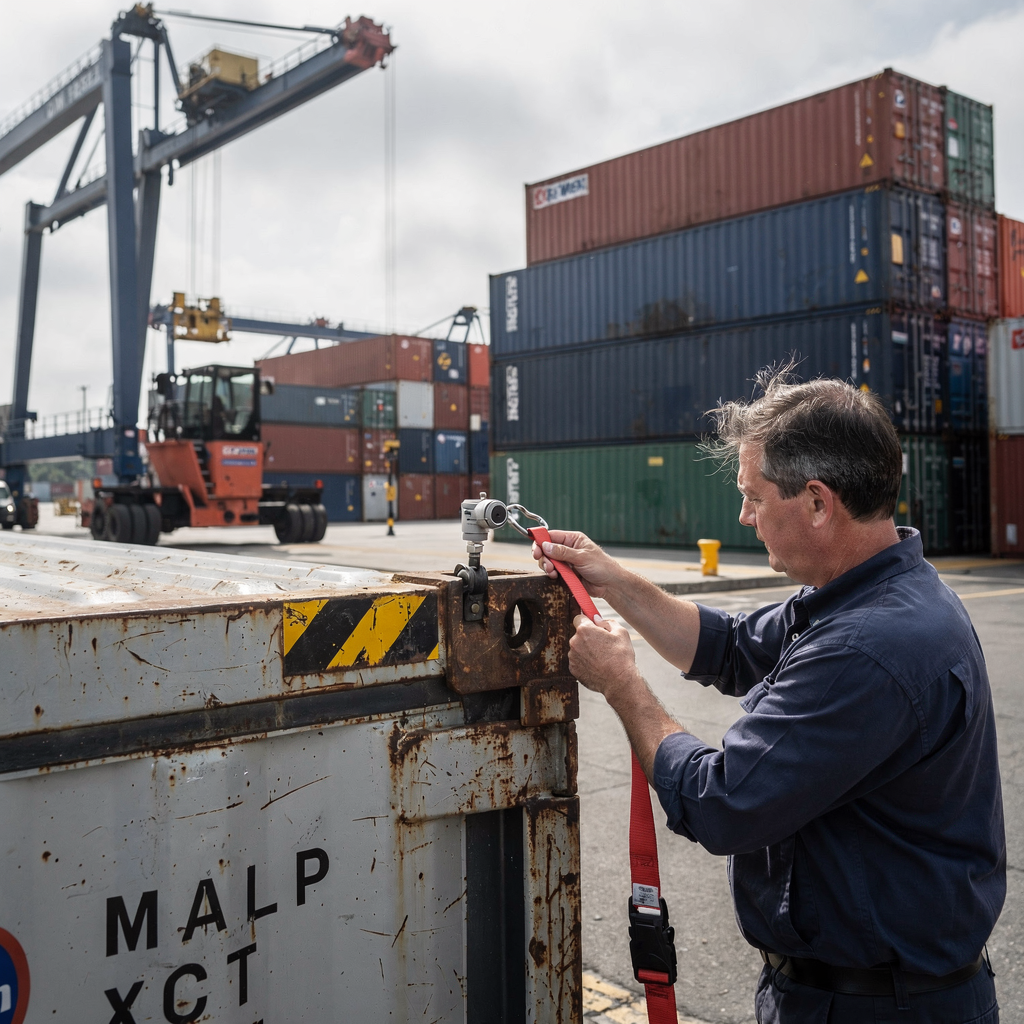
Container lashing force automation in inland terminals
Container lashing force automation in inland terminals 1. Understanding Lashing force in Inland Terminals First, define what container lashing does. Lashing secures stacked units and prevents movement during handling and transportation. In inland yards and on quays, lashings stop sway, twist, and tipping when lifts occur. Next, contrast the old manual check with a modern, […]
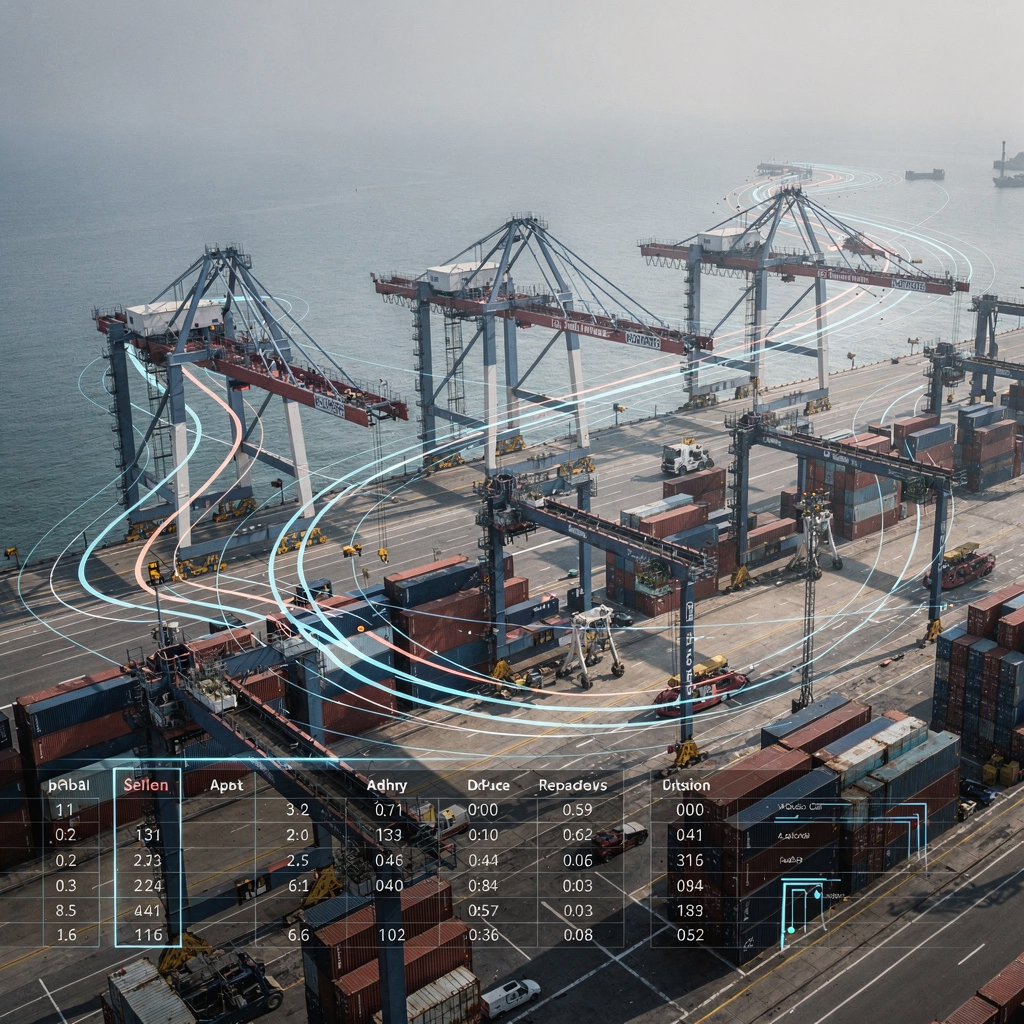
Automated container terminal crane split planning software
container terminal: The Rise of Automated Crane Split Planning Crane split planning allocates work among multiple cranes to raise throughput and cut idle time in a modern container terminal. It maps tasks, timings, and positions so that each crane works in sync. This process sits at the heart of a fully automated container terminal that […]
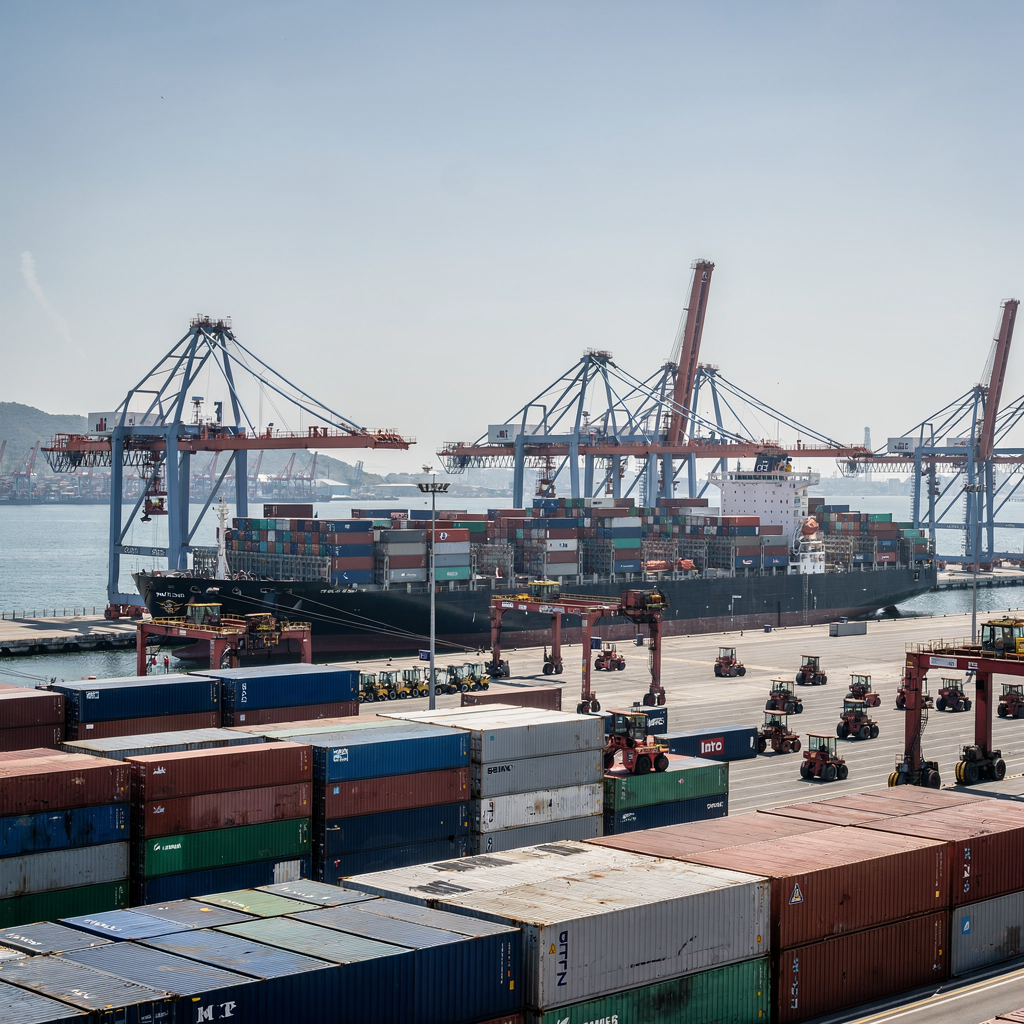
Container terminal simulation and decision support tools
Port and Container Port Context in the Maritime Supply Chain Deep-sea hubs sit at the heart of global trade. Ports manage flows of TEUs, connect shipping lanes, and shape supply chain resilience. A maritime container terminal must balance berth schedules, crane assignment, and yard space to meet demand. First, ports measure throughput and turnaround time. […]
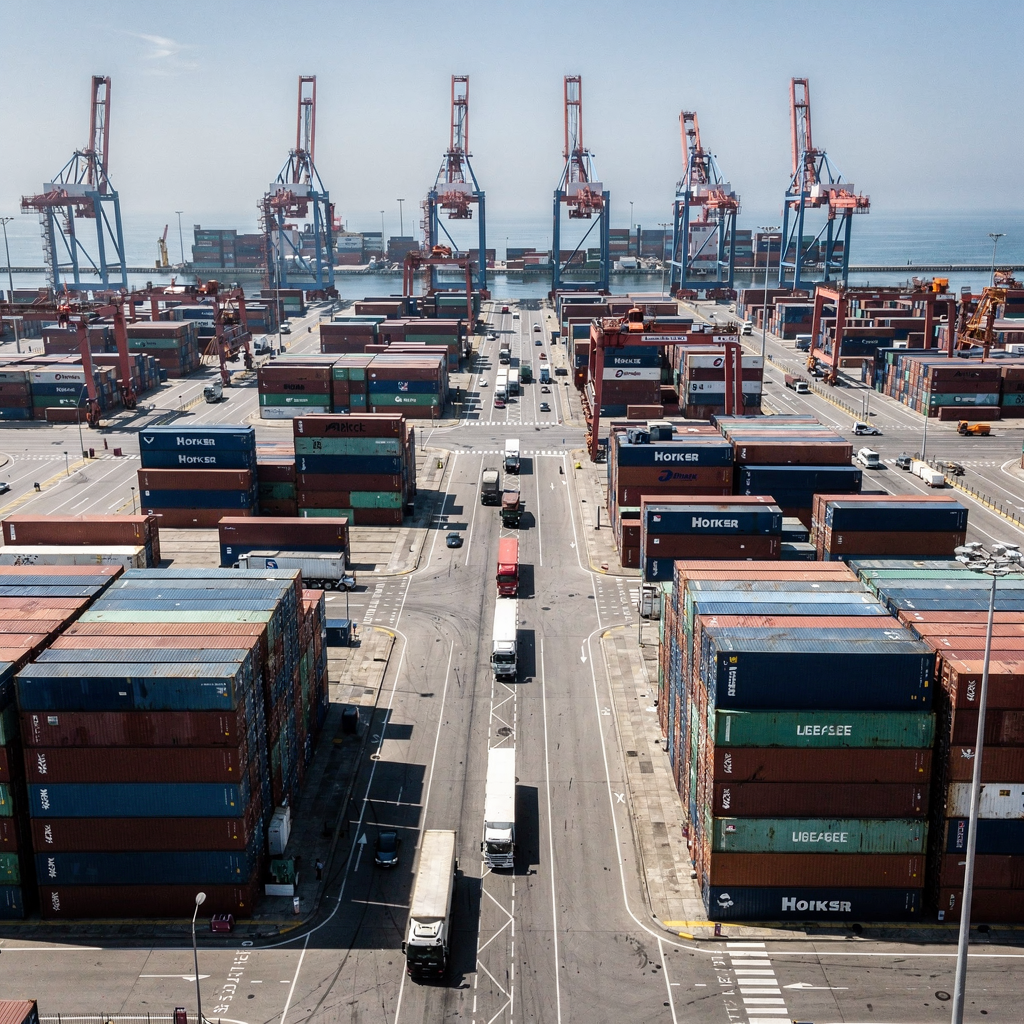
Port automation in brownfield warehouse logistics
Port automation and automation fundamentals in brownfield vs greenfield project planning Port automation starts with a clear definition. It means using machines, software, and control logic to automate repetitive tasks and decision loops in a container terminal. In practice, automation covers hardware such as automated stacking cranes and automated guided vehicles, and software like yard-management […]
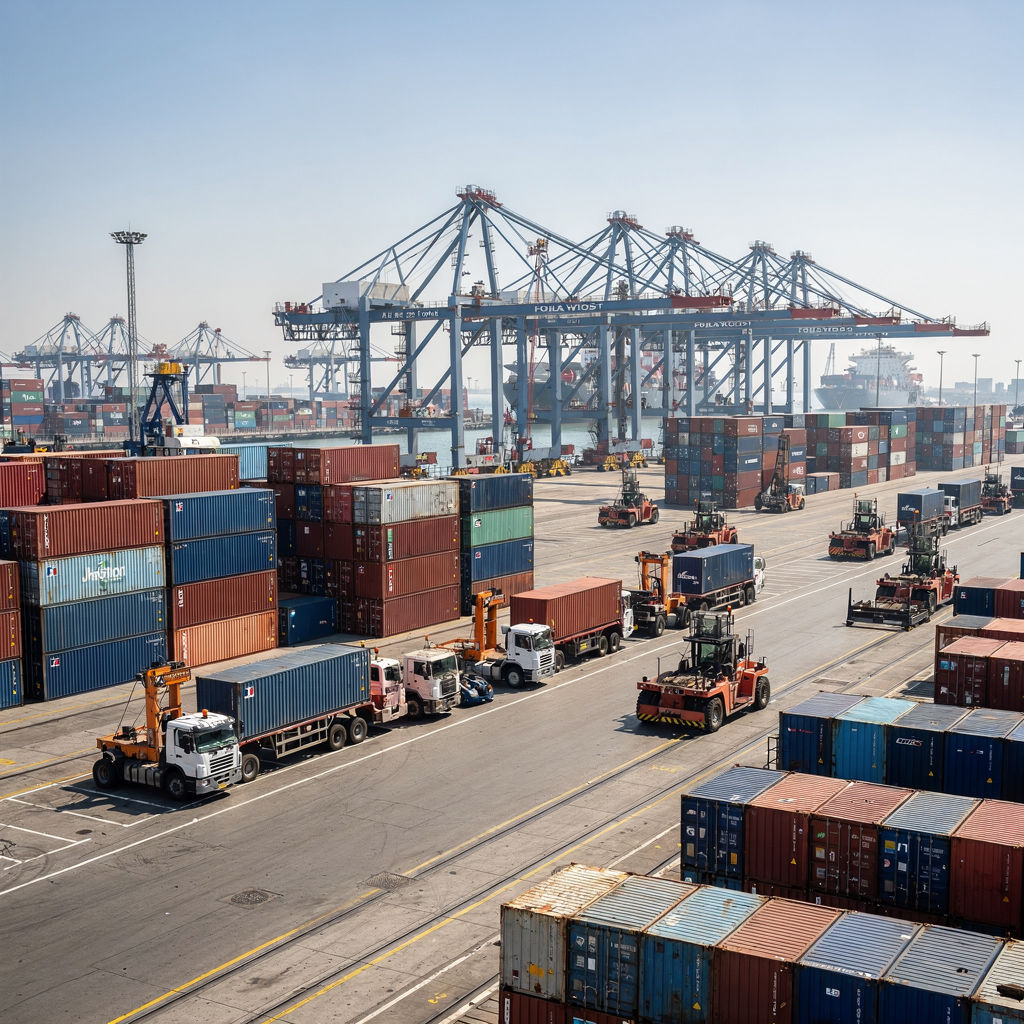
Container handling and truck schedule for container terminal
container terminal operations – Overview of terminal operation and container handling A container terminal manages the flow of container cargo from ship to shore, yard to truck, and rail to hinterland. In practice, container terminal operations include berth planning, crane work, yard stacking, and gate processing. Key equipment in a modern container terminal includes straddle […]
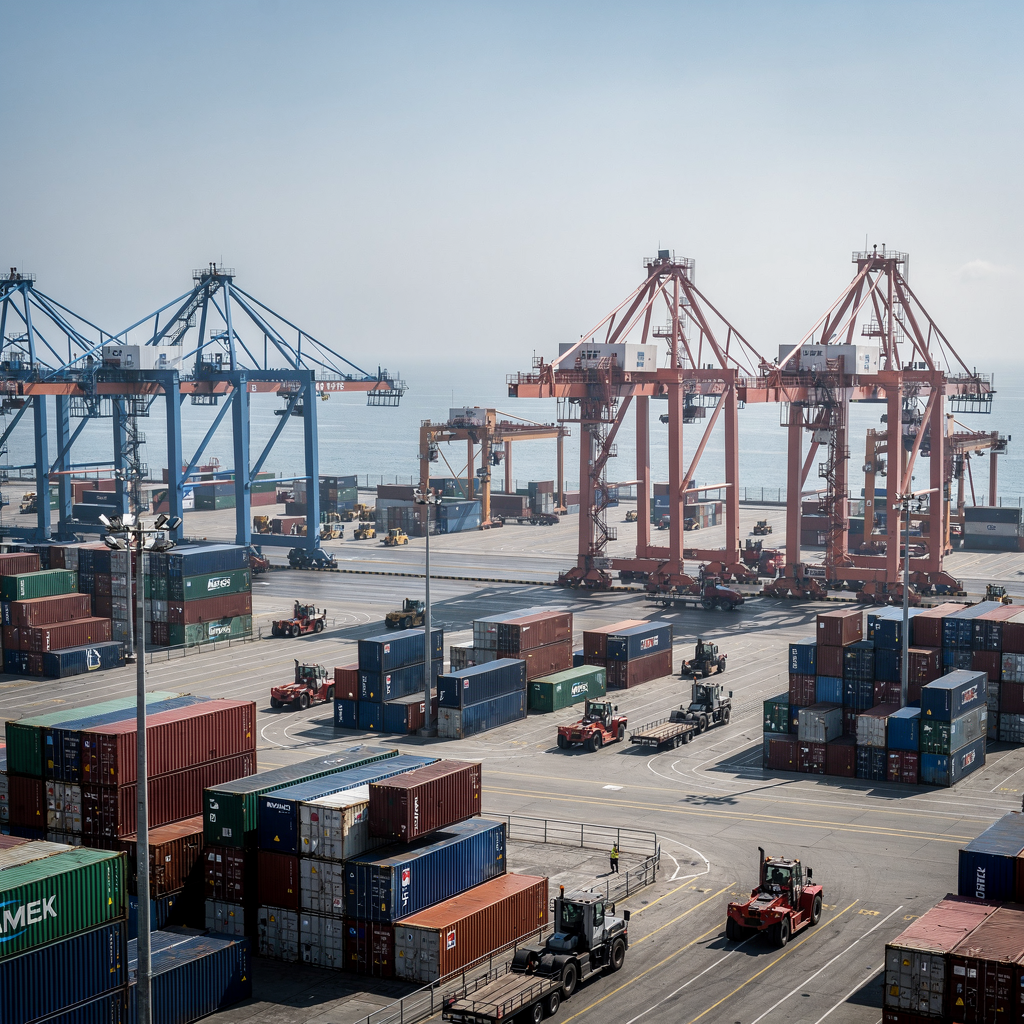
Terminal operations: Optimizing equipment moves to save fuel
Terminal operations and Fuel Use in Ports Terminal activity drives a large share of energy use at a port. Terminals serve as critical nodes in maritime logistics and they move cargo between ship, road and rail. As a result, the equipment that runs inside a terminal — cranes, yard tractors, trucks and specialized equipment — […]
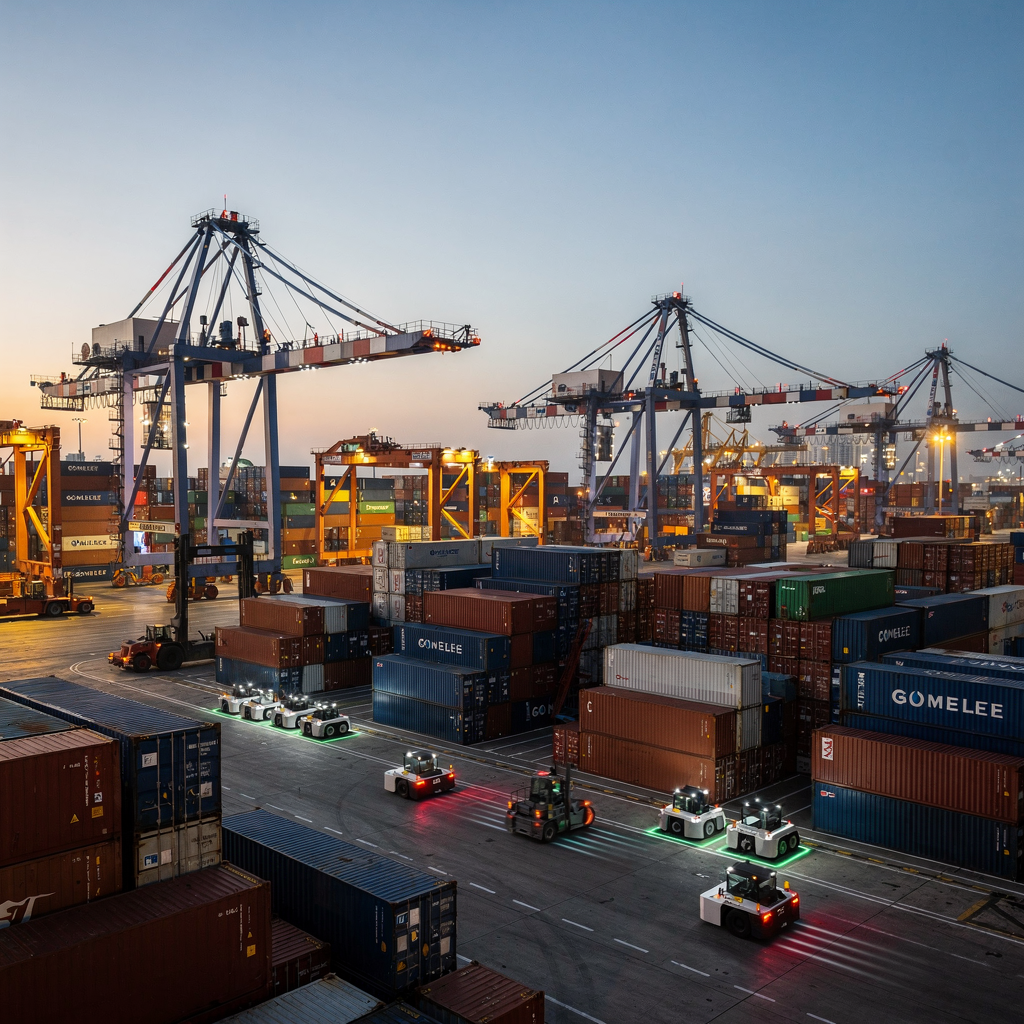
Port Automation with AI for Smart Operations
Understanding AI in Port and the Smart Port Ecosystem Smart port concepts redefine how terminals run and how stakeholders coordinate. A smart port blends sensors, networks, DATA, and advanced control to improve throughput, lower emissions, and reduce costs. In practice, AI and artificial intelligence power new decision layers that reshape traditional port routines. The integration […]
Measuring ROI of AI in Deepsea Container Terminals
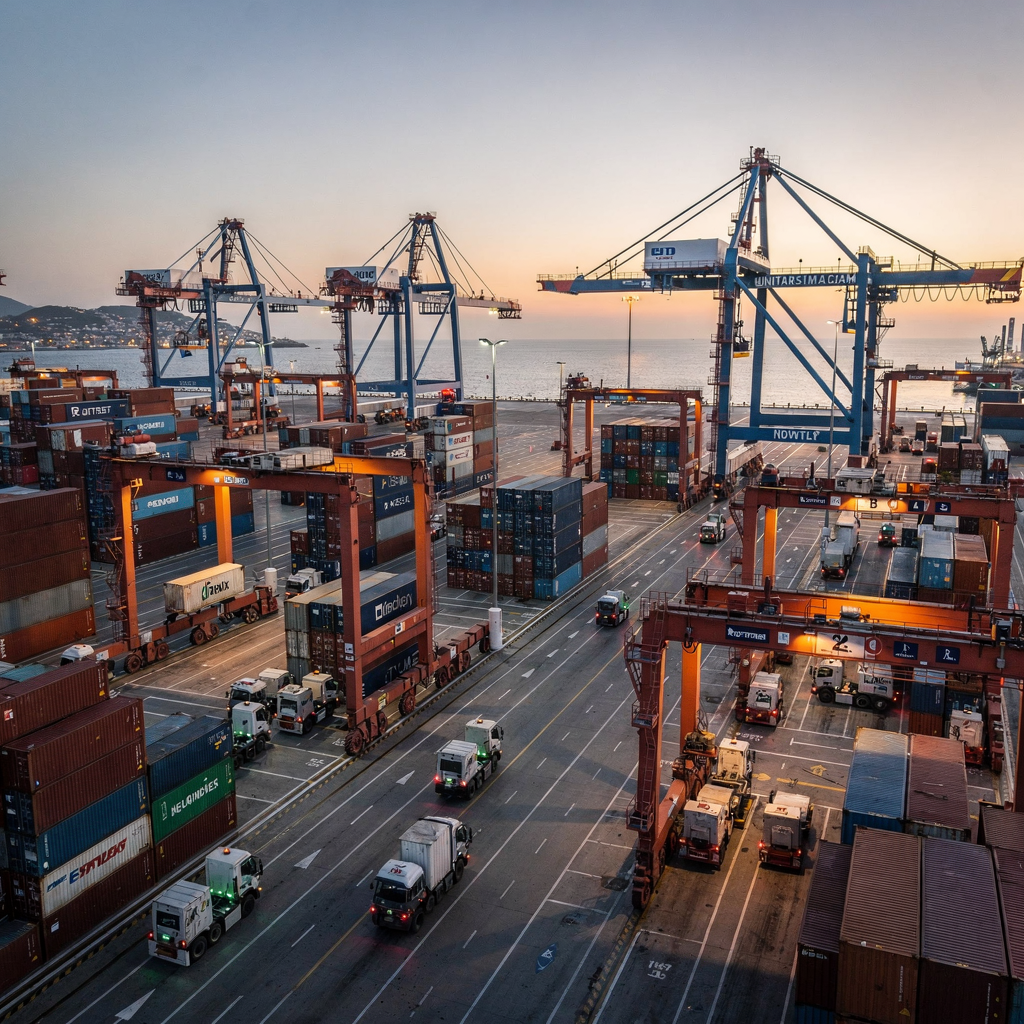
Embracing AI in Container Terminal Operations Deepsea container terminals are rapidly adopting AI to manage complex flows of cargo. Today, modern container terminals combine sensors, software, and human expertise. AI helps planners, dispatchers, and equipment operators to make faster decisions. For example, AI can shift terminals from reactive firefighting to proactive control. As a result, […]
Predictive berth availability and arrival times modelling
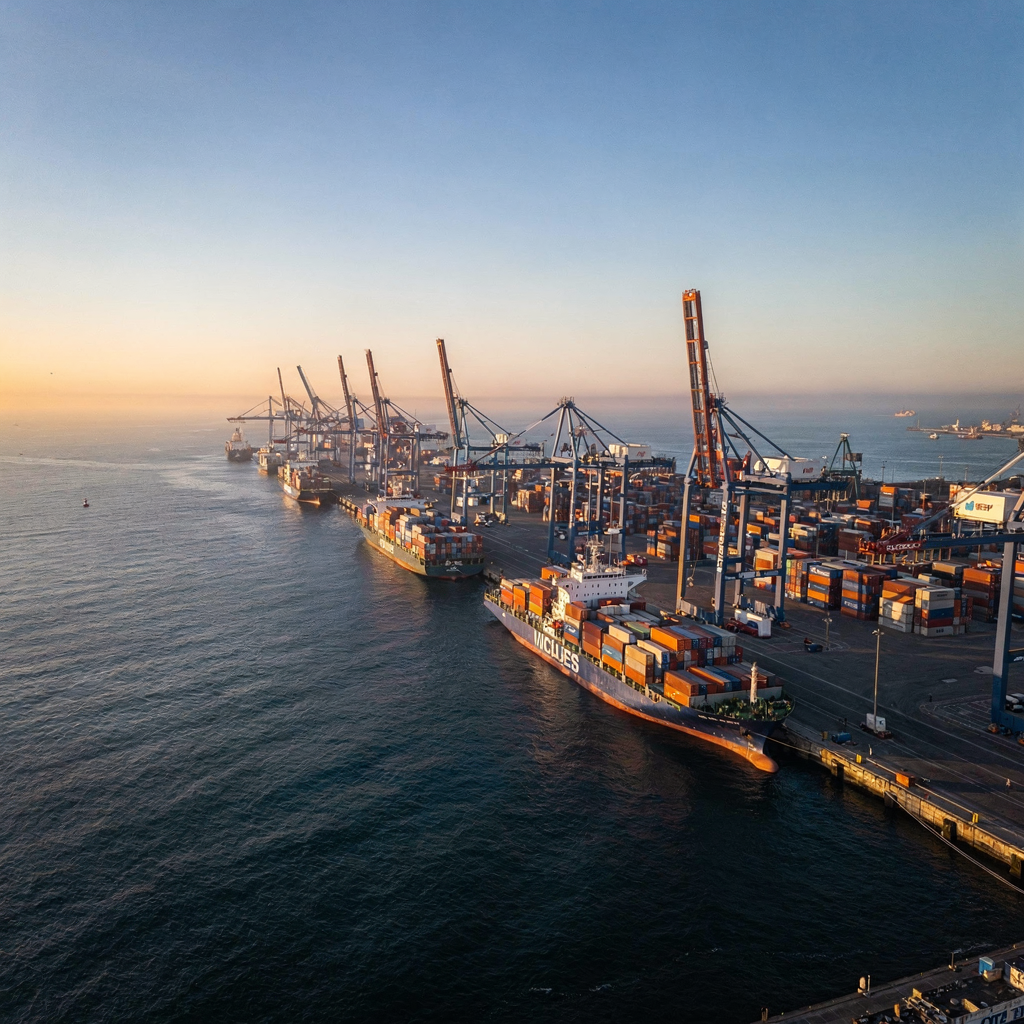
Port context: container terminals and berth allocation challenges Container terminals sit at the heart of global trade and maritime logistics. They connect ocean carriers, supply chain partners, and hinterland transport. As vessel sizes have grown and call patterns have shifted, congestion at major container terminals has increased. This rise in scale and complexity strains traditional […]
