
Author: Justas
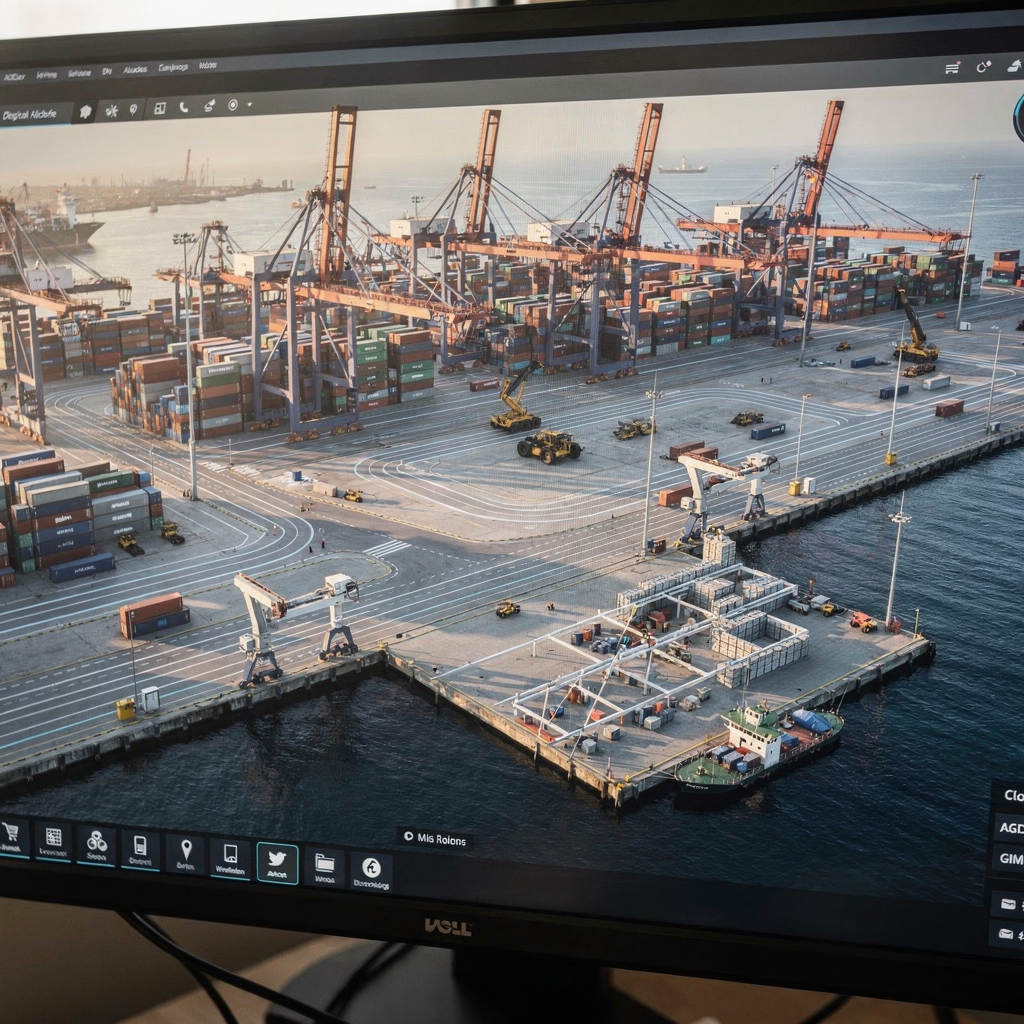
Simulation models for automated terminal operations
DISCRETE EVENT SIMULATION MODEL for Automated Container Terminal Operations Discrete event methods have long been a standard for modeling flows in complex logistics. A discrete event approach maps key occurrences—arrivals, allocations, and completions—onto a timeline so planners see cause and effect. For an automated container terminal the fit is natural because the system advances in […]
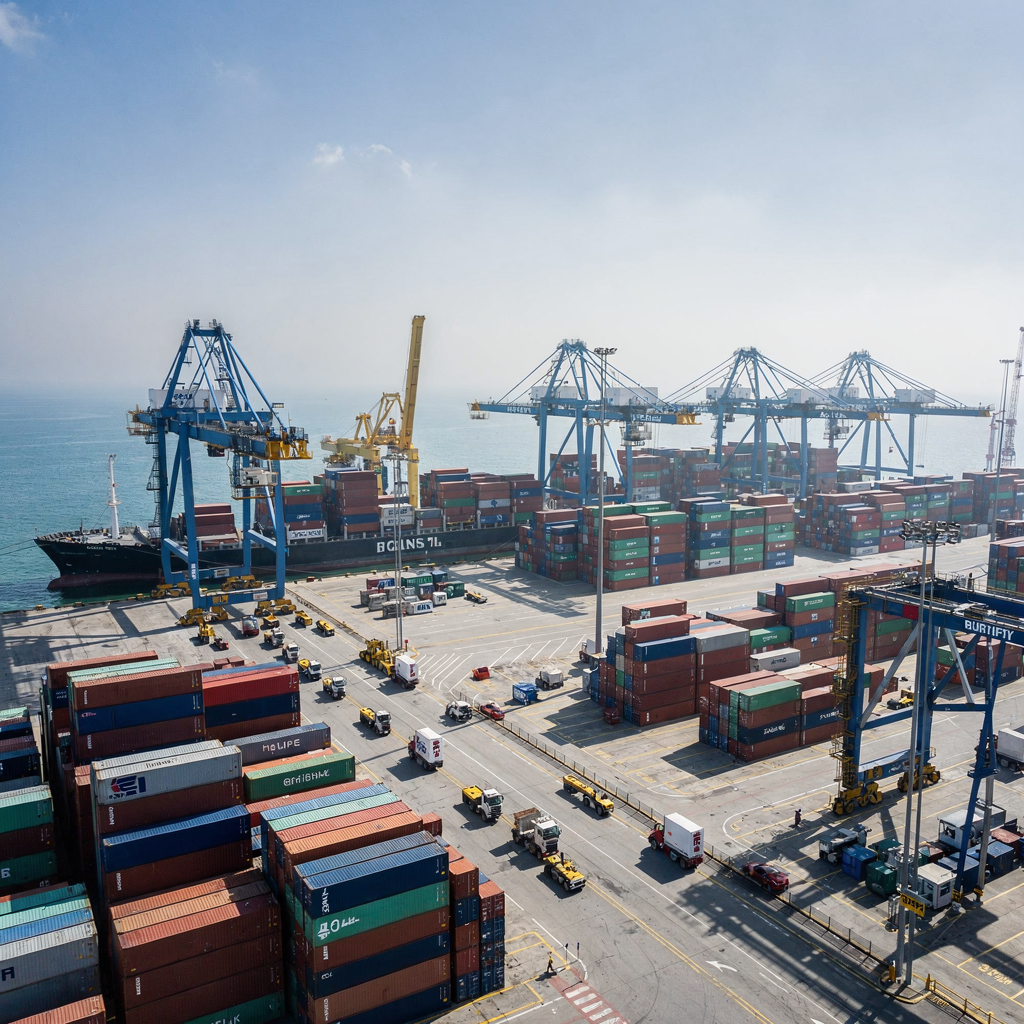
ROI of port operations automation projects
executive Brief on port automation in Modern Terminals Port automation reshapes how ports handle cargo and move ships. It covers AGVs, automated stacking cranes, AI controls, and connected sensors that automate repetitive tasks. Today, many ports face rising container volumes and ageing infrastructure. They also face labour shortages and tight environmental targets. These pressures make […]
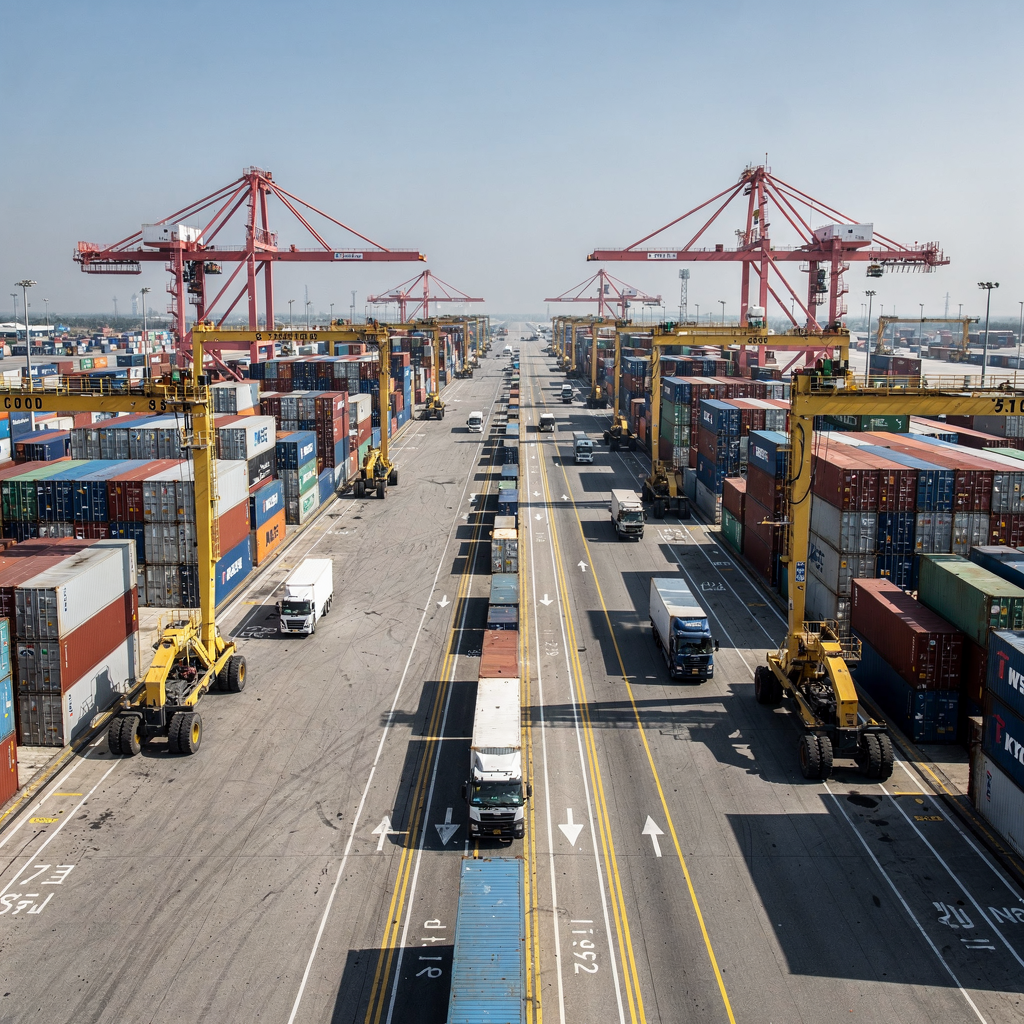
Container terminal crane trade-offs in yard optimisation
Container Terminal, Inland and Port Operations However, therefore, thus, then, next, also, consequently, meanwhile, likewise, similarly, hence, subsequently, alternatively, finally. These transition words help the reader move through complex ideas. They also set pace and clarity. A container terminal serves as the node between vessels, hinterland modes, and local distribution. It receives import containers and […]
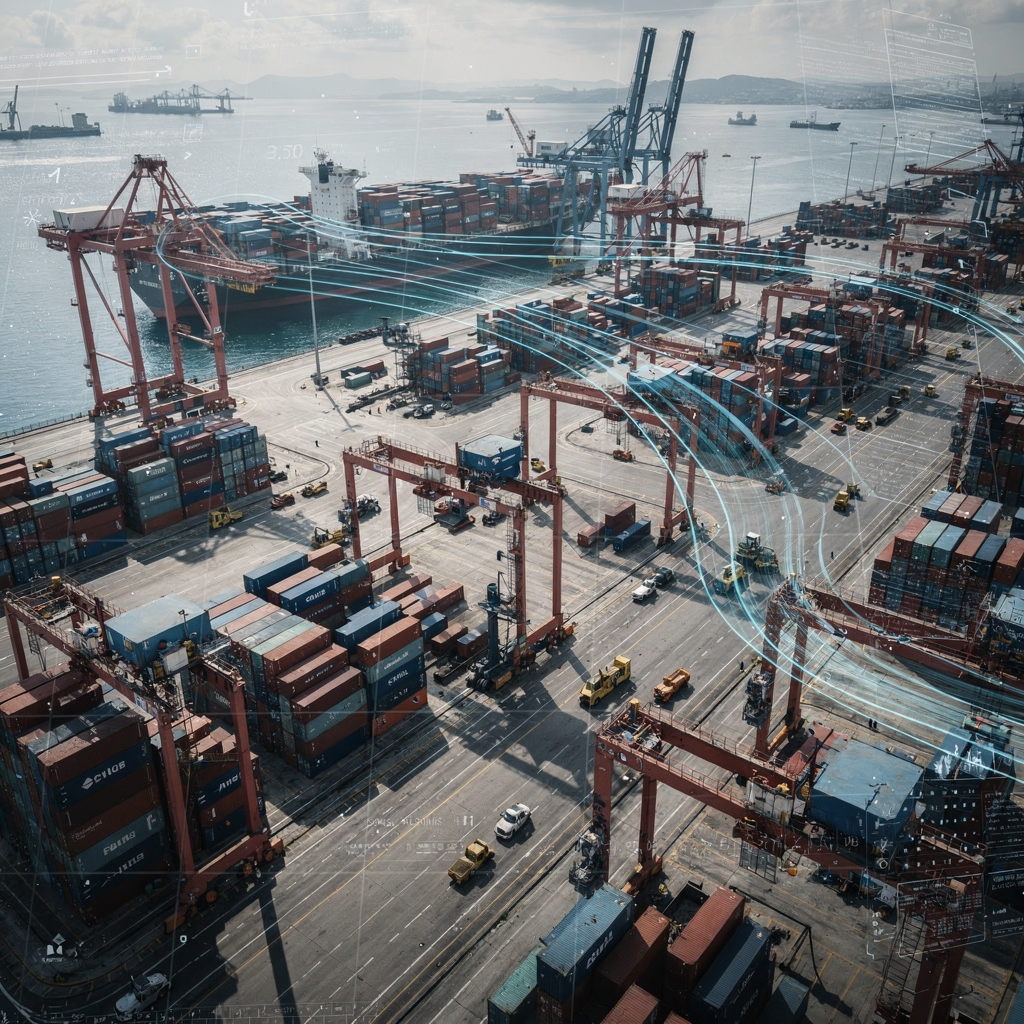
Governance-ready AI for deepsea container ports
The Role of ai and Container Terminal Operations in Port Management AI now underpins many aspects of modern port management. Across quay cranes, yard stacking and gate systems, AI-based controllers and planning agents work with human operators to make faster, better decisions. For example, AI algorithms sequence crane tasks to reduce unnecessary moves. They also […]
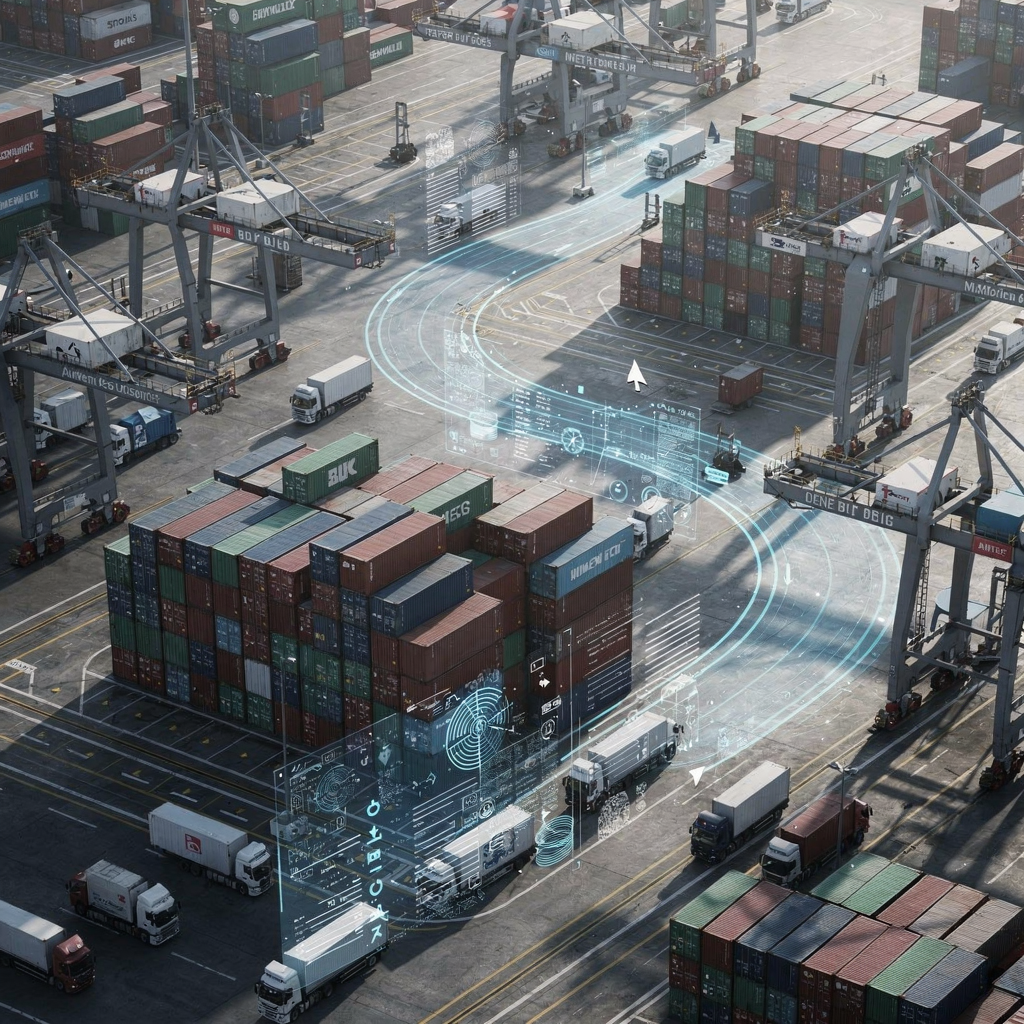
Container yard optimisation in ports with AI simulation
port logistics and operational management in ports Port logistics teams manage complex flows of container traffic every day. First, planners juggle vessel arrival lists, gate windows, and yard layouts. Then, yard strategists assign blocks, and operators steer yard cranes and trucks. These tasks shape the core of port management and determine throughput, schedule adherence, and […]
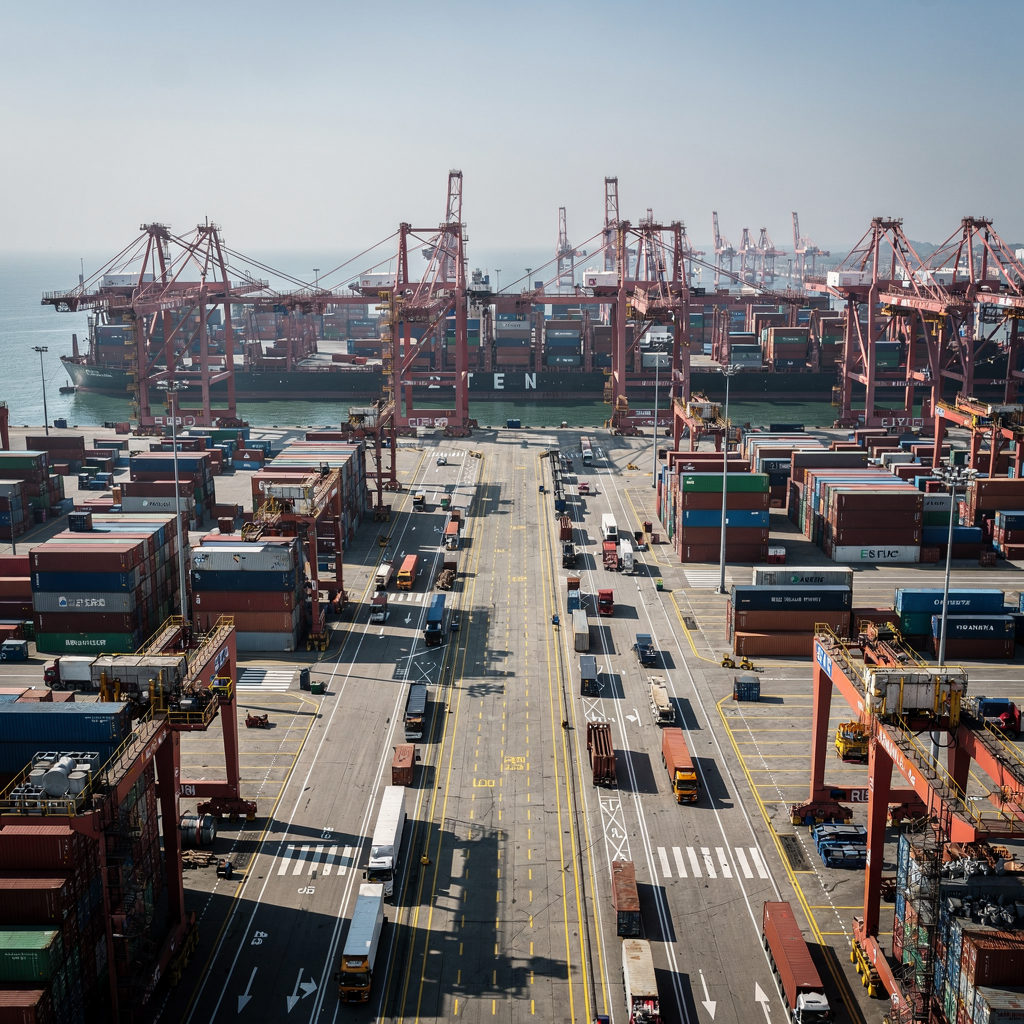
Container terminal yard truck routing optimisation
The Scheduling Problem in Container Terminal Operation The scheduling problem in a container terminal operation defines which moves happen, when they happen, and which resources perform them. First, tasks include quay crane work, yard crane handling, gate processing, and container truck pickups. Second, constraints cover equipment availability, safety separations, stacking limits, and truck appointment windows. […]
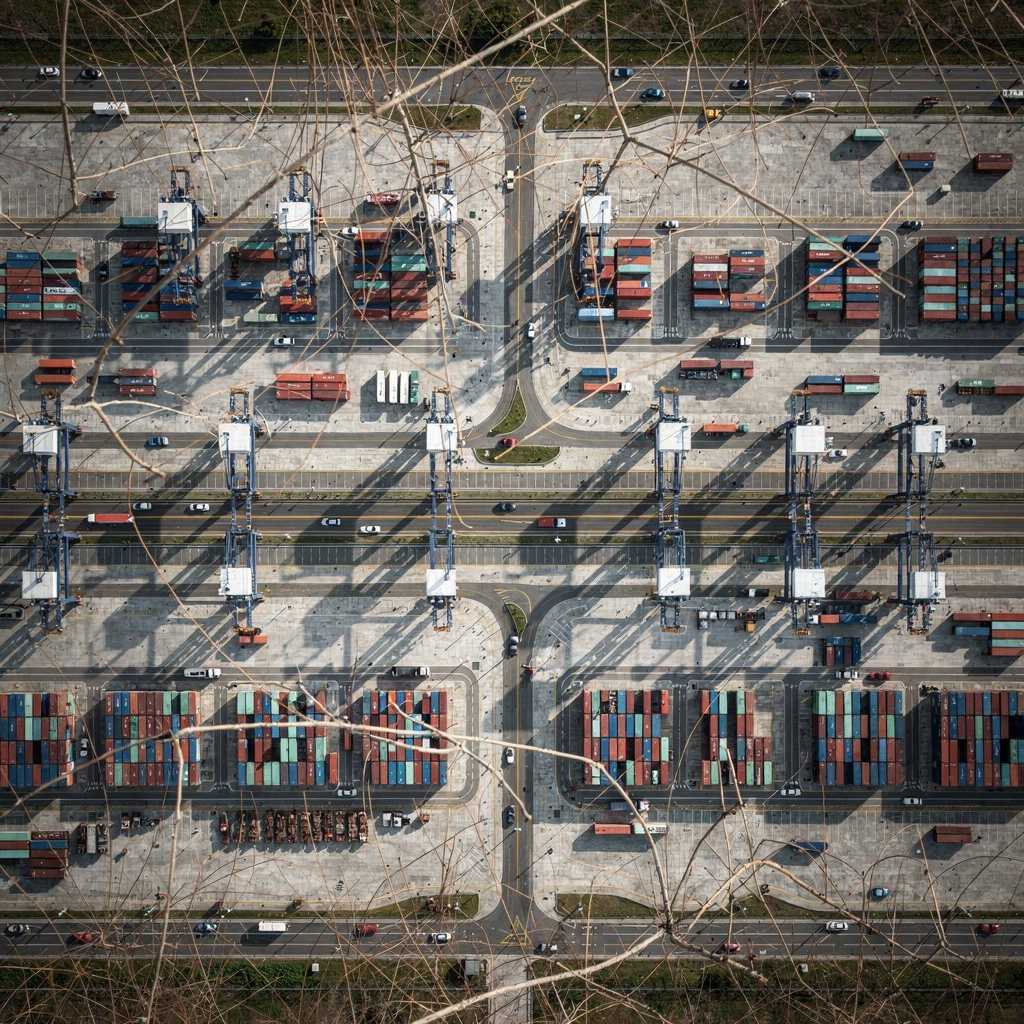
AGV scheduling and routing algorithms in terminal operations
Introduction to AGV Operations in Container Terminals Automated Guided Vehicles transform how terminals move containers. In ports, AGVs link quay cranes, yards and gates. They shuttle containers between quay crane work faces and storage blocks. Also, they reduce manual handling and speed up handoffs. For example, a quay crane delivers a box to an AGV. […]
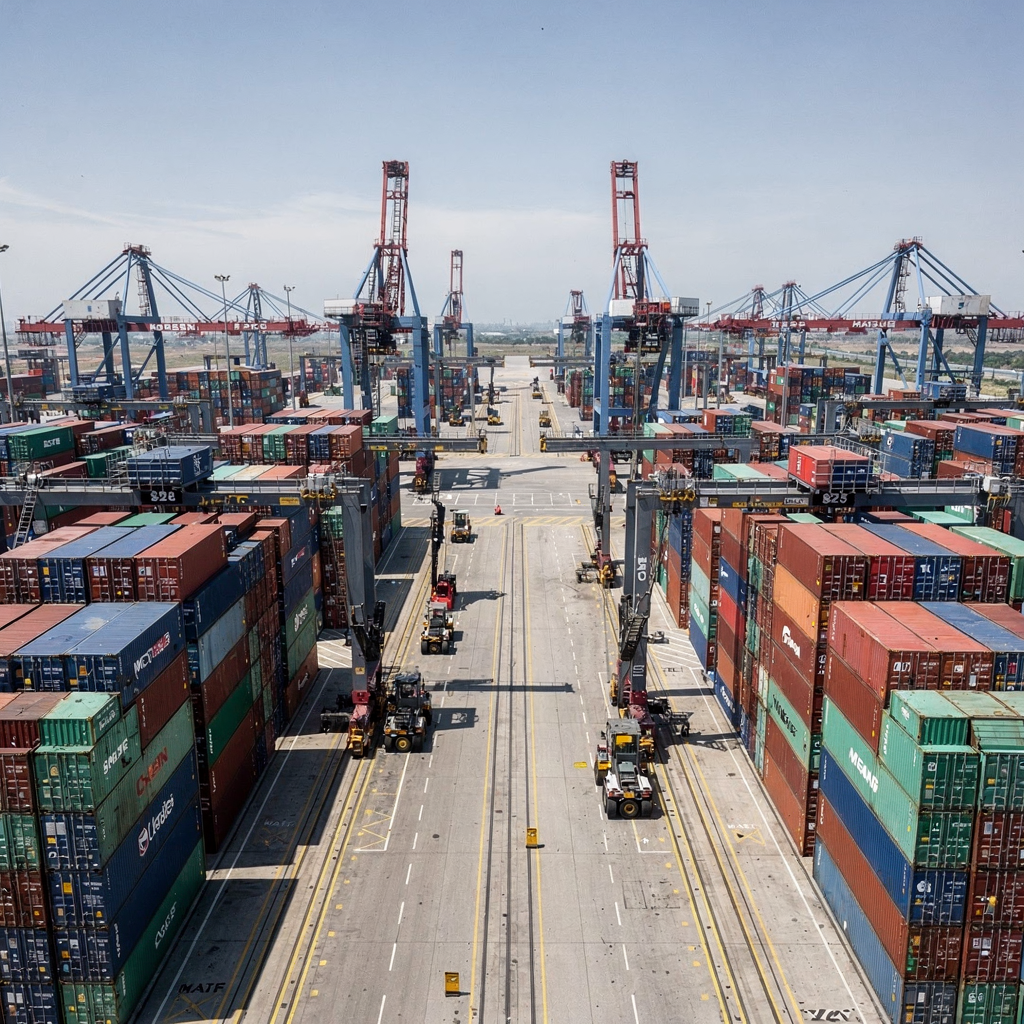
Automated Export Container Remarshaling in Port Terminals
container: Understanding Automated Export Container Remarshaling Remarshaling describes the deliberate rearrange of export boxes inside a yard so that they are ready for fast retrieval and loading. In automated settings the operation takes on extra importance. Automated container terminals impose perpendicular block layouts. As a result inbound and outbound boxes share blocks and the storage […]
Emission reduction via inland container terminal routing
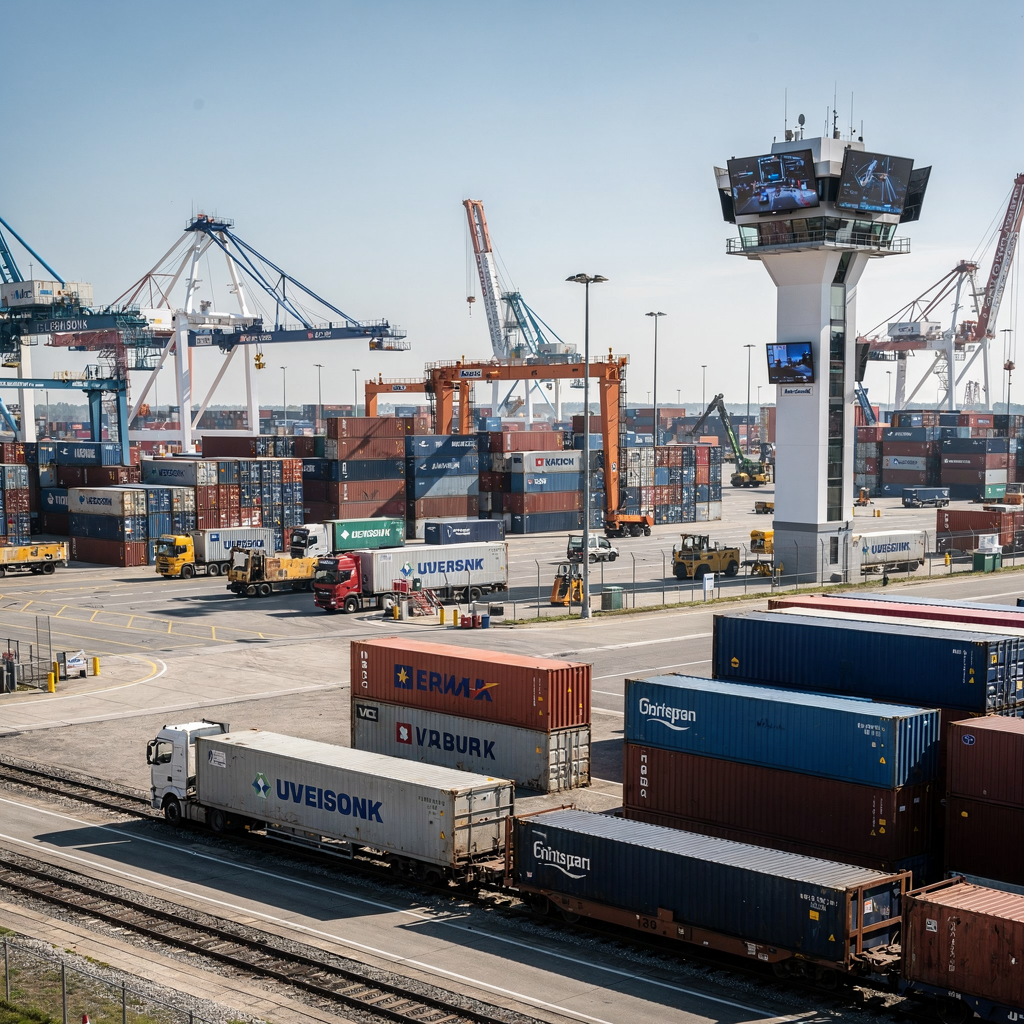
literature review of port emission and carbon emission in container terminal routing This literature review synthesizes how emission sources link to inland routing and terminal operations. First, researchers have quantified emission hotspots at gateways. Second, they show patterns across road, rail and maritime legs. Third, models embed operational detail to calculate carbon emission consequences. A […]
Quay crane scheduling at deepsea container port quays
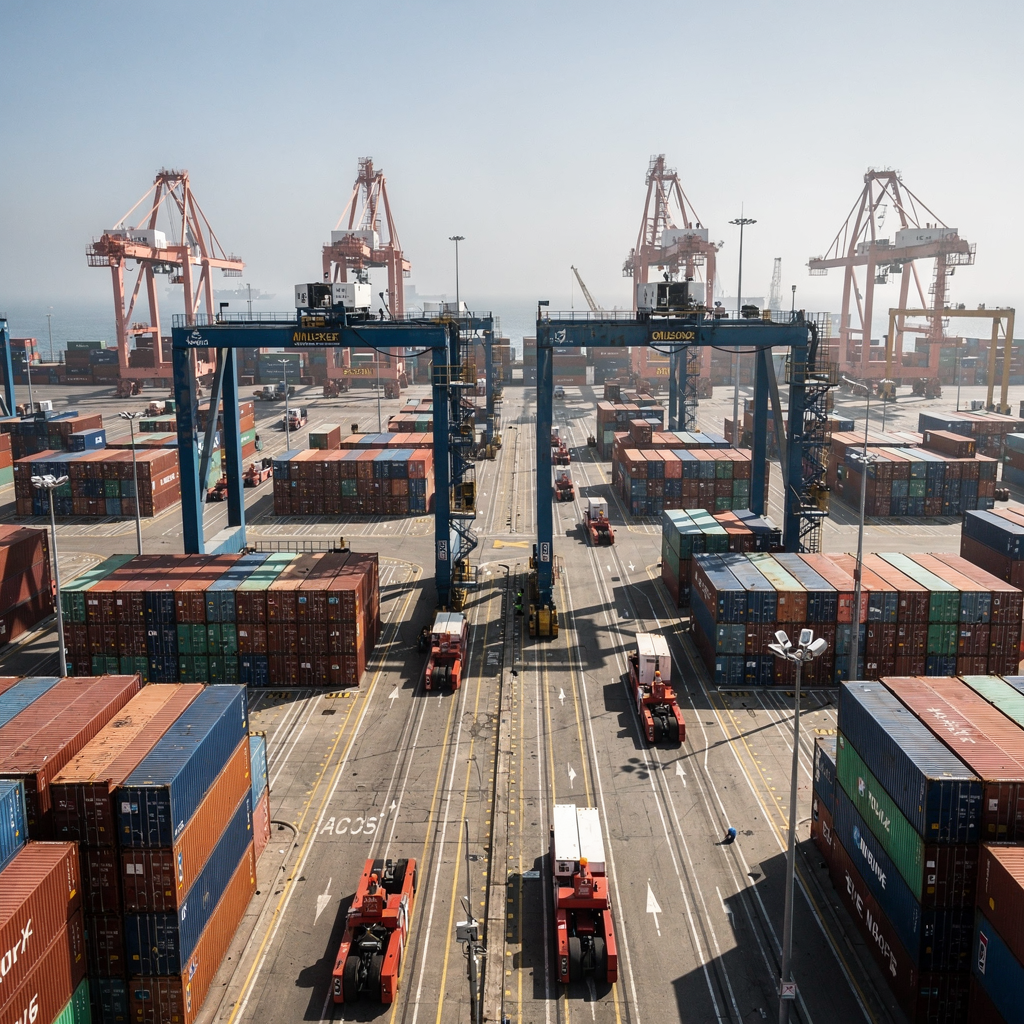
crane operations at deepsea container port quays: challenges and metrics Quay cranes are the heavy lifters at the ship’s edge and they drive ship-to-shore productivity. They load and unload containers directly between vessel and shore. In multi-lane operations, several quay cranes work side by side along a berth and must avoid interference. The scheduling of […]
