
Author: Justas
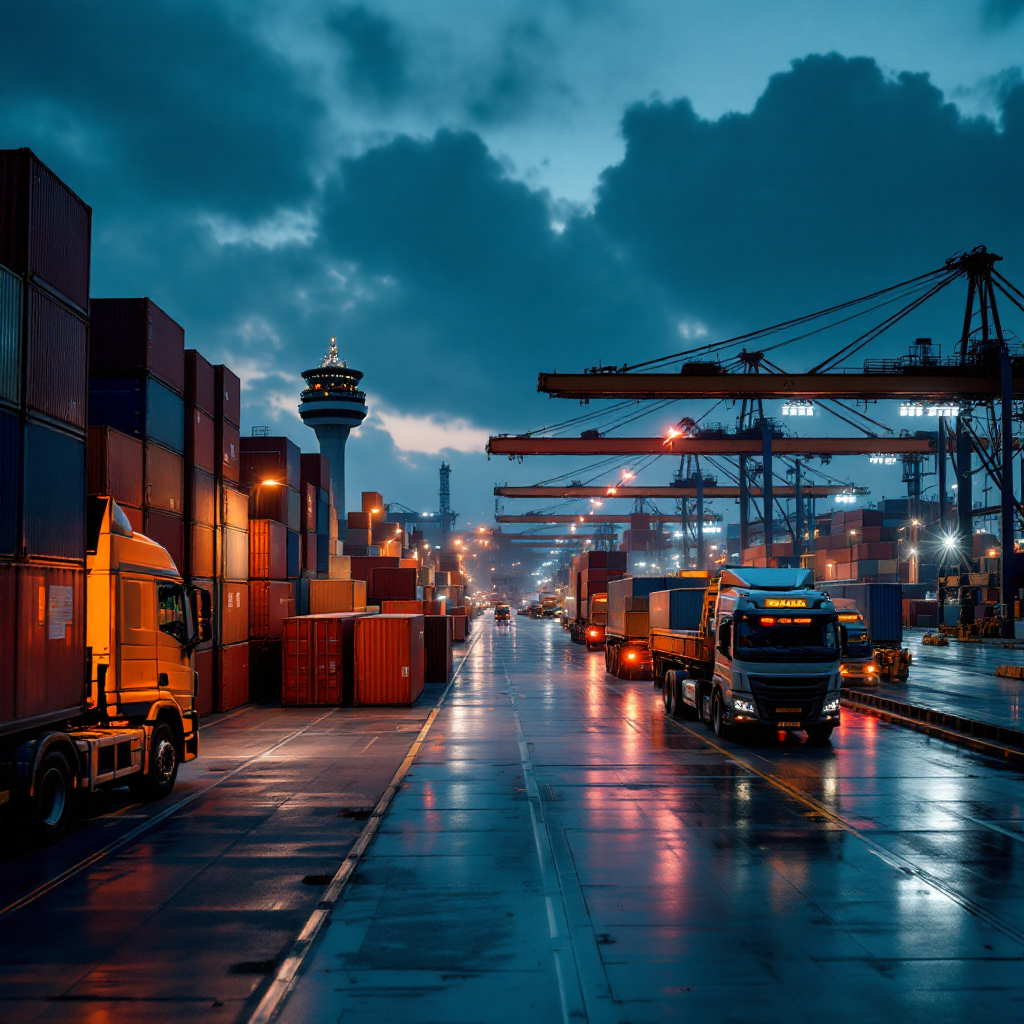
Container terminal port yard crane allocation algorithm
container terminal The container terminal acts as the hub where ships, trucks and yard equipment meet. First, the yard crane plays a central role in moving containers between berth and storage. Next, space allocation in the storage area determines how fast containers can be found and moved. Therefore, efficient allocation reduces detention, delays and bottlenecks. […]
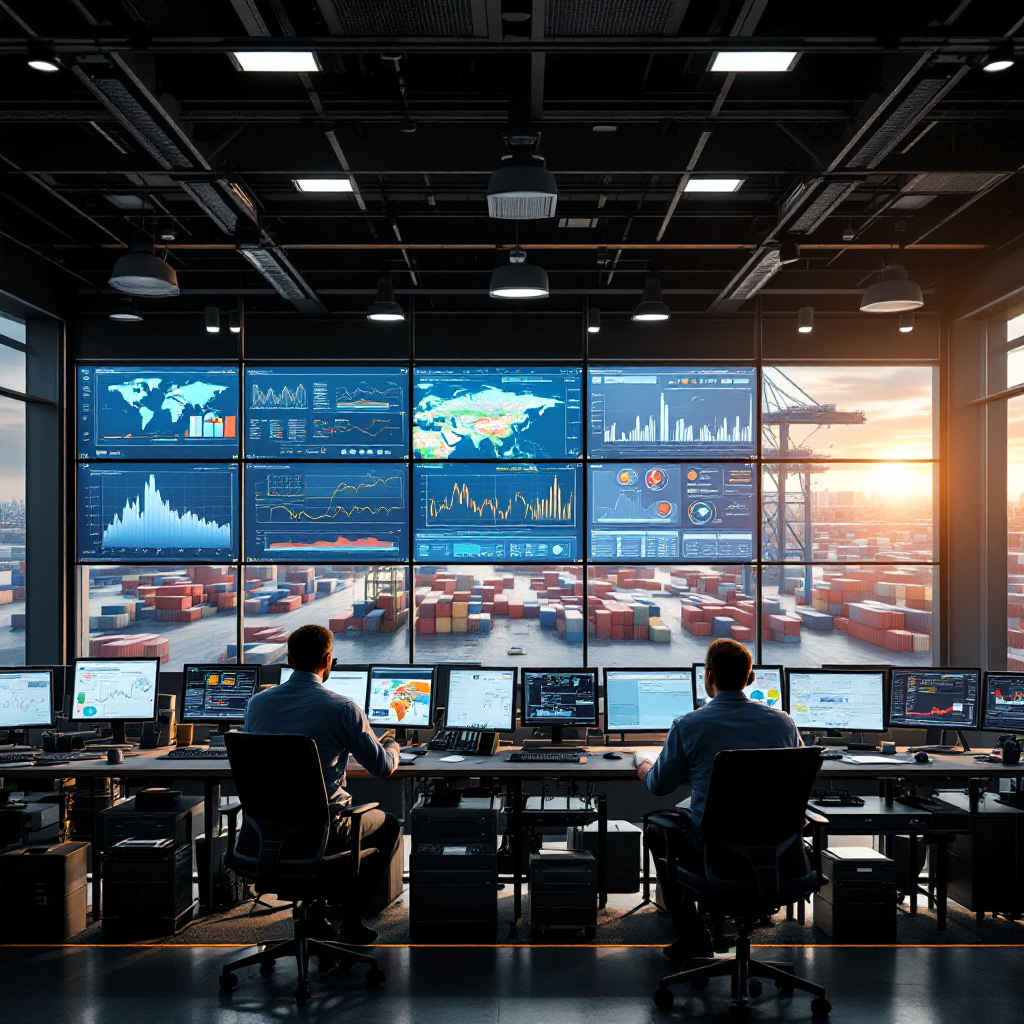
Container Terminal AI Optimization: TOS-Agnostic API Layers
Container Terminal AI Optimization: TOS-Agnostic API Layers ai integration in container terminal operations AI integration in the modern terminal changes daily work. First, a TOS-agnostic API layer sits between heterogeneous systems and AI tools. It standardizes data and hides vendor differences. As a result, operators can feed consistent inputs to models. This approach lets AI […]
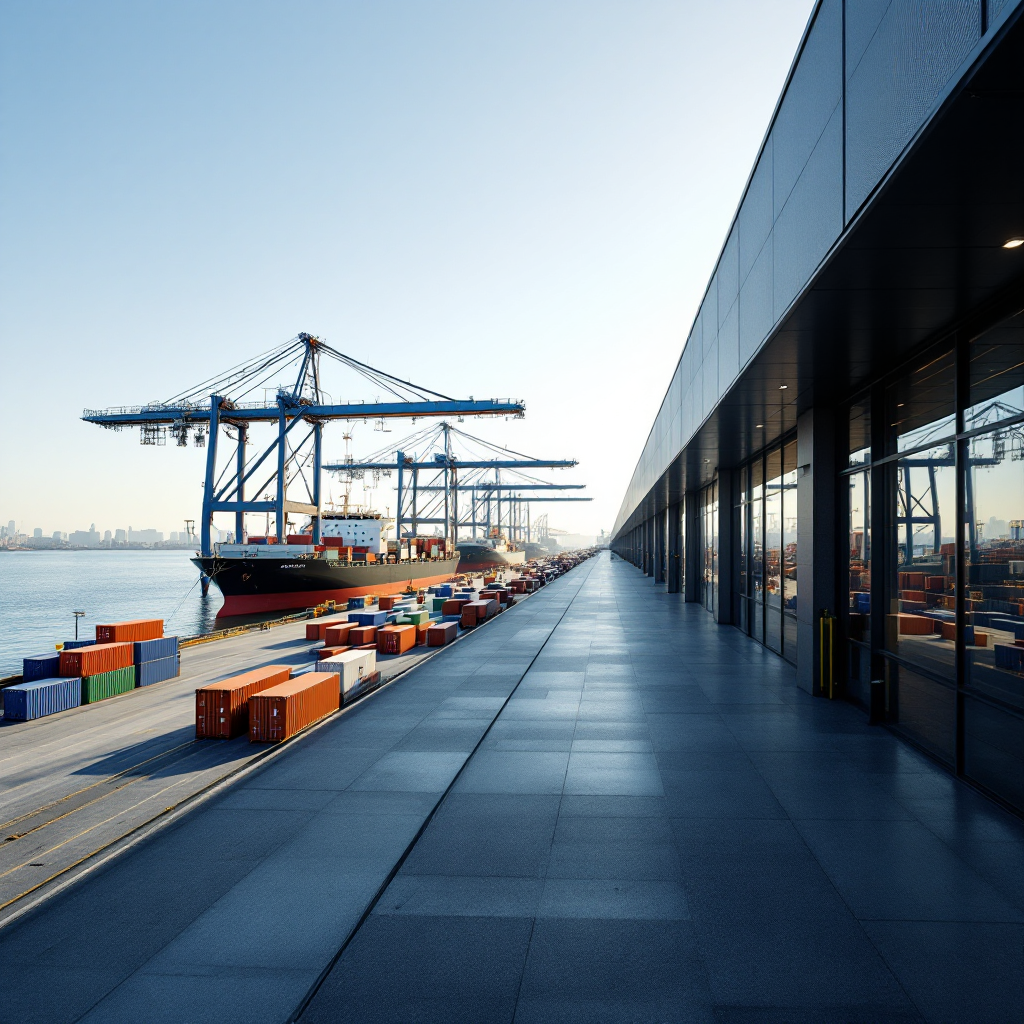
Crane solutions for quay crane scheduling at deepsea ports
literature review of the Quay Crane Scheduling Problem The quay crane scheduling problem sits at the center of operational research for deepsea ports and container terminals. First, the QCSP asks how to sequence and time container loading and unloading tasks assigned to quay cranes so that vessels spend as little time as possible at the […]
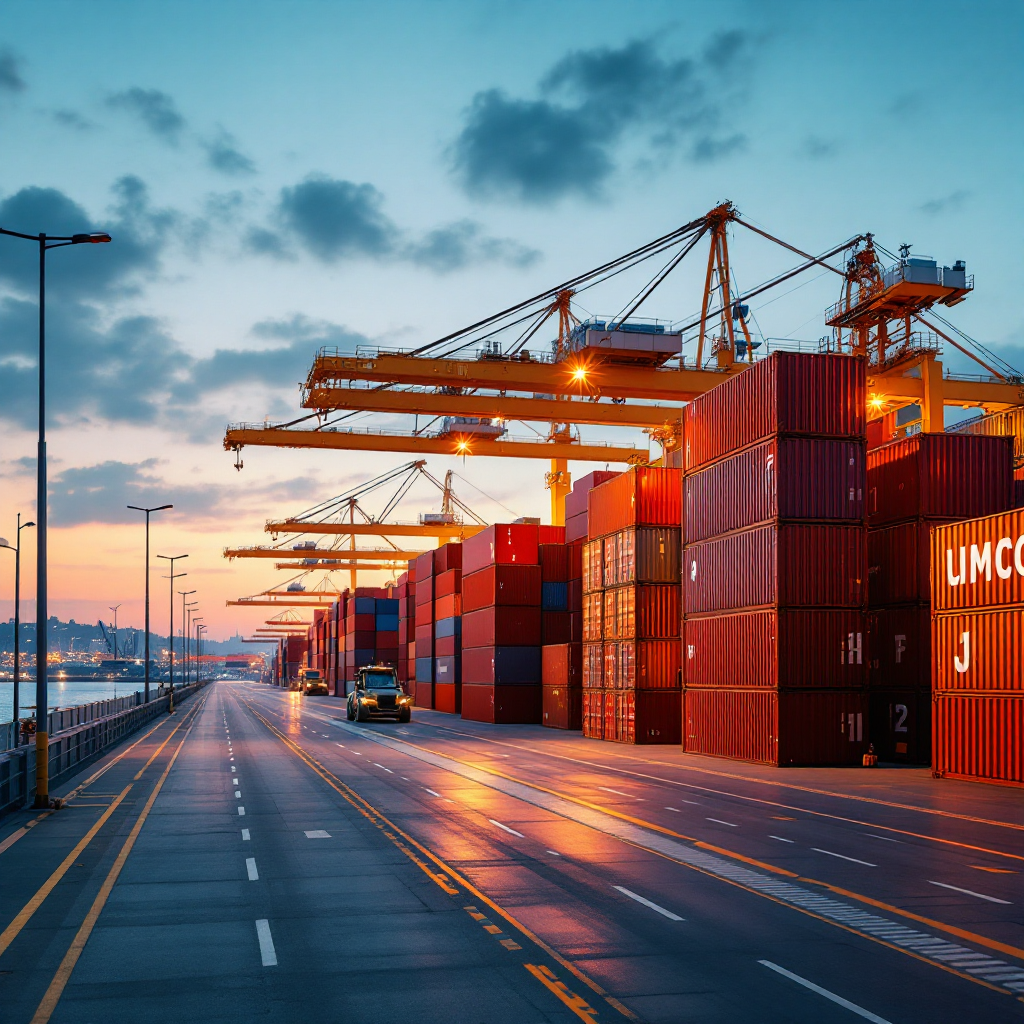
Advanced Container Terminal Planning Systems & Optimization
container terminal: Role in the Modern Supply Chain A container terminal sits at the heart of maritime logistics. It receives, stores, and moves CONTAINER loads between vessels, trucks, and rail. For ports and shippers the container terminal functions as a nexus that links sea and land transport, and it shapes how fast cargo moves through […]
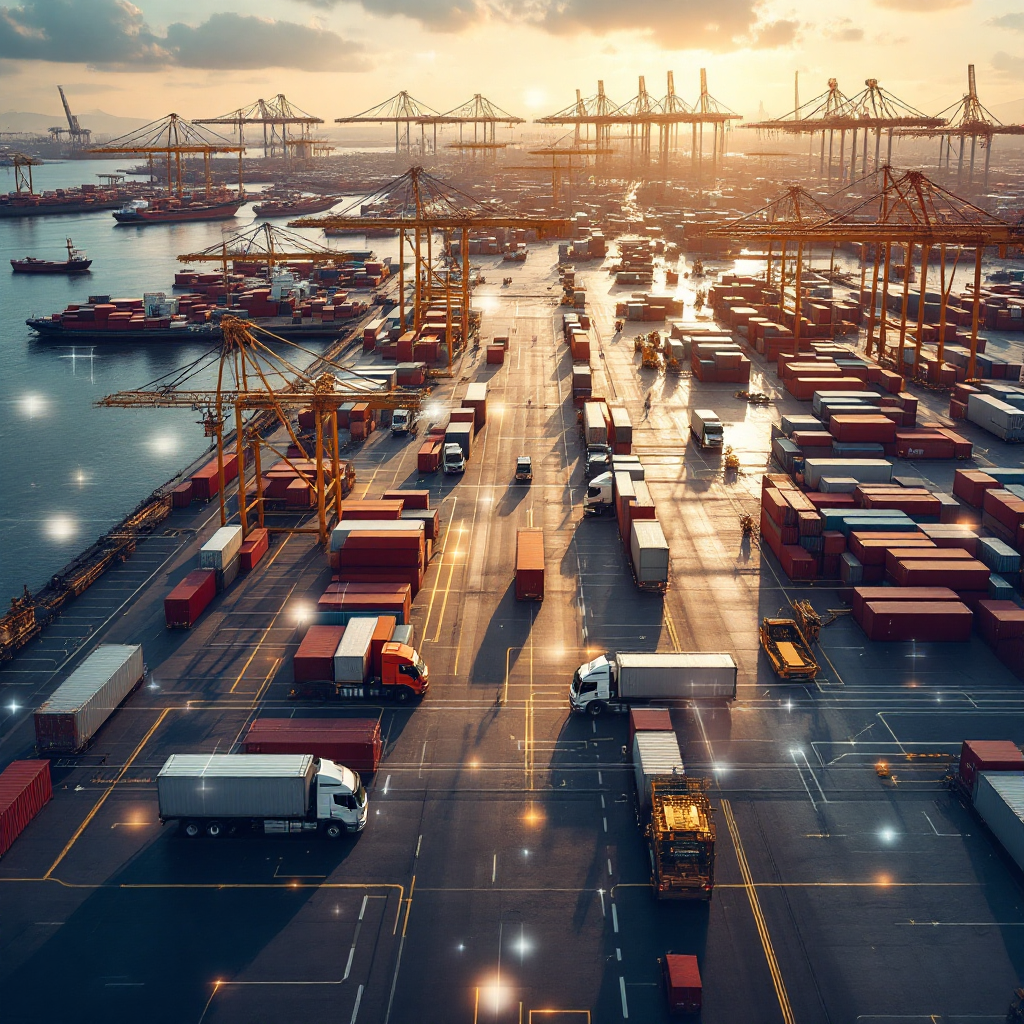
Operational readiness strategies for AI in container ports
AI Integration and Port Operations: Strategic Alignment AI integration within container port operations starts with a clear business case. First, define what AI will do for the port and why. Then, align goals with measurable outcomes such as reducing container dwell times and improving safety. Leaders must set KPIs for yard utilisation, berth productivity, and […]
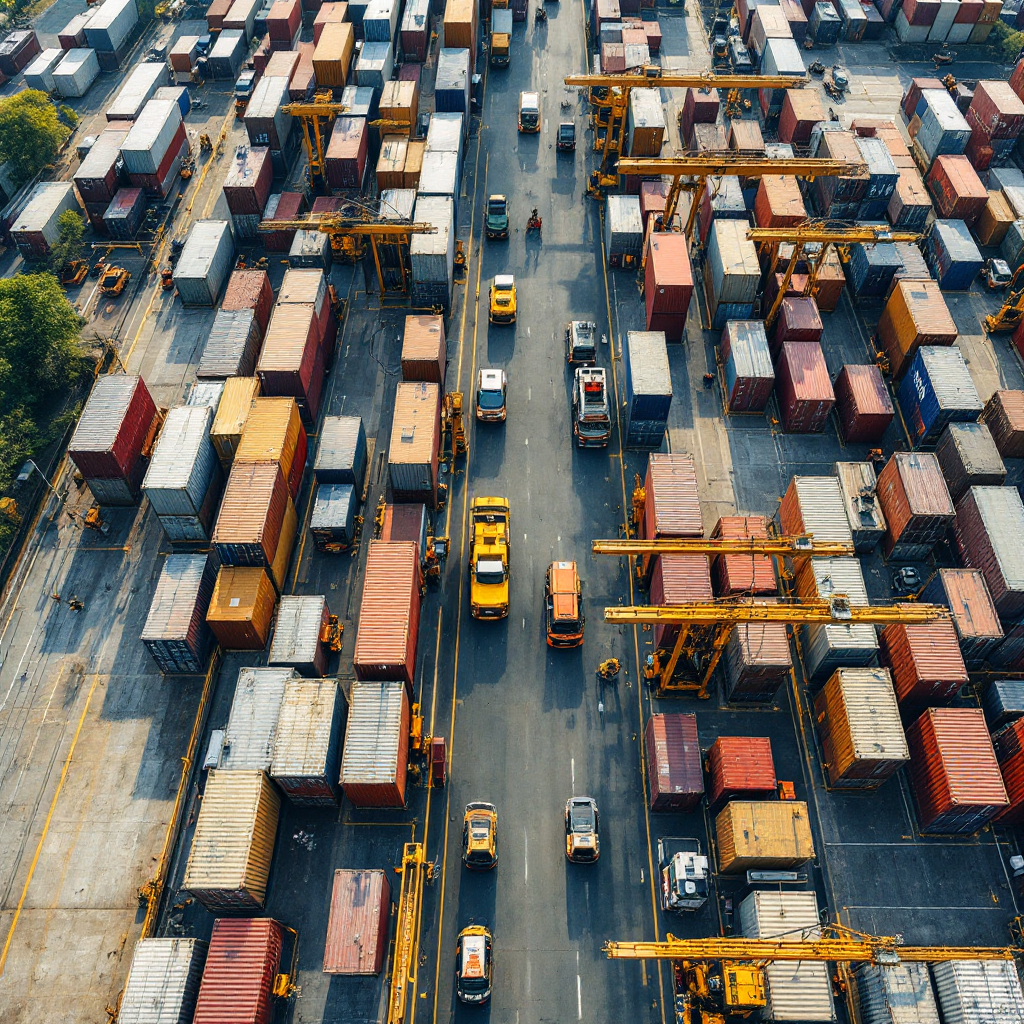
Terminal operations to reduce unproductive container moves
Terminal Operations: Defining Unproductive Moves Unproductive container moves happen when a CONTAINER is handled without directly loading or unloading cargo. They include repositioning, reshuffling, and extra lifts that add no value. These moves increase cost and slow vessel turnaround. They also accelerate wear on handling equipment. For example, studies show unproductive moves can represent up […]
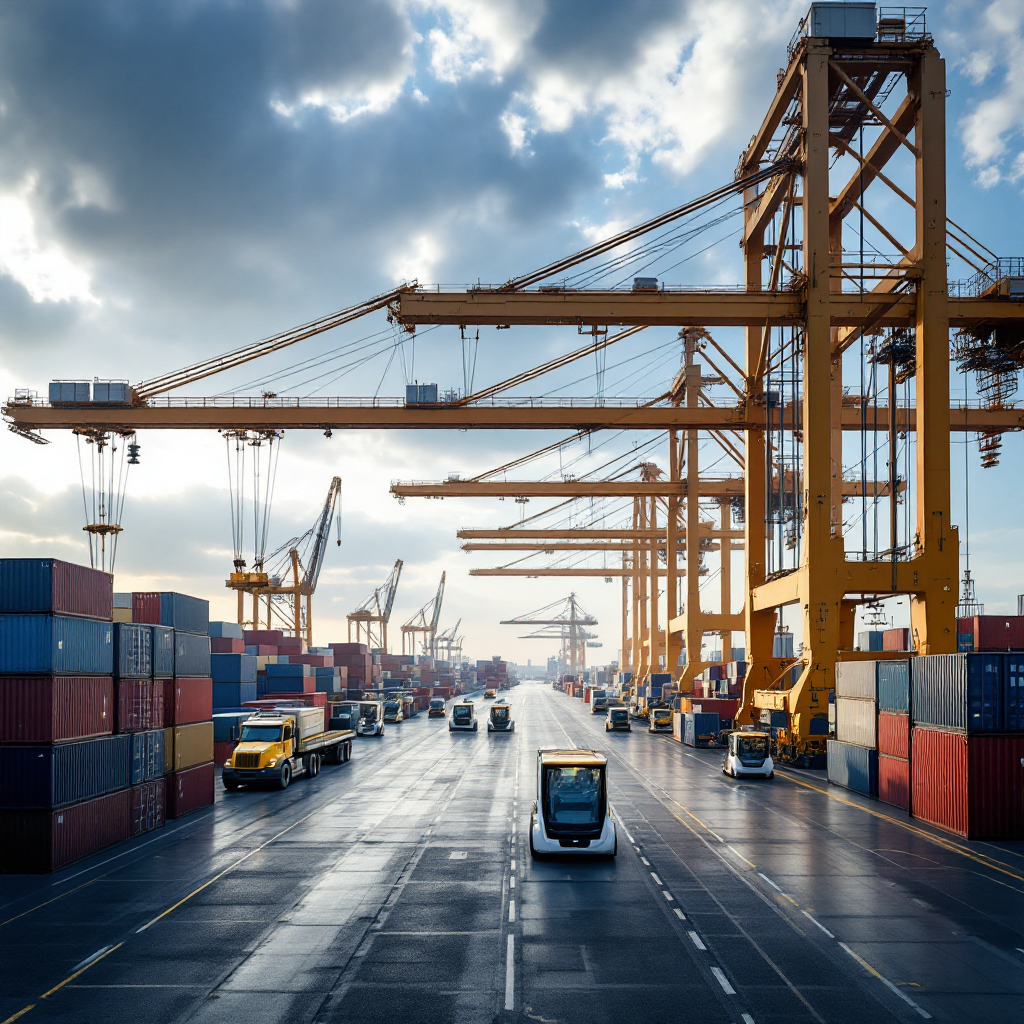
Real-time scheduling in automated container terminal
real-time Scheduling Fundamentals in Terminal Operations Real-time scheduling means making assignment decisions continuously, not in batches. In contrast, static or batch methods set plans ahead and rarely change them. Real-time systems ingest streams and adapt immediately. They reduce idle times, speed recovery from disruptions, and keep flow steady. For a container terminal, this distinction matters […]
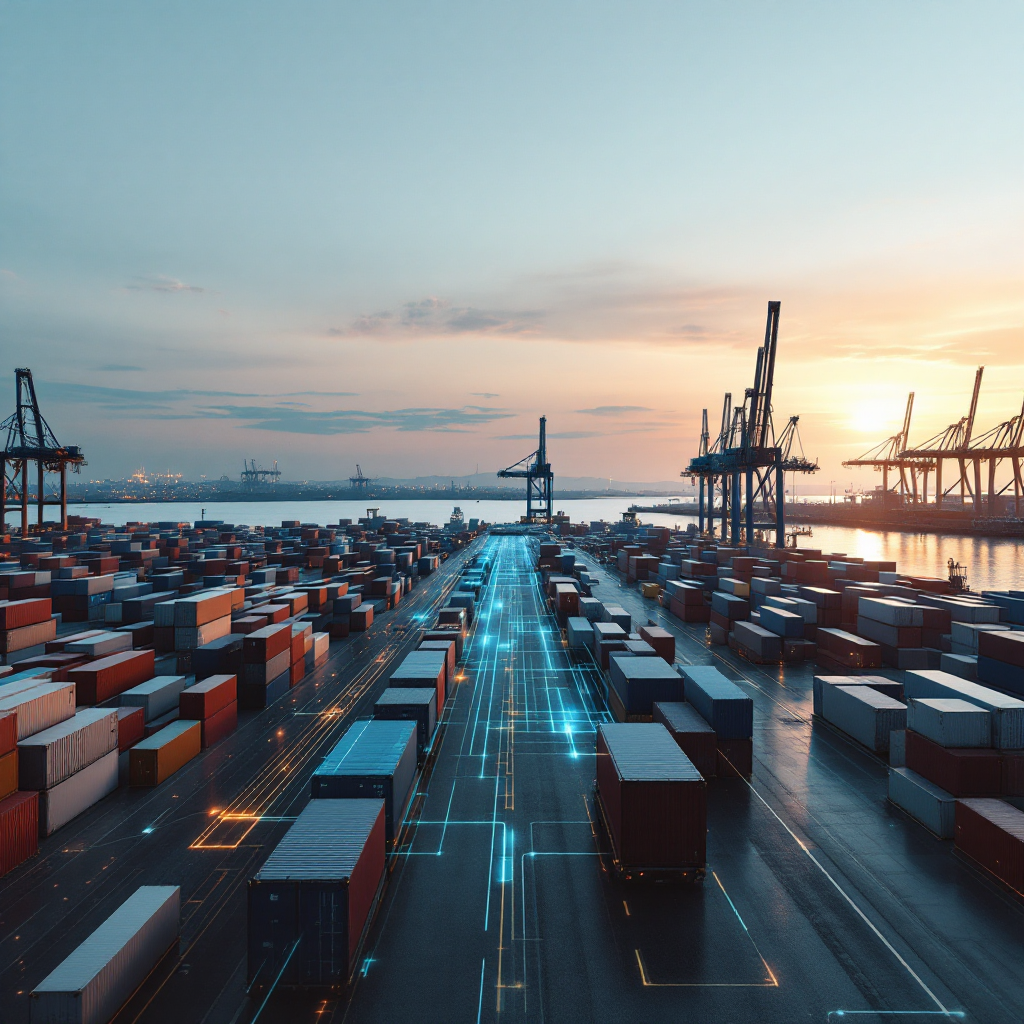
Port digitalization roadmap for port operations
port Digitalisation and Market Drivers A port digitalisation roadmap is a strategic plan that maps the phased steps a port must take to adopt digital technologies, improve workflows and deliver consistent performance. It defines objectives, milestones and governance. It also aligns stakeholders, from shipping lines and port authorities to terminal operators and the wider port […]
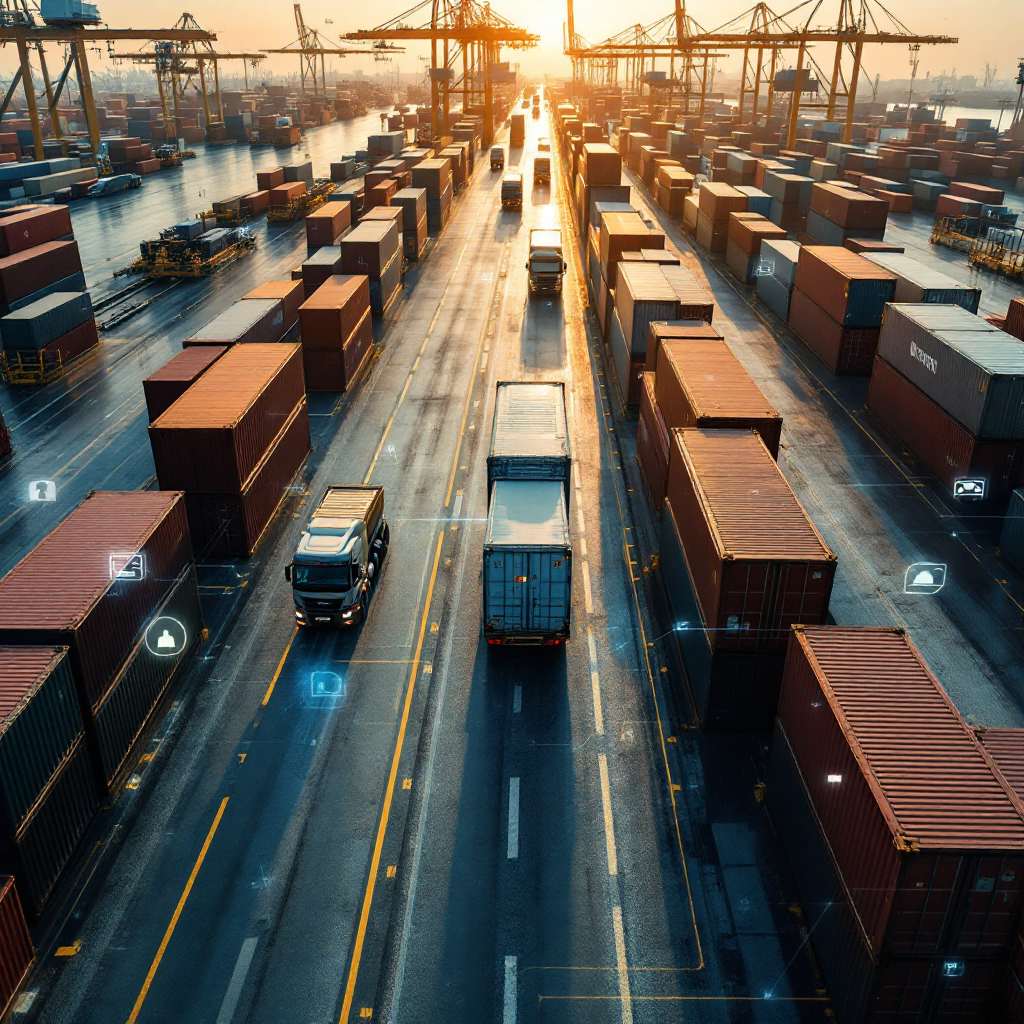
Steps to implement inland container terminal automation
Begin with automation overview: Benefits for inland container terminals and maritime supply chains Automation is the use of technology to control tasks and to streamline container movement and yard functions. It plays a clear role in hinterland logistics and in the link between seaports and inland distribution hubs. When terminals automate, they often increase throughput. […]
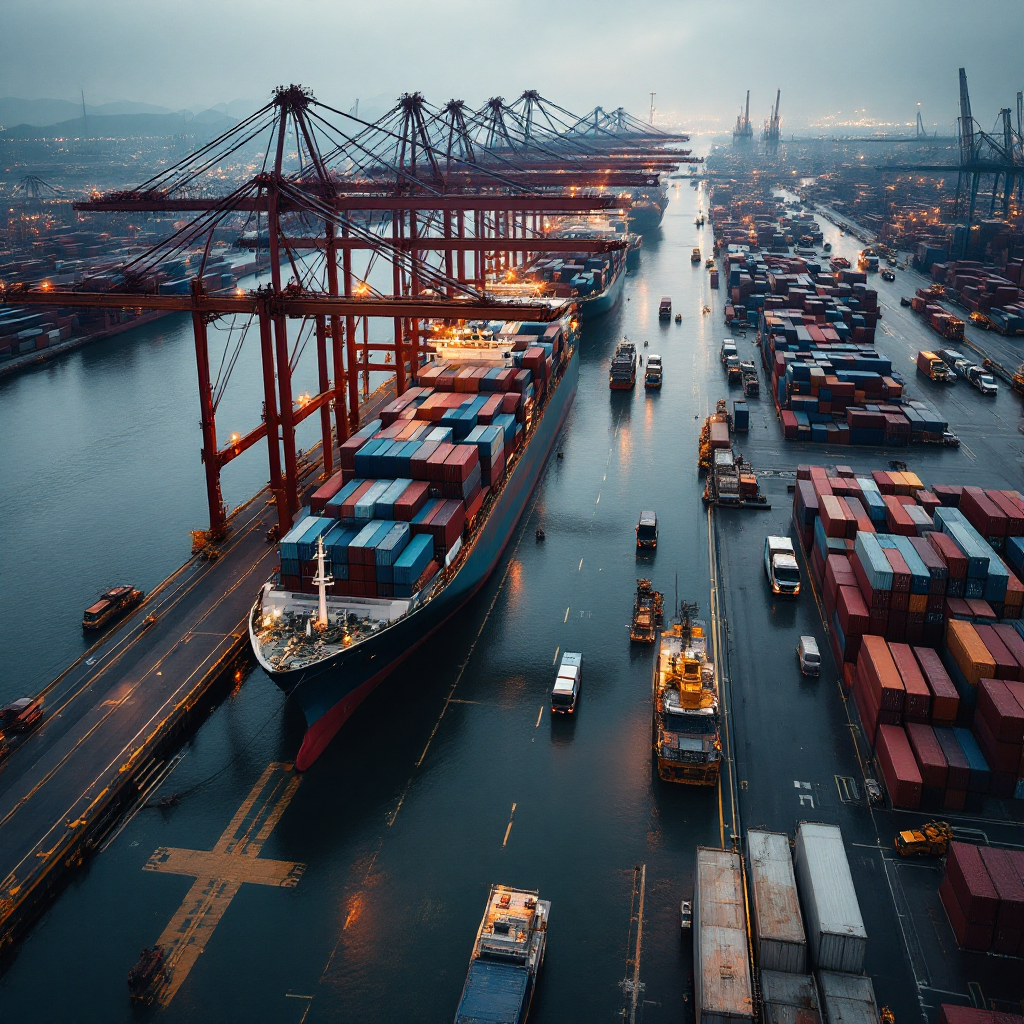
Handling discharge changes in container port schedules
container port fundamentals and port of discharge changes The container port serves as the hub where ocean freight moves between sea and land, and it links ships, trucks, trains, and warehouses. The Port of Discharge is the named place where a container ship unloads cargo for onward inland movement. Port teams plan for loading and […]
