
Author: Justas
Seamless data migration and cutover in a container terminal
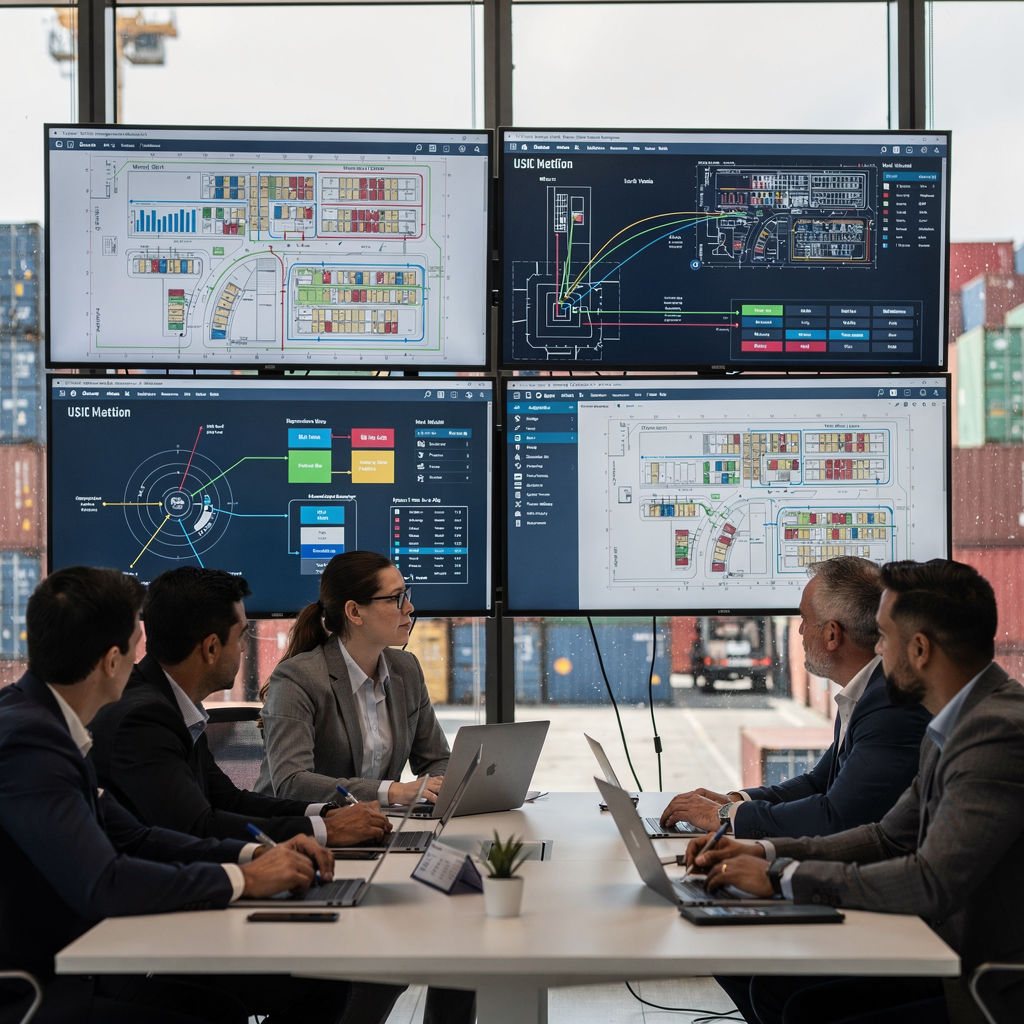
Role of Data in Container Terminal Migration First, define the role of data as the foundation that drives every decision in a container terminal. Also, data consistency matters because it impacts yard moves, gate throughput, berth planning and vessel schedules. The role of data becomes obvious when a terminal attempts a TOS upgrade. For clarity, […]
AI port terminal automation for deepsea logistics
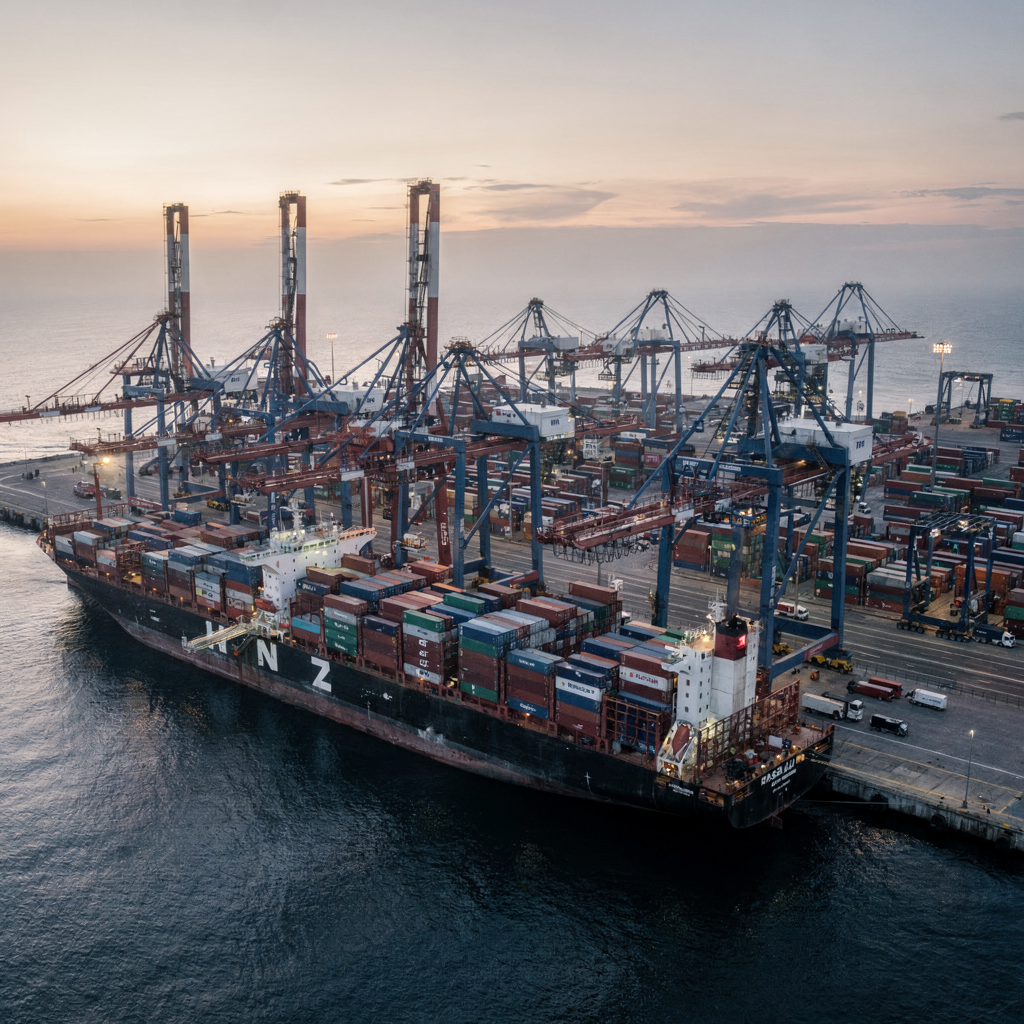
ai and port Overview: Role of AI in Deepsea Container Terminal Operations Deepsea container terminals run complex workflows that connect ships, cranes, trucks and warehouses. In a busy port, cranes lift thousands of TEU per week, and the high-hoisting equipment defines throughput. Ports run berths and yards under narrow time windows, and every move matters. […]
Artificial intelligence in container port yard planning
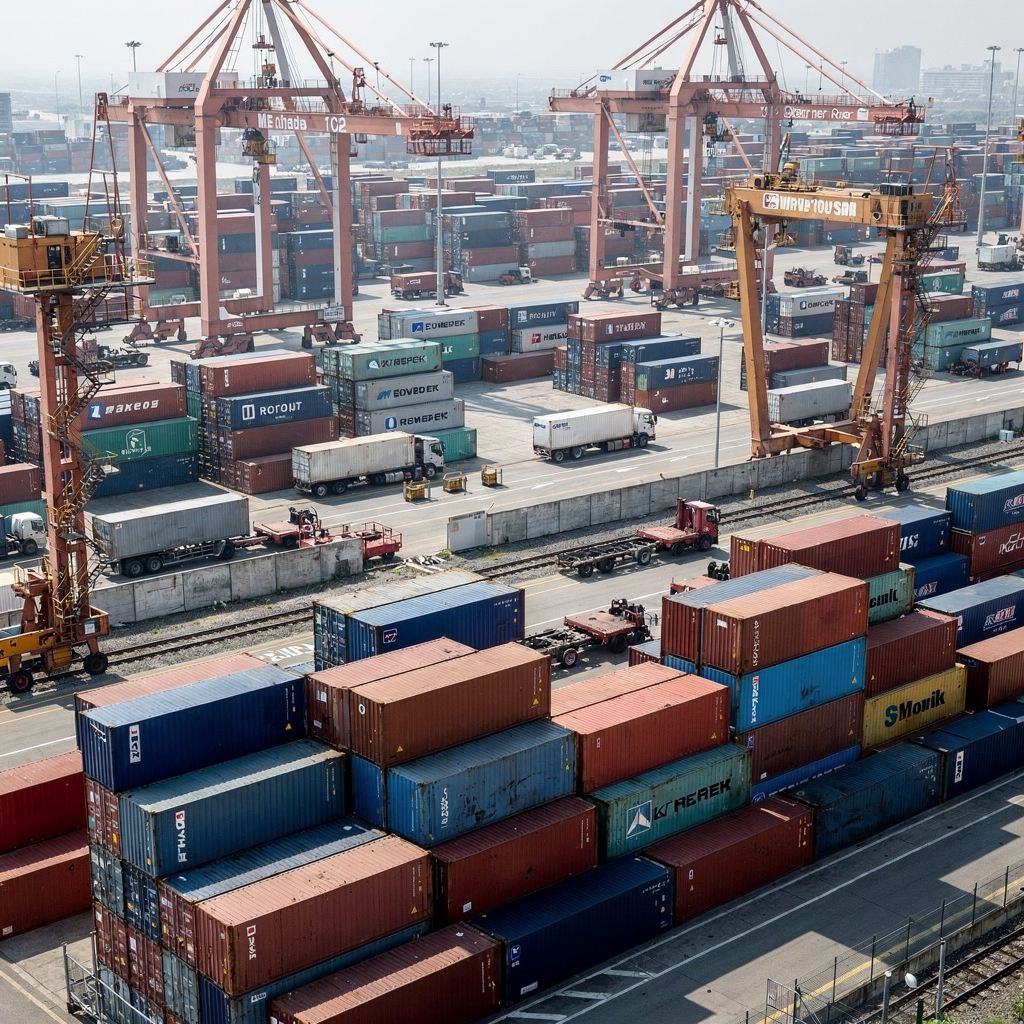
container A container is the fundamental unit of freight in modern port logistics. It is a standardized steel box that comes in common sizes such as twenty-foot equivalent units and forty-foot units, and the exact container size matters in yard planning because it dictates stacking, weight limits, and spatial allocation. Planners track type of container, […]
Dynamic container terminal allocation on real-time demand
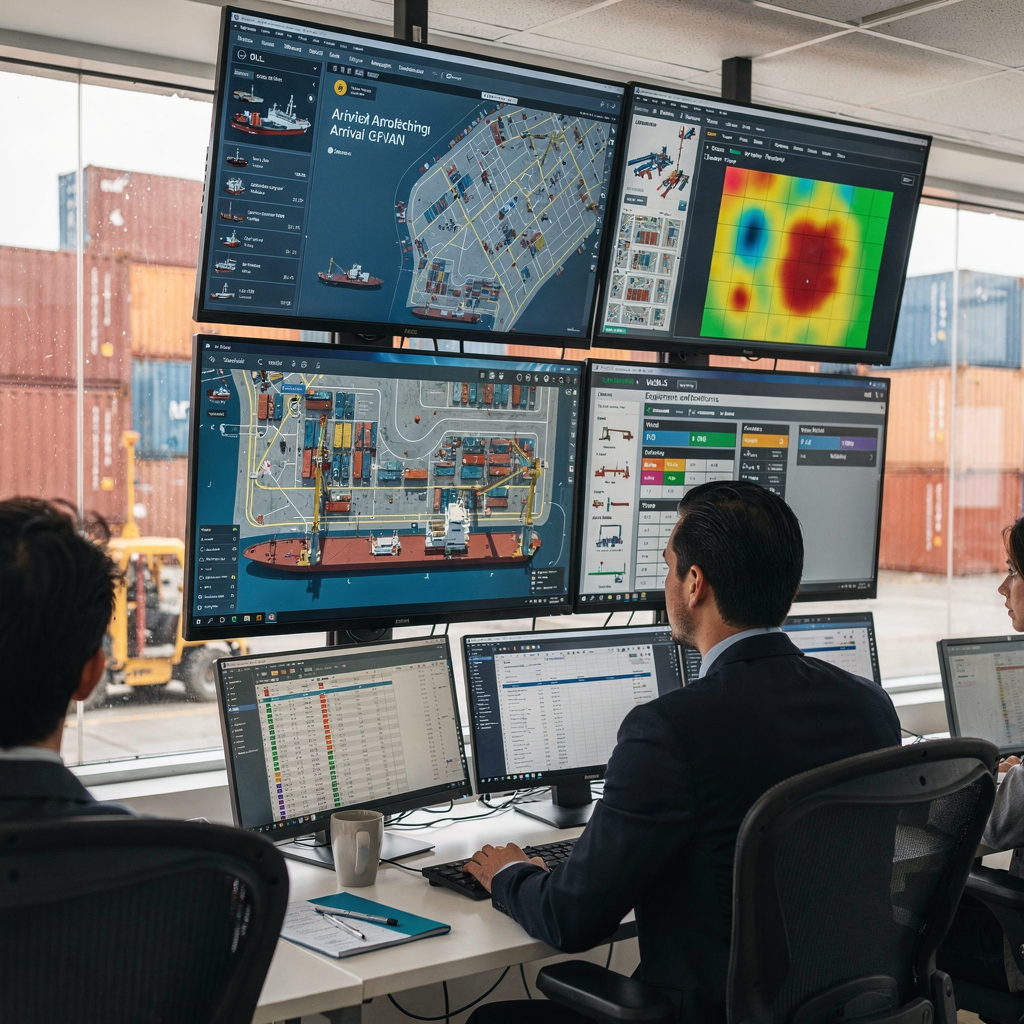
allocation: Principles of dynamic equipment pool allocation Dynamic allocation differs from static schedules in a clear way. Static plans lock equipment into predefined shifts and bays. Dynamic allocation reacts to demand, and it reallocates cranes, trucks, and yard handlers when and where they are needed. In a busy terminal the approach reduces idle time, and […]
Stowage planning automation for container terminal loading
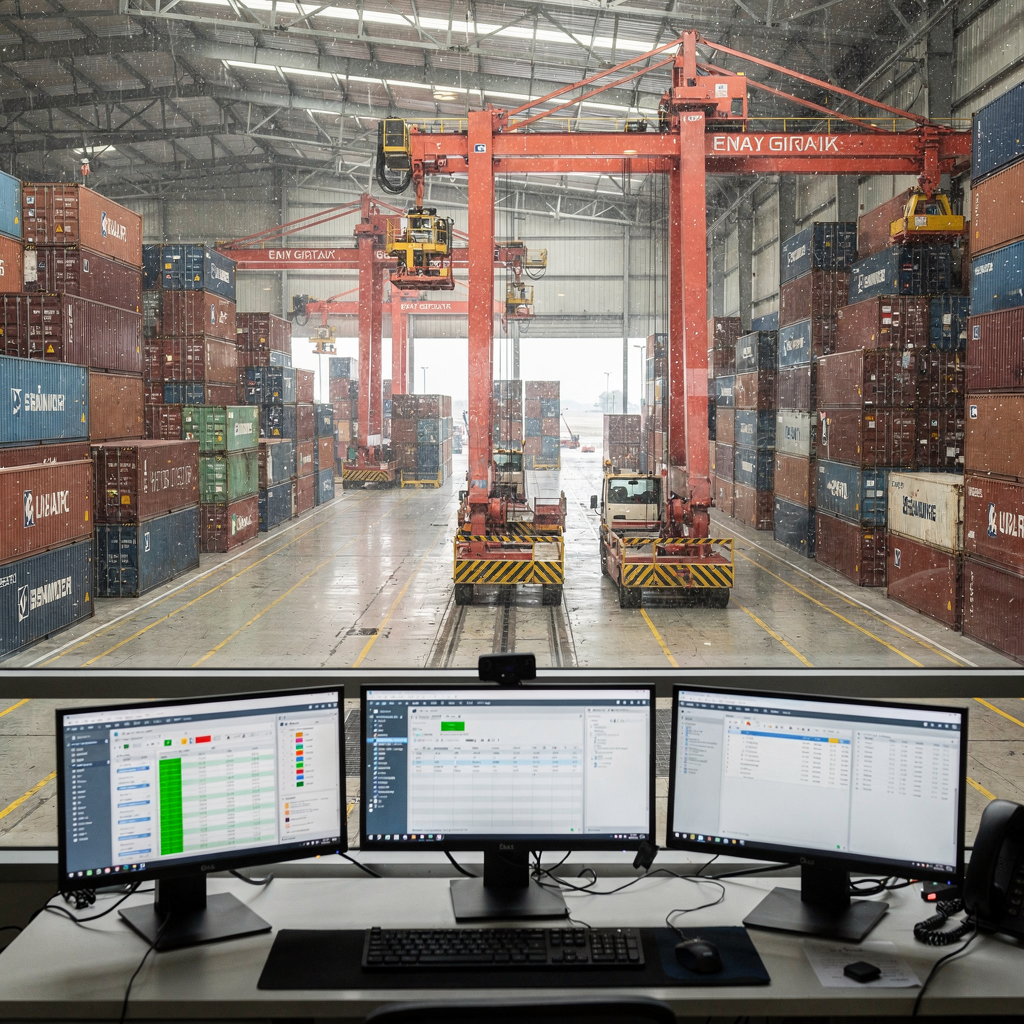
Terminal and Container Terminals: Fundamentals of Automated Loading Stowage replanning is the active adjustment of container placement and moves to match unfolding conditions. In practice, stowage planning sits at the heart of efficient terminal activity and it helps terminal operators run predictable shifts. Manual loading methods struggle with scale. They create delays and increase operational […]
Schedule Cranes with Deep RL in Container Terminals
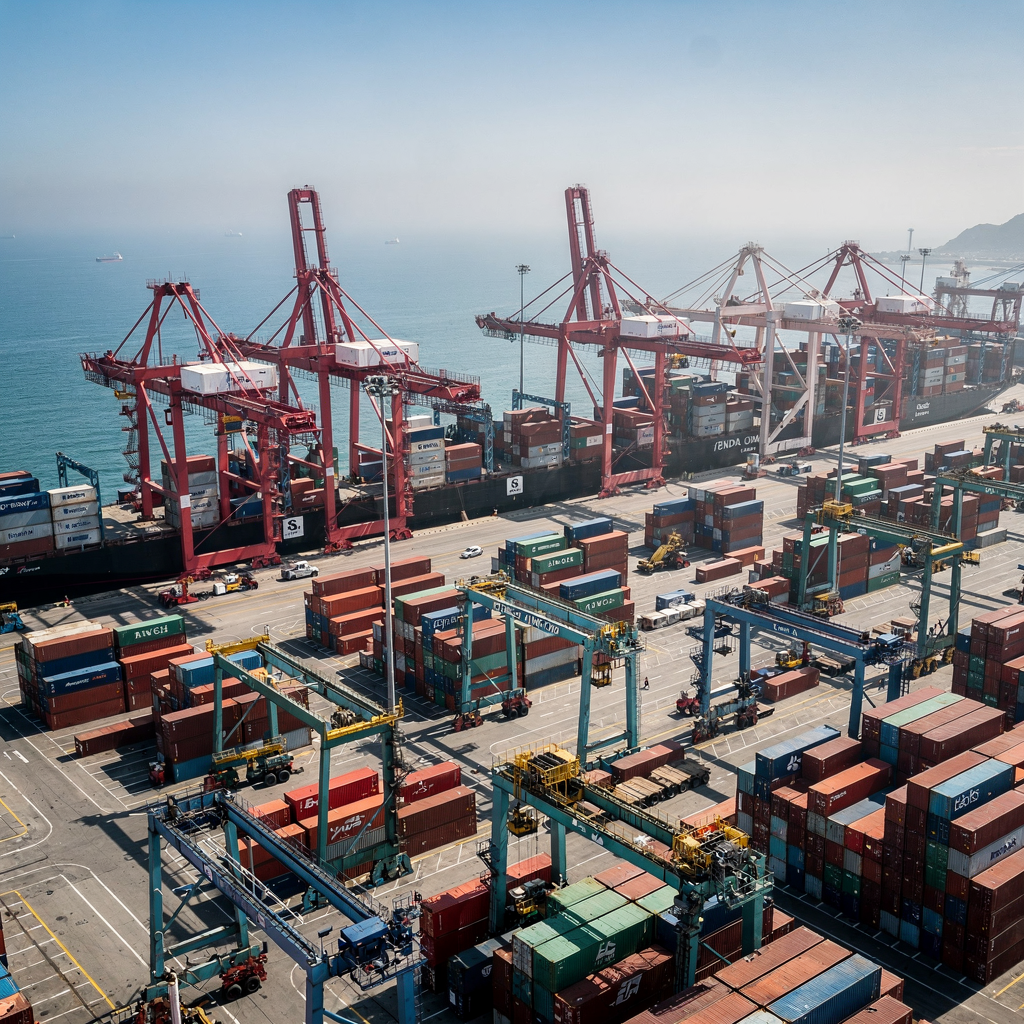
schedule and planning problem in container terminals Crane scheduling sits at the heart of the schedule and planning problem in container terminals. The planning problem begins before a vessel arrives. Terminal planners must translate a ship stowage plan into actionable moves. They must decide which quay crane handles which bay, and which yard crane performs […]
Stowage plan to minimise conflicts in port operations
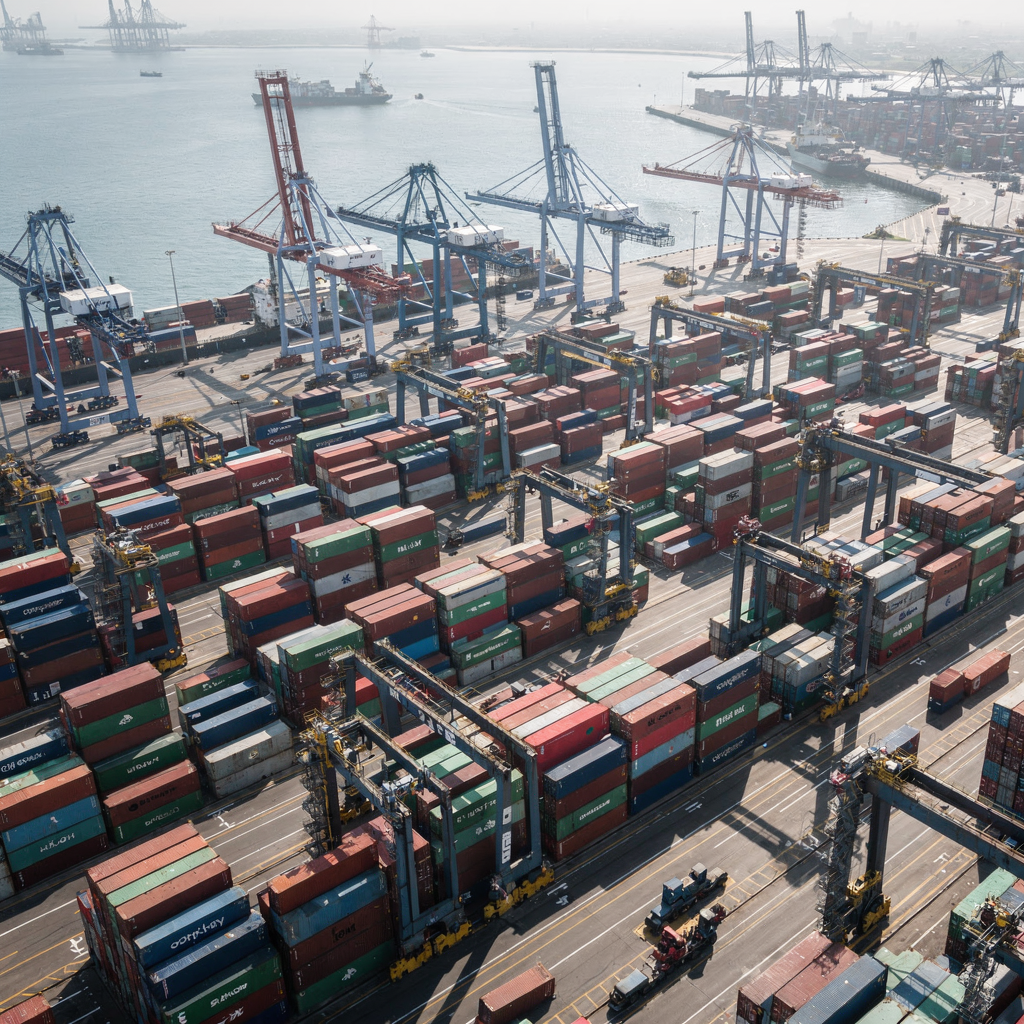
problem description: Mixed Stowage Challenges in Automated Container Terminals Mixed stowage describes situations where different cargo types or containers with varying handling rules end up close together in the same storage area. This creates friction, and it creates delays, and it creates safety risk. Ports face delays and damage when planners ignore compatibility. Studies report […]
Digital twin and AI for smart port terminal operations
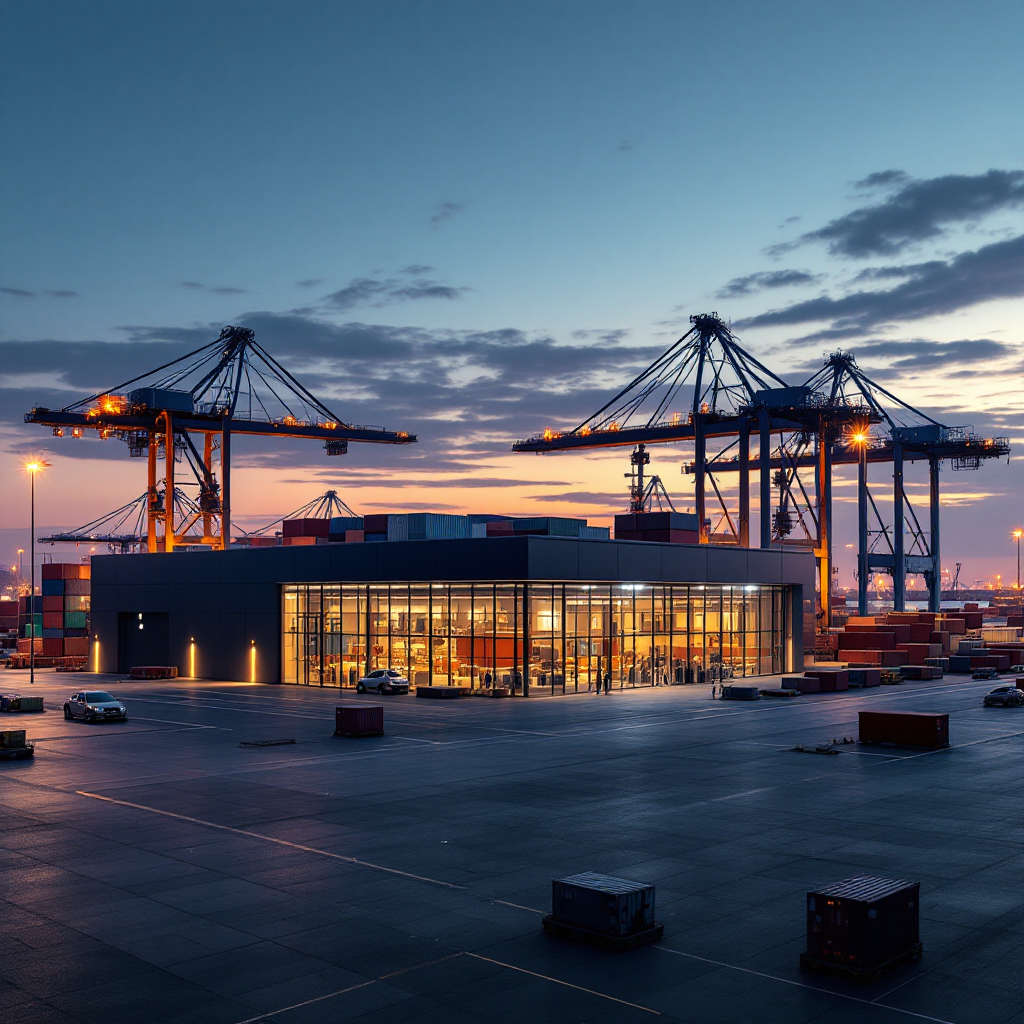
digital twin and AI in port facilities: an overview The digital twin concept creates a rich digital model that mirrors physical port systems. For ports, a digital model links sensors, control systems, and operational databases to a live virtual replica. This replica helps teams see what is happening in real time and test choices safely. […]
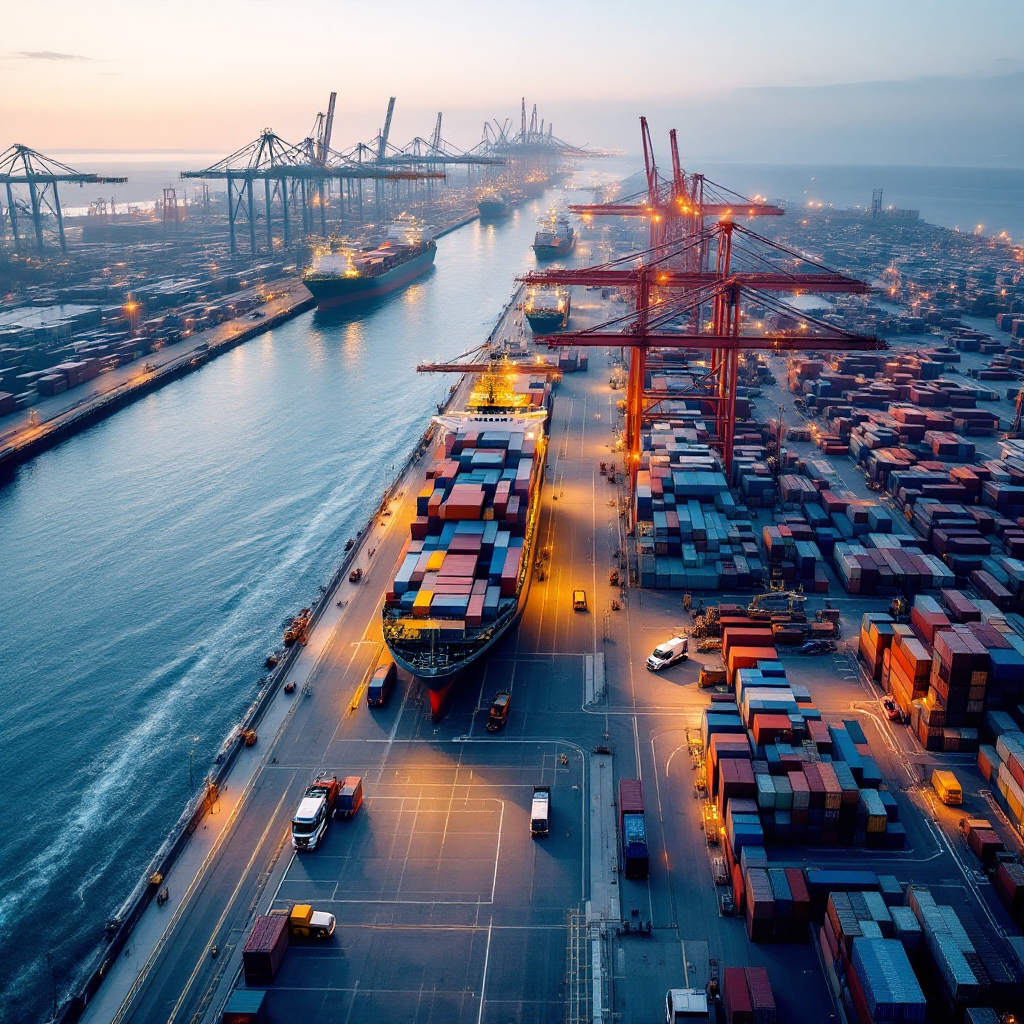
Crane scheduling at deepsea container ports
Overview of Multi-Vessel Crane Scheduling Optimisation Multi-vessel crane scheduling optimisaton addresses how to assign QUAY EQUIPMENT to several ships that share a berth or adjacent berths. In deepsea container ports this task steers vessel turnaround and container throughput and it links berth allocation with crane work. The core idea is simple and the challenge is […]
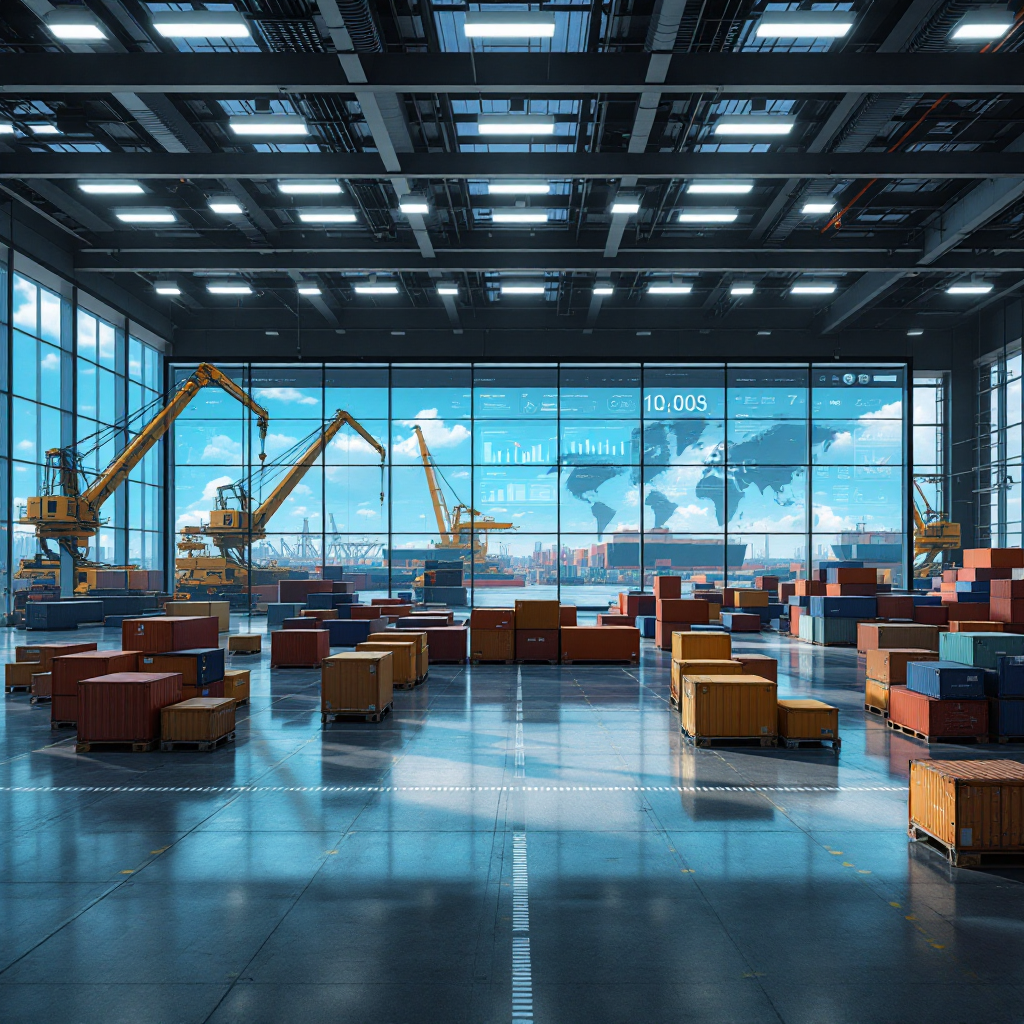
Predictive analytics in container port logistics
The Role of predictive analytics in logistics at container ports First, predictive analytics transforms how a port plans and acts. Specifically, historical and real-time data feed machine learning algorithms and train predictive model that forecast arrival times, berth windows and equipment needs. Consequently, terminals can reduce idle crane time and improve resource allocation. For example, […]
