
Author: Justas
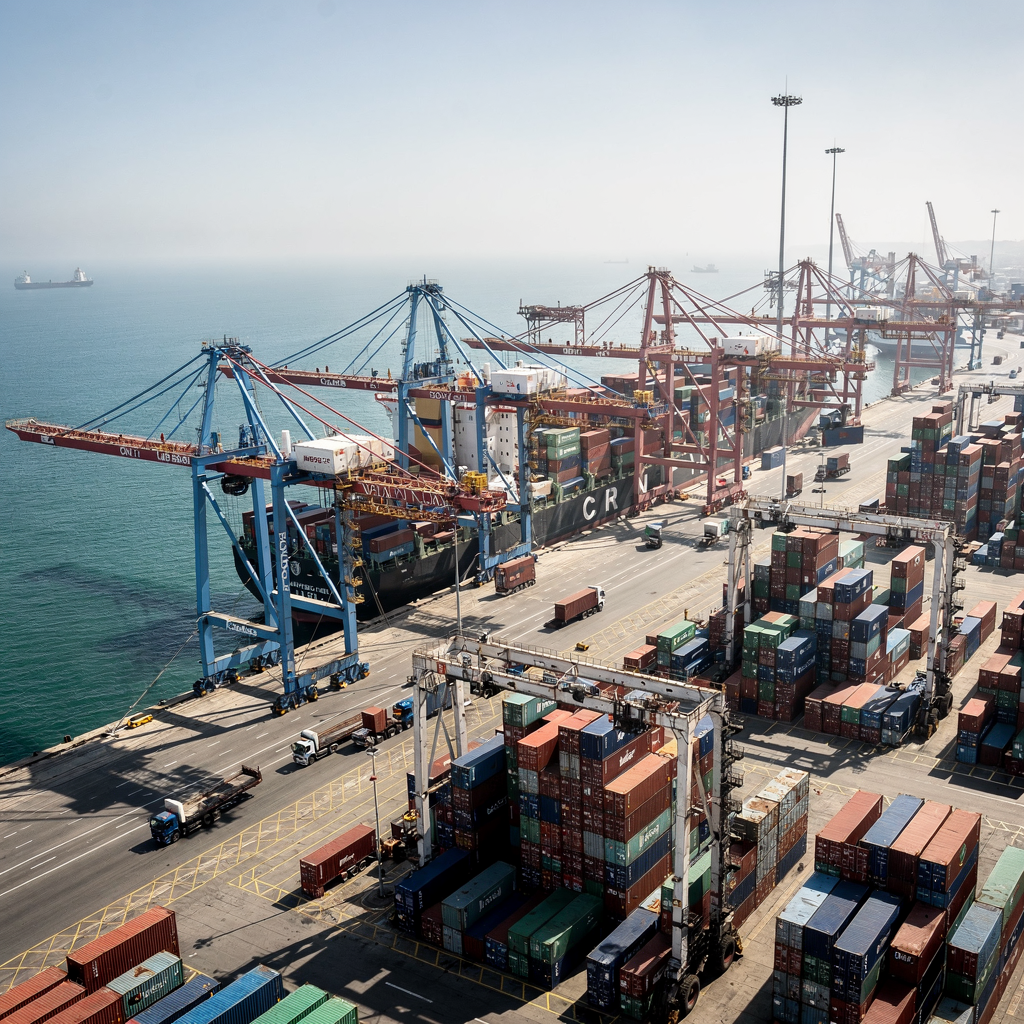
Key benchmarks for gross crane rate in container ports
Understanding Gross Crane Rate in Container Ports The gross crane rate measures how many container moves a ship-to-shore (STS) crane completes per hour. It covers both loading and unloading moves under standard working conditions. Terminal teams use this metric to judge quay productivity and to plan berth windows, and it directly affects how fast a […]
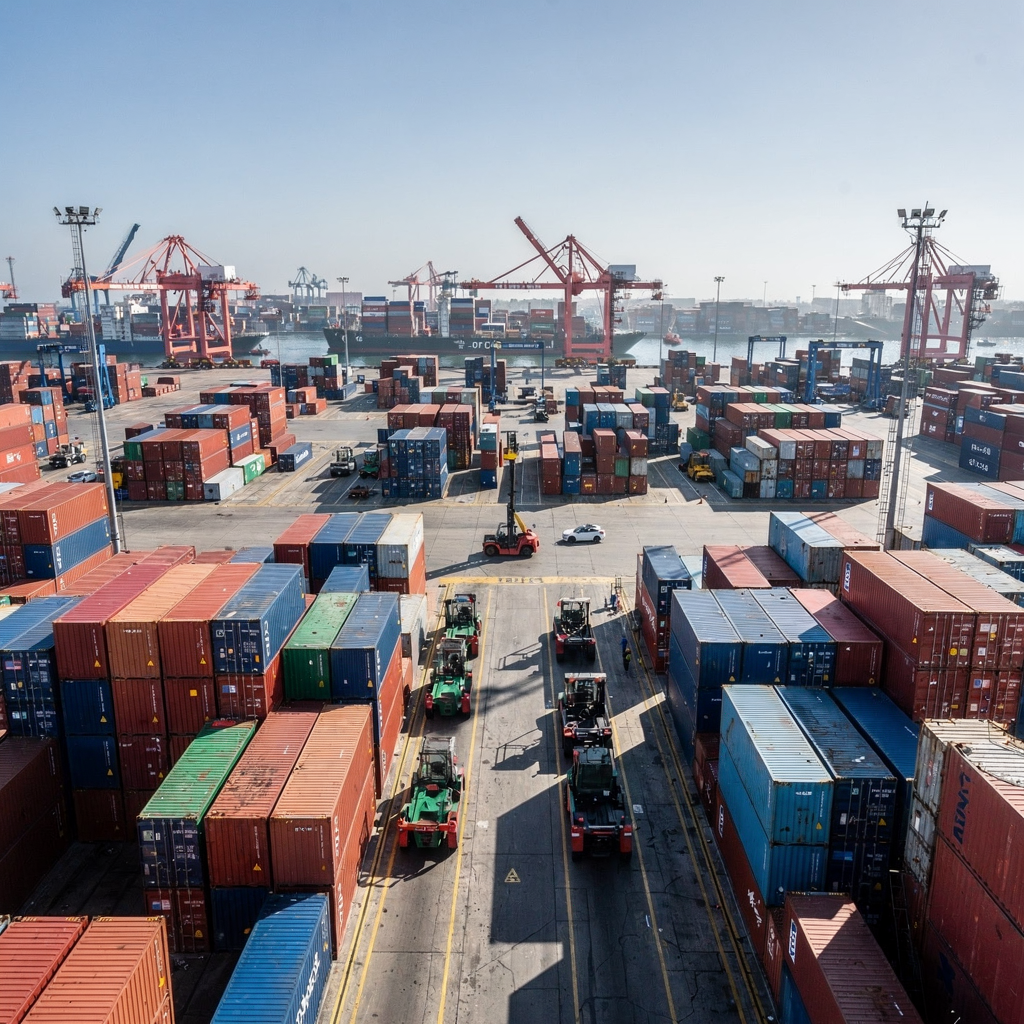
ATT job scheduling for container terminal yard & quay ops
Quay Operations Quay operations centre on berthing, crane sequencing, and swift transfer of goods from ship to shore. First, a berth is assigned. Then quay teams stage the lift plan and position equipment. In this phase, a tight sequence of moves must balance speed with safety. Research finds that “the synchronization of quay cranes, yard […]
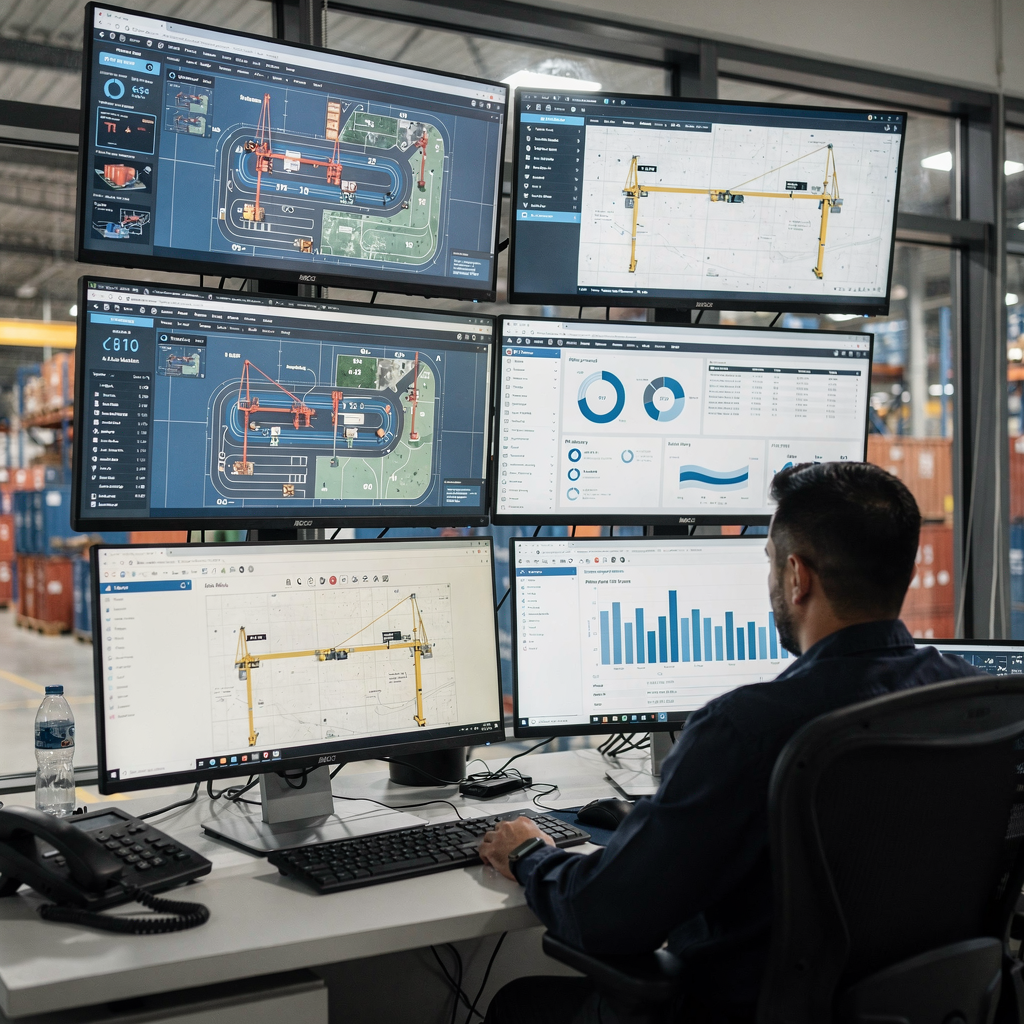
GMPH optimization in container terminal operations
terminal: Understanding GMPH and Its Impact on Throughput Gross Moves Per Hour (GMPH) measures how many container moves a terminal executes each hour. It counts loading, unloading, and stacking. GMPH therefore gives a clear numeric view of throughput. For planners and terminal operators, GMPH links directly to berth management, yard flow, and vessel turnaround. First, […]
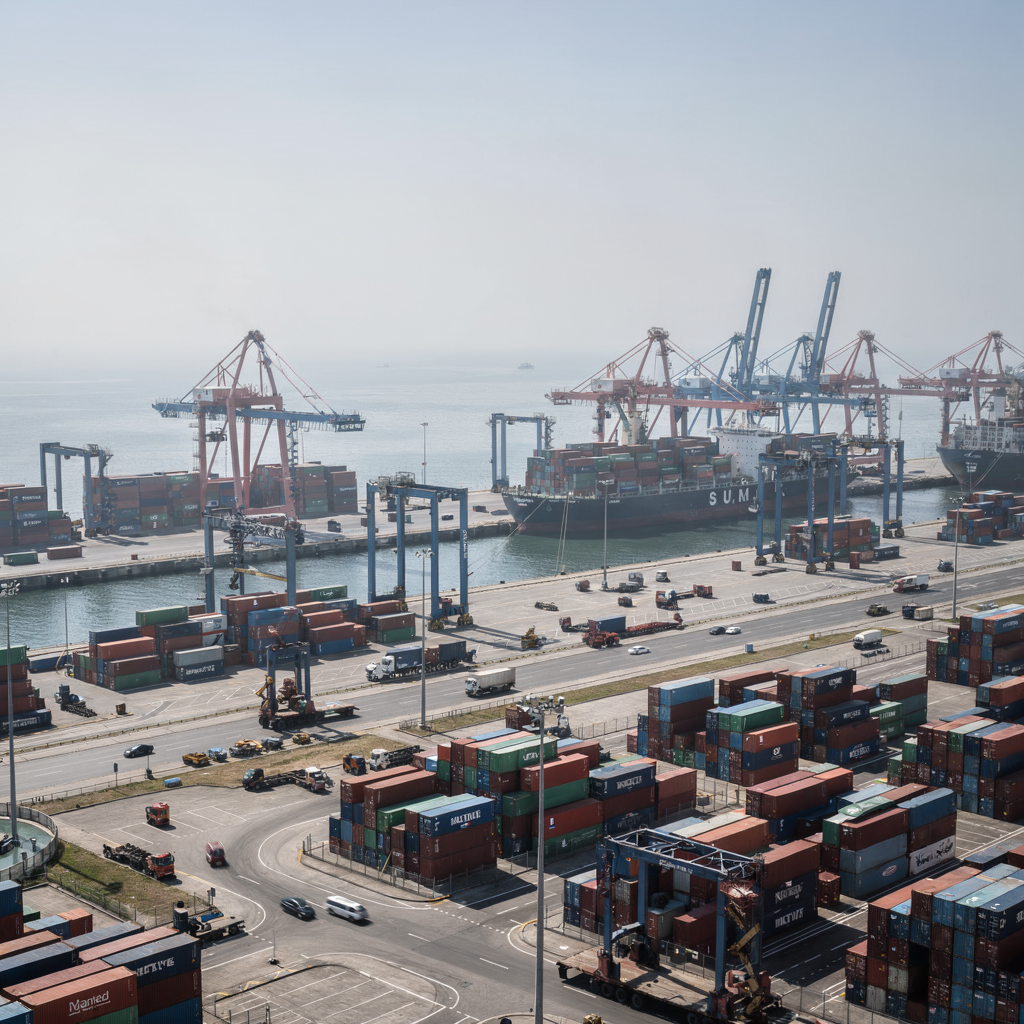
Integrating berth call optimisation with quay crane planning
Introduction: Integrating Berth Call Optimisation with Quay Crane Planning Berth allocation and QUAY CRANE scheduling represent two tightly linked puzzles at the heart of a container terminal. Berth allocation assigns incoming vessels to quay space, and quay cranes handle the container moves on and off those vessels. Both tasks face constraints: vessel arrival uncertainty, tide […]
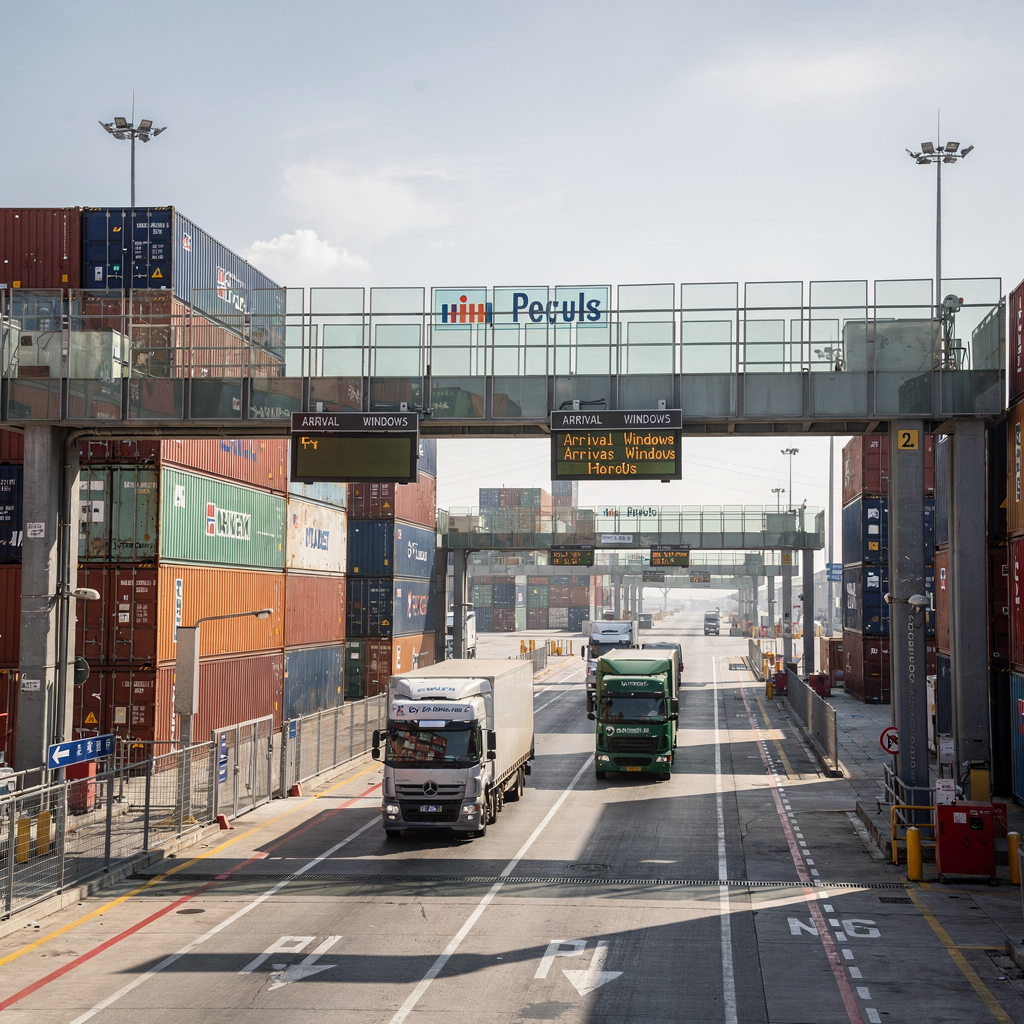
Port container solutions to ease inland terminal congestion
Port congestion crisis: Root causes of port congestion Port congestion has moved from a seasonal headache to a full congestion crisis, and stakeholders feel the strain across global trade lanes. Global port congestion rose sharply, with a reported surge of roughly 300% by 2025 (source). This spike created severe congestion at many major hubs, and […]
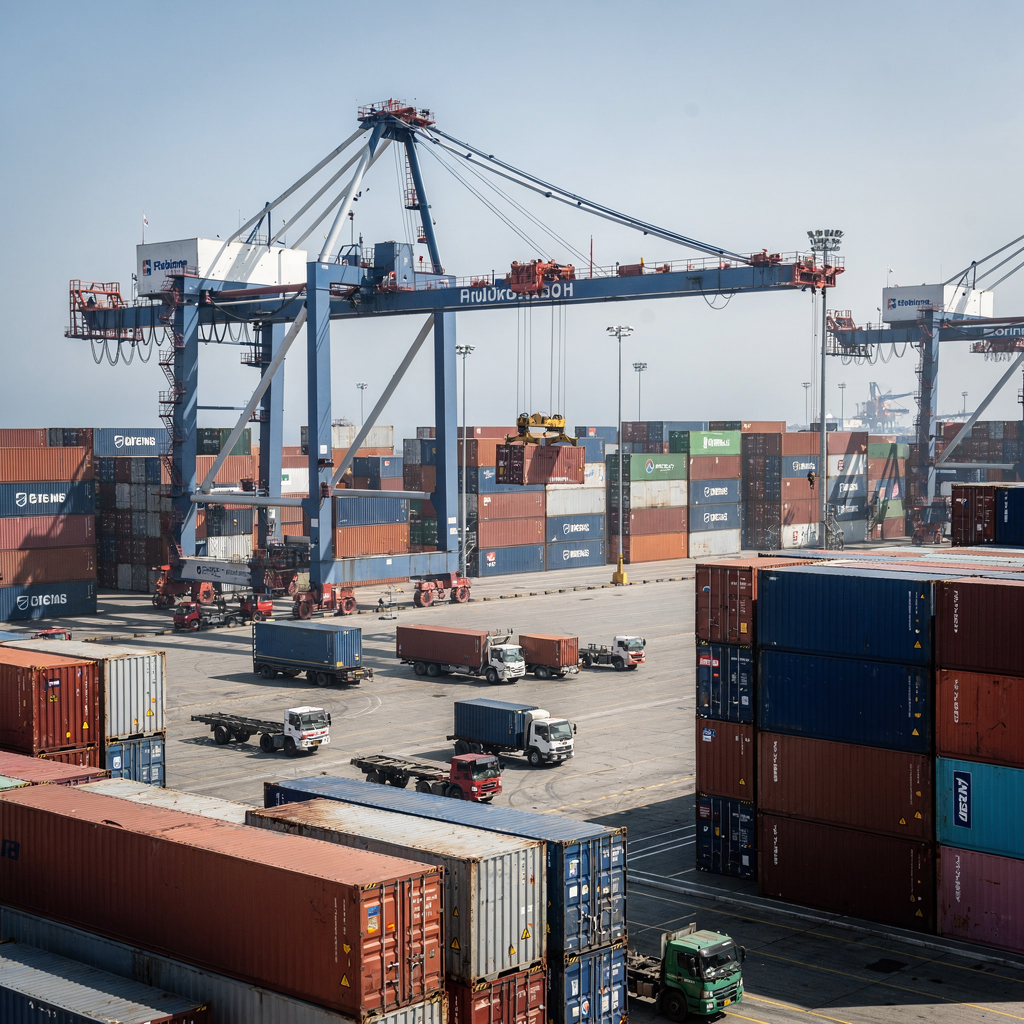
Flexible optimisation & coordination at container terminals
container terminals, maritime container flow: fundamentals and performance metrics Equipment cycle time defines how long handling equipment takes to complete a full loop of loading, repositioning, and returning. It directly affects vessel turnaround and port throughput. Faster cycles raise quay productivity and reduce vessel idle time. For example, some ports report up to 30% faster […]
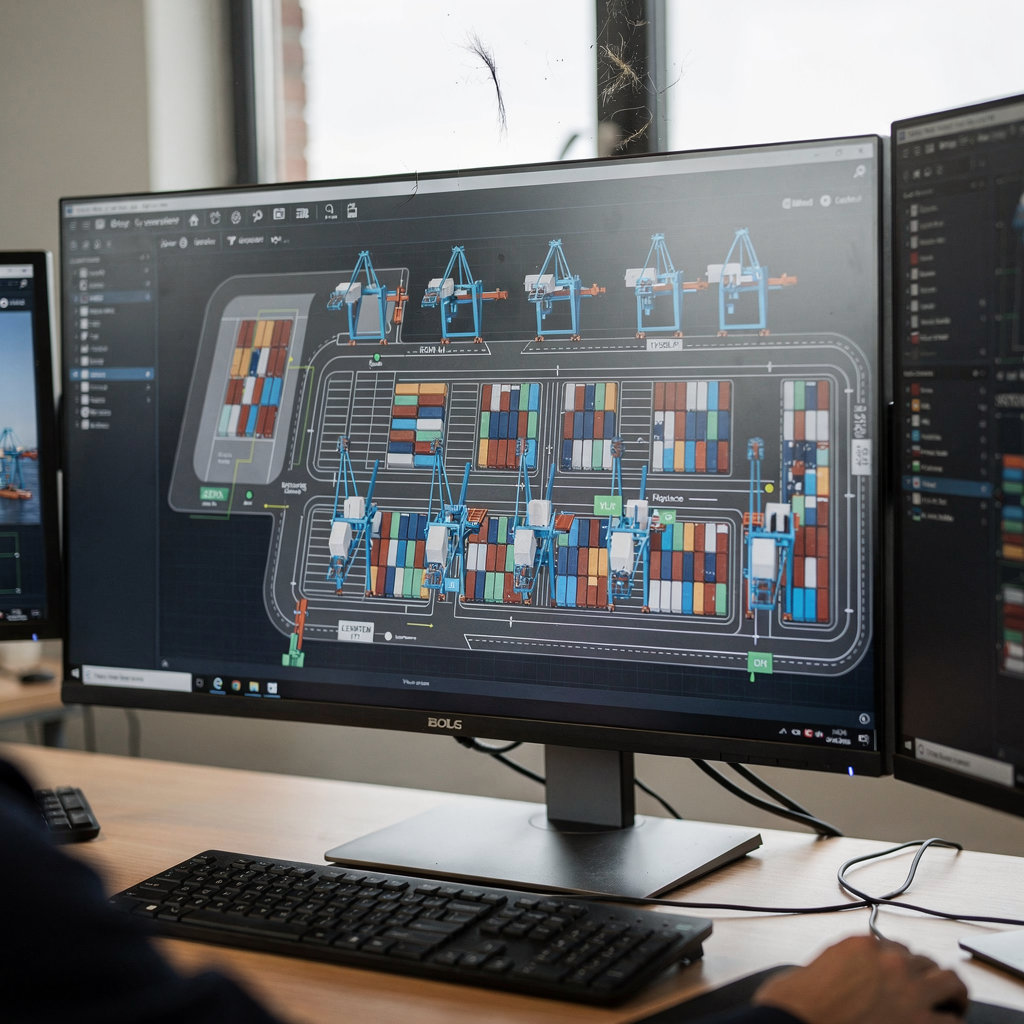
Using simulation for container port capacity planning
Simulation-based Modeling Approach in Container Port Planning Discrete-event simulation offers a practical way to model the dynamic flow of ships, cranes, trucks and stacks. In this chapter I describe a clear modeling approach using AnyLogic and standard steps that planners use to build a working simulation model. First, collect data about arrivals, service time, stack […]
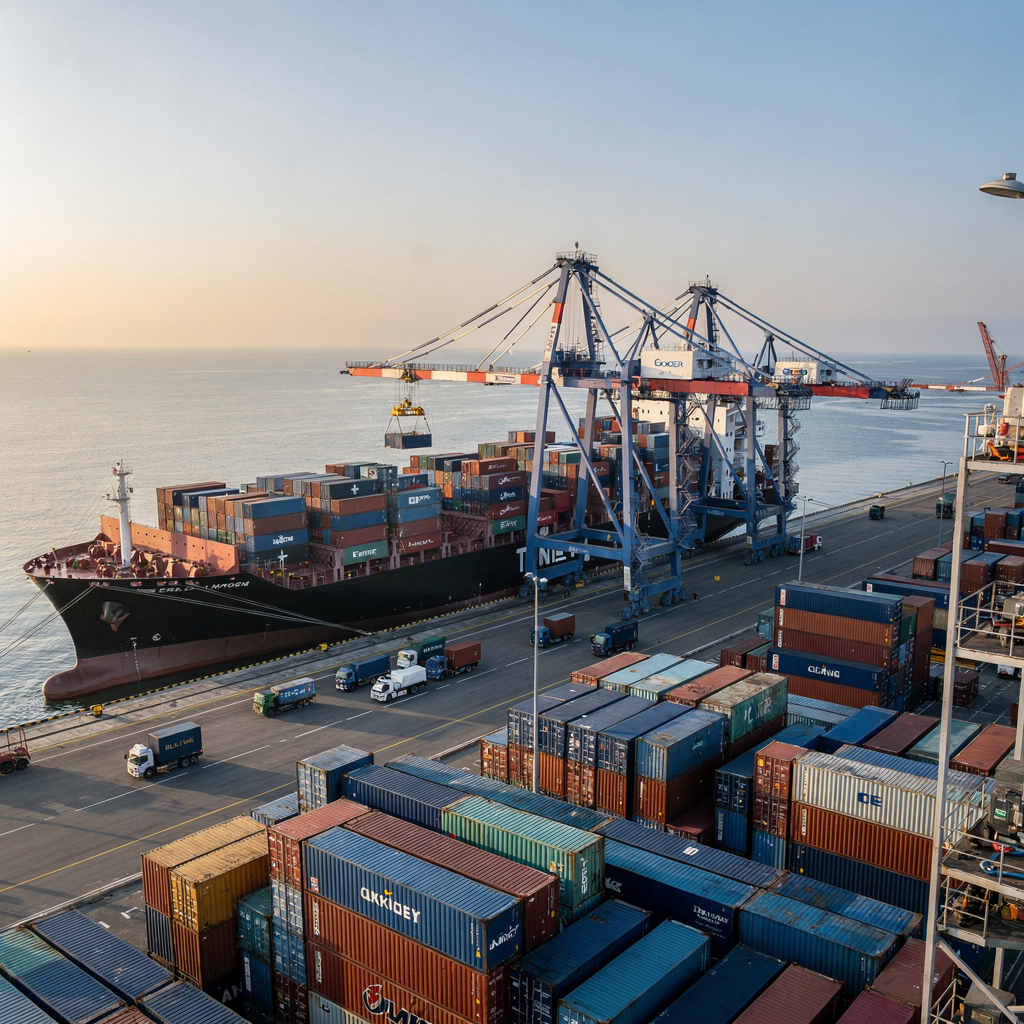
Container terminal optimisation reduces quay crane idle time
terminal and container terminal operations: an overview of port productivity The terminal is the beating heart of a port. It receives container ships and moves boxes between sea and land. Therefore, smooth processes here determine vessel turnaround and supply chain rhythm. For container terminal operations the quay is the frontline. Quay crane work links ship […]
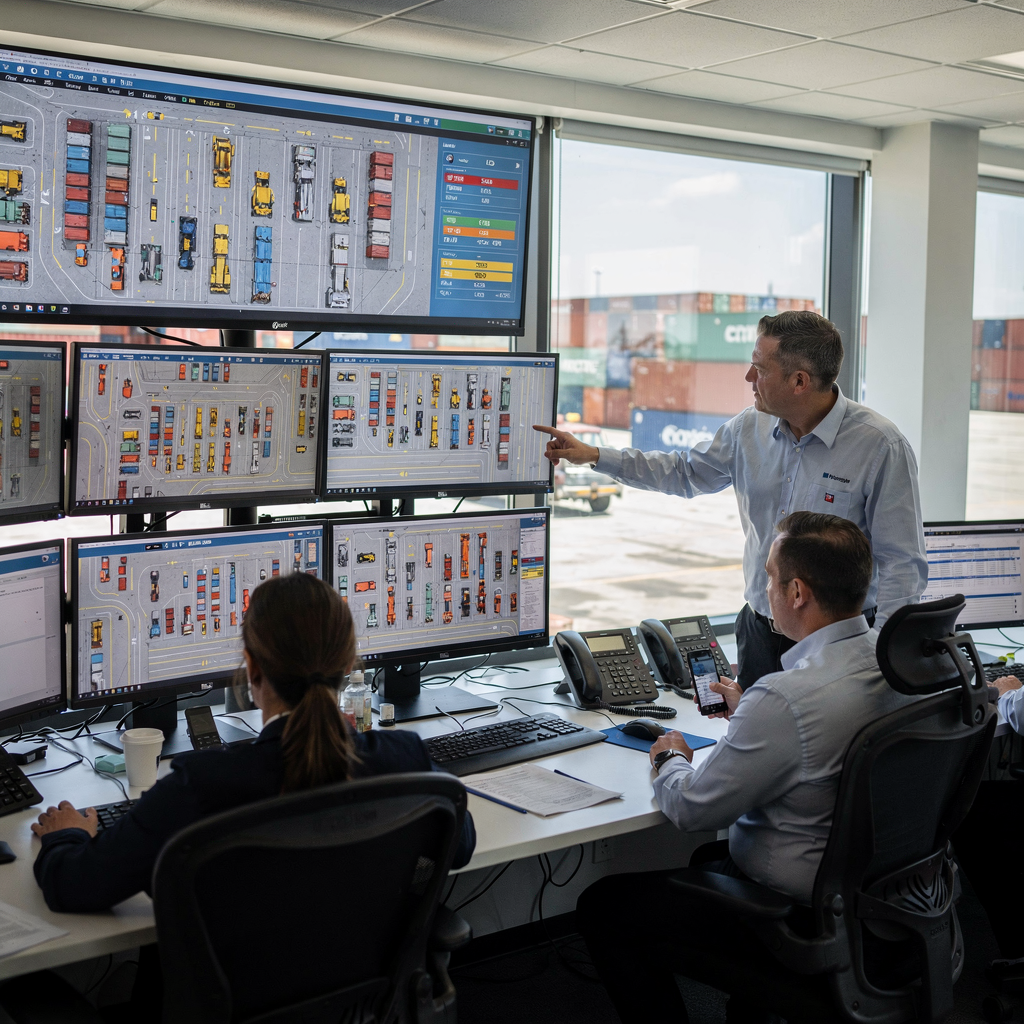
Minimise downtime in TOS migration without disruption
migration approach Define clear objectives and scope before you start any migration. First, state the business outcomes you expect, and link them to measurable KPIs such as vessel turnaround time and throughput. A clear migration plan helps the migration team focus on priorities and reduces uncertainty for operations. For example, ports that adopt advanced Terminal […]
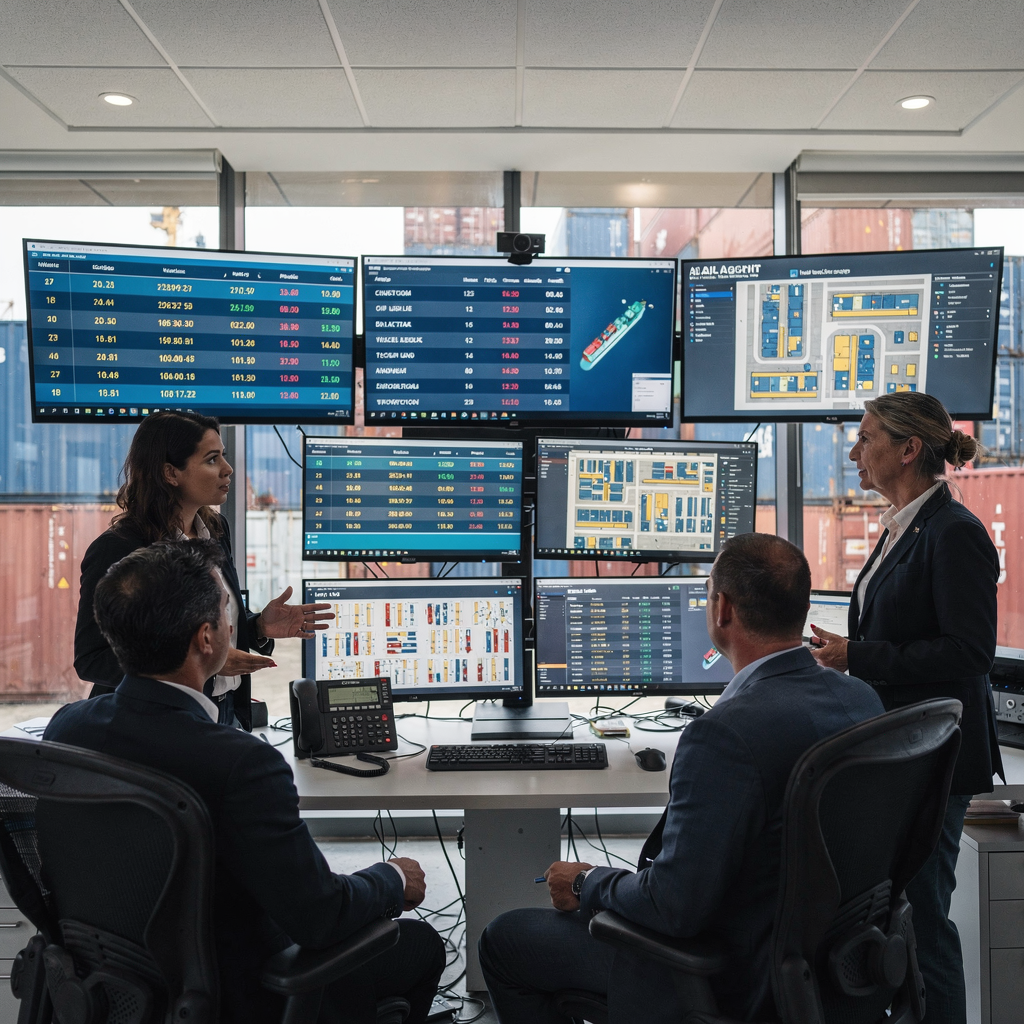
AI agent orchestration in port terminals
ai agent and port: the rise of artificial intelligence in maritime operations An AI agent is an autonomous or semi-autonomous software component that senses, reasons, and acts in an environment to achieve goals. In a port context, an AI agent can plan a stow, sequence crane moves, or manage truck appointments while observing constraints and […]
