
Author: Justas
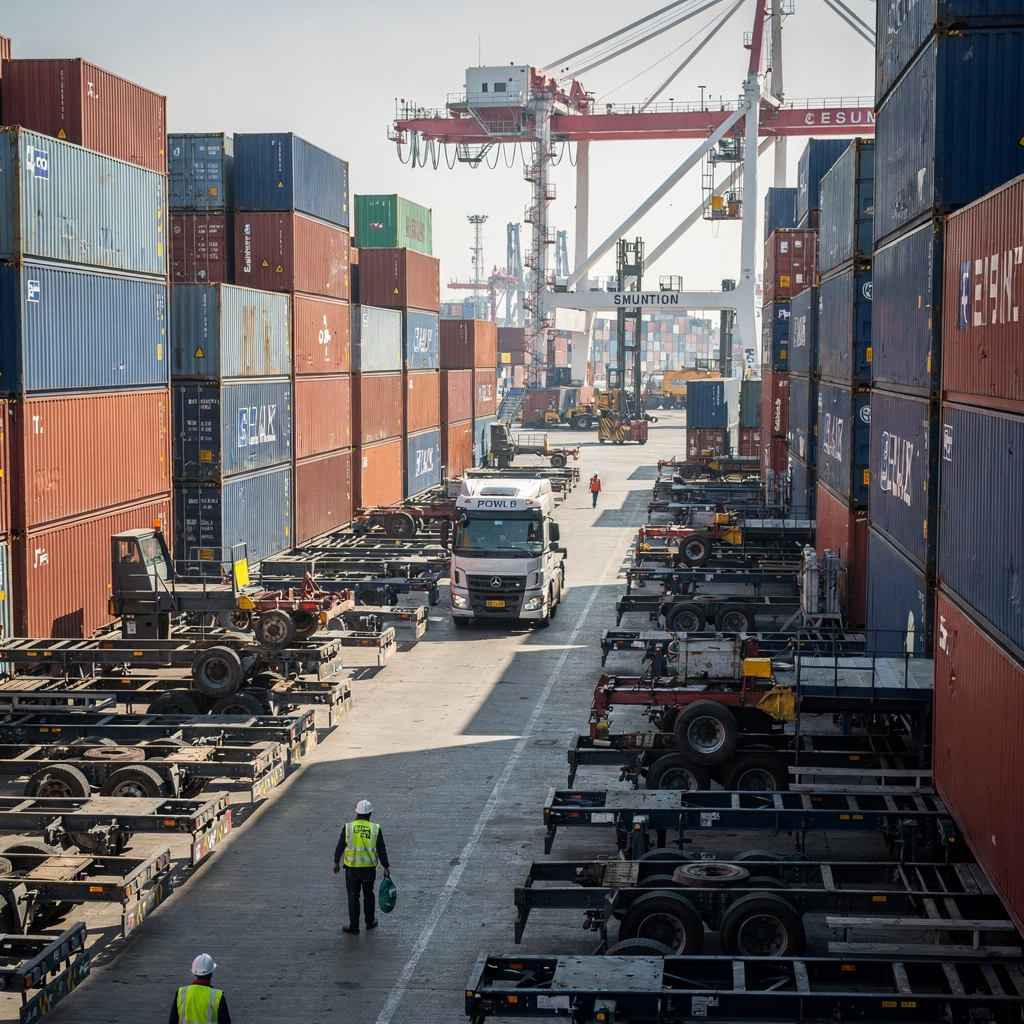
AI for chassis pool optimisation in container port terminals
AI and container port operations: Enhancing port operation efficiency Chassis pools are shared fleets of chassis that support the movement of containers across a port. They sit at the core of container terminal workflows. In brief, the chassis fleet enables trucks to pick up and drop off containers at gates, yards, and berths. As a […]
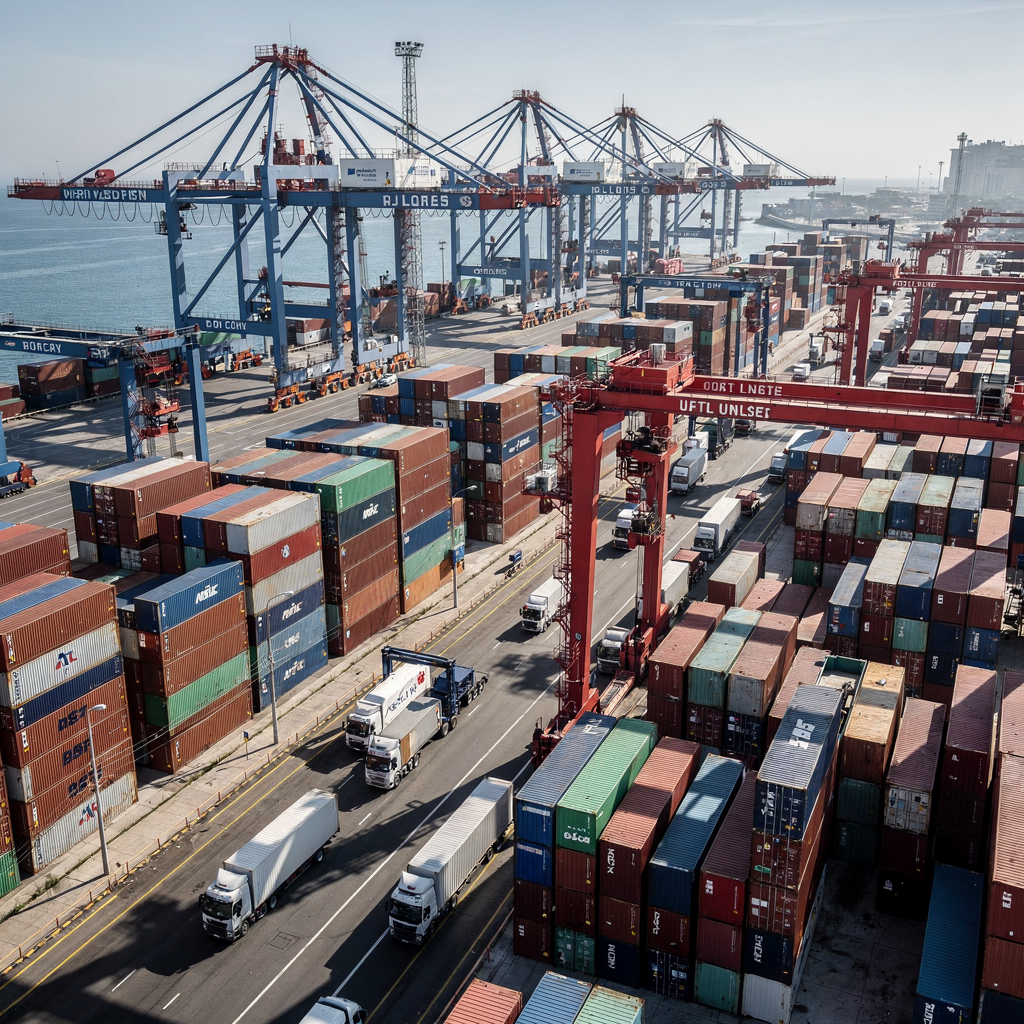
Reducing twistlock handling downtime in container terminals
container terminal layout and twistlock workflow A container terminal is a structured environment. It combines quay side, yard, and landside elements. Ships berth along the quayside. Quay cranes lift shipping containers from vessel to dock. Then, internal transport moves boxes to container stacks. In the yard, spreaders lock onto containers. Operators guide stacks into lanes […]
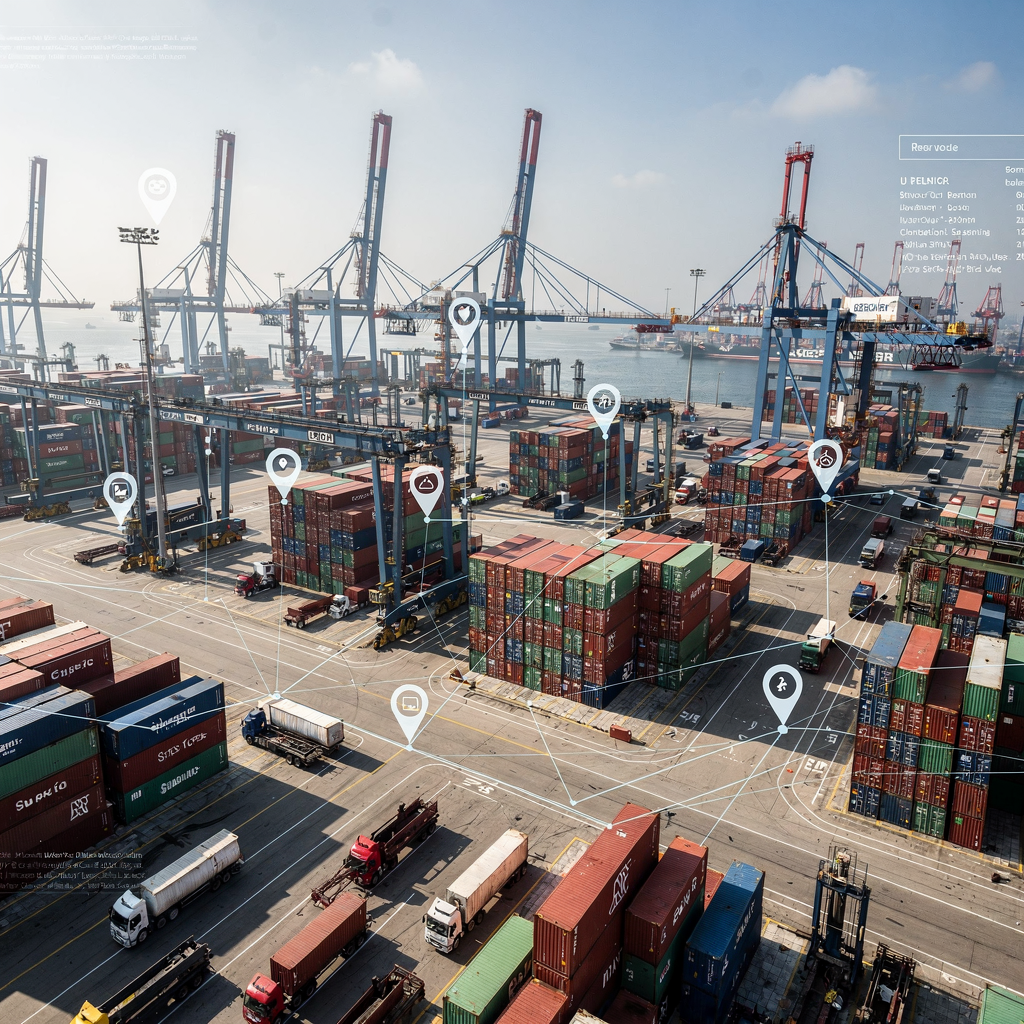
Asset tracking systems for port operations
Asset Tracking Fundamentals for Port Operators and Port Operations Asset tracking in modern seaport environments ties together IoT sensors, RFID tags and GPS trackers to capture position and status for equipment and containers. Ports run complex workflows, and operators need clear situational awareness and reliable data. Asset tracking provides that clarity, and it helps reduce […]
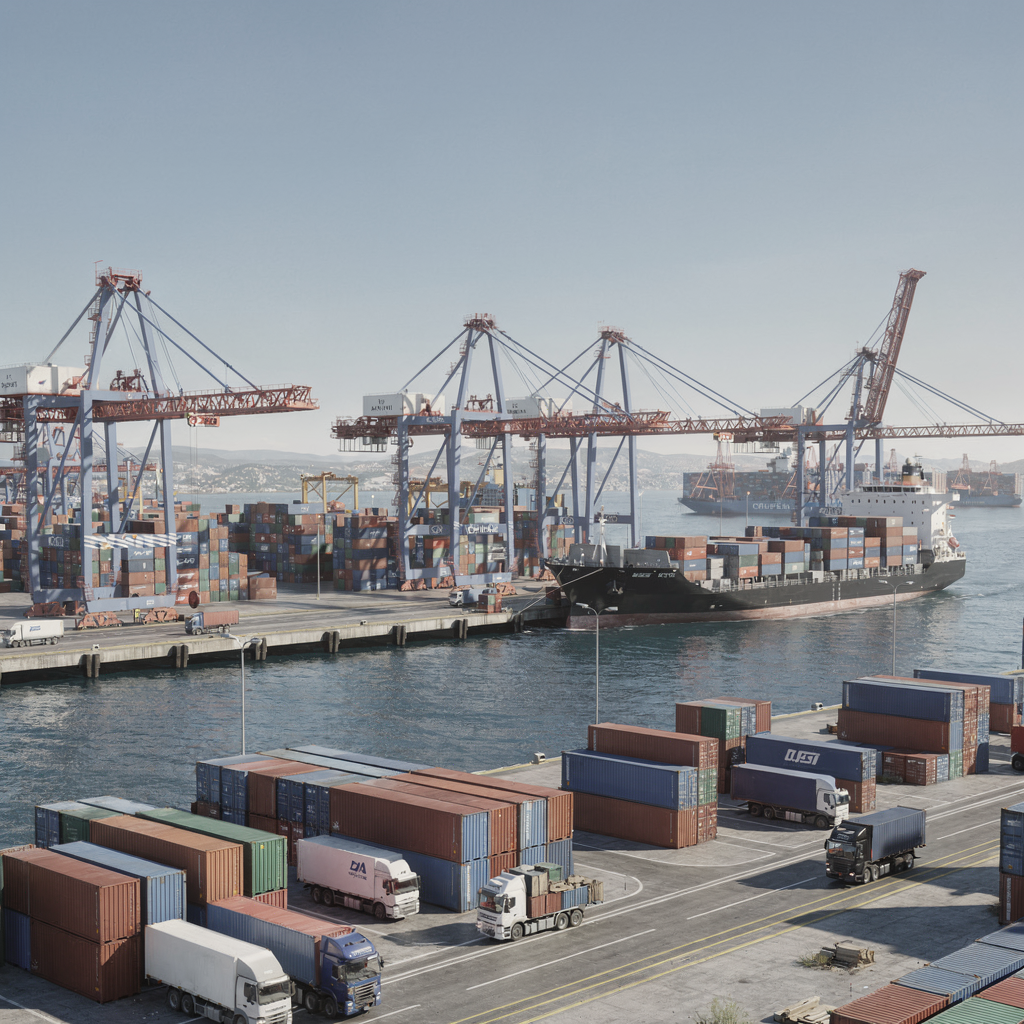
Port and container terminal simulation software overview
Overview of port simulation software Container terminal simulation software models operations so planners can test changes without stopping live work. In this chapter I define container terminal simulation and explain its role for port management. First, a clear definition. Terminal simulation creates a digital replica of vessel berthing, yard moves, crane cycles, and gate flows. […]
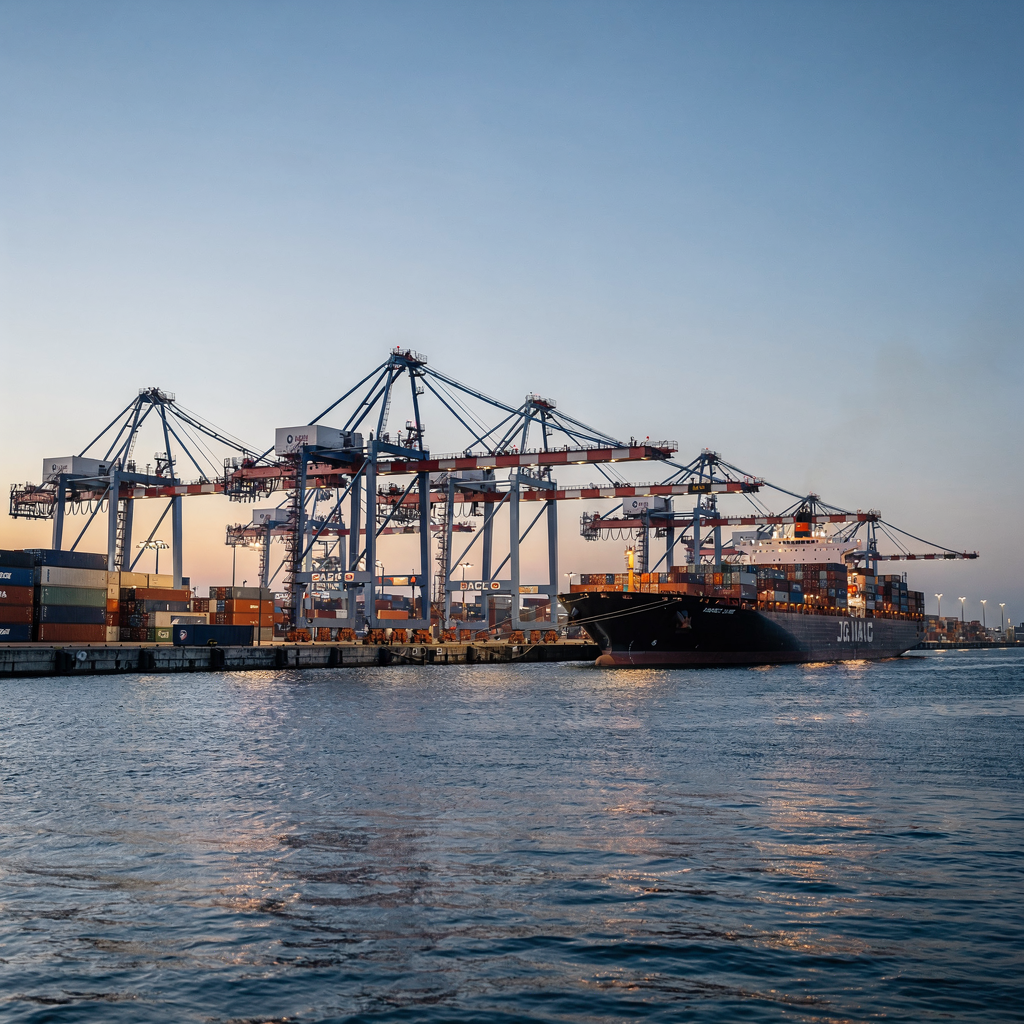
Stability software for vessel loading in container terminals
stability principles for container terminal vessel operations Vessel stability defines how a ship resists capsizing and returns upright after a disturbance, and it dictates safe operations in a busy container port. For terminal operators, the concept guides decisions about trimming, ballast transfers and weight distribution, and it affects berth scheduling and crane sequencing. International rules […]
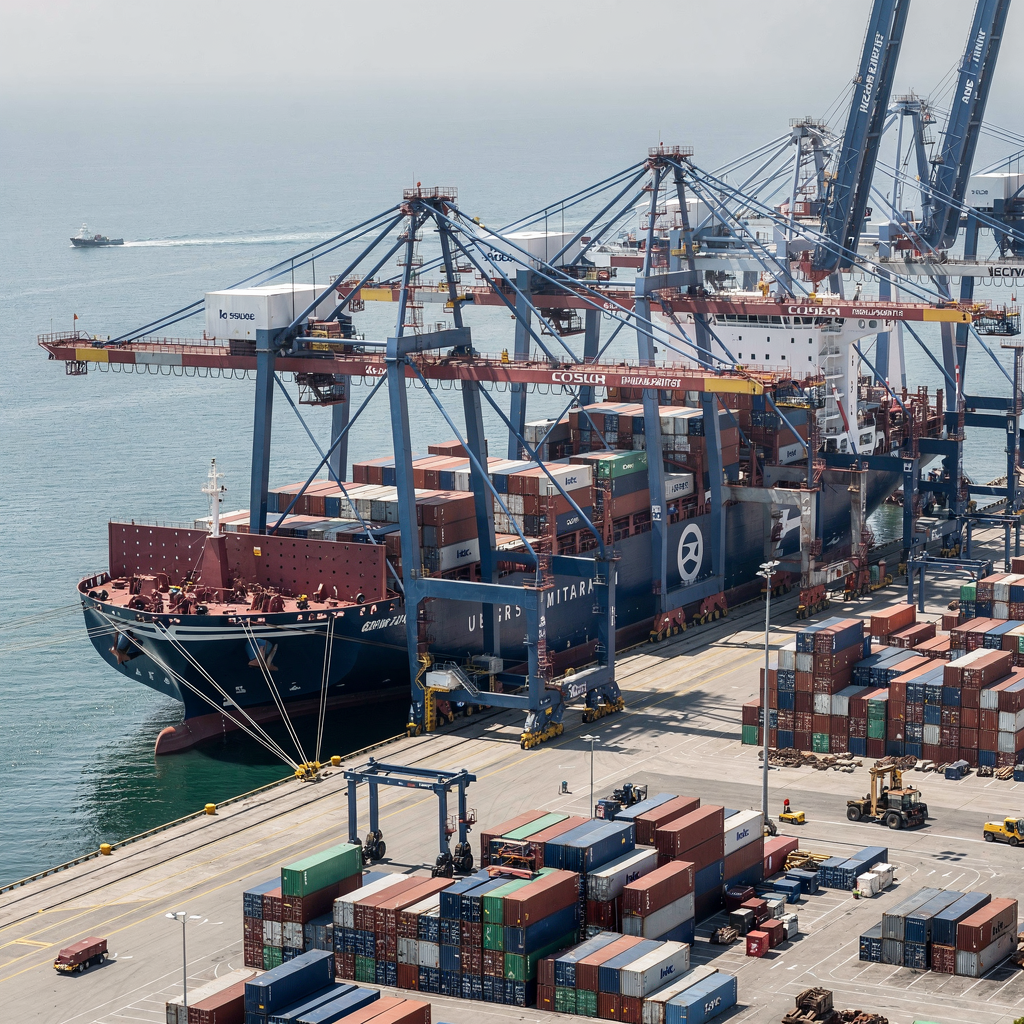
Port berth allocation optimisation for container terminals
Port berth allocation challenges in deepsea container terminals however, therefore, consequently, additionally, then, next, finally, firstly, secondly, thirdly, meanwhile, subsequently, thus, hence, likewise, similarly, otherwise, nevertheless, still, also, besides, alternatively, accordingly, thereby, in addition, as a result, instead, ultimately, notably, specifically, importantly, equally, conversely, meanwhile, moreover-not-used, further-not-used Berth allocation sits at the heart of efficient […]
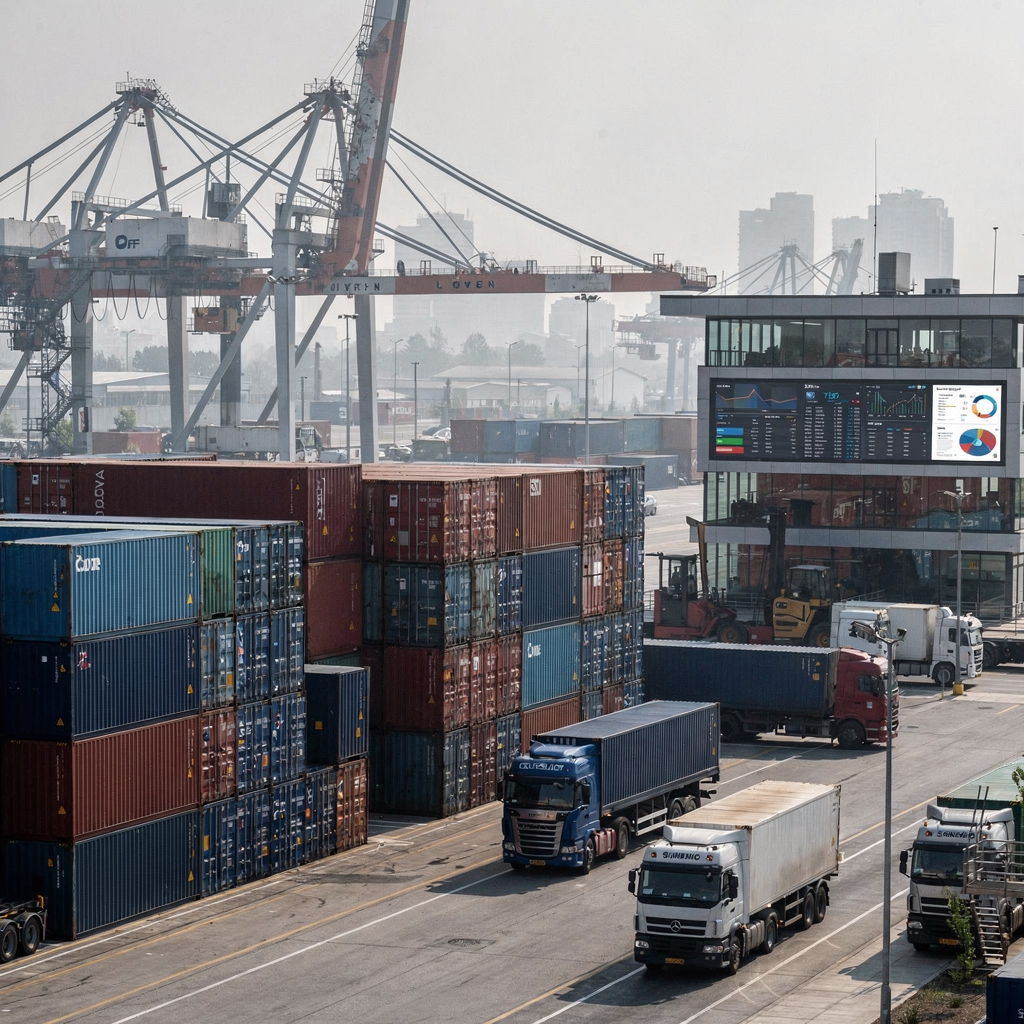
AI modules for container port yard storage optimization
overview of ai-powered container terminal operating system in maritime logistics A container terminal operating system combines software, hardware and procedures to manage yard and quay activities. It tracks containers from ship to truck and rail, schedules crane work, and assigns storage. When AI is added, the container terminal operating system gains predictive capabilities, dynamic allocation […]
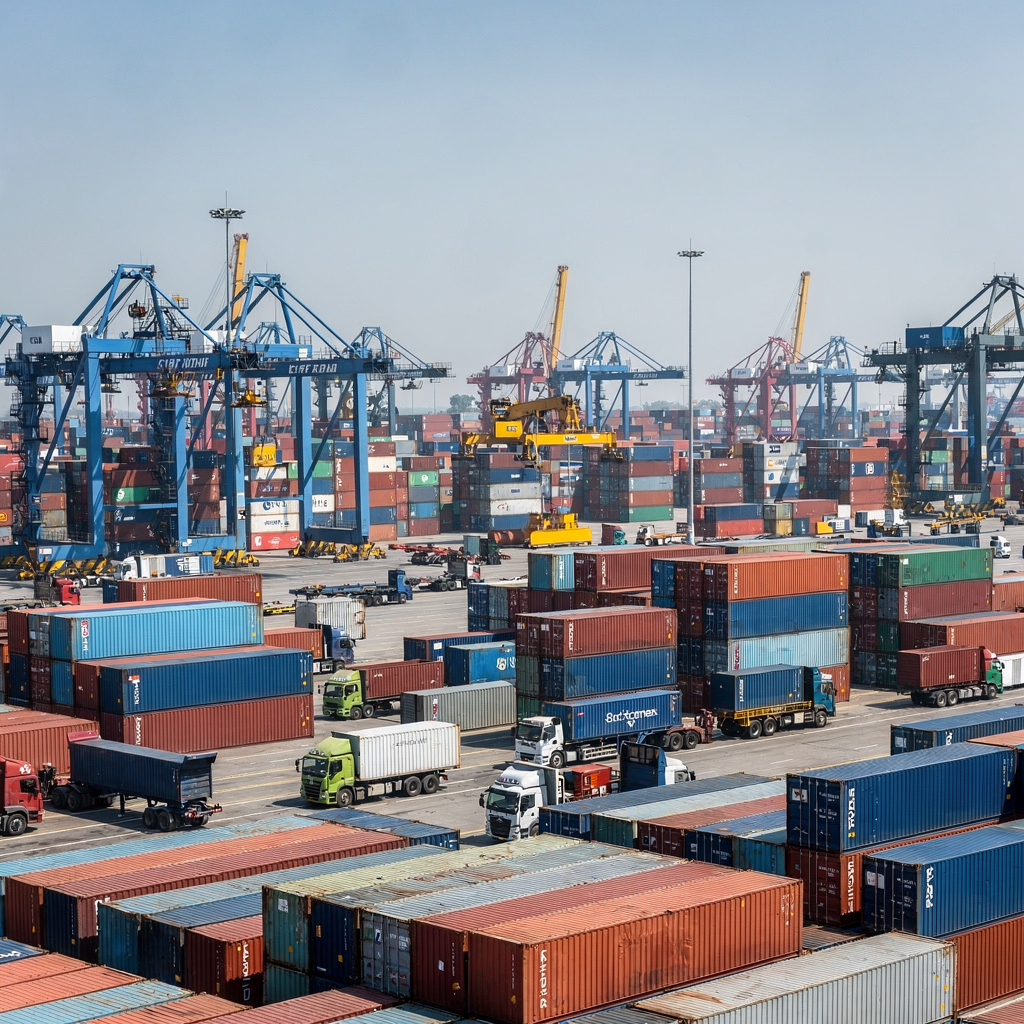
Container terminal optimisation to reduce driving distances
understanding container and container terminal operation First, this chapter defines core processes in a modern container terminal. Import and export flows arrive by ship and truck. Port planners register incoming container vessels and trucks. Next, terminal staff assign storage slots and sequence container loading and unloading. Then, cranes lift containers between quay and yard. Finally, […]
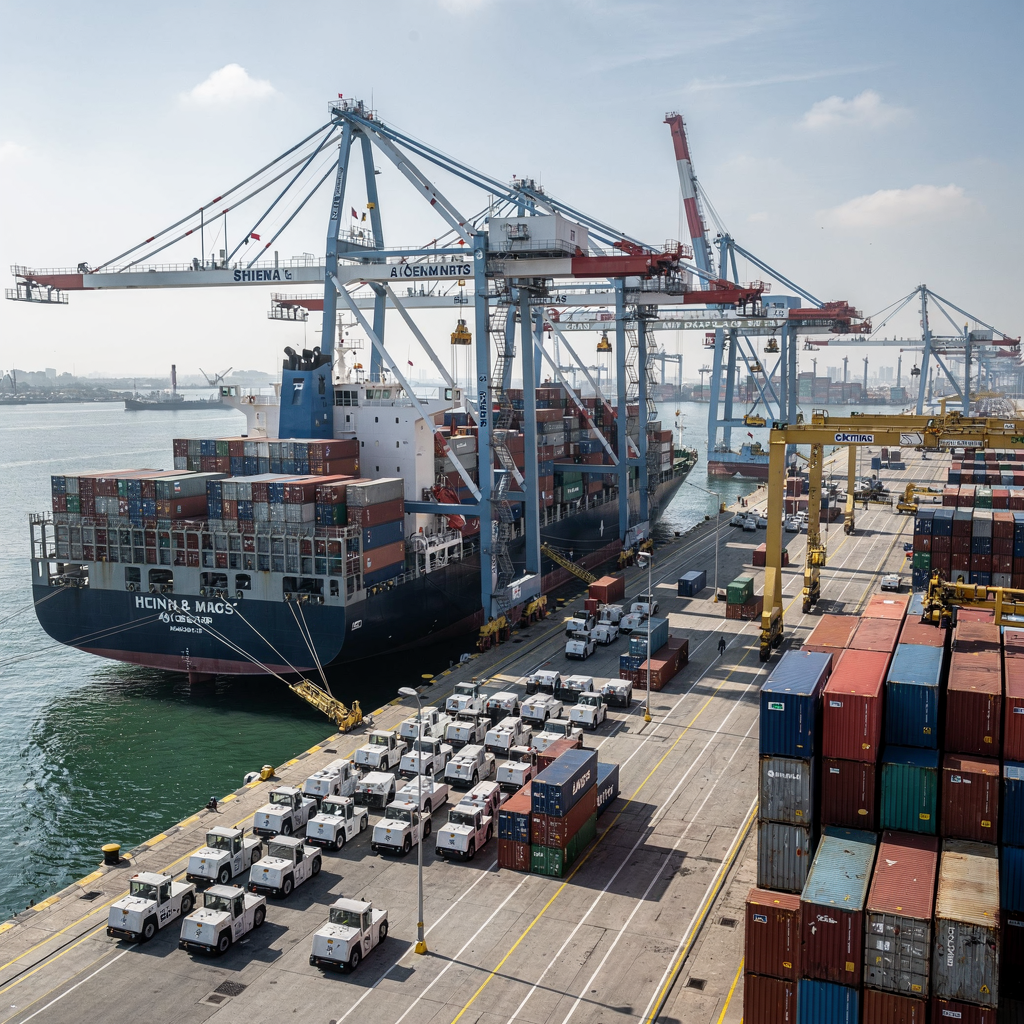
AI algorithm for quay crane scheduling at container terminal
Quay Crane Scheduling Challenges in Container Terminal Quay crane scheduling sits at the heart of efficient container terminal operations. In simple terms, quay crane scheduling assigns cranes to handle container tasks on arriving container ships. The goal is to minimize vessel turnaround time and to maximize throughput at the berth. However, this is not simple. […]
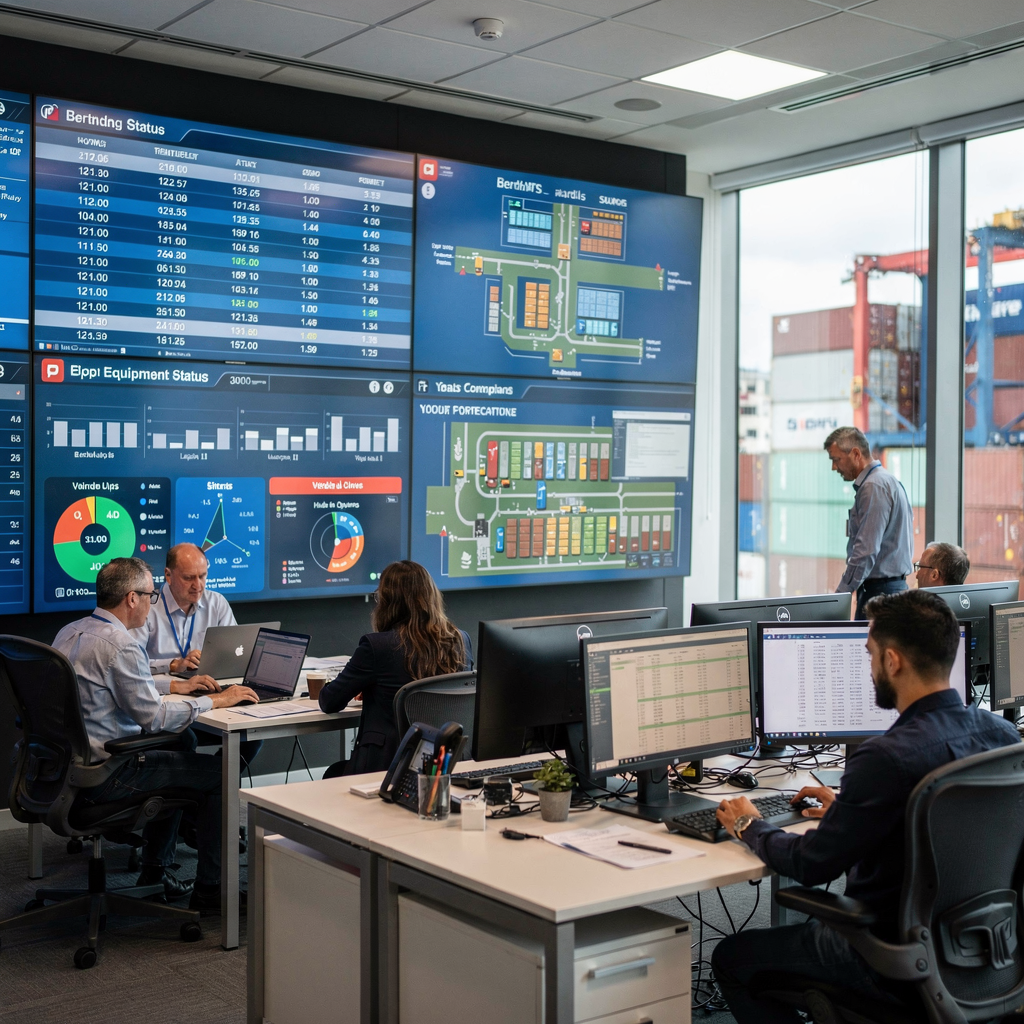
Reducing port stay time in container terminal operations
port operations inefficiency: scope of harbour challenges Port operations inefficiency shows up in long queues, delayed berths and slow handovers. First, inefficiency raises costs for shipping lines and freight forwarders. Second, it extends vessel turnaround time and increases idle time at quay. Third, it erodes port efficiency and harms service reliability. For example, research found […]
