
Author: Justas
AGV charging strategies in automated container terminals
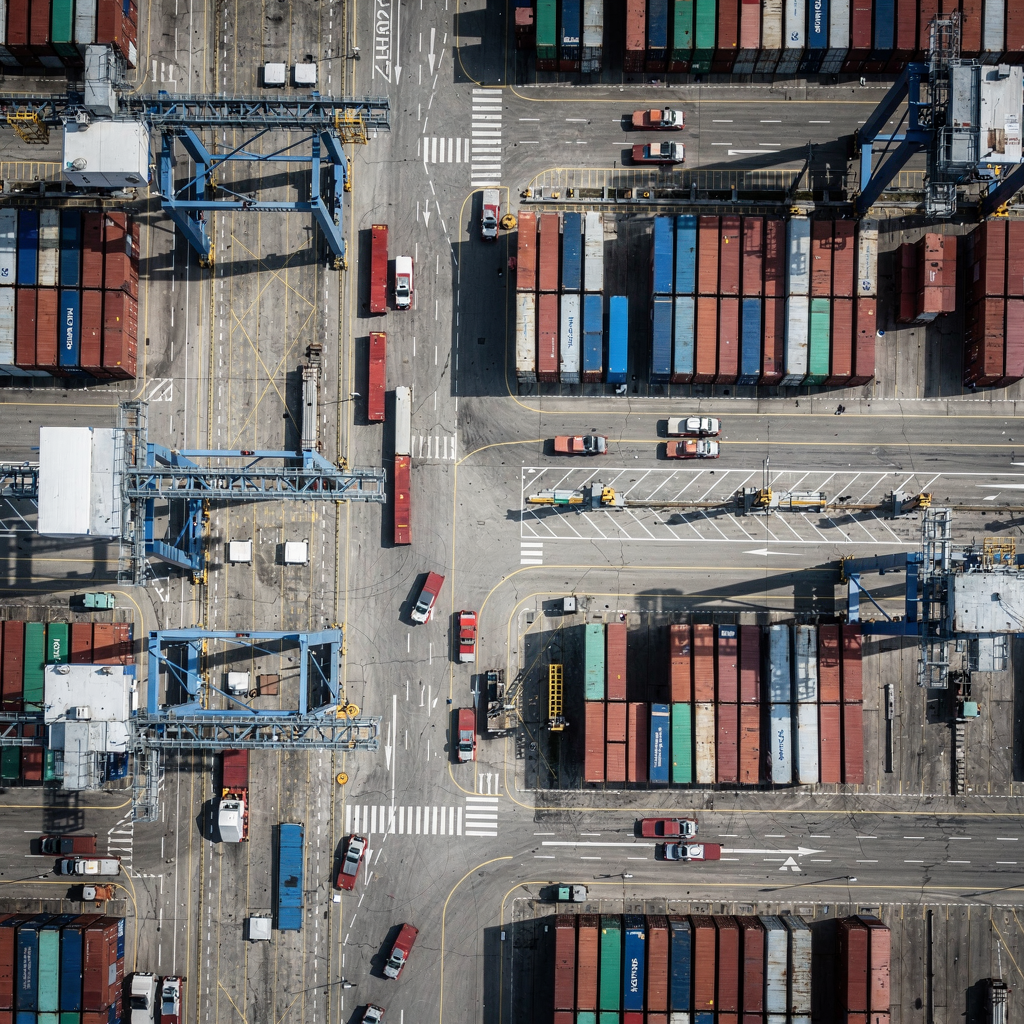
Overview of AGV Charging in Terminal Operations Automated Guided Vehicles play a central role in the modern automated container terminal. They handle horizontal transportation between quay cranes and yard stacks, and they support loading and unloading operations with precision. For an automated container terminal to sustain throughput, battery management must run like clockwork. Inefficient battery […]
Inland port logistics: boosting container throughput
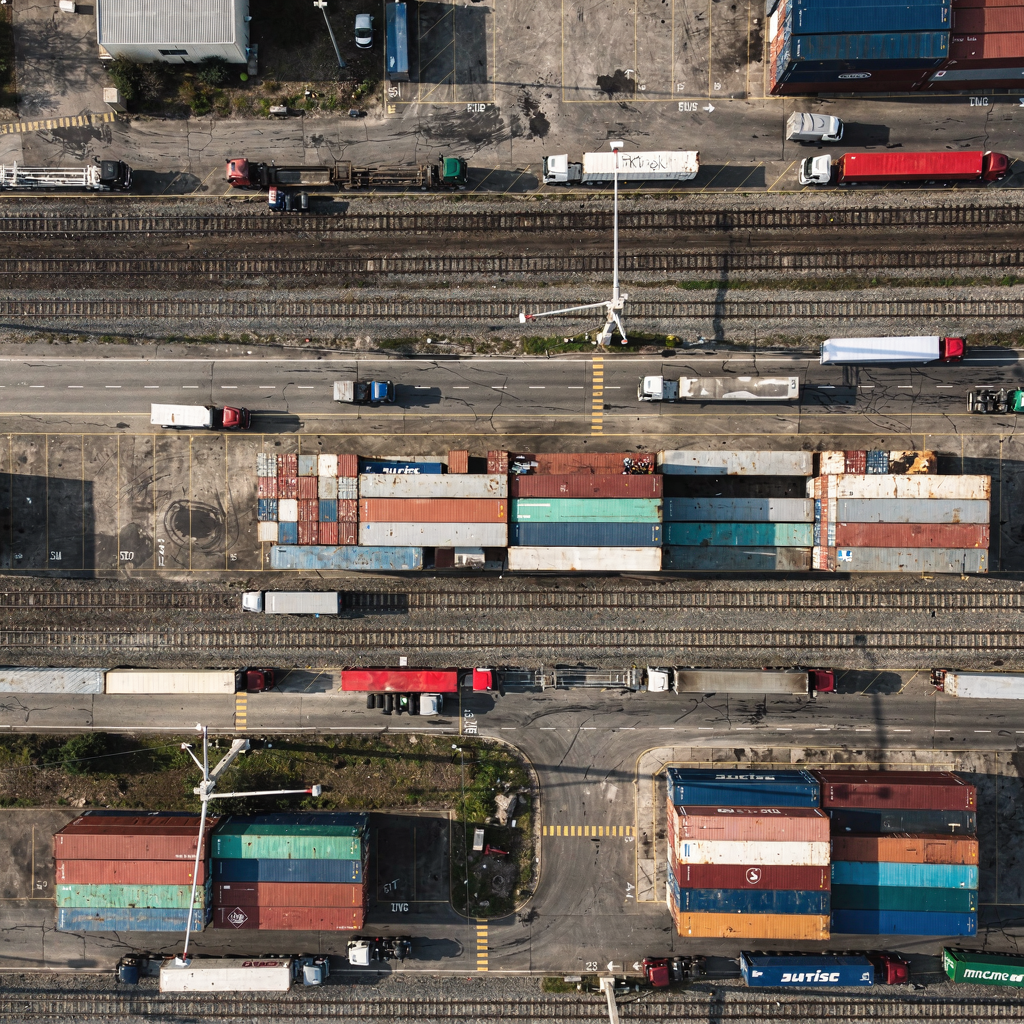
port: Current Challenges and Infrastructure Constraints Ports face a squeeze. Land sits fixed and trade keeps growing. Many port operators see yard limits and fixed quay length that restrict output. For inland terminals and coastal hubs, limited yard space and fixed quay length reduce the ability to scale rapidly. As a result, truck queues form […]
AI port automation: future-proofing port operations with AI
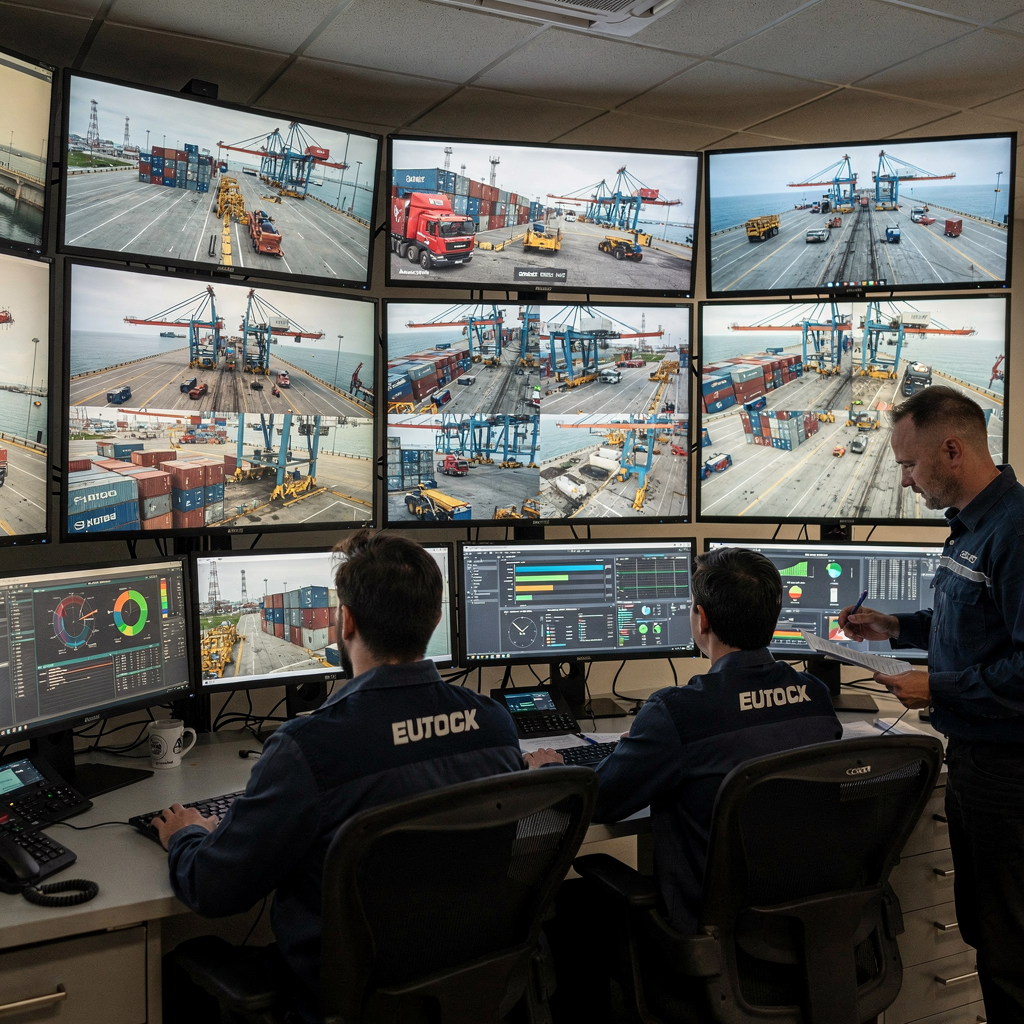
ai and automation in Modern Port Operations AI and automation reshape how modern ports schedule vessels and handle container handling tasks. Artificial intelligence models forecast arrival windows, allocate berths, and manage yard moves with speed and consistency. For example, smart cranes and automated guided vehicles can cut turnaround times by up to 30-40% when coordinated […]
Container terminal crane strategy for berth assignment
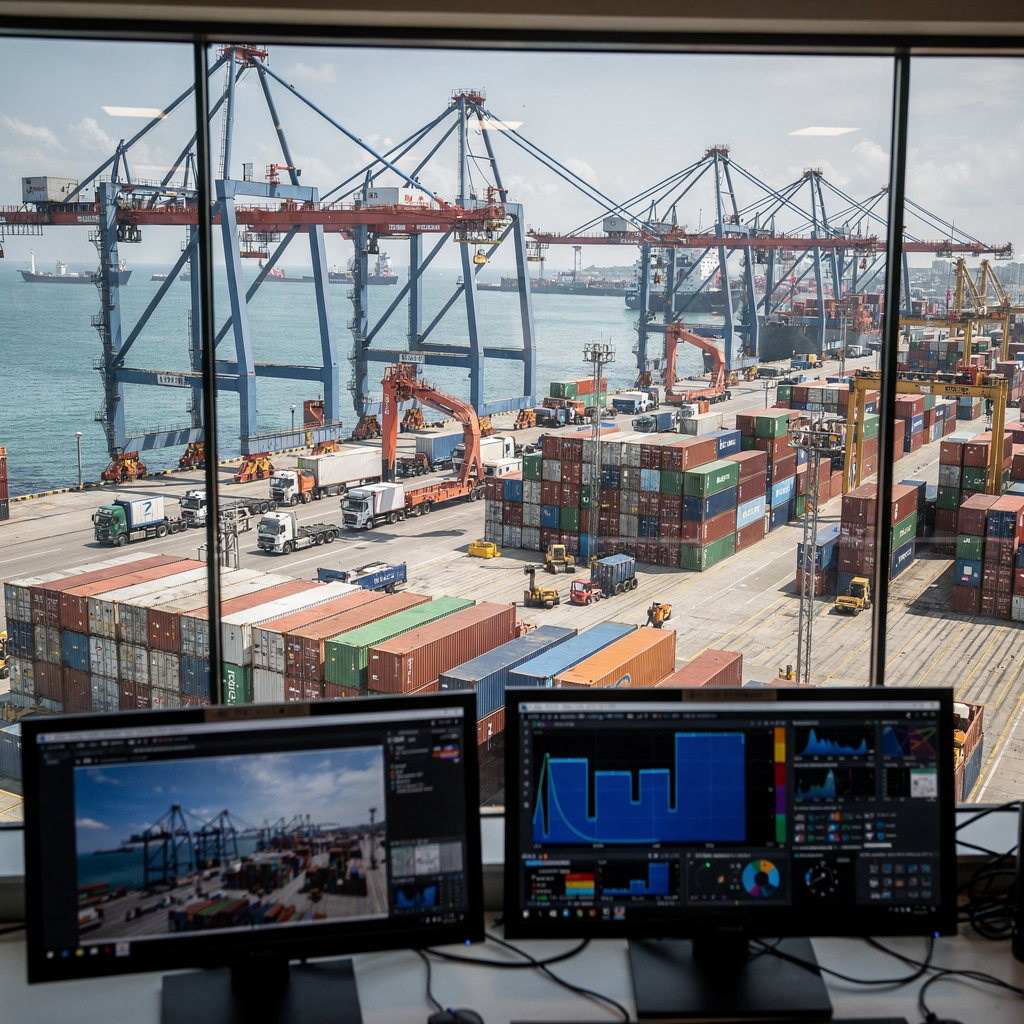
Introduction to Inland Container Terminal Operations Inland container terminal managers act as the critical link between maritime ports and land transport. First, they receive containers that arrive from a seaport and then they coordinate onward trucking, rail, or short-haul transfer. As a result, the flow between ship, truck and rail must be tightly coordinated. In […]
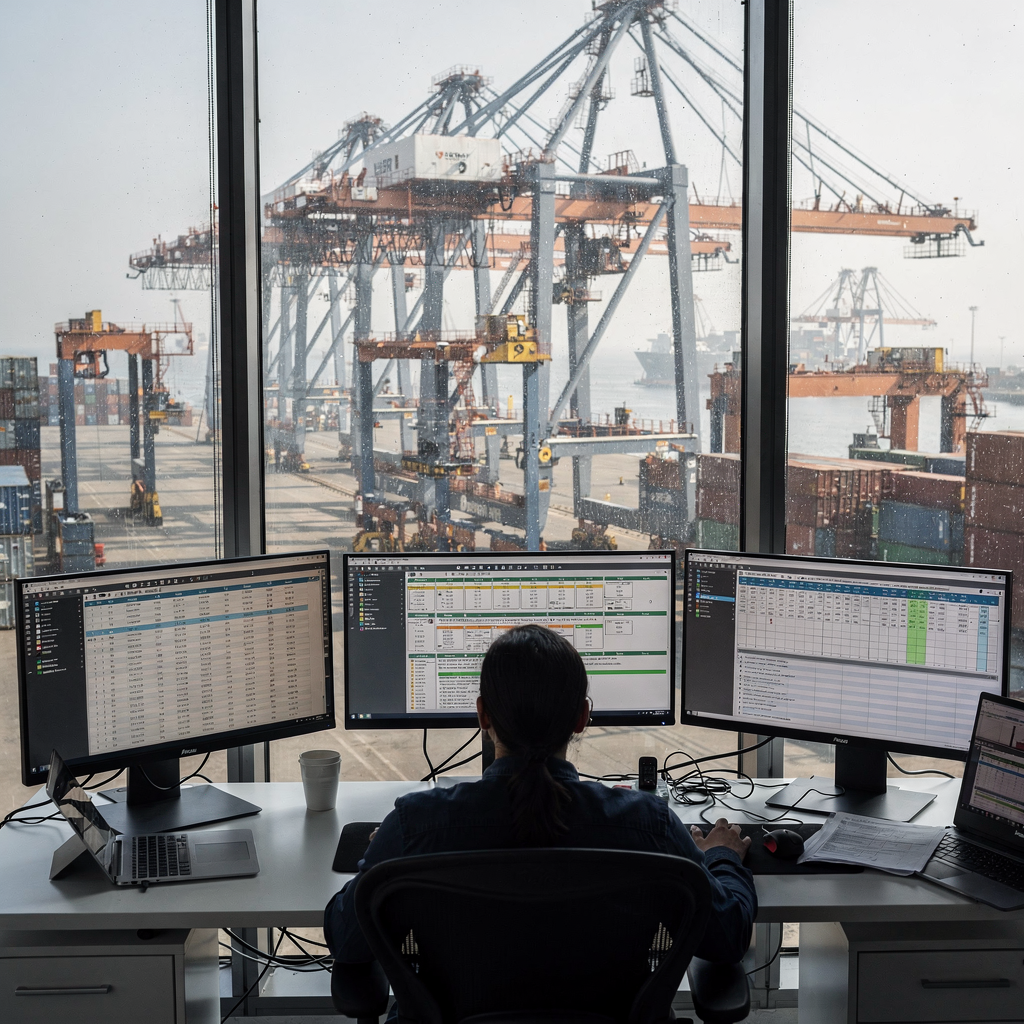
AI port terminal operations: building planner trust
ai integration in port terminal operations A deepsea container port handles vessel arrivals, cargo flows and terminal chores under tight schedules. Planners must coordinate berth windows, crane tasks and yard layouts with limited slack. AI promises to help. AI can surface patterns in schedules, predict peaks and flag risks before they cascade. This matters because […]
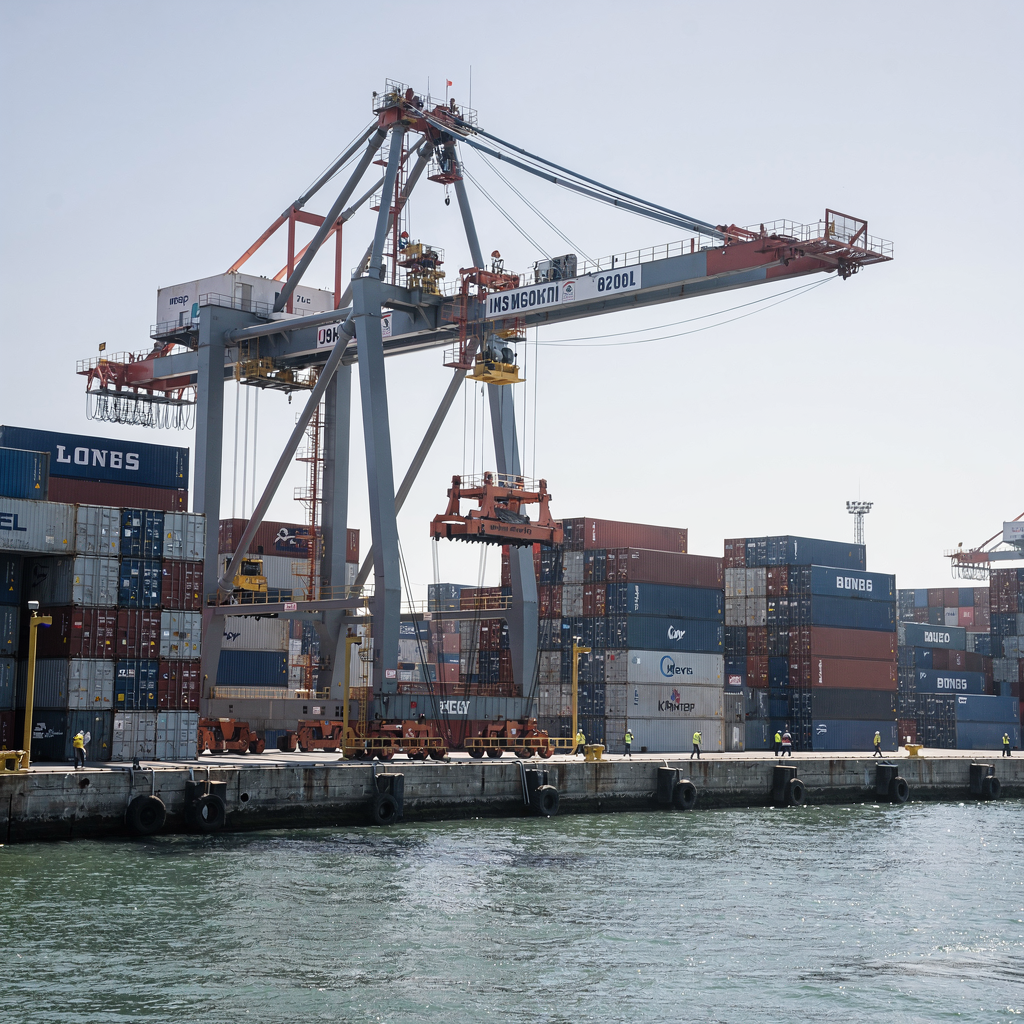
Predictive maintenance for STS cranes at port terminals
predictive maintenance in an industry 4.0 context Predictive maintenance is a data-driven approach that forecasts faults before they occur and schedules targeted repairs. In modern container terminal operations it replaces purely calendar-based checks and reduces reliance on reactive maintenance. Predictive maintenance uses sensor streams, machine learning, and connected systems to prioritize work and extend service […]
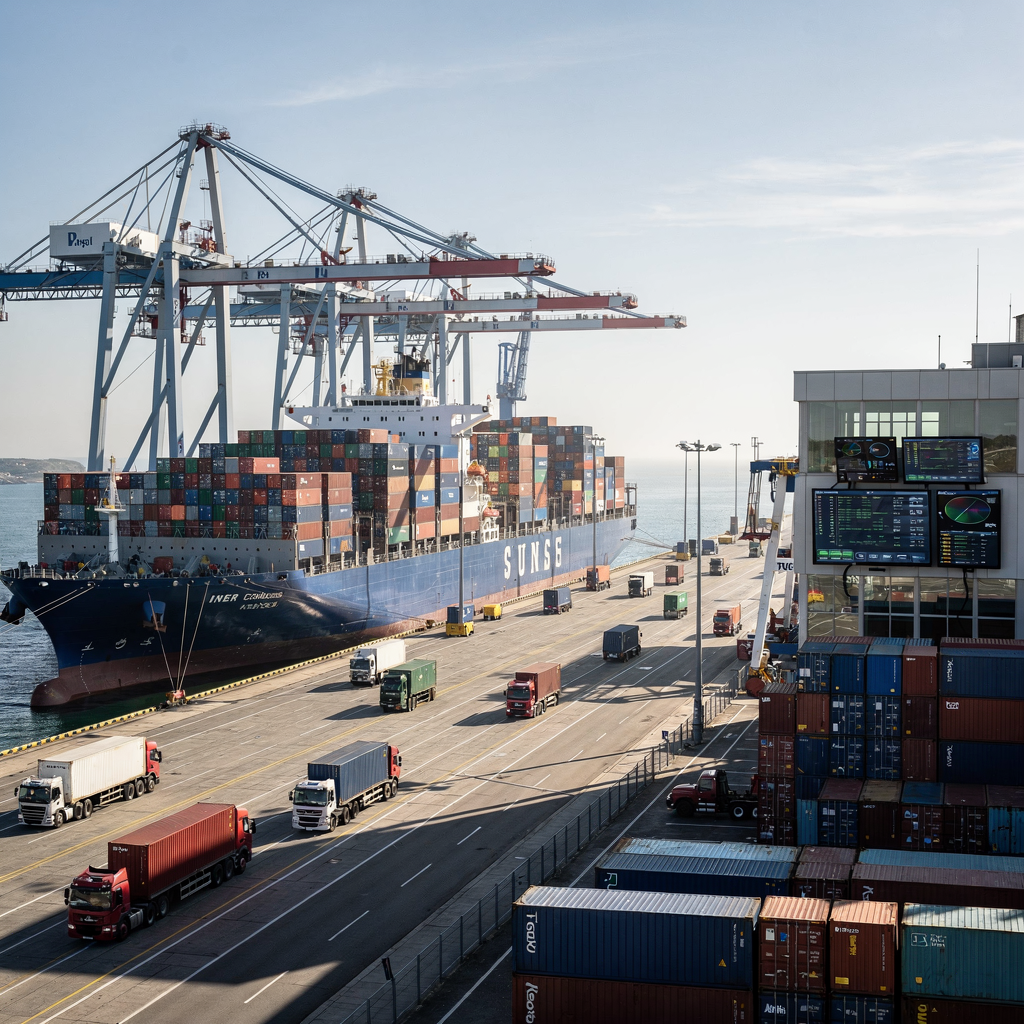
Just-in-time vessel arrival strategies for container terminals
jit and arrival fundamentals Just-in-time (JIT) is a scheduling approach that aligns a ship’s movement with terminal readiness so the ship arrives when the berth, handling equipment and labour are available. The concept of just-in-time contrasts with older practices in which ships often make early arrival and then wait at anchorage for windows. In traditional […]
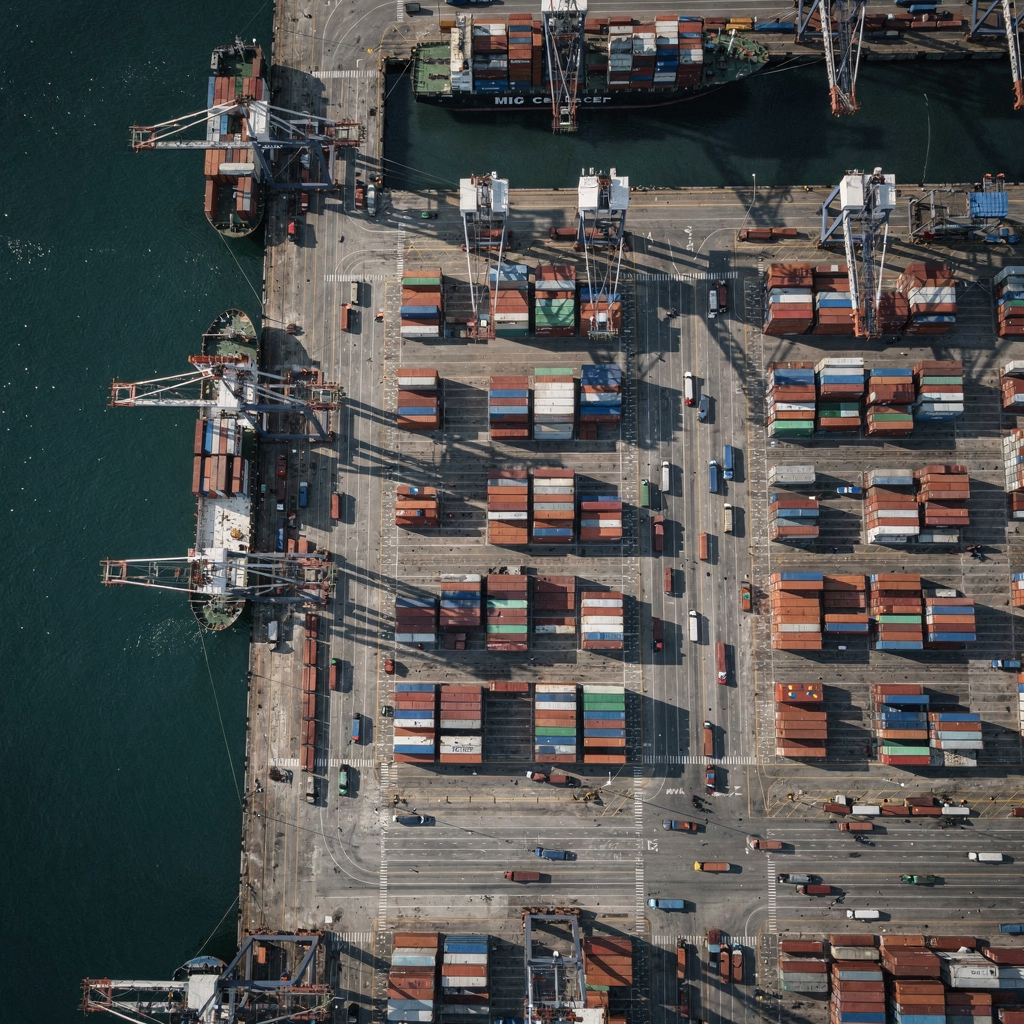
Container terminal operations quay optimization explained
container terminal operation: Key Roles of Quay Cranes and Berth Allocation Container terminal operation depends on clear roles, fast decisions and coordinated equipment. The quay crane sits at the heart of loading and unloading. Quay crane teams move containers from ship to shore and from shore to ship. Berth allocation decides where a vessel will […]
Container terminal automation fundamentals explained
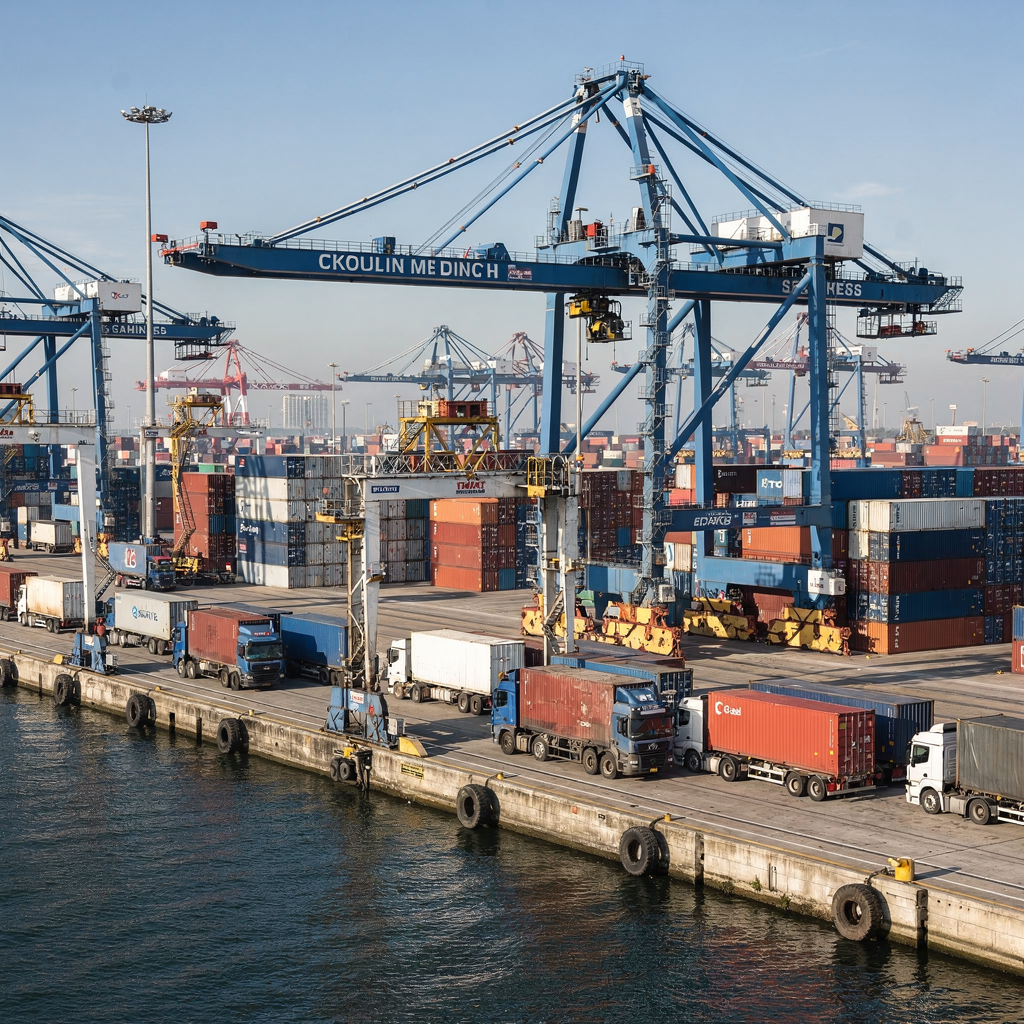
container terminals: Definition and Strategic Role Container terminals form the junctions where shipping containers change mode. They link ocean carriers, road trucks, and inland rail. First, they handle loading, unloading, temporary storage, and handover. Next, they manage customs, gate processing, and documentation. Also, they affect global trade flows and supply chain resilience. For example, a […]
Port AI decision support for terminal operations
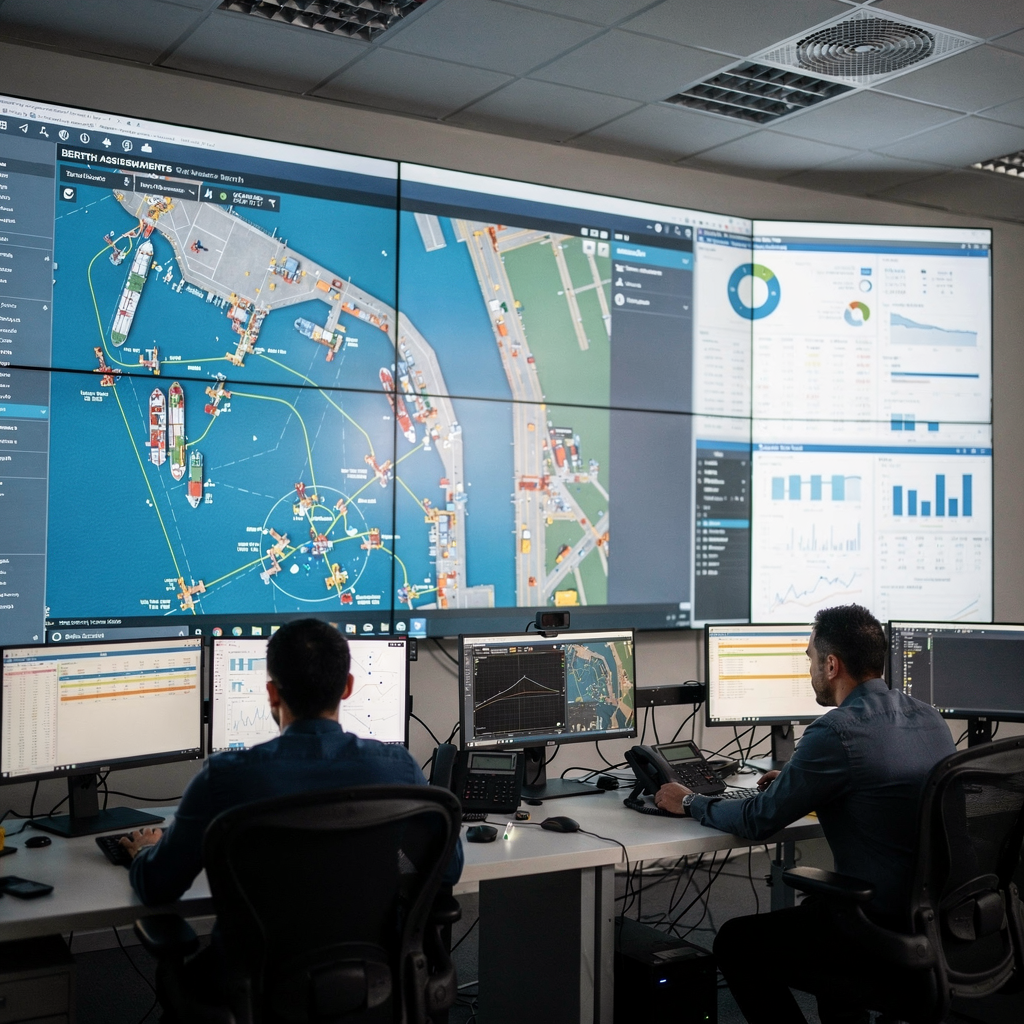
port and terminal integration: Terminal Operating System and ai tools The Terminal Operating System or terminal operating system plays a central role in a modern port and terminal. It manages container moves, gate flows, yard slots, and equipment assignments. It also records timestamps and maintains custody records, so port authorities and terminal operators can plan […]
