
Author: Justas
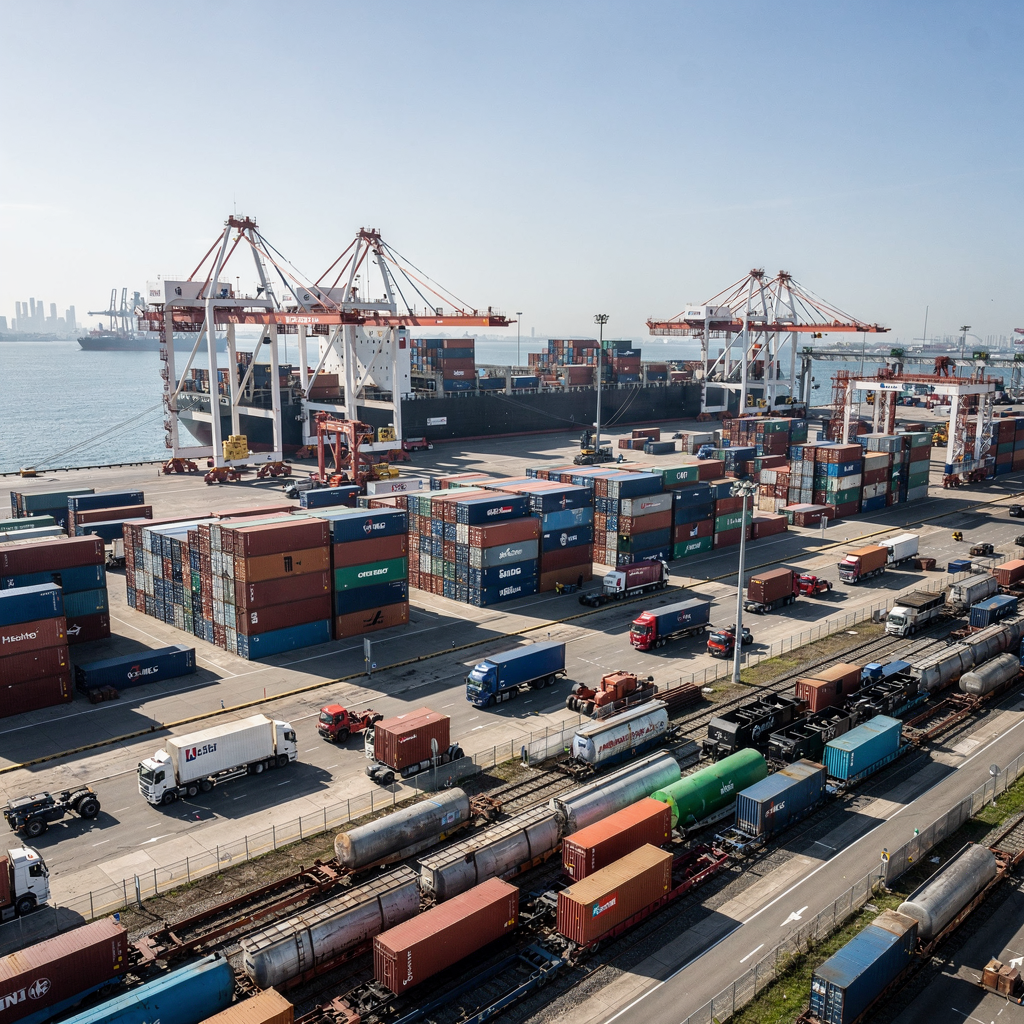
Port container terminal digital transformation strategies
port and container port: Key Roles in Global Trade Ports act as essential nodes in global trade and they connect ships, trucks, and rail to move goods fast. A major container port can process millions of TEU each year, with the largest terminals handling roughly 20–30 million TEU annually. This scale places the port at […]
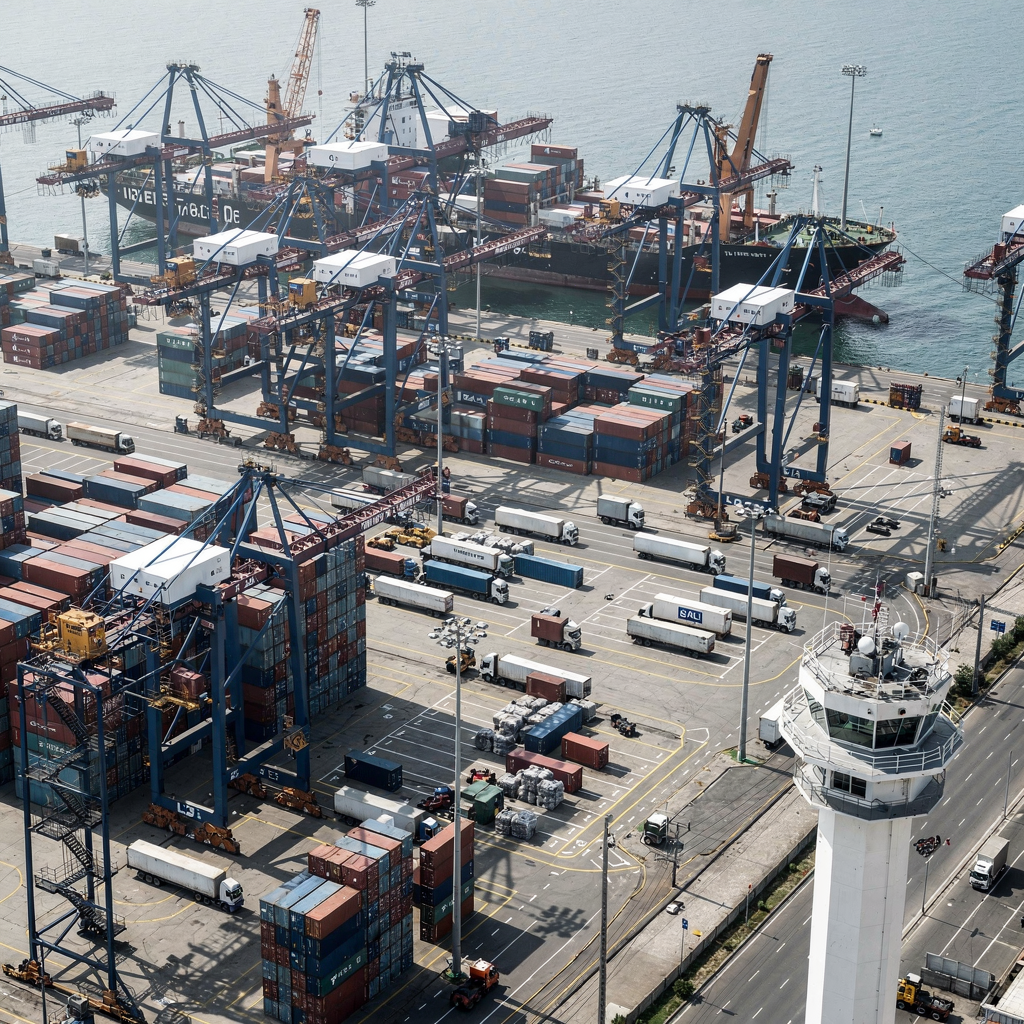
Operational risk assessment in port operations guide
Understanding Risk in Port Transportation Operational risk in port TRANSPORTATION is the chance of loss or disruption from failed processes, people, systems, or external events that affect cargo movement and terminal flow. Ports handle thousands of moves per day, and even small failures ripple across supply chains and shipping networks. For that reason, a clear […]
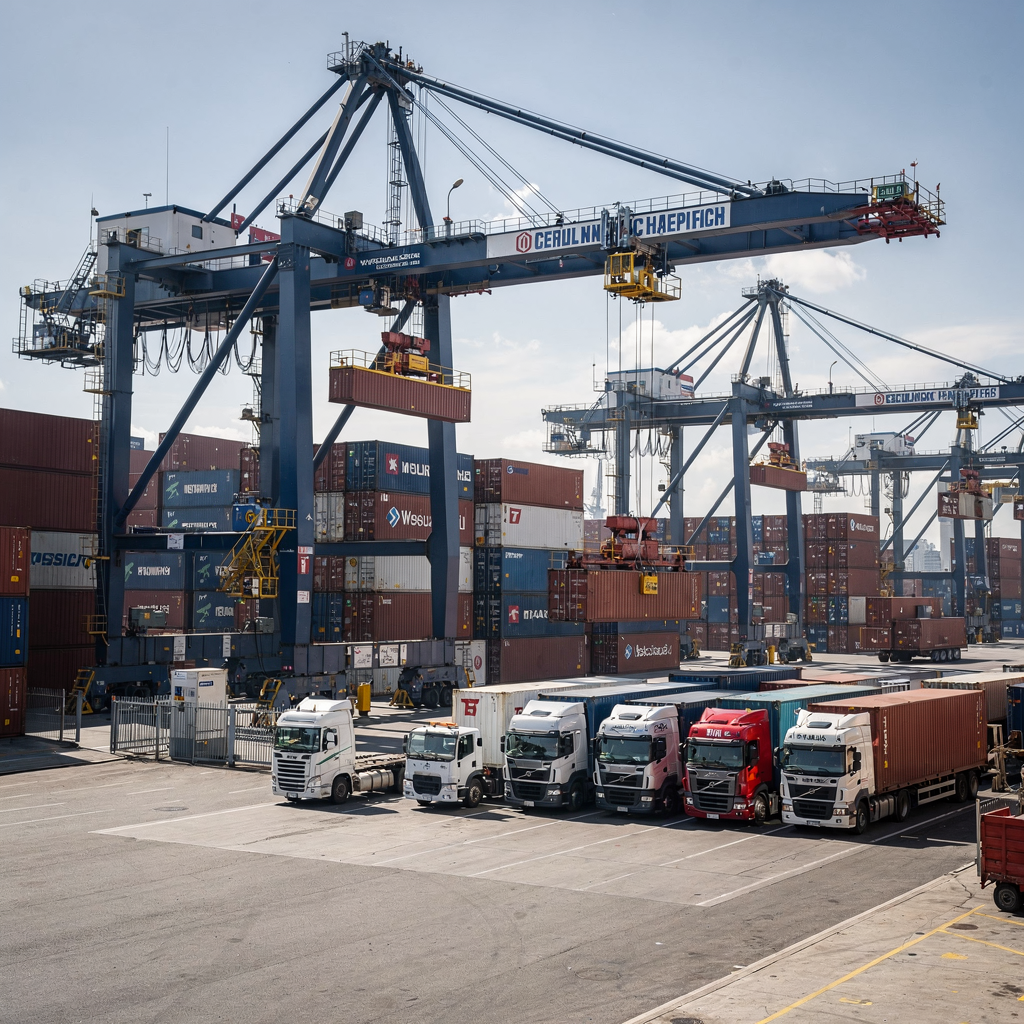
Container terminal TOS optimization for performance
Container Terminal and Terminal Operating System Overview The container terminal sits at the heart of global logistics and connects ocean carriers, shippers, and hinterland networks. First, the terminal processes inbound and outbound cargo, and then it routes containers to trucks, rail, or storage. Next, berth coordination and yard operations determine how fast vessels can be […]
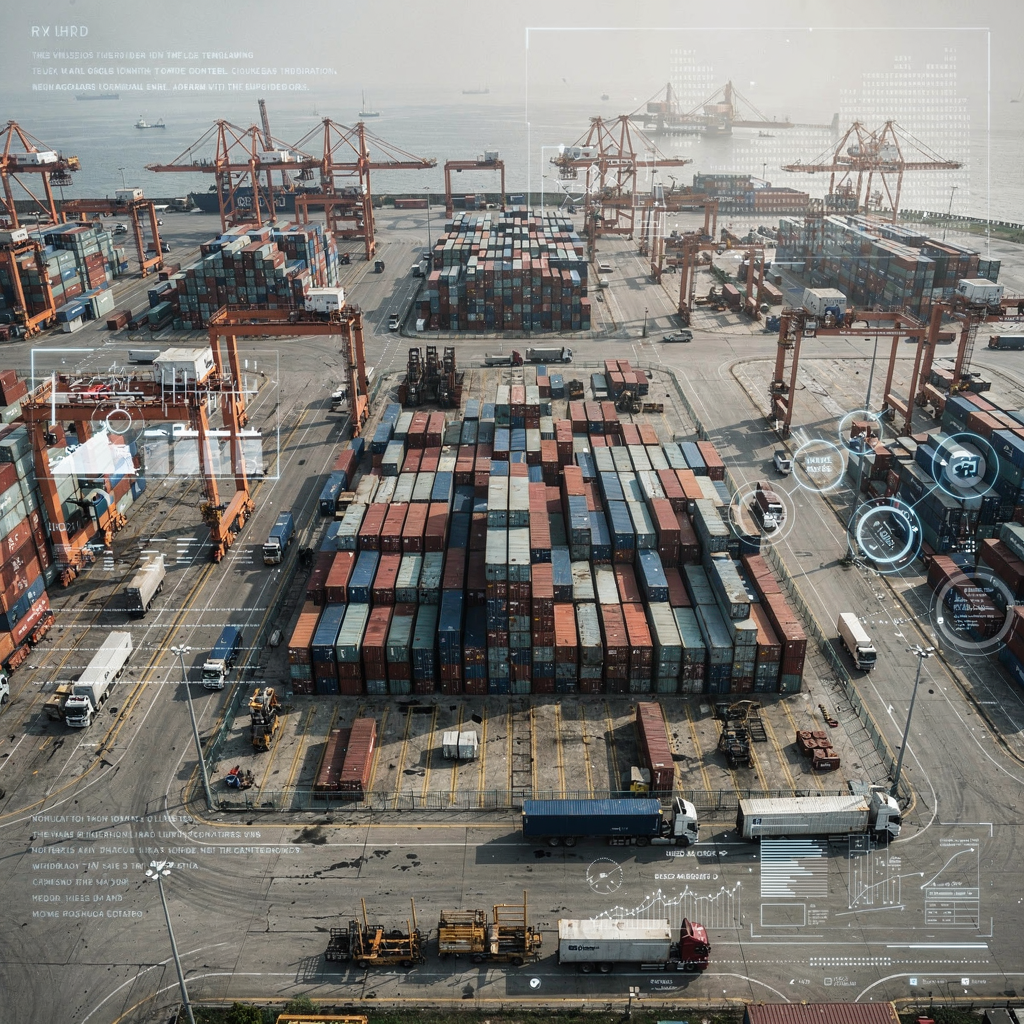
Building a digital twin of an inland container terminal
Building a digital twin of an inland container terminal digital twin and container terminal: foundations and benefits A digital twin is a digital replica of a physical system that runs alongside operations. The digital twin is a virtual and the twin is a virtual representation that ties sensors, models, and users together in one view. […]
AI-based restow minimization in container port planning
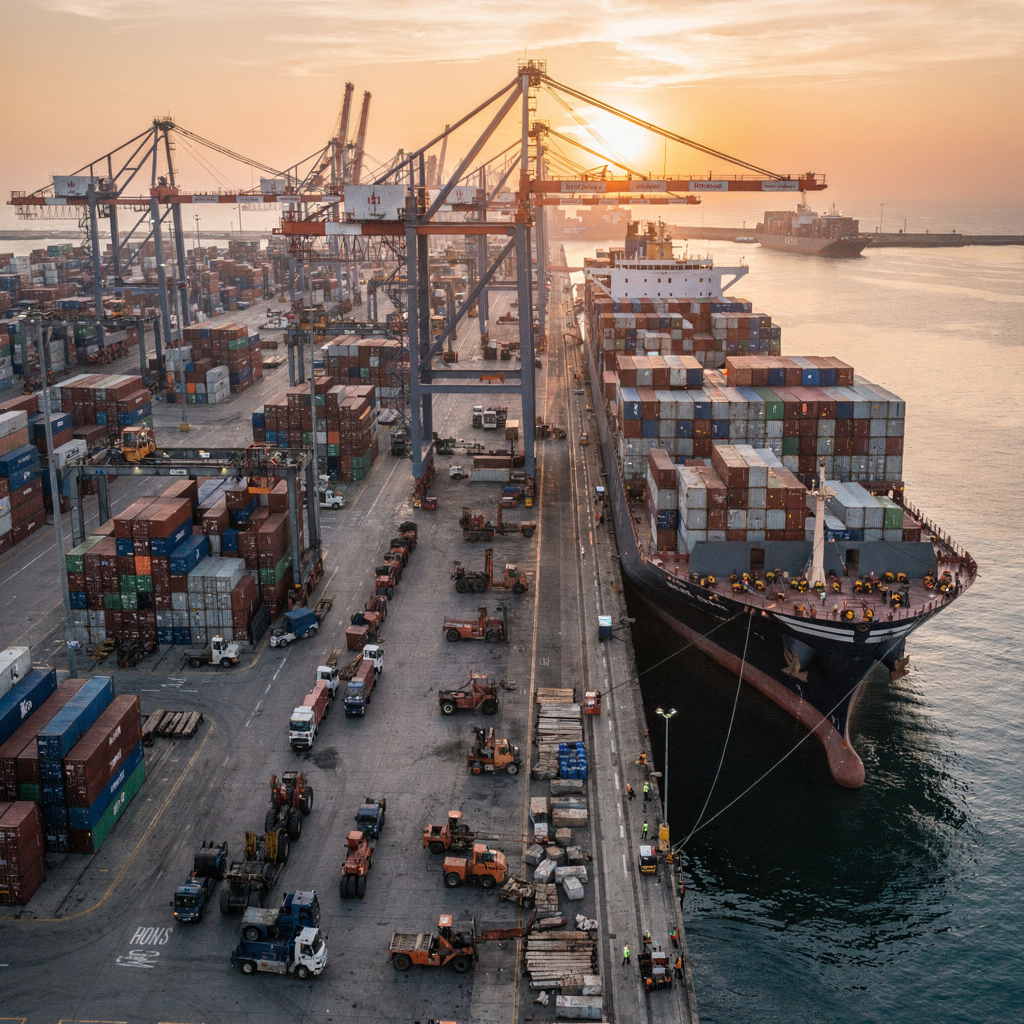
AI, Port Operations and Vessel Planning Restow describes the extra moves required to access blocked containers when a vessel is in port. Restow raises handling counts and extends vessel turnaround. As a result, berth utilisation falls and schedules slip. Ship planners face a complex scheduling puzzle every call. They must manage weight, lashing, safety and […]
Digital twin integration with container terminal systems
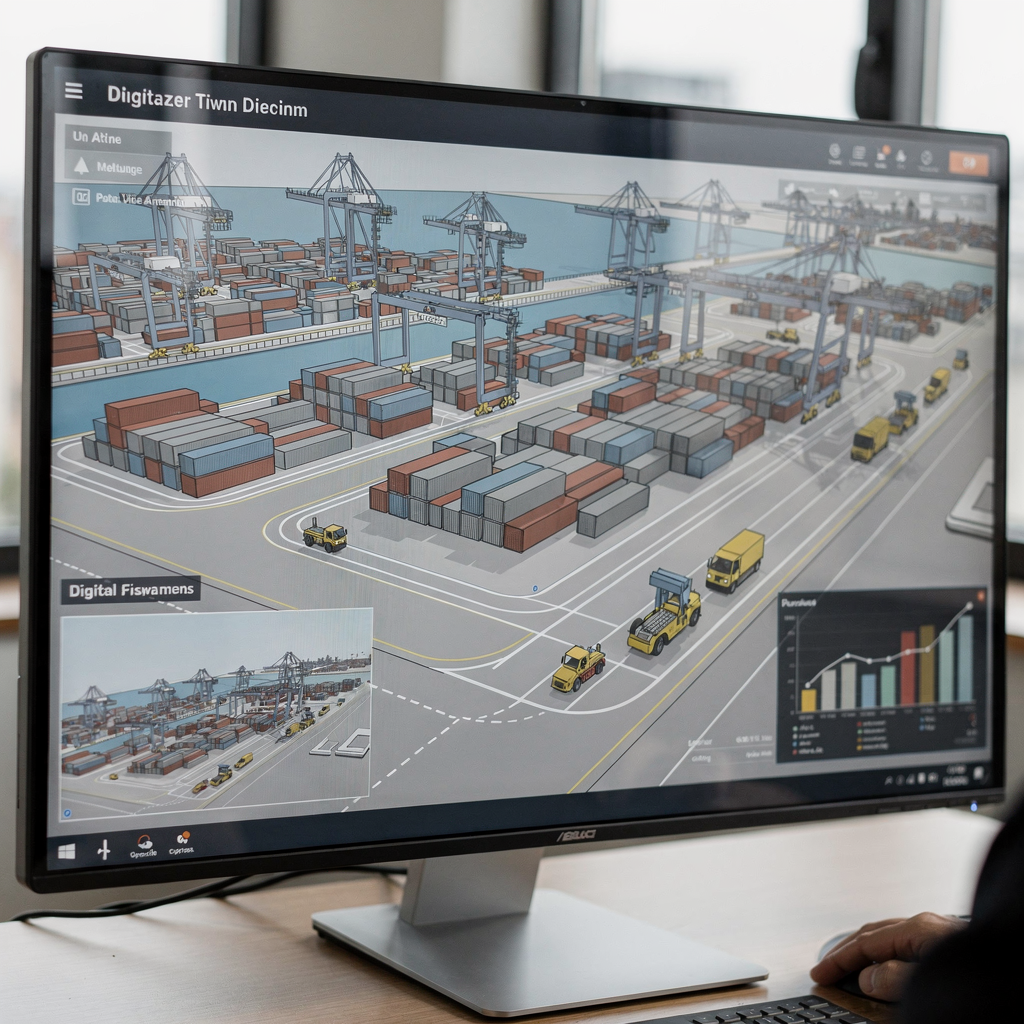
digital twin technology: Foundations and Key Concepts A digital twin is a live digital model of a physical system. In a container terminal, it acts as a virtual replica of quay cranes, yard stacks, trucks, gates, and the human workflows that connect them. The digital twin technology combines telemetry, business rules, and models. It monitors […]
Container terminals: reach stacker (RS) job prioritization
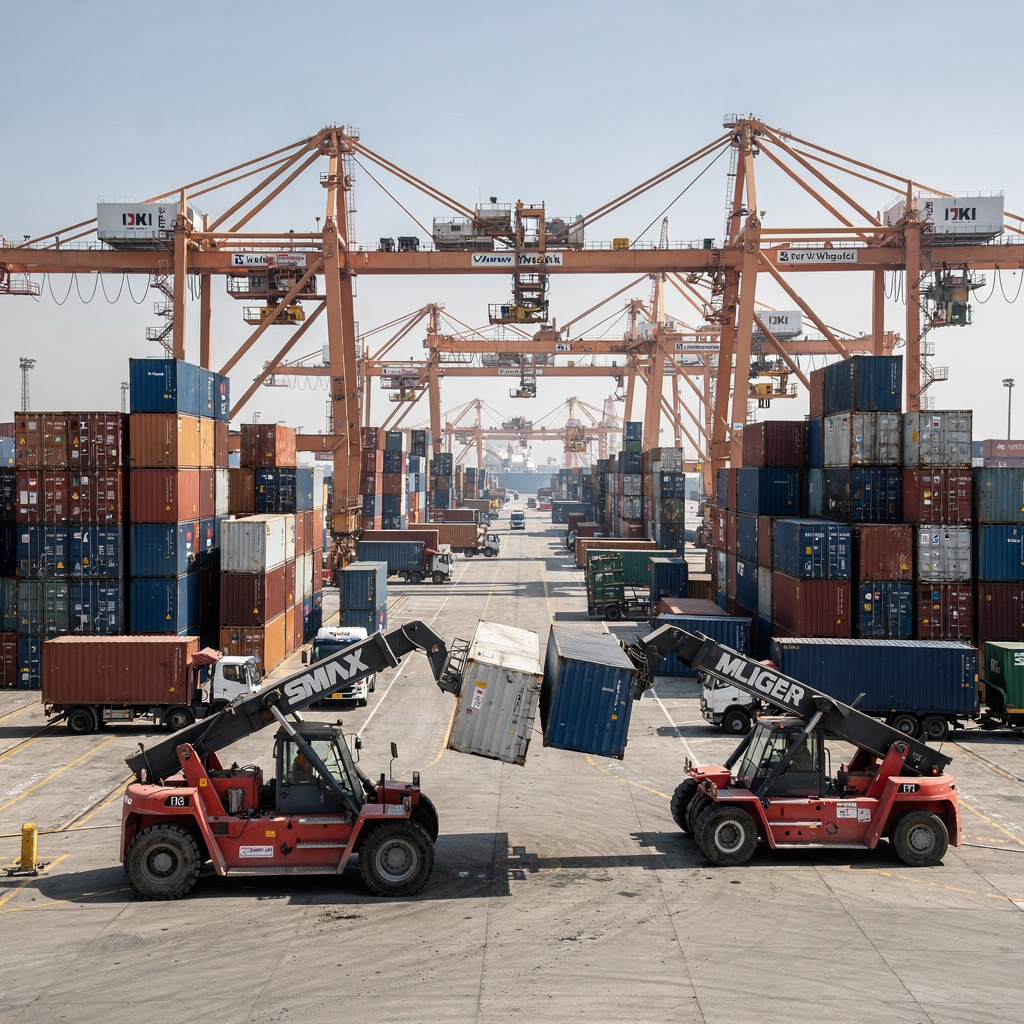
Container Reach stacker (RS) machines move and stack containers across the yard. They play a central role in container movement and in keeping quay cranes fed. Modern reach stackers can handle roughly 30–50 moves per hour depending on conditions, and this range directly affects terminal throughput (source). And when RS units work efficiently, the whole […]
Next-generation container terminal planning architecture
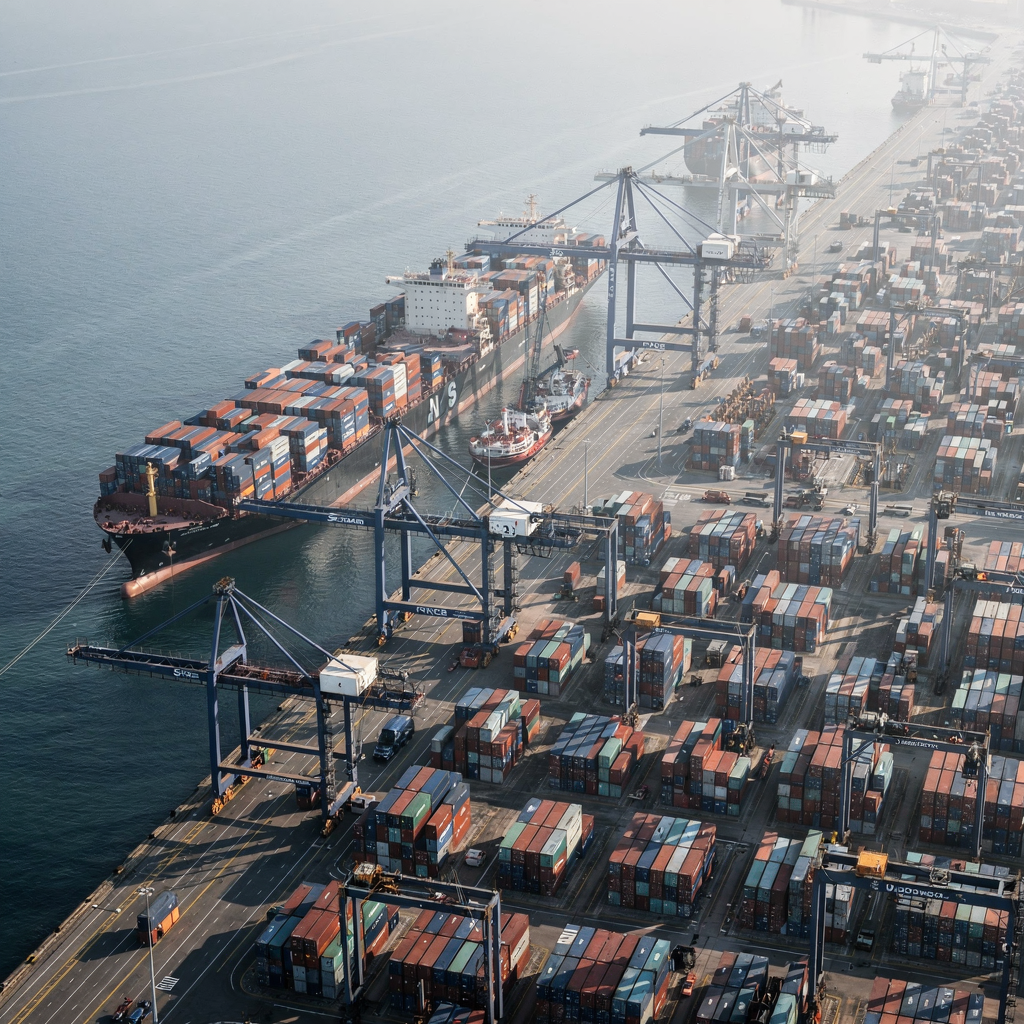
terminal capacity and yard design for mega-ships Terminal planners now design for VESSEL SIZES that once seemed improbable. Mega-ships above 20,000 TEU concentrate three times the containers per call compared with mid-generation vessels. For example, modern mega-ships can carry upwards of 24,000 TEUs, which changes berth requirements and yard flows (ITF: The Impact of Mega-Ships). […]
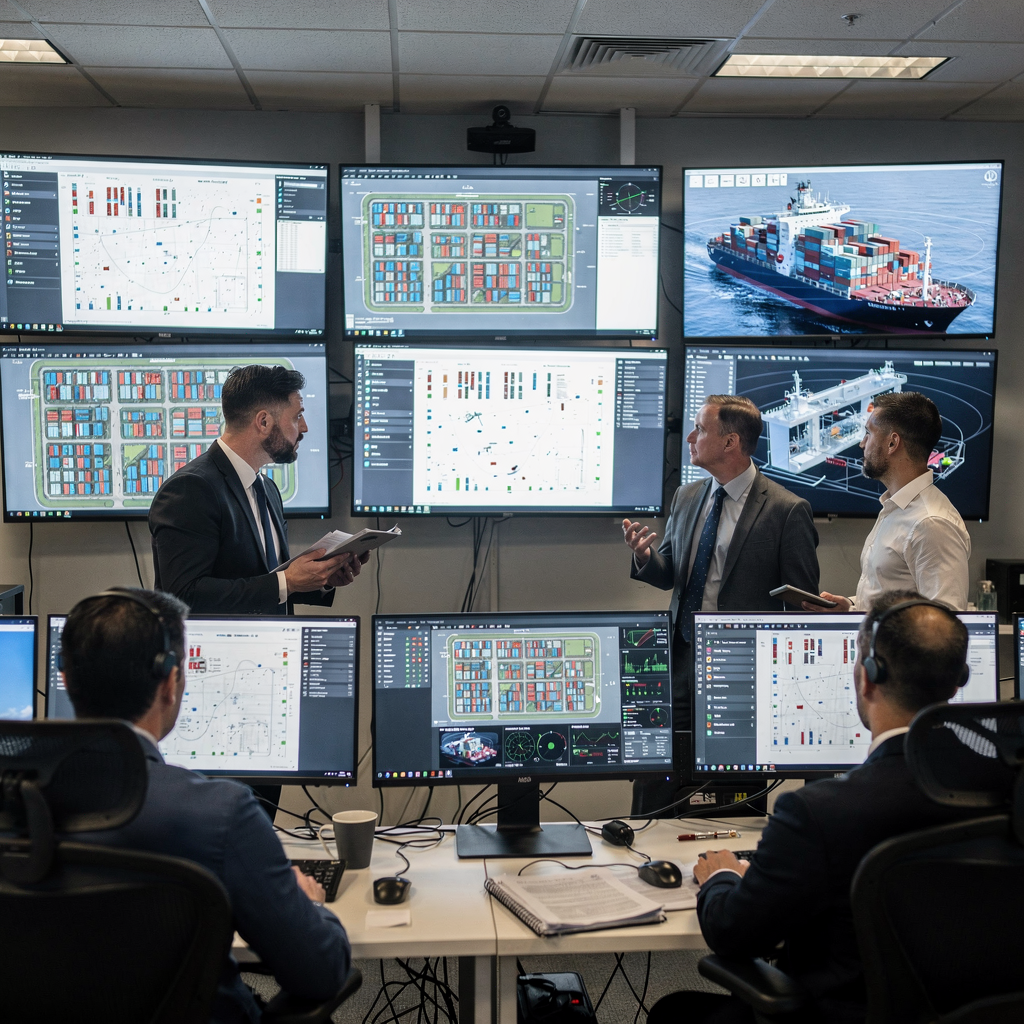
Predictive analytics vs heuristic algorithm for stowage plan
Problem description of stowage planning in container terminals Stowage planning assigns containers to slots so a vessel sails safely and terminals operate smoothly. At its core, stowage balances vessel stability, weight distribution and port efficiency. Planners must consider the arrangement of containers on decks and in holds so the ship stays within stability limits and […]
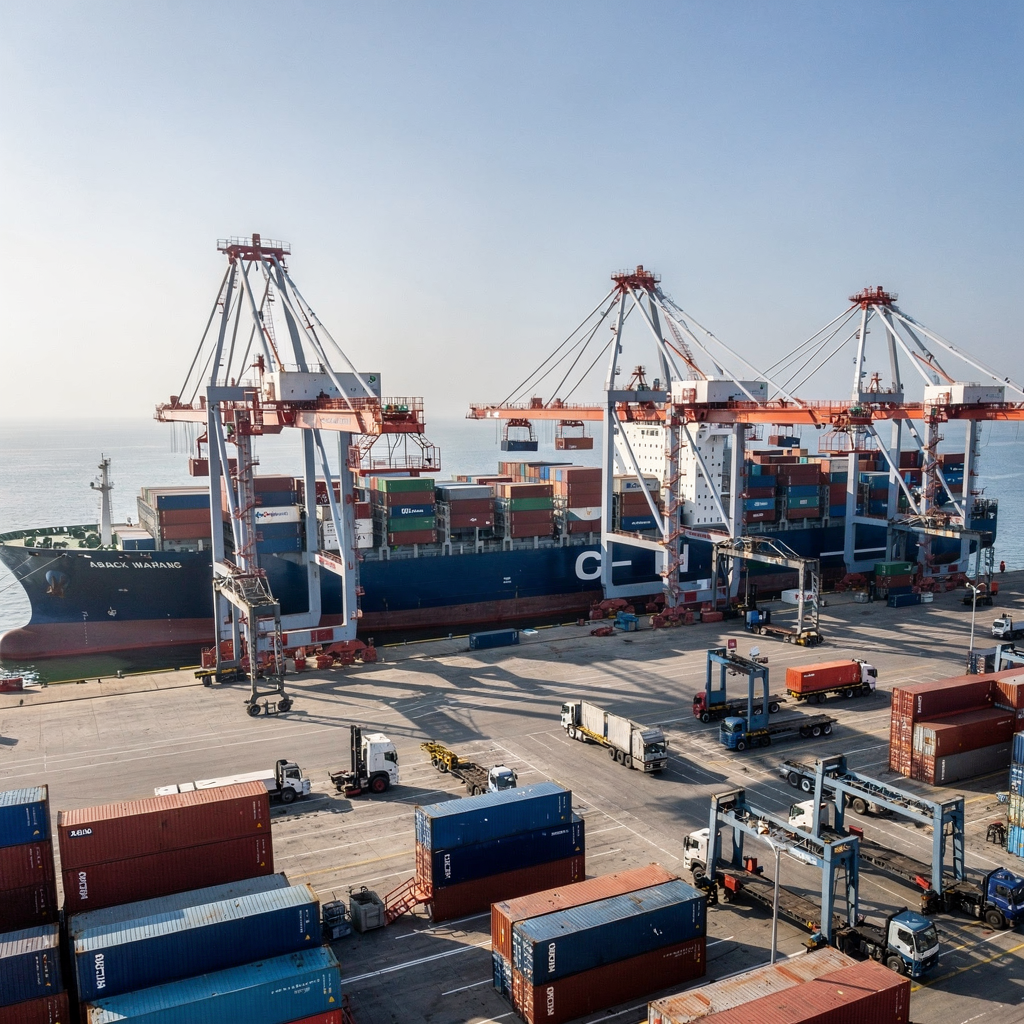
Container terminal optimization for quay crane allocation
Core Tasks in container Handling Container handling at the quay begins with QUAY CRANE moves that lift, rotate, and place boxes on the quay or on trucks. Then, a container is handed over to terminal trucks or straddle carriers for horizontal transport. Also, careful sequencing of QUAY CRANE tasks matters. Additionally, the handover window is […]
