
Author: Justas
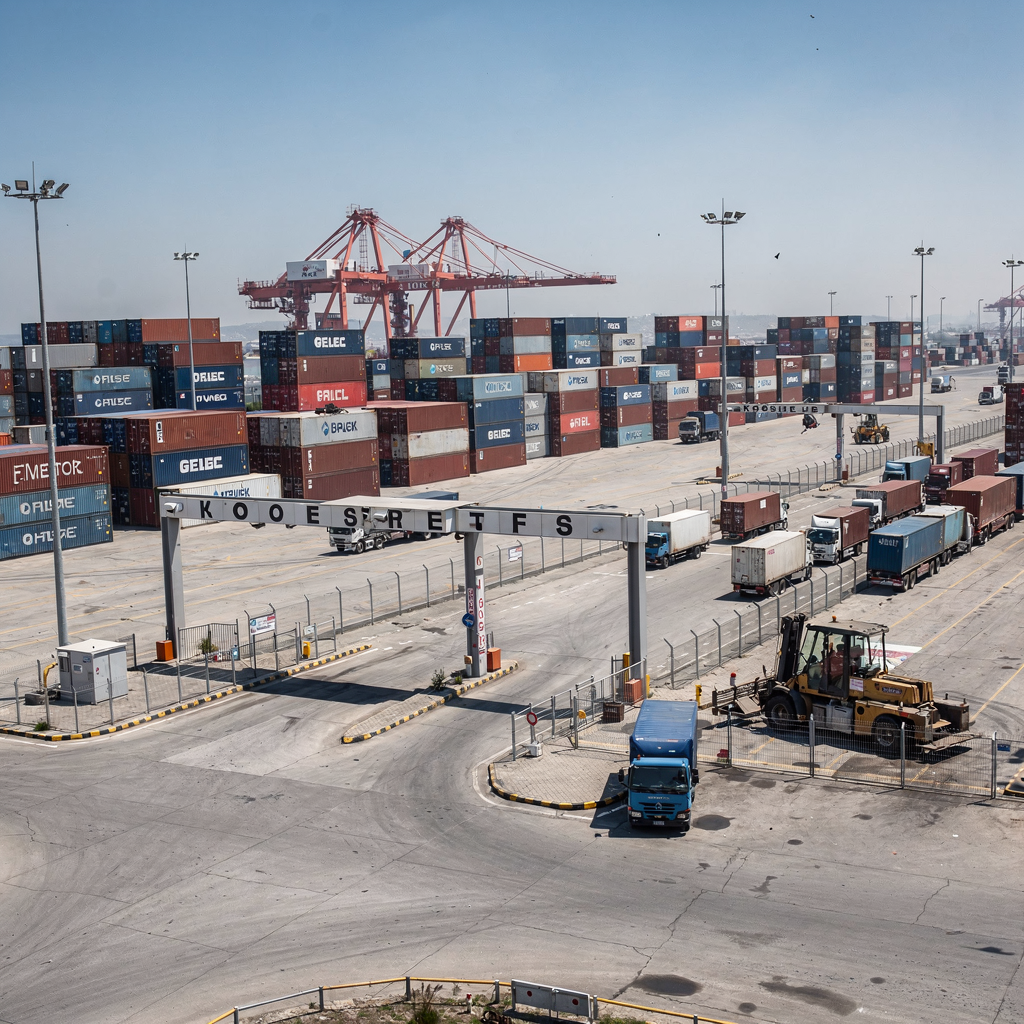
Dynamic internal transport replanning for port disruptions
Port Bottleneck: Causes and Impacts First, define the port bottleneck. A port bottleneck occurs when flows of cargo, equipment, and labour intersect and slow down. This slowdown affects vessel turnaround times directly. It reduces the number of moves per hour and increases costs for carriers and shipping companies. For example, research shows that major interruptions […]
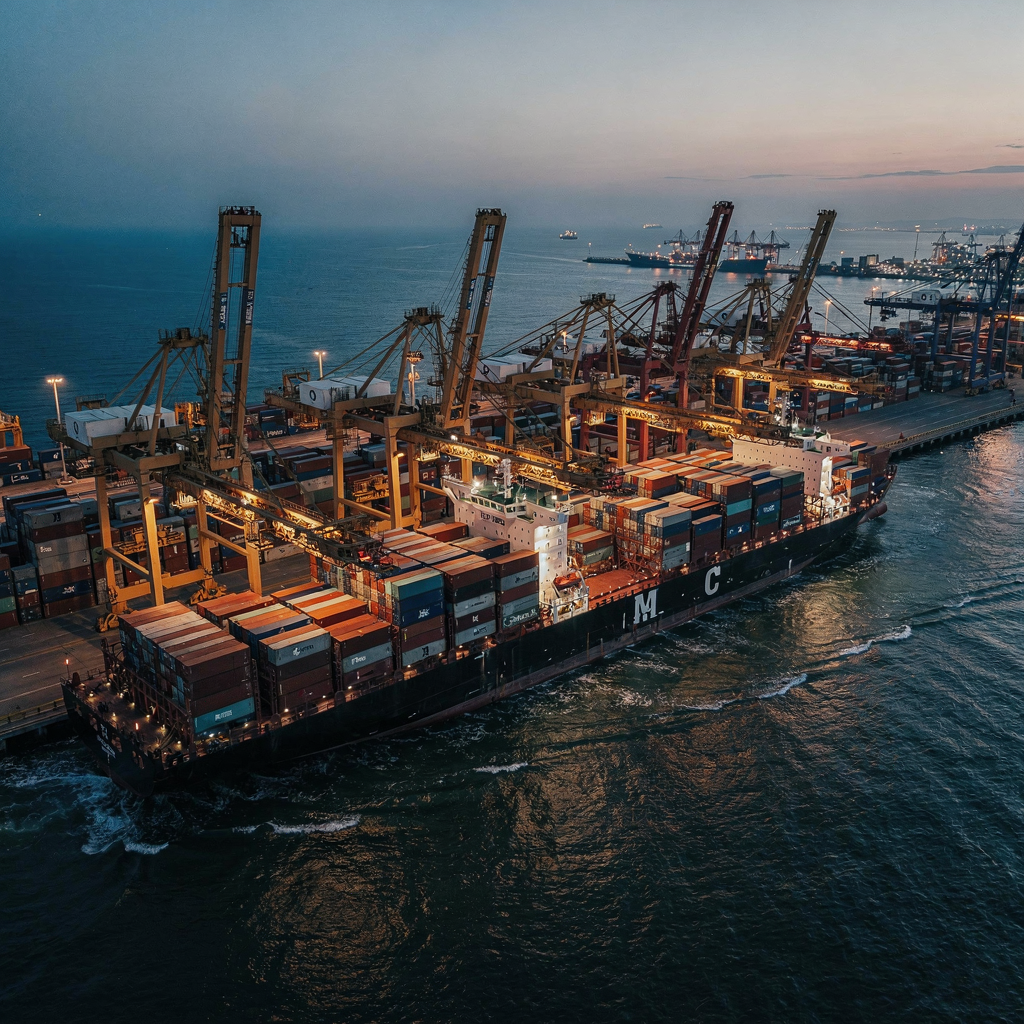
Safety-aware AI for high-hoist cranes in container terminals
ai agents for port safety and schedule optimization in container terminal operations AI agents for port safety and schedule optimization in container terminal operations bring a new layer of coordination to complex quay and yard activity. In practice, an AI agent works as a persistent decision-maker that observes constraints, tests choices in simulation, and issues […]
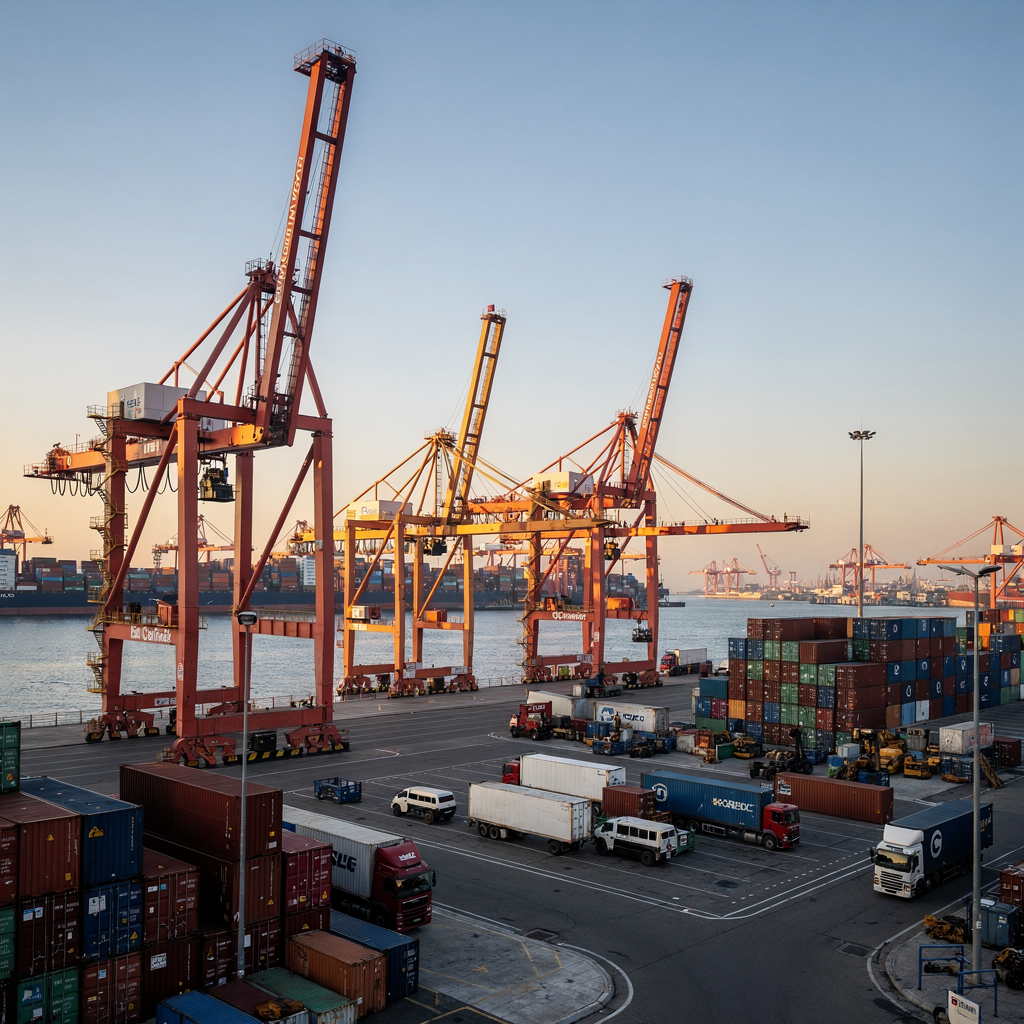
Online crane productivity strategies for terminals
Operation Basics: Understanding Gross Crane Rate First, understand that the gross crane rate, often abbreviated GCR, measures moves per gross hour per crane and includes working time, idle time, and waiting time. Next, this metric matters because it directly affects vessel turnaround and overall terminal throughput. For example, a recent Port of Melbourne review reported […]
Terminal operating system TOS for container terminals
terminal operating system Essentials for Modern terminal Management In modern ports and terminals, a terminal operating system (TOS) plays a critical role in managing container flows. Specifically, a container terminal operating system centralizes planning, yard scheduling, and data tracking within a central database. As defined, “A Terminal Operating System (TOS) is the core application used […]
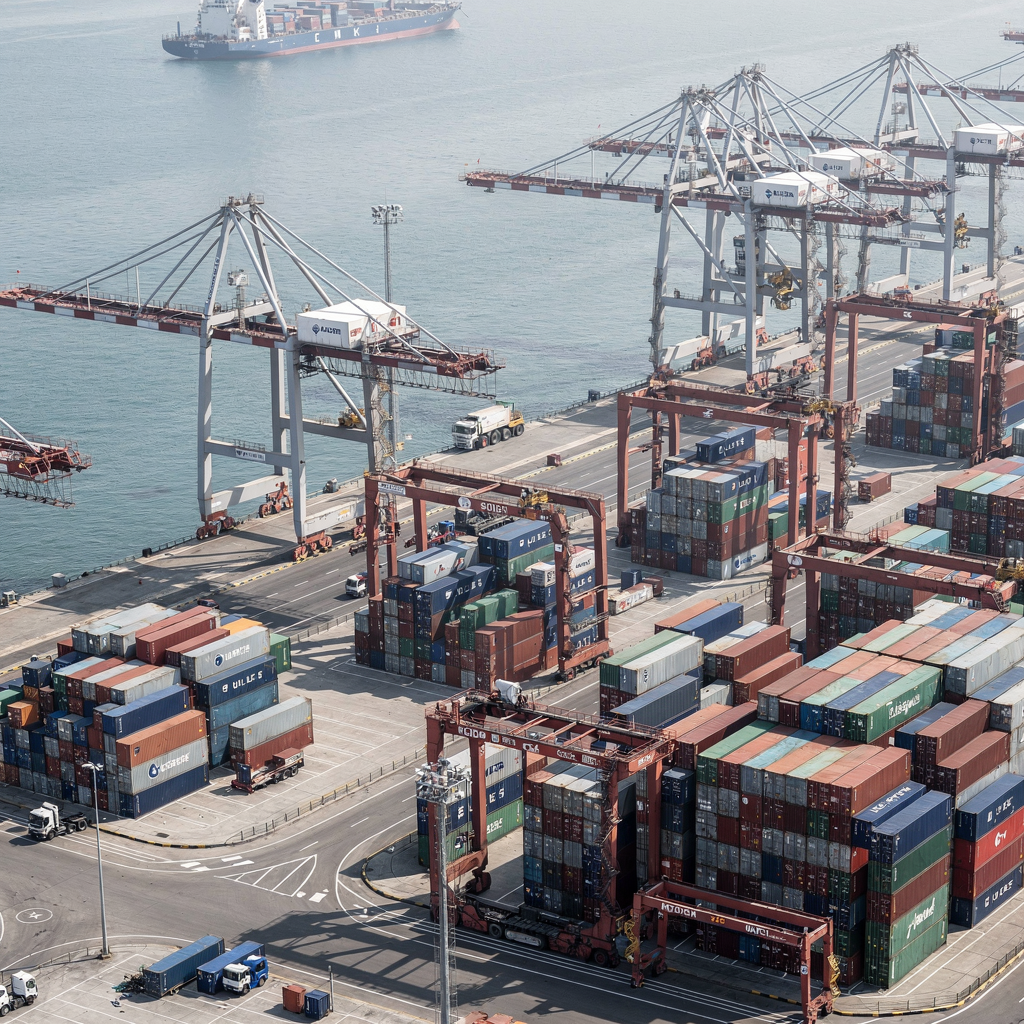
Port logistics simulation software for terminal operations
port: an overview of modern terminal operations and logistical complexities Ports are complex hubs for global trade. A container terminal handles unloading and load planning, vessel schedule, and yard stacking. First, vessels arrive and request a berth slot. Next, quay cranes navigate containers from decks to trucks or rail. Then, yard tractors move containers to […]

Simulations for terminal planning with simulation software
Simulation Software and digital twin model for airport terminal planning Simulation software and a digital twin give planners a safe way to test a new terminal before bricks and steel. They recreate layouts, flows, equipment, and interfaces so teams can inspect impacts quickly, and adjust plans fast. A digital twin mirrors the real-world geometry and […]
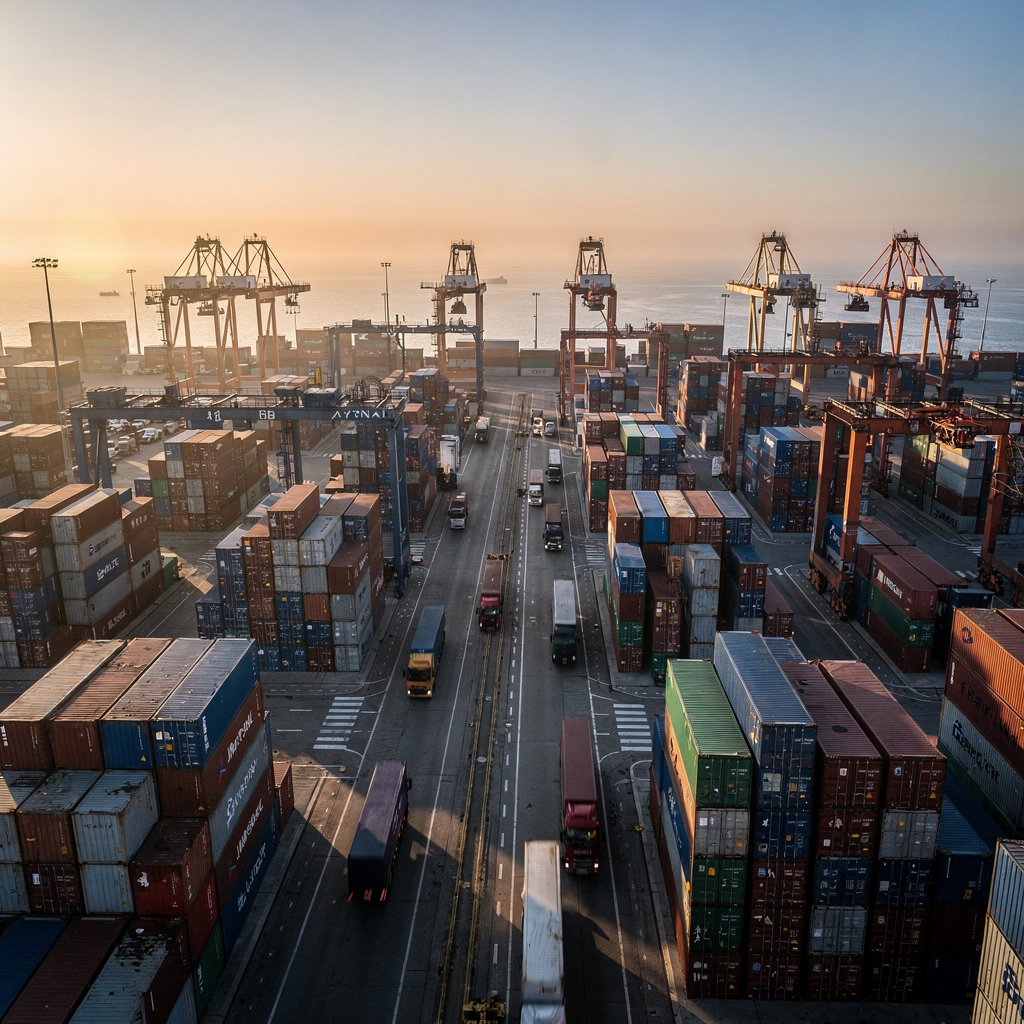
Simio container simulation: study of an empty container
business impact: Operational context of empty containers at Valparaiso terminal Valparaíso plays an outsized role in Chilean trade, serving as a key hub for both exports and imports. The port moves packed containers and empty boxes that support inland logistics and vessel rotations. This chapter presents the business impact of empty flows and explains why […]
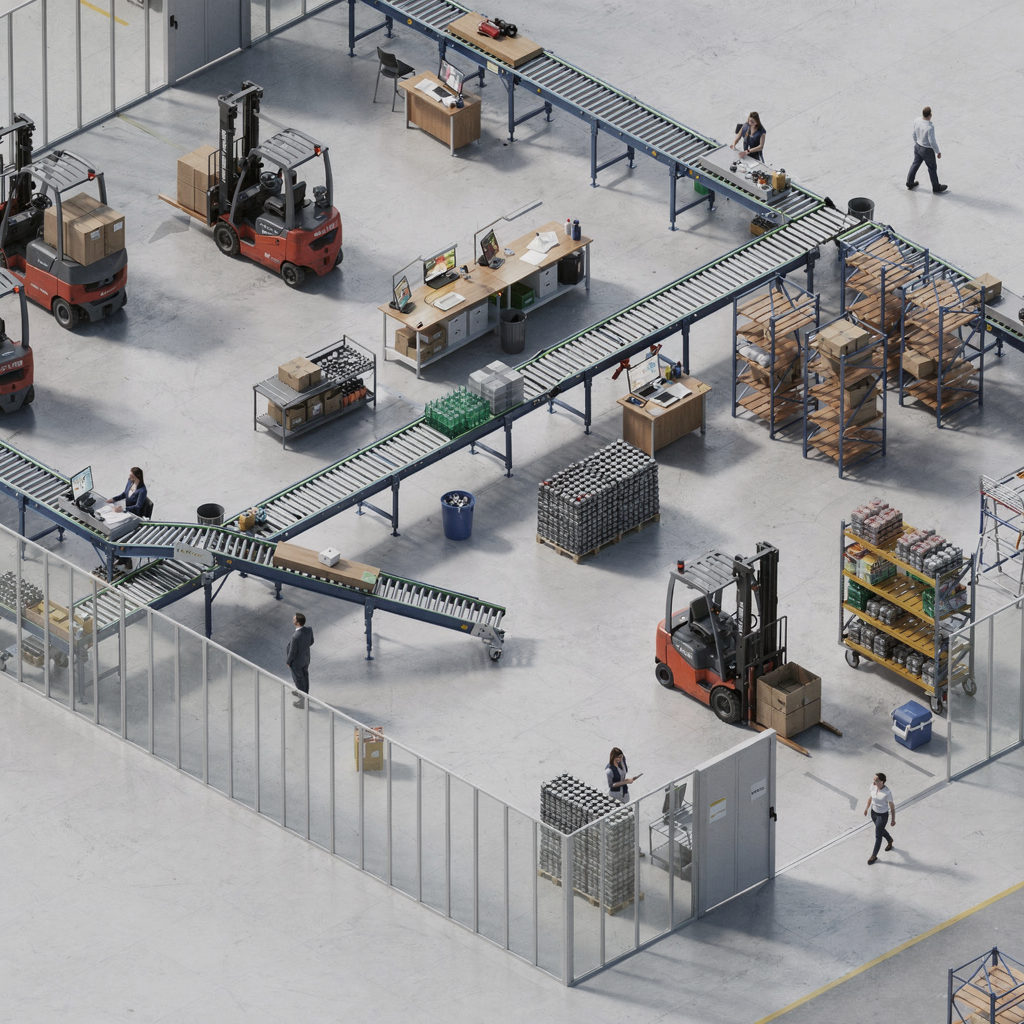
Enterprise Dynamics Logistics Simulation with Incontrol
Introduction to simulation and enterprise dynamics® Simulation in logistics and supply chain contexts creates a controlled, repeatable environment to test decisions. It lets planners model the flow of goods, time-based events, and decision logic before committing to a physical change. For many teams, the ability to simulate peak demand or equipment failure reduces risk and […]
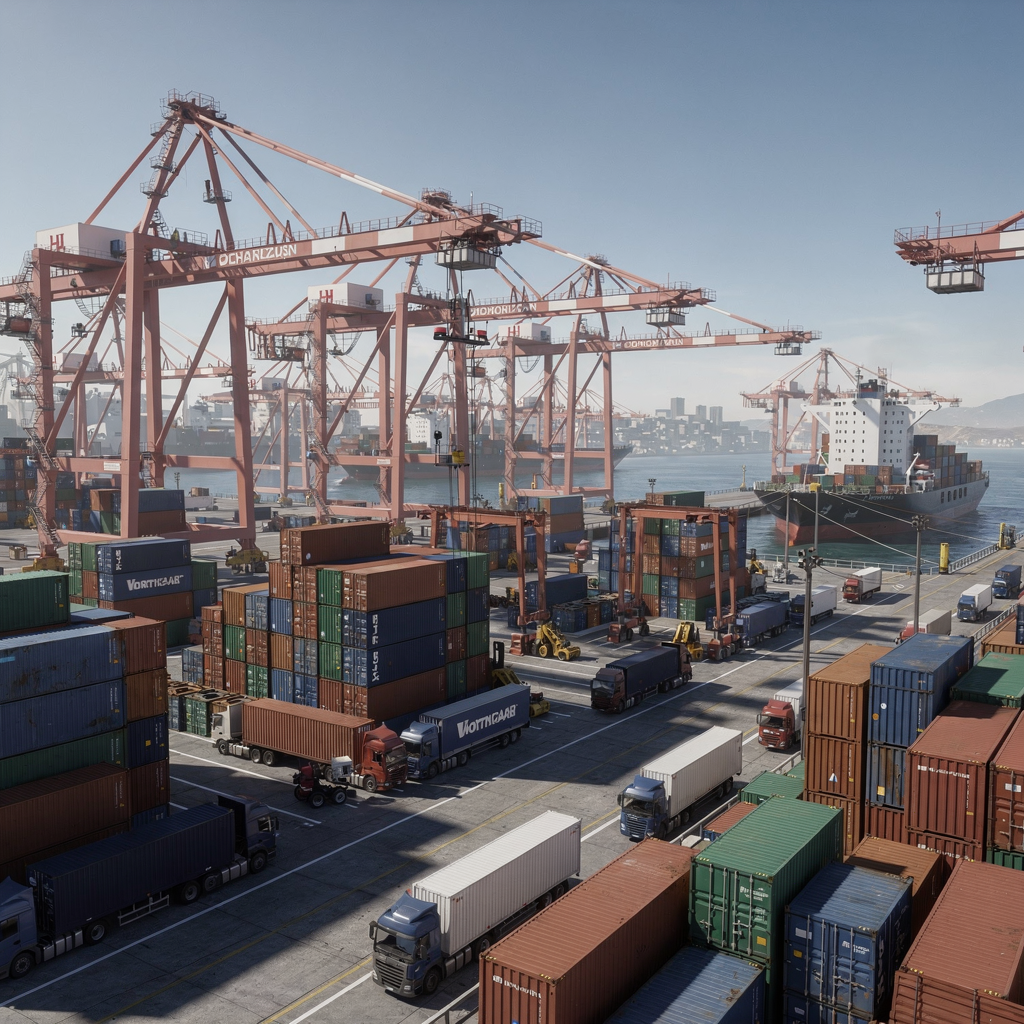
Terminal equipment scheduling simulation solutions
simulation and terminal: Foundations of equipment scheduling Terminal equipment scheduling directs how resources move and work inside a terminal. It covers cranes, trucks, yard equipment and gate staff. In container terminal, bulk terminals and liquid terminals the planner must match vessel windows, truck arrivals and storage capacity. Simulation helps planners test rules and see effects […]
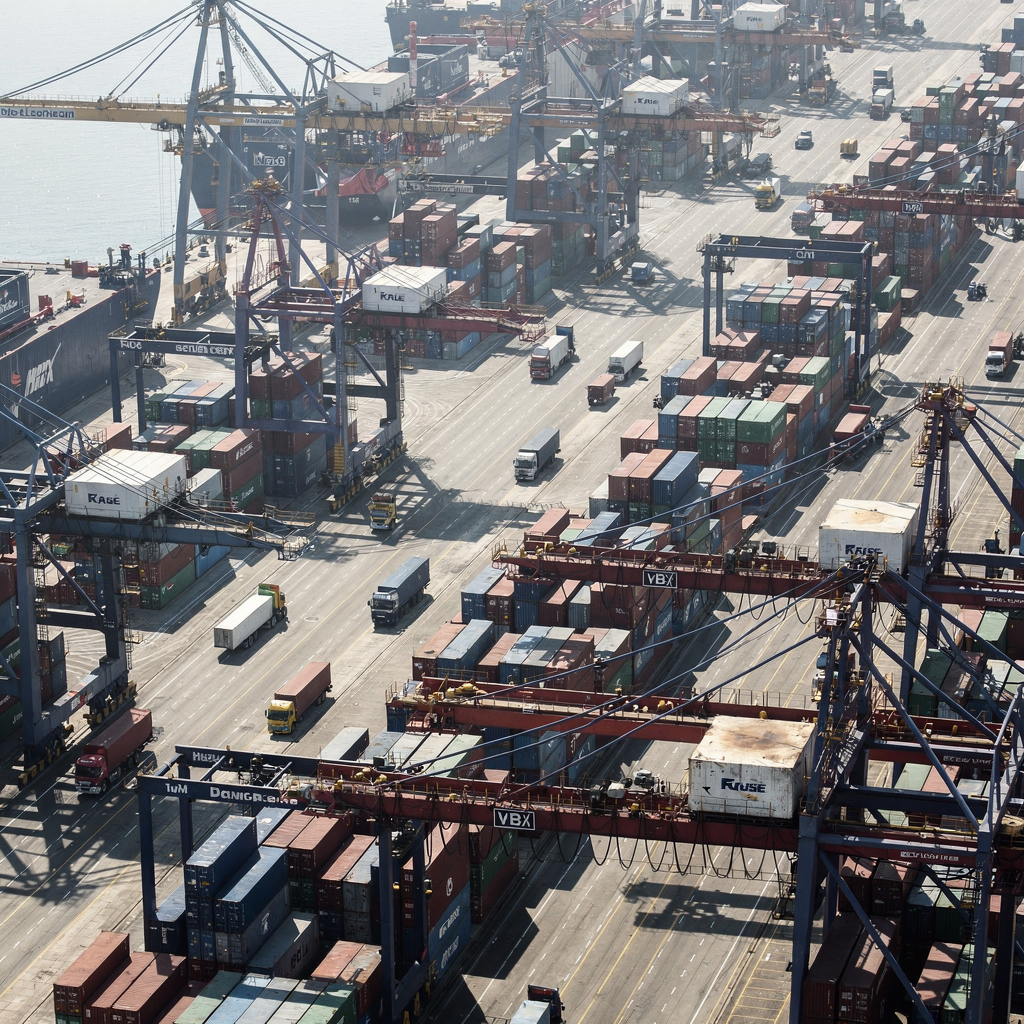
Simulation case study of container terminal operations
Literature review: container handling and operational challenges The literature review of port container terminals highlights the interplay between hardware, software, and human planners. Researchers apply discrete-event simulation to represent ship calls, yard stacking, and gate flows and they compare scenarios to identify bottlenecks and benefits. A notable result comes from a case study at El-Dekheilla […]
