
Author: Justas

STS crane automation solution for container terminal
STS Crane Technology Driving Port Efficiency First, STS cranes define the critical link between vessel and quay for container movement. Also, ship-to-shore crane designs set the pace for berth productivity and safety. Next, the role of an STS CRANE in a modern container terminal covers lift, trolley travel, and spreader control for TEU moves. Furthermore, […]
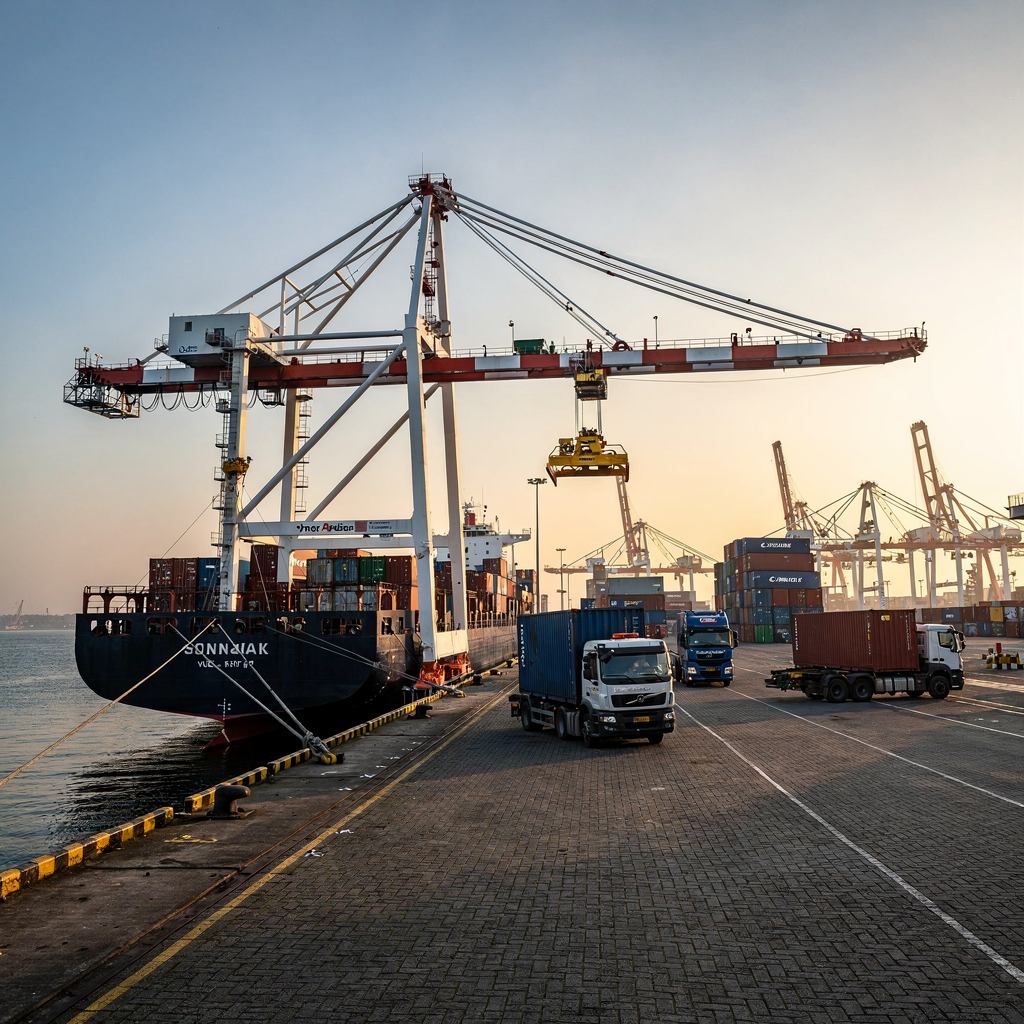
Ship-to-Shore Crane (STS) for Container Handling
crane: Introduction to ship-to-shore crane and its impact on container handling The ship-to-shore crane sits at the heart of modern container handling. First, a crane moves containers between a vessel and the quay. Next, it places boxes onto trucks, onto yard stacks, or onto rail wagons. Therefore, this machine shortens ship turnaround and raises throughput. […]
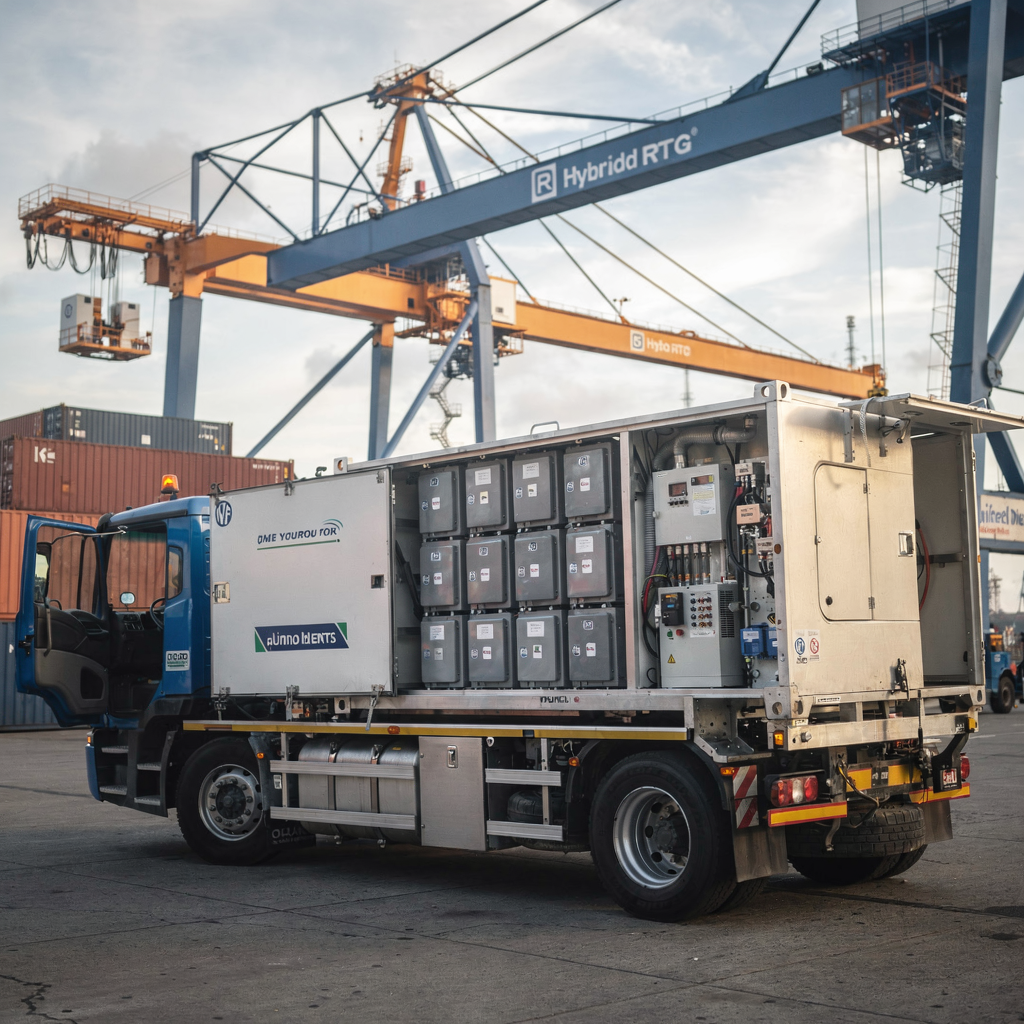
RTG crane: rubber tyred gantry crane for ports
Crane fundamentals: container handling in modern ports Crane equipment defines how efficiently a container yard flows. In modern container terminals, several crane types share duties across quay, yard, and gate. For example, ship-to-shore cranes focus on loading and unloading vessels. Meanwhile, yard cranes and gantry crane models handle container stacking and internal transfers. A rubber […]
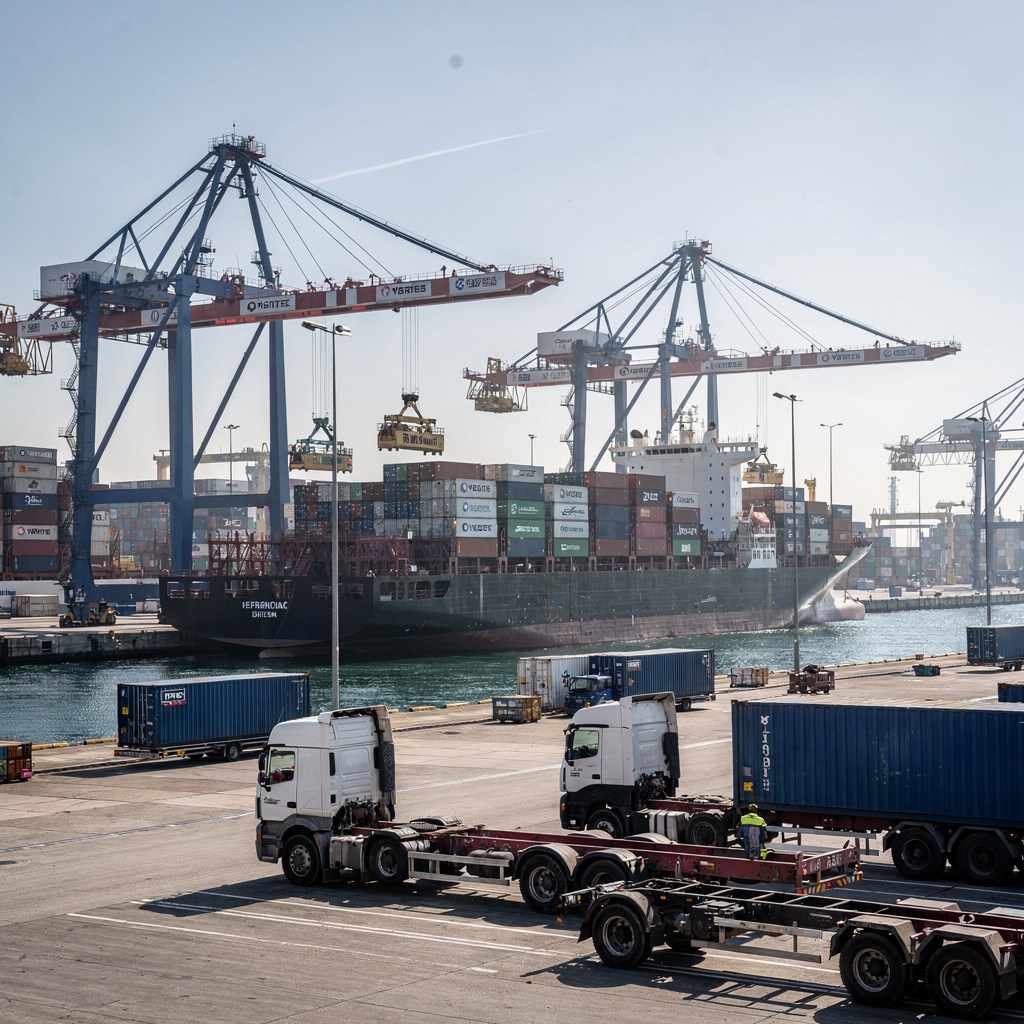
STS crane for container handling at modern terminals
crane Basics: Understanding Container Handling at Modern Terminals A crane is a large mechanical device used to lift, move, and place heavy loads, and at a modern container terminal a crane is central to operations. A ship-to-shore crane, also called an STS crane, sits at the waterside and reaches over a quay to pick containers […]
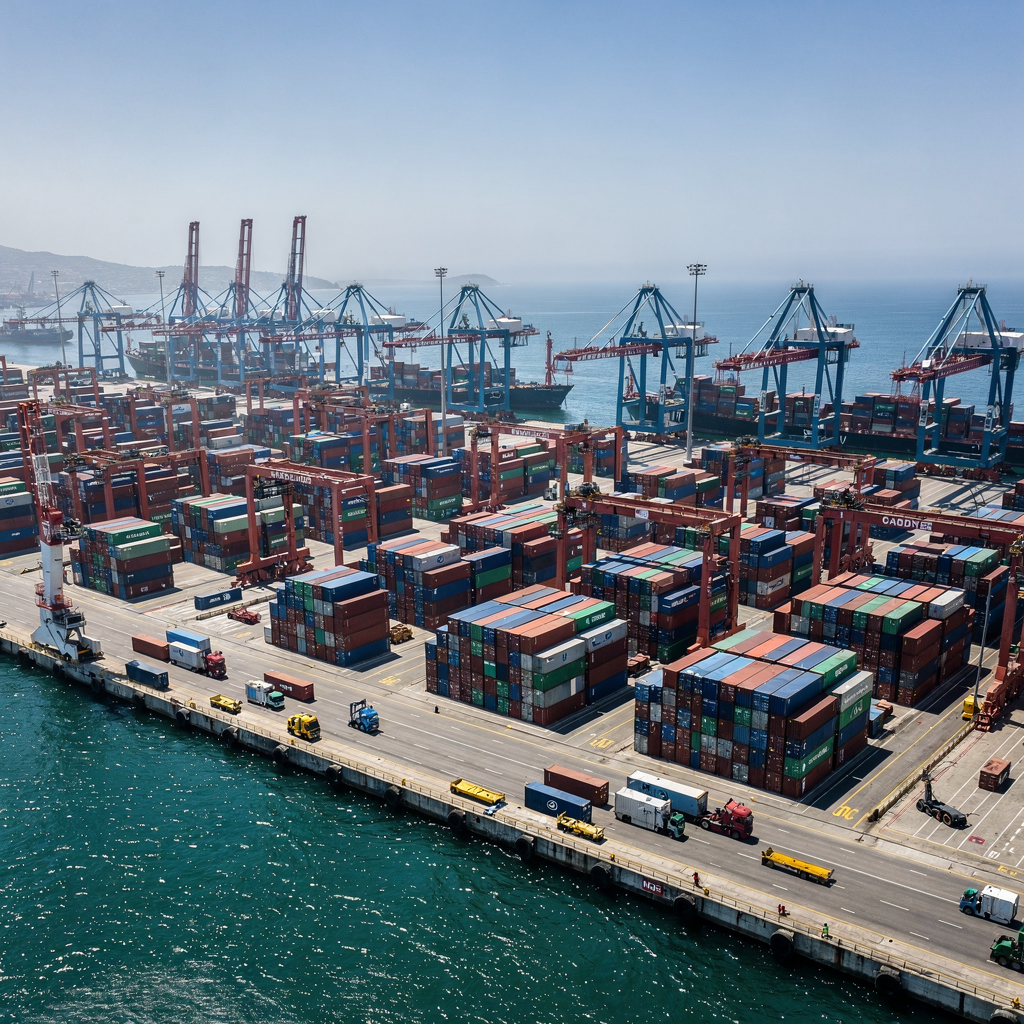
Deepsea container terminal simulation for port optimization
Maritime Supply Chain and Container Port Terminal Operation Deepsea container terminals act as major hubs in global maritime trade. They receive large container ship calls and move thousands of TEU every day. The role of a deepsea container terminal spans berthed operations, container storage, and hinterland handoffs. It also connects sea freight to rail and […]
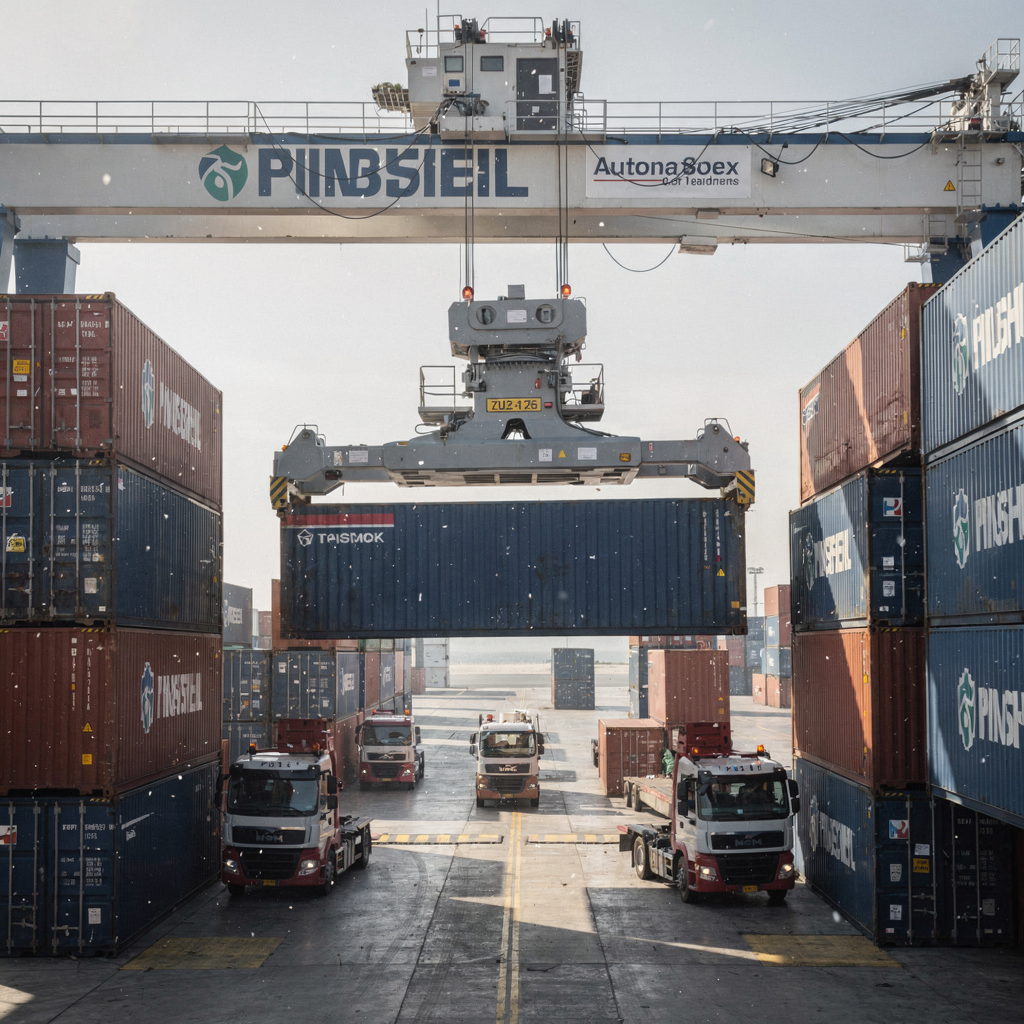
What is container terminal simulation?
simulation: Defining container terminal simulation Additionally, furthermore, this chapter answers a simple question: what is container terminal simulation and why should a terminal manager care. Furthermore, it creates a clear starting point for readers who plan changes and want measurable gains. In short, container terminal simulation is a virtual replication of a terminal’s activity that […]
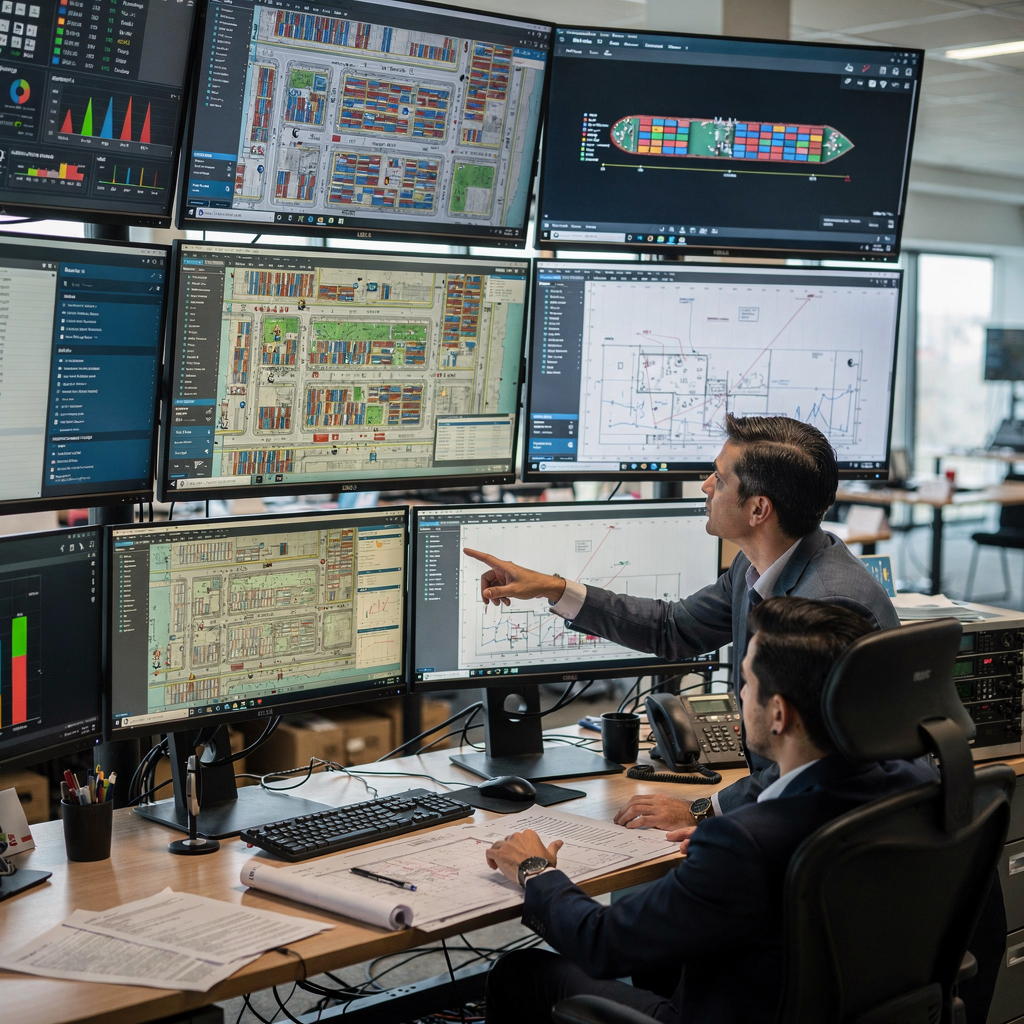
Best terminal operating systems 2026 – top terminal software
terminal operating system 2026: Overview of TOS in Modern Ports A terminal operating system coordinates the many moving parts of a port and makes day-to-day decisions faster. In 2026 the modern TOS must do more than record moves. It must provide real-time visibility, support equipment control, and offer advanced analytics that help terminal planners make […]
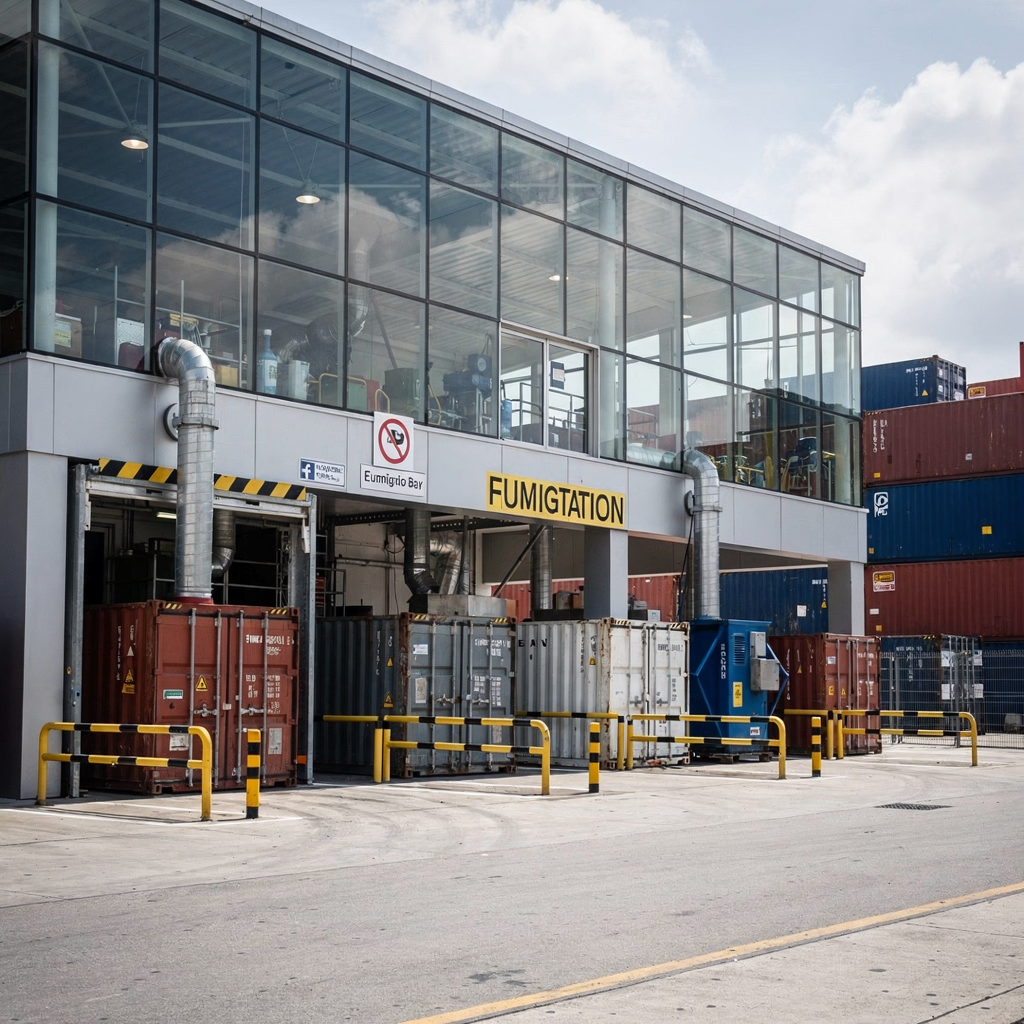
Fumigation planning for containers in inland terminals
fumigation and container fumigation in Inland Container Terminals Fumigation controls pests that may travel with international shipments. First, fumigation removes or neutralizes fumigant gas that protects goods and prevents the introduction of invasive species. Next, fumigation also safeguards workers and prevents the destruction of the cargo by living organisms that can damage plant products or […]
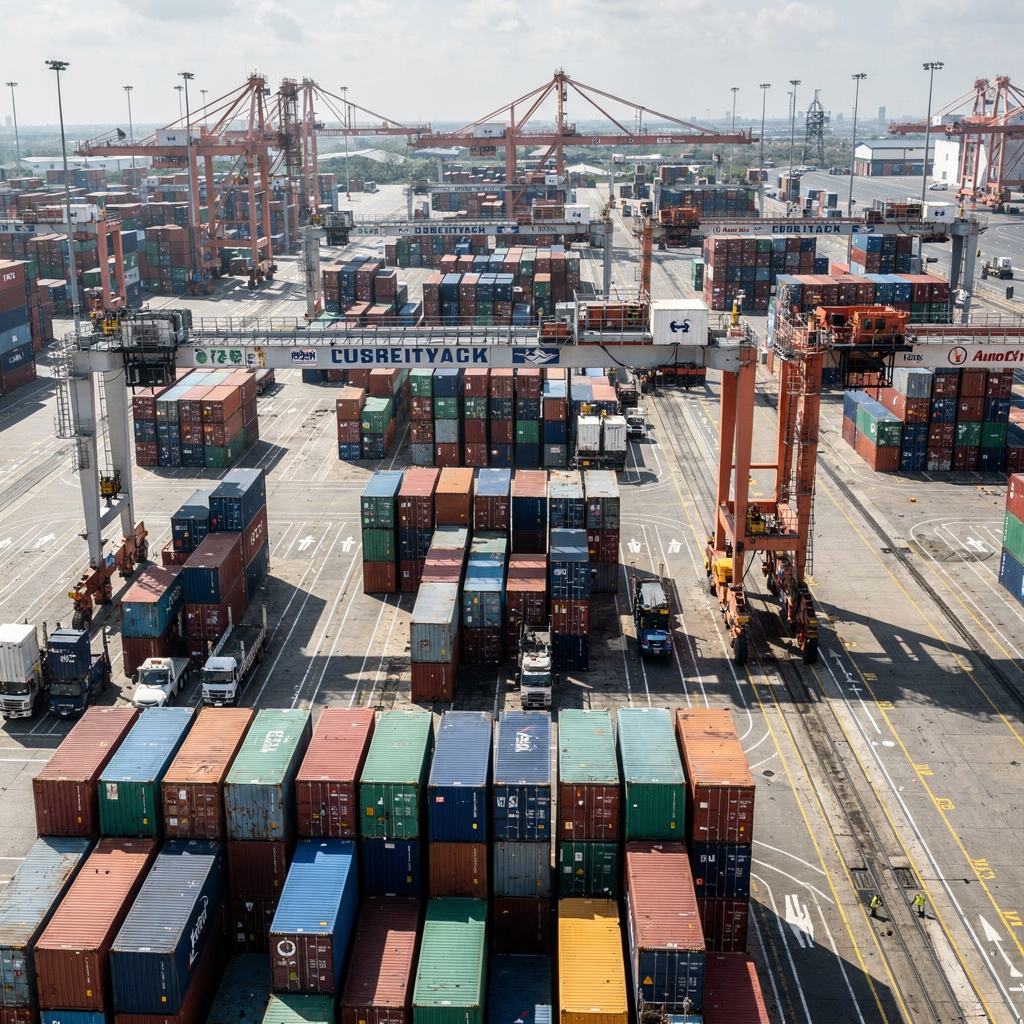
Container terminal lashing constraints optimise yard layout
container terminal fundamentals: lashing constraints in yard layout Understanding lashing forces matters for every container terminal planner and operator. Lashing forces describe the mechanical loads applied by lashing equipment and by stack interactions. They act when a vessel rolls and pitches, and they transfer forces into container stacks and into the yard when containers return […]
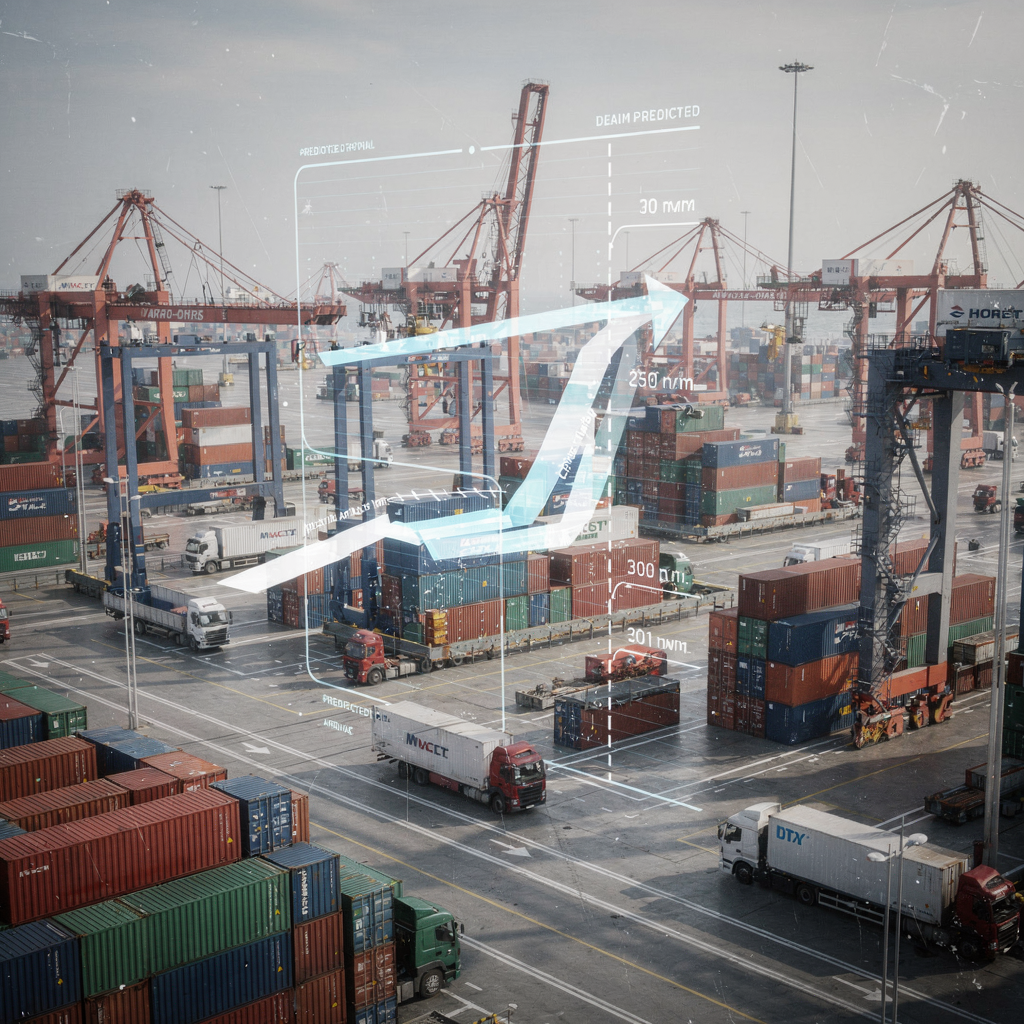
Reinforcement learning for terminal operations
reinforcement learning Reinforcement learning defines a class of algorithms where an agent interacts with an environment to maximize cumulative reward. In practice, an RL agent observes a state, chooses actions, and receives feedback through a reward signal. First, the agent explores possible moves. Then, the agent exploits what it learned to improve performance. This learning […]
