
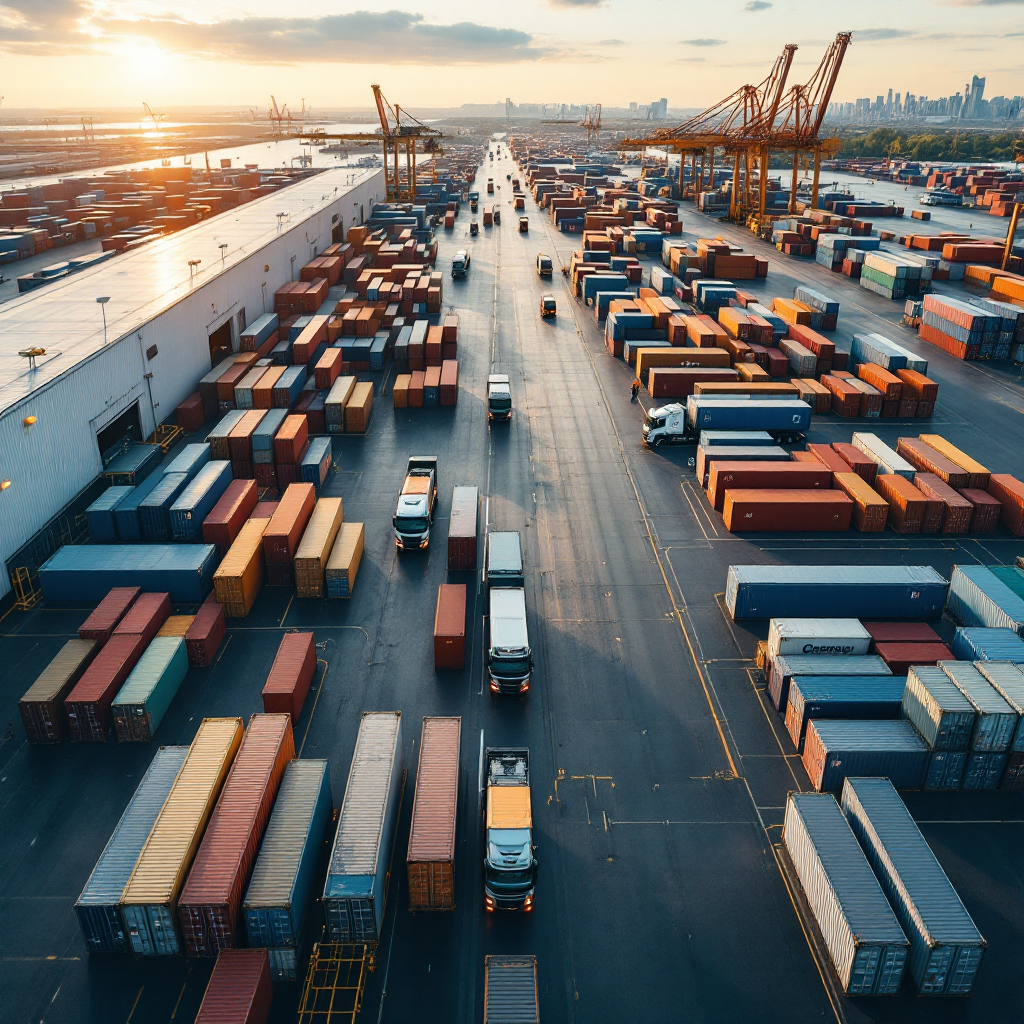
cloud-based yard management software in terminal operations
Cloud-based yard management software helps terminals run complex yard activity with speed and accuracy. It combines data, automation and human decision-making on a hosted platform. For terminals this means immediate access to real-time data and centralized controls, whether operators are on site or working remotely. As a result, operations to maximize space and reduce delays become easier to implement and monitor. The platform also cuts the need for heavy on-premise systems and lowers capital expense, which helps terminal operators focus spend on equipment and personnel instead of servers. In fact, vendors and users report significant cost improvements; independent analysis finds overall operational expenses can fall by 10–20% when resource idle time is reduced and utilization improves (source).
These systems often run as a management system that coordinates container placement, resource planning and gate activity. They integrate with ERP, TMS and WMS to create a single source of truth. Because they leverage cloud infrastructure, they scale up for peak periods and scale down during quiet weeks. This scalability helps terminals handle surges in cargo without a large IT footprint. Additionally, cloud-based solutions allow terminals to upgrade features faster and to adopt new analytics models without long on-premise deployments. Terminal teams can therefore focus on improving yard operations and boosting productivity instead of patching local servers.
Adoption also supports supply chain resilience. With better visibility across the yard, teams detect bottlenecks earlier and react faster. The right yard management software reduces manual handoffs and automates routine tasks, so teams spend less time on repetitive emails and lookups. This approach simplifies communications between operators, carriers and truckers, which improves gate throughput and reduces truck dwell time.
yard management system for real-time visibility in container yards
A yard management system delivers accurate and real-time visibility across container yards. It tracks assets, containers and equipment to show where every unit sits and who moved it last. Real-time tracking uses IoT sensors and GPS fitted to chassis, containers and mobile handling gear to collect continuous location and status updates. This stream of data feeds algorithms that recommend where to stack containers and how to route vehicles. Because the platform processes updates continuously, planners see live yard maps and can change instruction sets within minutes. This real-time visibility helps reduce needless moves and lowers yard congestion.
Automated slotting and container placement algorithms take raw location and schedule data and turn it into actionable slot assignments. These algorithms consider container weight, destination, stacking rules and vessel operations to reduce future rehandling. As a result, many terminals achieve higher space utilization and fewer crane moves during loading and unloading. Research shows optimized yard management can boost container handling capacity by 15–25%, which allows terminals to process more cargo without expanding the physical yard (source). The yard management system also supports yard planning and prioritization logic for RTG and reachstacker fleets.
Integration with yard sensors and cameras lets operators set alerts for exceptions and to enforce safety zones. When a block is full or blockage occurs, the system suggests alternate slots and issues precise pick instructions to drivers and equipment operators. This reduces idle equipment time and improves overall productivity. For more on reducing driving distances and the impact on container port operations, see strategies on reducing driving distances in container port operations for practical tactics and metrics (read more).
Drowning in a full terminal with replans, exceptions and last-minute changes?
Discover what AI-driven planning can do for your terminal
management software and seamless integration with terminal operating systems
A robust management software environment must integrate across systems. It connects the yard management system with the terminal operating system, port community systems and enterprise applications. This linkage ensures that vessel stow plans, gate appointments and yard moves are aligned. A terminal operating system provides vessel and crane schedules, while yard tools and solutions assign space and equipment. Together, they form an operational loop that reduces friction between zones and teams. When these systems communicate, decision cycles shorten and throughput improves.
Seamless integration supports a single operational timeline. For example, when a vessel plan shifts, the terminal operating system sends updated sequences to the yard management software so stacks are reconfigured automatically. This reduces rework and minimizes the need for ad hoc phone calls. Integration capabilities also let terminals push structured events back into ERP and accounting systems for traceability and billing, which keeps finance and operations synchronized.
Unified data drives faster decision-making because planners see one coherent picture. Dashboards display pending moves, equipment health and gate queues so supervisors can reassign teams or order extra lift capacity. This live coordination is essential when throughput spikes or weather disrupts operations. For teams that want to test operational changes without risk, a digital replica of terminal operations offers scenario simulation and helps forecast the impact of new processes or yard layouts (learn more). In practice, this end-to-end integration improves vessel turnaround times and reduces manual reconciliations across systems.
software solution for optimization and security and compliance
A comprehensive software solution focuses on optimization of equipment scheduling and vehicle routing while enforcing security and compliance controls. Optimization engines evaluate workloads and assign cranes, RTGs and tractors to tasks that maximize utilization and minimize empty moves. These engines rely on scheduling algorithms and analytics to match demand and capacity. Consequently, terminals see measurable efficiency gains and significant cost savings; several operators report labor cost reductions of up to 20–30% after automation and smarter workflows were introduced (source).
Vehicle routing inside the yard matters because travel distance affects fuel use and turnaround time. The management software produces optimized routes for terminal vehicles and for yard drivers, which reduces travel time and lowers emissions. It also prioritizes moves that support vessel operations and scheduled truck appointments. For broader transport patterns, combining yard planning with transport management ensures incoming and outgoing freight flows smoothly and that gate operations do not become choke points.
Security and compliance are built into the cloud infrastructure. Role-based access controls, encrypted links and audit logs protect data and offer traceability for inspections. Cloud providers maintain hardened environments and patching routines that reduce vulnerability exposure compared with many legacy on-premise systems. Terminals can therefore meet regulatory requirements and maintain secure records of check-ins and check-outs. At the same time, automation reduces human error in documentation, which helps with customs clearance and carrier coordination.
This reduces the time teams spend on email triage and keeps compliance evidence linked to the transaction. The result is faster, consistent replies and fewer delays caused by missing paperwork.
Drowning in a full terminal with replans, exceptions and last-minute changes?
Discover what AI-driven planning can do for your terminal
cloud-based transport management and logistics to streamline operations
Dynamic vehicle routing and cloud-based transport management coordinate movements between the yard and the wider supply chain. Dynamic routing adapts to live yard conditions and to truck arrival patterns, so the flow of goods remains steady. When truck arrivals bunch up or when a lane is blocked, the system reassigns gates and reorders moves to prevent cascading delays. This approach helps reduce truck waiting times by 25–40% through smarter scheduling and routing adjustments (source).
Transport management functions include appointment scheduling, carrier communications and route orchestration. By integrating appointment systems with the yard management system, terminals can optimize check-ins and check-outs and minimize idle truck time. For practical tactics on appointment systems that improve truck flows, see AI-enhanced truck appointment systems for terminal operations which explains scheduling logic and tech patterns (details). Transport management also coordinates with inbound and outbound freight handlers, which reduces mismatches at the gate and during loading and unloading.
Cloud infrastructure supports collaboration across stakeholders. Carriers, hauliers and terminal teams can access shared timelines and instructions, which increases transparency and reduces disputes. The same cloud platform can host analytics and reporting that identify recurring issues so teams can permanently fix them. For example, combining yard telemetry with appointment data helps pinpoint bottlenecks and then drive targeted improvements. Consequently, terminals streamline operations and improve overall logistics performance.
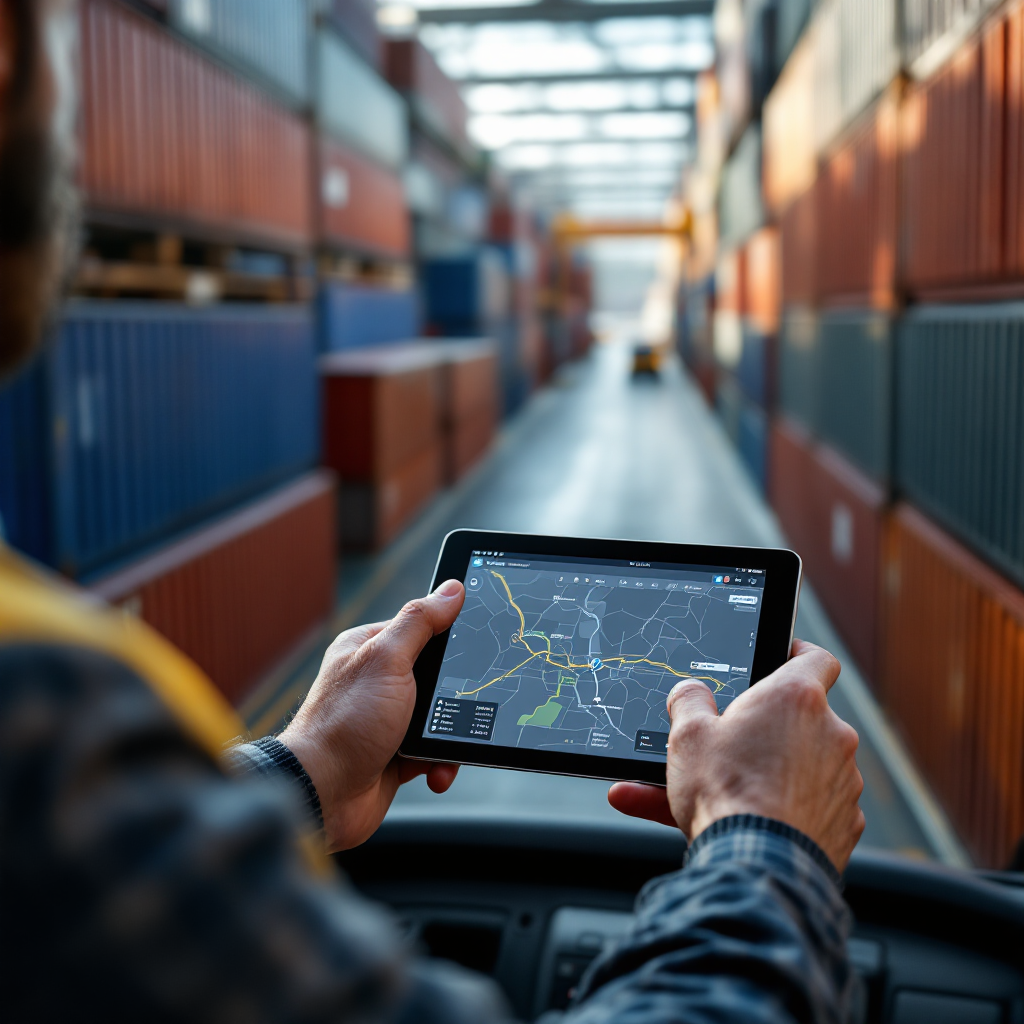
container yard management driving port expansion and future trends
Container yard management directly affects the ability of a port to expand capacity without physical growth. By increasing space utilization, terminals can process more TEUs with the same footprint. Studies show that optimized yard management can increase throughput by 15–25% in high-frequency ports, and a case study recorded a 20% throughput improvement after adopting cloud tools and revised stacking strategies (source). These gains reduce pressure to invest in new berths or large land acquisitions, which is especially valuable in constrained harbors.
The market is responding with more sophisticated offerings. The maritime software market is expected to grow sharply, reaching around USD 3.08 billion by 2031 as ports invest in cloud solutions and analytics (source). Future trends include AI-driven analytics that predict yard congestion before it happens, and the wider adoption of digital twins to test layout changes or equipment swaps before physical implementation. As a result, planners can compare scenarios and select the option that best balances throughput and cost.
Predictive models and automation will further improve vessel turnaround times and resource allocation. Experts note that “Cloud-based solutions enable terminals to harness machine learning and AI to continuously optimize routing and resource allocation” which leads to sustained operational gains (quote). Additionally, digital twins let teams rehearse complex events and measure impact without risking service. For those exploring yard density and its effect on throughput, see research on yard density and terminal throughput for deeper insights and metrics (read more). Finally, terminals that adopt cloud-based yard management software and combine it with strong integration capabilities will be best positioned to handle future cargo volumes and to maintain high terminal efficiency.
FAQ
What is cloud-based yard management software and why does a terminal need it?
Cloud-based yard management software is a hosted platform that manages container placement, asset tracking and equipment scheduling across a yard. A terminal needs it to gain real-time visibility, reduce manual moves and to scale compute resources without heavy on-premise systems.
How does real-time tracking work in container yards?
Real-time tracking uses IoT sensors, GPS and connection to a management system to report locations and statuses continuously. These inputs feed analytics and automated slotting so operators can act on current conditions rather than on delayed reports.
Can a yard management system integrate with my terminal operating system?
Yes. Integration ties vessel schedules, gate appointments and yard instructions together so changes propagate instantly across systems. This reduces rework and helps teams coordinate moves that support vessel operations and truck flows.
What kind of cost savings can terminals expect?
Terminals report operational cost savings in the range of 10–20% from improved utilization and reduced idle equipment, and labor costs may fall by up to 20–30% through automation and smarter workflows (source). Results vary by yard size and baseline efficiency.
How do cloud platforms handle security and compliance?
Cloud platforms enforce role-based access, encryption and audit trails to protect data and to meet regulatory requirements. They also simplify evidence capture for inspections by linking transaction records, manifests and check-ins to the move history.
Will cloud-based systems reduce truck waiting times?
Yes. By coordinating appointments and using dynamic vehicle routing, terminals can reduce truck turnaround times substantially. Studies show truck waiting times can fall by 25–40% when scheduling and routing are optimized (source).
How do digital twins support yard planning?
Digital twins create a virtual replica of terminal operations so planners can simulate layouts, staffing and equipment assignments without disrupting live work. This helps teams choose options that maximize throughput and minimize rehandling risk.
Can yard management software work with existing WMS and ERP systems?
Yes. Modern platforms integrate with WMS, ERP and TMS to share status and to synchronize financial and operational records. Integration reduces duplicate entry and speeds resolution of exceptions.
What role does automation play in yard optimization?
Automation executes routine tasks like slot assignment, move sequencing and message generation, which frees staff for higher-value decisions. It also improves consistency and reduces errors in repetitive workflows.
How do I get started with upgrading my yard systems?
Begin with a pilot that targets a single gate or block and measure improvements in dwell time and move counts. Then expand in waves, integrating a yard management system with your terminal operating system and transport management functions for broader gains. For practical case studies on yard optimization and scenario simulation, see the linked strategy resources (optimization strategies), (truck appointment systems) and (digital replica).
our products
 stowAI
 stackAI
 jobAI
jobAI
Innovates vessel planning. Faster rotation time of ships, increased flexibility towards shipping lines and customers.
Build the stack in the most efficient way. Increase moves per hour by reducing shifters and increase crane efficiency.
Get the most out of your equipment. Increase moves per hour by minimising waste and delays.
stowAI
Innovates vessel planning. Faster rotation time of ships, increased flexibility towards shipping lines and customers.
stackAI
Build the stack in the most efficient way. Increase moves per hour by reducing shifters and increase crane efficiency.
jobAI
Get the most out of your equipment. Increase moves per hour by minimising waste and delays.