
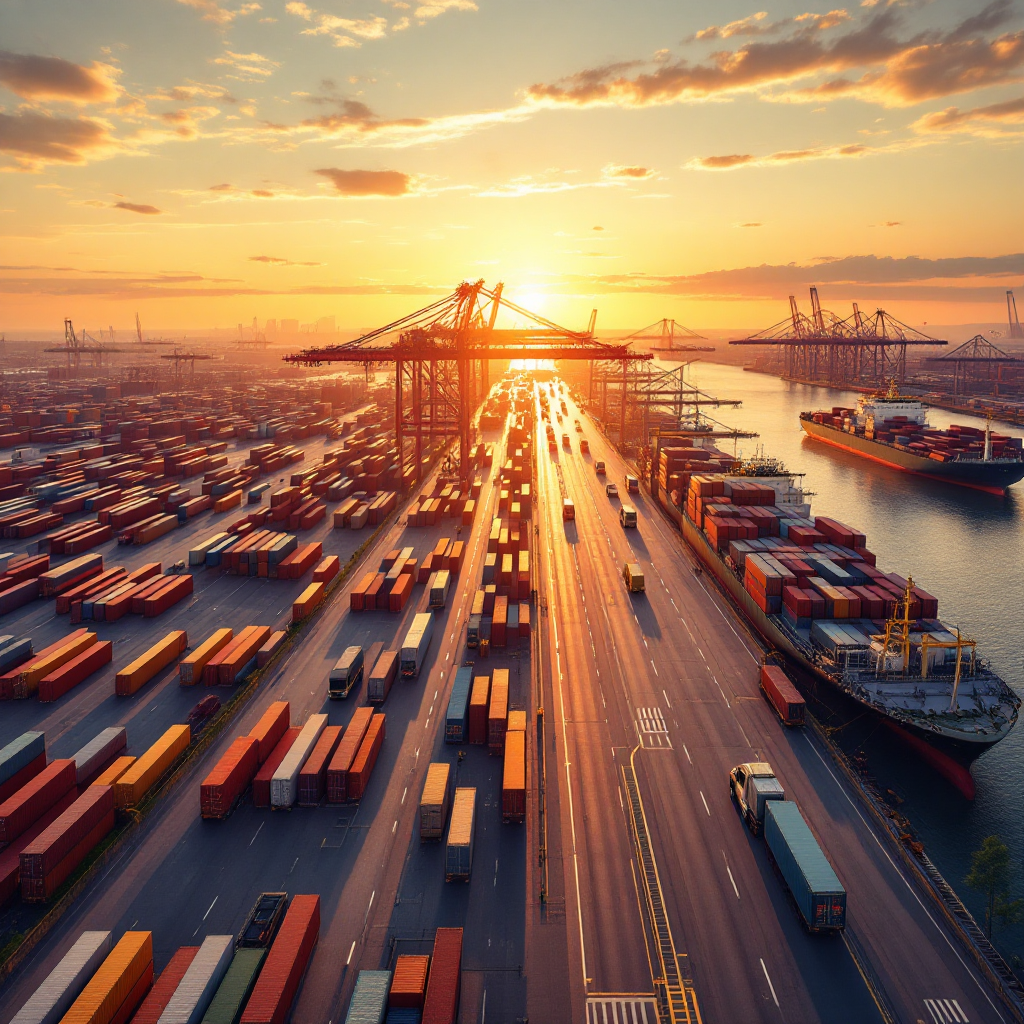
Understanding the Carbon Footprint of Port and Vessel Operations for Container Vessels
Defining the CARBON FOOTPRINT of container vessels and a container port requires clarity. In this context, carbon footprint covers direct and indirect carbon dioxide and related greenhouse gas emissions from ship engines, cargo handling, on-site energy use, and land-side transport. Together, these activities create an emissions profile that ports must measure and manage. For context, global shipping accounts for roughly 2–3% of global CO2 emissions, and ports contribute an additional share through truck movements, cargo handling, and on-dock power supplies. Therefore, quantifying this footprint begins with fuel use and extends to electricity sourcing and supply chain choices.
Metrics and reporting for CONTAINER VESSELS emissions rely on standardized units and frequent monitoring. For example, tonnes of CO2 per TEU moved, grams of CO2 per nautical mile, and fuel consumption per berth-hour are common. Port authorities and container terminal operators often publish emissions inventories and set emissions targets tied to throughput. In practice, measuring GHGS includes CO2, methane, and nitrous oxide, though CO2 remains the dominant focus because of its long-term climate forcing.
Reporting frameworks now guide transparent measurement. The International Maritime Organization and regional regulators expect ports and shipping companies to track fuel types, hours of auxiliary engine use at berth, and cargo handling equipment activity. Many ports use continuous monitoring for electricity use, while they estimate diesel use for trucks and cargo handling equipment. For terminals, data from quay cranes and yard equipment feed into emissions models that convert fuel and electricity use into CO2 and related metrics. To optimize reporting, terminals adopt digital tools and scenario models. For a deeper technical approach to terminal planning and vessel scheduling that lowers emissions, see the quay crane scheduling and container-terminal planning resources such as quay crane scheduling solutions and container terminal digitalization roadmaps. These resources help port authorities and operators set credible baselines and emissions targets for container ships, cargo-handling equipment, and land-side operations.
EMISSION REDUCTION through Electrification of SHIP and PORT Equipment
Electrification is one of the fastest ways to lower port emissions and to enable port decarbonization. By replacing diesel-powered cranes, trucks, forklifts and other cargo handling equipment with electric models, terminals can cut local pollution and reduce CO2 when grid electricity is low-carbon. Electrification also supports operational resilience by allowing equipment to use on-site energy storage during peak times. A number of pilot ports report that electrification and energy efficiency measures deliver up to 30–40% reductions in operational emissions when paired with cleaner power.
Another critical measure is shore power, often called shore power or “cold ironing.” Shore power lets a ship shut down its auxiliary engines while at berth and plug into port electricity. This step cuts air pollution near terminals and lowers CO2 if the electricity grid has low-carbon sources. The statement “Providing alternative energy sources for docked ships is a crucial step in reducing the carbon footprint of port operations” highlights this practice and why many ports adopt shore power systems to reduce ship-generated exhaust while at berth (source).
Fuel switching across shipping and port fleets has already yielded tangible benefits. For example, sulfur dioxide and PM2.5 from shipping saw an 81.3% decline after widespread fuel-switching policies and cleaner fuels were adopted in many ports and shipping fleets (ESSD study). That reduction shows how policy, technology and operational change combine to lower pollution. To plan equipment replacement and minimize crane idle time while electrifying quayside assets, terminals can study methods like reducing crane idle time, which pairs productivity gains with emissions benefits.
Electrification does require upfront investment in port equipment and port infrastructure. Yet the long-term savings in fuel costs, reduced pollution charges, and improved worker health often justify the cost. For operators wanting to align electrification with yard planning and vessel calls, tools for container terminal vessel planning can coordinate charging, berth windows, and equipment cycles to maximize operational efficiency while reducing emissions.
Drowning in a full terminal with replans, exceptions and last-minute changes?
Discover what AI-driven planning can do for your terminal
Green Port Operations: GREEN SHIPPING and SUSTAINABILITY in the MARITIME ECOSYSTEM
Green port strategies extend beyond electrification. First, ports must integrate renewable energy into their power mix. Installing on-site solar arrays, using wind turbines where feasible, and linking to low-carbon grids allow ports to operate with fewer emissions from stationary energy. IRENA models show renewable solutions in maritime can cut emissions by as much as 50% by 2050 when paired with efficiency and alternative fuels.
Second, circular-economy approaches to waste reduce environmental impact inside and around terminals. Advanced recycling of packaging, responsible disposal of ship waste, and reuse of materials from terminal projects lower pollution and costs. Design choices also matter. A sustainable port layout minimizes truck travel distances, reduces yard reshuffles, and shortens vessel turnaround. Optimizing yard flows improves throughput and lowers emissions. For techniques that reduce driving and reshuffles in terminal operations, readers can review approaches to reducing driving distances and reducing yard and gate congestion.
Third, ports must strengthen resilience and sustainability in the MARITIME ECOSYSTEM by planning for sea-level changes, storms, and energy disruptions. Sustainable port infrastructure includes microgrids, flexible power contracts, and energy storage. In practice, a green port that combines renewable energy, electrified equipment, circular waste practices and smart layout reduces the environmental impact of every container moved. Such integrated efforts support global trade while lowering pollution and improving worker health. Ports of Los Angeles and other major hubs are already testing combinations of these measures to prove their value.
Decarbonizing Ports: PORT DECARBONIZATION Strategies and SHIPPING COMPANIES Partnerships
PORT DECARBONIZATION requires both local action and shared investment with shipping companies. One major pathway is the adoption of LOW-CARBON FUELS and alternative fuel bunkering. Biofuels, hydrogen and ammonia offer routes to lower lifecycle carbon. Coordination with shipping companies helps create demand and builds bunkering infrastructure at scale. The IEA Bioenergy collaboration on maritime biofuels shows how ports and industry can overcome barriers to uptake and increase access to low-carbon fuel options (IEA Bioenergy).
Partnerships enable trial routes and shared investments in infrastructure. For example, ports and shipping companies can co-fund hydrogen bunkering pilots, test biofuel blends on container ships and standardize refuelling safety. These pilots reduce risk and help regulators craft pragmatic rules. Market-based measures and operational improvements at the ship-port interface can cut emissions significantly. Some studies indicate operational and market measures could deliver 20–30% reductions in many developing ports when scaled (study on developing countries).
To encourage action, incentives and carbon pricing shape investment cases. Grants, concessional loans and tax credits shorten payback times for electrification and bunkering projects. Port authorities can also set emissions targets and require greener calls for certain berths. For ports aiming to achieve net-zero emissions, aligning incentives across the maritime supply chain fosters faster uptake of clean fuels and new equipment. These policies work better when framed as a shared initiative between port authorities, terminal operators, shipping companies and national regulators.
Drowning in a full terminal with replans, exceptions and last-minute changes?
Discover what AI-driven planning can do for your terminal
Maritime Shipping Data: SMART Technologies for REDUCING THE CARBON and ENVIRONMENTAL FOOTPRINT
Advanced technologies are essential for scalable emission reduction and improved operational efficiency. Big data analytics, digital twins and AI-driven platforms allow ports to optimize vessel schedules, reduce waiting time, and lower fuel burn for both ships and trucks. For instance, digital replicas of terminal operations enable scenario simulation that highlights emissions trade-offs for different layouts and call patterns. See work on digital replicas for scenario simulation to learn practical steps for modeling operations and emissions.
IoT sensors provide real-time monitoring of fuel consumption and equipment usage. That data feeds AI agents that decide when to charge electric cranes, label urgent emails about vessel changes, or reroute trucks to less congested gates. By automatically routing and resolving operational messages, the platform reduces delays in decision-making that otherwise increase idle time and emissions. For example, faster replies to berth change requests reduce waiting times and lower emissions from ship auxiliary engines.
AI and optimisation tools also help ports optimize berth schedules and truck appointment systems. Integrating vessel planning tools with yard planning and truck appointments cuts idling and reduces the need for repositioning empty containers. Resources that cover AI-enhanced truck appointment systems and yard planning algorithms can guide these steps, such as AI-enhanced truck appointment systems and automated yard planning algorithms. By combining sensors, AI and human oversight, ports can measure emissions more precisely and implement continuous emission reduction cycles.
LONG BEACH and Global Examples of DECARBONIZATION in CONTAINER VESSELS and PORTS
The experience of LONG BEACH and neighboring ports shows how pilots scale into system change. Ports in California test large shore power installations, microgrids, and shore-to-ship hydrogen supply chains. These pilots demonstrate how port infrastructure upgrades deliver immediate local air quality benefits and long-term carbon reductions. For instance, shore power projects at major US terminals cut on-berth air pollutants and help lower CO2 when connected to cleaner electricity.
At a global level, IRENA provides a pathway that could reduce maritime carbon emissions by about 50% by 2050 through renewable energy, efficiency and alternative fuels. Meanwhile, studies show changes in fuel use have driven an 81.3% reduction in SO2 and PM2.5 from shipping where stricter fuel standards were applied (ESSD). These statistics make clear that policy, technology and international cooperation cut pollution at scale.
Best practices for scaling decarbonization across major container hubs include standardising shore power interfaces, investing in shared bunkering infrastructure for alternative fuel, and integrating operations through digital platforms. Ports and shipping companies must align on data, scheduling and investment timelines. The international maritime organization frameworks help by setting consistent reporting and technical guidelines. By combining local pilots like those in long beach with global policy pathways, the maritime shipping industry can achieve measurable emissions targets by 2030 and lay a credible path to net-zero emissions by 2050.
FAQ
What is the carbon footprint of a container port?
The carbon footprint of a container port includes CO2 and other greenhouse gas emissions from ship berthing, cargo handling equipment, on-site power generation and land-side transport. It also factors in indirect emissions linked to electricity sourcing and upstream fuel production.
How much do shipping and ports contribute to global emissions?
Global shipping contributes roughly 2–3% of global CO2 emissions, and ports add additional emissions through trucks, cranes and local energy use. See country and port-level reports for precise inventories because contributions vary by port size and energy mix (UNCTAD).
What role does shore power play in reducing pollution?
Shore power allows vessels to shut down auxiliary engines while at berth and use port electricity instead. This reduces local air pollution and, when paired with low-carbon electricity, cuts CO2 emissions. Many ports now install shore power to meet emissions targets.
Can electrifying cranes and trucks truly reduce emissions?
Yes. Electrifying cargo handling equipment and trucks cuts diesel use and local pollution. Pilot projects show up to 30–40% operational emissions reductions when electrification pairs with energy efficiency and cleaner power (MDPI).
Are alternative fuels a practical option for container ships?
Alternative fuels such as biofuels and hydrogen are being piloted and scaled. Collaboration between ports and shipping companies helps build bunkering infrastructure and market demand. Technical and logistic hurdles remain, but policy support accelerates adoption (IEA Bioenergy).
How do smart technologies help reduce emissions?
Big data, digital twins and IoT sensors optimize vessel scheduling, yard moves and truck flows. These technologies cut idle time and fuel use and enable real-time environmental footprint monitoring. AI platforms also automate operational emails to speed decisions and reduce delays.
What lessons come from Long Beach and other pilot ports?
Pilots in Long Beach prove that shore power, microgrids and alternative fuel trials work at scale. They also show that coordinated investment and regulation accelerate adoption and deliver measurable air quality and carbon benefits.
How can ports and shipping companies collaborate effectively?
Shared trials, co-investment in bunkering, common data standards and aligned emissions targets help cooperation. Market-based incentives and regulatory clarity further reduce risk for both ports and shipping companies.
What internal tools help terminals reduce emissions?
Tools for quay crane scheduling, vessel planning and yard optimization reduce idling and reshuffles. For practical methods, explore resources on quay crane scheduling and vessel planning optimization to align operations with decarbonization goals.
How quickly can ports reduce their environmental footprint?
Speed depends on funding, policy, and local energy mixes. Some measures, like shore power and electrifying trucks, cut local pollution quickly. Longer-term gains from fuel switching and grid decarbonization occur over years, but combined action can deliver meaningful results by 2030 and beyond.
our products
 stowAI
 stackAI
 jobAI
jobAI
Innovates vessel planning. Faster rotation time of ships, increased flexibility towards shipping lines and customers.
Build the stack in the most efficient way. Increase moves per hour by reducing shifters and increase crane efficiency.
Get the most out of your equipment. Increase moves per hour by minimising waste and delays.
stowAI
Innovates vessel planning. Faster rotation time of ships, increased flexibility towards shipping lines and customers.
stackAI
Build the stack in the most efficient way. Increase moves per hour by reducing shifters and increase crane efficiency.
jobAI
Get the most out of your equipment. Increase moves per hour by minimising waste and delays.