
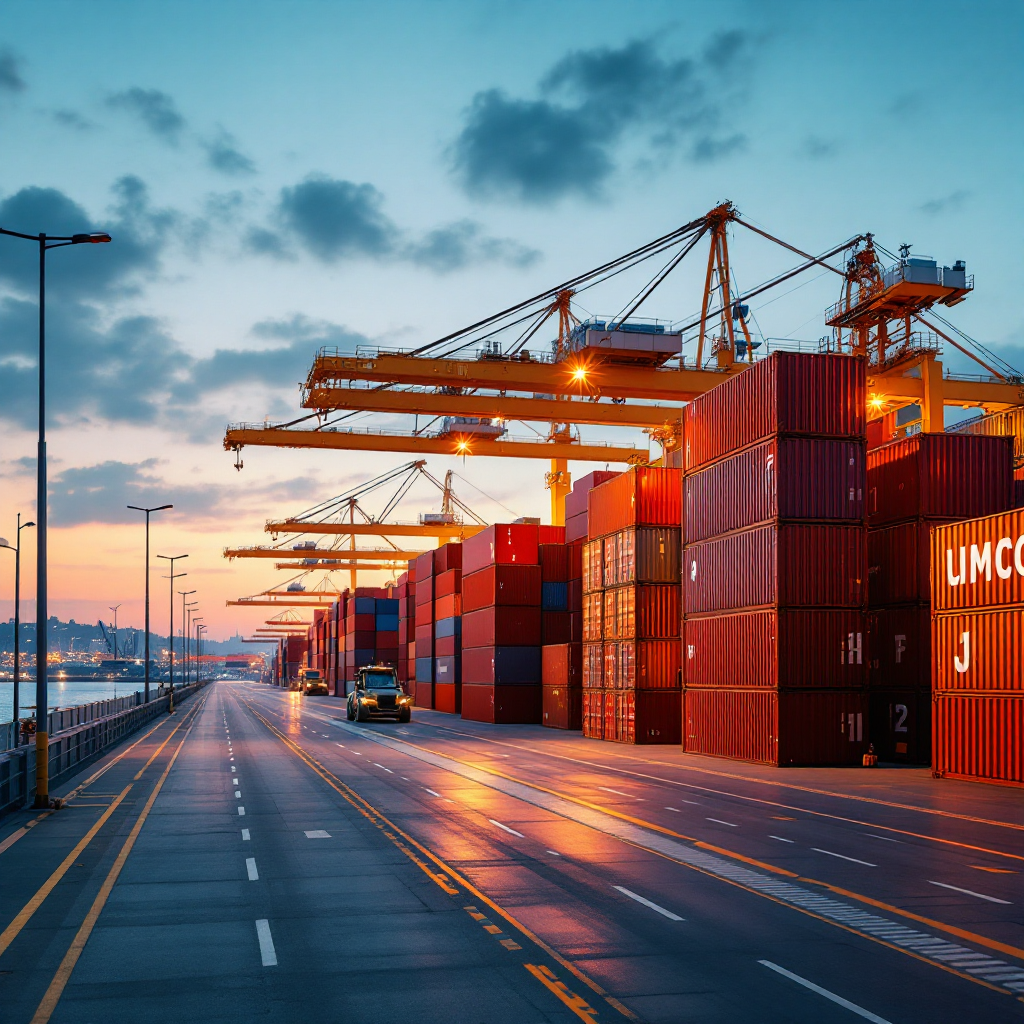
container terminal: Role in the Modern Supply Chain
A container terminal sits at the heart of maritime logistics. It receives, stores, and moves CONTAINER loads between vessels, trucks, and rail. For ports and shippers the container terminal functions as a nexus that links sea and land transport, and it shapes how fast cargo moves through a supply chain. As GLOBAL TRADE expands, container throughput and the ability to schedule berths become critical to competitiveness.
Operators measure success with a few clear KPIs. BERTH productivity tracks how many containers are handled per ship call. Crane efficiency measures crane moves per hour and influences vessel turnaround. YARD density and STACK organization affect yard space and rehandles. Terminal PRODUCTIVITY improvements of up to 20% have been reported at U.S. ports after adopting advanced planning and automation (Port Performance Freight Statistics). This statistic highlights why TERMINAL OPERATIONS leaders prioritize investments that enhance throughput and reduce dwell time.
Terminal OPERATORS face daily pressure from SHIPPING LINES, inland carriers, and cargo owners. A modern container terminal also provides visibility to external STAKEHOLDER groups, including freight forwarders and customs. To maintain flow the terminal must refine stowage plans, avoid bottleneck formation, and minimize costly rehandles. For further technical reading on yard planning decision support, see a specialized treatment of yard planning approaches and software container terminal yard planning decision support systems.
Finally, the role of a container terminal continues to change as digital tools become more central. Terminals worldwide must adopt systems that improve operational costs and operational efficiencies while keeping cargo moving. Those that do so will position themselves as preferred hubs for SHIPPING LINES and shippers.
container terminal planning and optimization: Core Concepts and Challenges
Container terminal planning combines short-term scheduling with long-term strategic choices. At its core the discipline addresses BERTH allocation, CRANE sequencing, and yard allocation. Quantitative methods such as integer programming, heuristics, and simulation have driven historical gains. As one review notes, “Operations research techniques have helped optimize container terminal operations over the past decades and have been a regular feature of maritime logistics and maritime supply chain literature” (systematic review). That statement summarizes how math and modeling underpin daily decisions.
AI now augments traditional operations research. Machine learning predicts arrival times, and prescriptive models propose allocation choices that minimize delays. Terminals use yard planning modules to sequence container movements, reduce rehandles, and refine stacking strategies. These modules can also support STOWAGE planning so that container pickups align with vessel calls. For a practical example of predictive repositioning of equipment to reduce non-productive moves see a targeted study on repositioning strategies predictive equipment repositioning.
Yet challenges remain. DATA quality often limits model effectiveness. Integration with LEGACY systems complicates deployment. Expectations sometimes outpace realized benefits; researchers caution that “expectations often exceed benefits and vice versa” (automation assessment). To PLAN properly terminals must set realistic goals, monitor metrics, and iterate on operational decisions. A focused container terminal planning effort can optimize container flows and minimize the typical bottleneck at the quay, but it requires consistent data and clear governance.
Drowning in a full terminal with replans, exceptions and last-minute changes?
Discover what AI-driven planning can do for your terminal
automation and purpose-built advanced software for terminal operations
Automation transforms physical workflows. AGVs, AUTOMATED STACKING CRANES, and remote quay cranes replace manual motions and reduce human error. Terminals that deploy these technologies report consistent throughput gains. In fact, a study found that “most of the benefits assumed by an individual terminal operator materialized once the automated terminal was in operation” (automation benefits). That finding supports investment in both hardware and SOFTWARE.
Purpose-built ADVANCED SOFTWARE, including ADVANCED OPTIMIZATION engines and OPTIMIZATION MODULES, orchestrates equipment and people. These modules sequence CRANE lifts, assign straddle carriers or AGVs, and plan yard STACK locations with minimal rehandles. Terminal teams can also use predictive models to reduce unproductive container moves and to refine cargo handling workflows; see an applied piece on reducing unproductive moves reducing unproductive container moves.
Digital twins enable scenario testing and resilience checks. As researchers note, “Broadening the range of data sources to include external port information enhances the accuracy of digital twin simulations” (digital twin). With a digital twin terminals can simulate peak weather, berth congestion, or delayed vessel arrival and then measure cost savings and operational impact before committing capital. Automated control plus simulation lets managers automate repetitive tasks and focus on strategic refinement.
container terminal management system (ctms) and real-time tos
A container terminal management system ties several modules into a single view. A CLOUD-BASED CTMS can host scheduling, yard planning, and reporting. It provides the management system backbone that connects a TERMINAL OPERATING SYSTEM with external feeds. A robust TOS integrates vessel calls, gate flows, and customs messages so operators can act quickly.
Real-time data acquisition is essential. IoT sensors on CRANE booms, smart gates, and chassis send continuous status updates. This REAL-TIME feed enables real time visibility of container management and equipment health. Real-time tracking of trucks and containers reduces dwell and improves equipment utilization. For terminals looking to orchestrate autonomous equipment, related real-time job scheduling research offers practical patterns real-time job scheduling for autonomous equipment.
CTMS, often abbreviated as ctms in procurement documents, also centralizes operational data and visibility. Live yard status widgets show STACK availability, predicted vessel offload, and gate queues. A single platform can optimize container movements and cargo handling plans, while dashboards highlight equipment utilization and maintenance needs. With a cloud-based solution terminals can deploy updates faster, leverage AI-driven alerts, and deliver consistent responses to SHIPPING LINES and road carriers. In practice, combining a CTMS with automated email agents reduces the time staff spend on repetitive messages, and that frees personnel to focus on higher-value operational goals.
Drowning in a full terminal with replans, exceptions and last-minute changes?
Discover what AI-driven planning can do for your terminal
seamless integration to streamline container and intermodal operations
Terminals do not operate in isolation. They must INTEGRATE with rail, road, and inland depots to move cargo smoothly. APIs and EDI standards connect systems, enable booking confirmations, and exchange arrival notices. A SEAMLESS single-window flow minimizes handoffs and reduces dwell at terminals. For guidance on how ports modernize their IT landscape and implement these links, the port digitalization roadmap outlines stepwise adoption patterns port digitalization roadmap.
Integration also reduces paperwork and manual routing. EDI messages like booking confirmations and yard release instructions cut processing time. A single-window integration example shows dwell reductions by up to 15% where gate receipts and clearance were automated, and where trucking companies received immediate yard position updates. That improvement matters because gate delays underpin many operational costs and cause truck queues that ripple into the hinterland.
Intermodal coordination demands clear workflows. Rail windows must match vessel berth slots. Truck appointment systems must match yard STACK capacity and turnaround plans. To streamline handoffs terminals use event-driven APIs that push updates to rail operators and freight forwarders. Those APIs can also feed CTMS dashboards so stakeholders see the same view of container status. Integration reduces rehandles, refines allocation of yard space, and keeps cargo flowing across modes. For deeper methods on integrating vessel and yard planning consult a targeted integration study integrating vessel planning and yard planning.
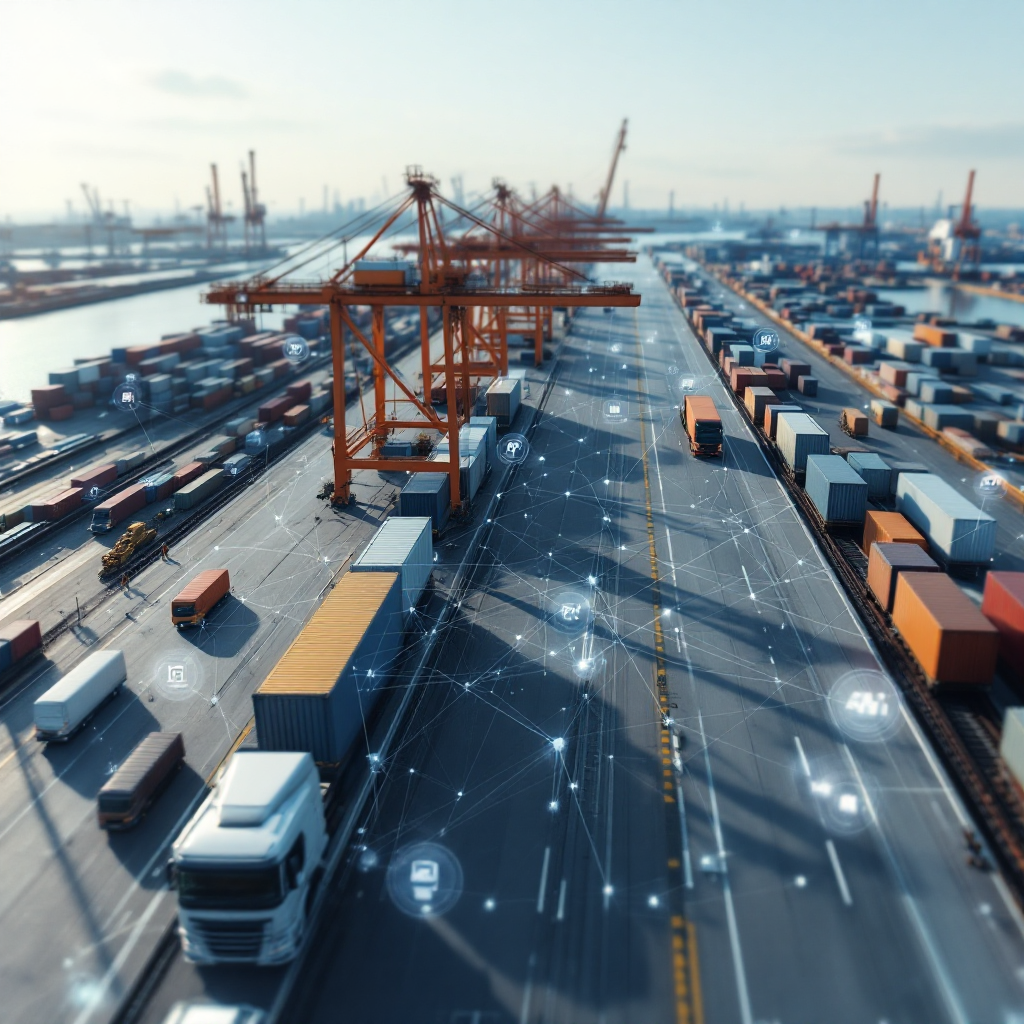
competitive edge through supply chain optimization
Advanced planning and a well-implemented CTMS give terminals a competitive edge. They reduce turnaround times and lower operational costs. When terminals use ADVANCED PLANNING and ADVANCED OPTIMIZATION together they can optimize container pick sequences and reduce rehandles. Those reductions translate into COST SAVINGS and better SERVICE for SHIPPING LINES and shippers.
KPI improvements are measurable. Terminals that adopt these capabilities have reported up to 20% higher handling rates and lower carbon emissions through fewer idle moves (automation assessment). Continuous improvement practices, such as feedback loops and performance dashboards, keep these gains durable. AI-driven alerts help staff react to deviations and refine operational goals. A market analysis also projects strong growth for automated terminal investments through 2030 as terminals expand their use of automation and advanced optimization (market report).
To optimize container terminal operations over the long term terminals should leverage data-driven decision making and a modular approach. A module that handles predictive equipment tasks can coexist with a module that manages gate appointments. This modular design makes it easier to DEPLOY upgrades and to scale functionality as operational needs change. For research on equipment task allocation and its benefits see targeted AI-driven approaches to task allocation AI-driven equipment task allocation.
Finally, the human dimension matters. The NEEDS OF TERMINAL OPERATORS must guide automation choices. Training, clear workflows, and change management ensure that technology delivers real operational efficiencies and a lasting competitive edge across terminals worldwide.
FAQ
What is a container terminal?
A container terminal is a facility where CONTAINER loads are transferred between ships and land transport. It includes quays, yard stacks, cranes, gates, and IT systems that support cargo flow.
How does a CTMS differ from a TOS?
A CTMS focuses on higher-level container terminal management and may include scheduling, analytics, and integration modules. A TERMINAL OPERATING SYSTEM (TOS) typically handles transaction-level gate and yard operations and integrates with CTMS for full visibility.
Can automation really improve productivity?
Yes. Studies report measurable productivity gains after automation and software deployment. For example, some terminals saw most expected benefits materialize only after automated systems became operational (automation benefits).
What are common challenges when implementing advanced planning?
Common issues include data quality, integration with legacy systems, and stakeholder alignment. Terminals must set realistic expectations and maintain continuous refinement of models to meet operational goals.
How important is real-time tracking?
Real-time tracking supports decision-making and reduces dwell. It improves EQUIPMENT UTILIZATION and helps staff respond to delays before they cascade.
What role does AI play in terminal planning?
AI predicts arrivals, suggests allocation choices, and flags anomalies. Combined with operations research, AI helps optimize container movements and minimize bottleneck effects.
How do terminals integrate with rail and road partners?
APIs and EDI standards enable data exchange between terminals, rail operators, and truckers. Single-window approaches and event-driven APIs reduce handoffs and lower dwell times.
Are digital twins useful for sustainability assessments?
Yes. Digital twins simulate operational scenarios and measure environmental impact. Expanding data sources into external port feeds increases simulation accuracy (digital twin).
What immediate gains can terminal operators expect?
Immediate improvements often include clearer visibility, fewer manual emails, and faster gate handling.
Where can I read more about practical optimization techniques?
There are many focused resources on yard planning, equipment repositioning, and integration. For example, research on predictive equipment repositioning and yard planning decision support offers practical methods predictive equipment repositioning and container terminal yard planning decision support systems.
our products
 stowAI
 stackAI
 jobAI
jobAI
Innovates vessel planning. Faster rotation time of ships, increased flexibility towards shipping lines and customers.
Build the stack in the most efficient way. Increase moves per hour by reducing shifters and increase crane efficiency.
Get the most out of your equipment. Increase moves per hour by minimising waste and delays.
stowAI
Innovates vessel planning. Faster rotation time of ships, increased flexibility towards shipping lines and customers.
stackAI
Build the stack in the most efficient way. Increase moves per hour by reducing shifters and increase crane efficiency.
jobAI
Get the most out of your equipment. Increase moves per hour by minimising waste and delays.