
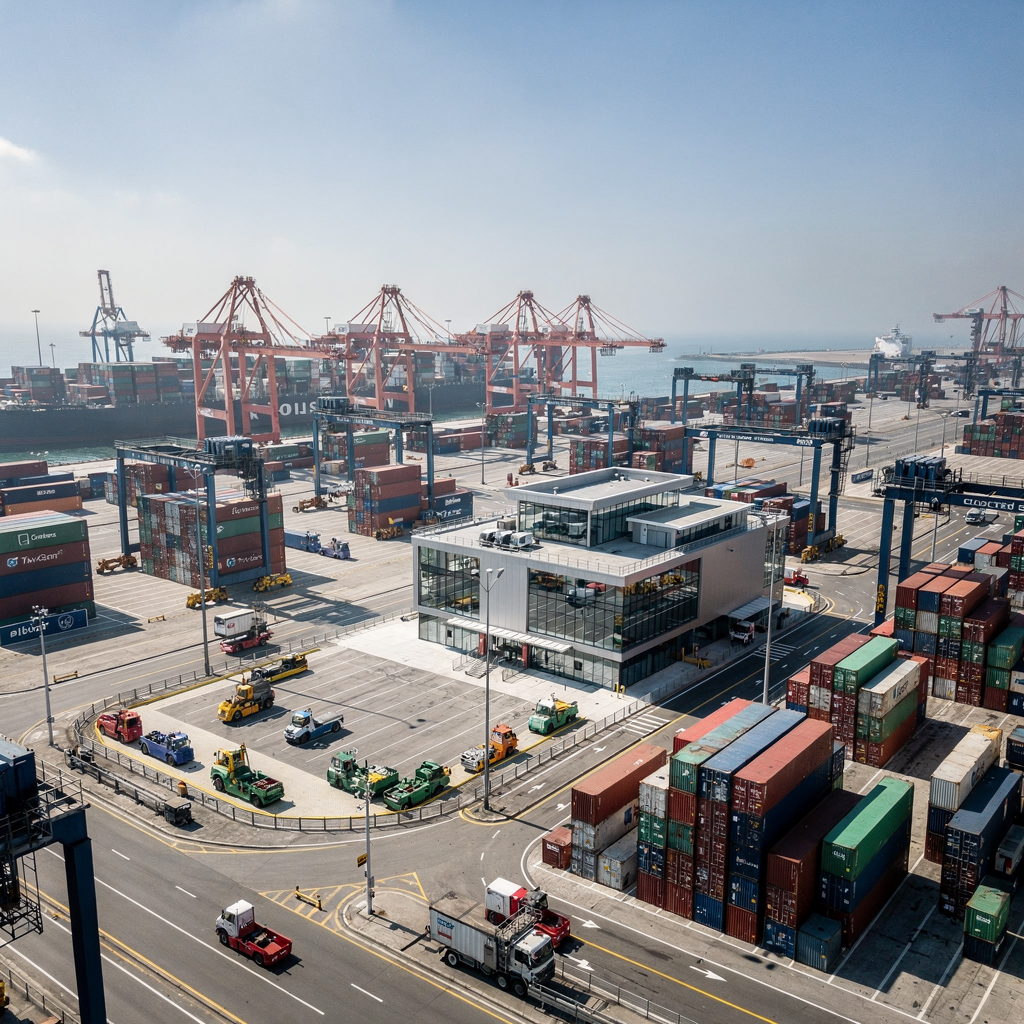
digital transformation in the maritime industry
Digital transformation now shapes how modern ports operate and compete. In a single phrase the term captures how digital technologies change processes, roles, and outcomes across the terminal and wider maritime ecosystem. For example, smart ports such as Singapore and Rotterdam use sensor networks, advanced scheduling, and automated equipment to reduce vessel delays and lower energy use. Singapore and Rotterdam offer concrete models that show how integration pays off; Singapore has emphasized automation and data exchange, and Rotterdam has combined analytics with sustainability targets. These examples support the idea that digital transformation in the maritime sector can deliver measurable gains in throughput and sustainability. A 2023 industry report found terminals that adopted comprehensive solutions achieved a 20–30% increase in operational throughput, and also cut turnaround times by 15%.
The role of digital technologies goes beyond equipment. Digital tools such as Terminal Operating Systems and APIs enable better planning, and real-time visibility lets teams act faster. As a result, teams can optimize berth planning and landside allocation while they reduce idle time and waste. Efficiency gains flow from better communication and data, and from automated decision-making that reduces manual rework. For terminals use digital systems to orchestrate moves, the result is more predictable vessel turnaround and lower fuel consumption. In addition, this digital approach improves transparency for supply chain partners, and it helps ports meet sustainability targets. Smart monitoring and automation have driven up to 25% energy savings in leading smart port pilots. The shift to data-driven operations also creates a competitive advantage for terminals that align strategy with digital maturity, and it sets the stage for next-generation optimization with AI and analytics.
port digitalization: current challenges and opportunities
Port digitalization faces both impediments and openings. Legacy hardware, fragmented communication and data flows, and siloed software often block progress. Many terminals still run on aging terminal operating stacks that struggle to support real-time data exchange and new digital processes. A gap analysis usually reveals weak network links, limited sensor coverage, and TOS modules that lack modern APIs. At the same time, rising demand in global container movement and tighter sustainability targets create strong incentives to change. For example, over 70% of operators identify data integration and real-time visibility as top priorities for digital transformation efforts, which highlights how common the problem has become (industry survey).
Data security and standardisation represent another hurdle. Ports must prevent non-compliance and secure communication and data while they share external data with customs, carriers, and freight forwarders. Standards such as UN/CEFACT reduce paperwork and errors; a UN study showed digital corridors can cut manual entry mistakes by about 40%. Yet interoperability still lags, and different actors use varied data models. Quick wins exist. Pilots that pair low-code integration with focused hardware upgrades can digitize a gate or a yard block quickly, and then scale. These pilot projects often produce measurable reductions in waiting times and rehandles, and they build momentum for broader adoption.
Operationally, the most promising opportunity is to shift from reactive firefighting to planned optimization. Reinforcement learning agents, for instance, can simulate millions of strategies and propose policies that surpass historical rule engines. Our approach at Loadmaster.ai uses a digital twin to train RL agents that then manage quay and yard allocation, and this reduces rehandles while increasing crane utilization. By combining upgrades to network and sensors with secure APIs and modern TOS integration, terminals can tackle their biggest bottleneck: inconsistent performance across shifts. The key is to start small, measure results, and expand. Pilot successes create buy-in and help justify the capital needed to modernize the entire terminal infrastructure.
Drowning in a full terminal with replans, exceptions and last-minute changes?
Discover what AI-driven planning can do for your terminal
roadmap for digital transformation: assessing infrastructure and ecosystems
Creating a robust roadmap requires an honest gap analysis of existing systems. Start by auditing Terminal Operating Systems, internet of things deployments, and Electronic Data Interchange flows. Map TOS modules, terminal operating constraints, and telemetry endpoints to find where upgrades will yield the largest returns. For example, many terminals lack consistent real-time data feeds from yard operations and quay cranes. A formal gap study also identifies which hardware needs replacement, which software needs patching, and which network segments must scale to support higher throughput. This process produces the baseline that informs your strategy roadmap.
Next, map the stakeholder ecosystem. Include terminals, shipping lines, customs, freight forwarders, and inland operators. Clear communication and data sharing form the backbone of an interoperable system. Use standards and APIs to reduce friction, and ensure your plan protects data while it increases visibility. Integration is not just a technical task; it is an organizational one. Align governance, roles, and escalation paths so that new digital processes stick. Plan investments from network upgrades through API deployments, and sequence them so pilots show wins early. Prioritise upgrades that unblock multiple workflows at once; for instance, extending reliable real-time data feeds from gates and RTGs will immediately improve berth planning and reduce yard congestion.
KPIs should guide the roadmap. Choose measurable targets such as vessel turnaround, throughput, and a reduction in rehandles. Use a phased approach: initiate a pilot block, validate performance indicators, then scale. Digital twins and simulation help forecast outcomes before you touch physical assets. For teams that want to learn more about simulation-first AI and sandbox training, see our exploration of simulation-first AI for inland container terminal optimization. Finally, ensure your roadmap for digital transformation includes training and change management so that staff adopt new tools and sustain gains.
digital solutions for container port efficiency
Digital solutions now cover a wide spectrum from Terminal Operating Systems to AI-driven analytics. A modern TOS coordinates moves, records allocations, and supports electronic handoffs. When TOS capabilities combine with ai-led analytics, planners can anticipate congestion and re-balance workloads. AI-driven decision support can recommend sequences that minimize shifters and shorten handling times. For instance, reinforcement learning agents can produce vessel stow plans that reduce crane idle time and lower travel distances in the yard. These agents find policies rather than imitate historic routines, which improves performance even in changing conditions.
The internet of things provides the sensory layer. IoT sensors on quay cranes, RTGs, trucks, and gates deliver real-time yard and quay monitoring data. That data supports predictive maintenance, and it feeds analytics that spot bottlenecks before they grow. For predictive maintenance and equipment scheduling, AI models forecast failures and schedule interventions during low-activity windows. This reduces unplanned downtime, and it saves maintenance costs.
EDI and APIs handle the handoffs. Seamless data exchange with shipping lines, customs, and freight forwarders removes repetitive paperwork and accelerates clearances. For a practical guide to data interfaces, review our piece on interfaces for data exchange with existing port operations TOS. Integration work must prioritize security and interoperability so that external data becomes actionable quickly. Together, TOS, IoT, and ai-driven analytics form an ecosystem that optimizes the container shipping flow from berth to gate. This combination reduces inefficiency, increases throughput, and supports smarter berth planning and landside coordination across the maritime supply chain.
Drowning in a full terminal with replans, exceptions and last-minute changes?
Discover what AI-driven planning can do for your terminal
milestone planning for terminal digitization and stakeholder engagement
Define milestones that are clear and measurable. Typical milestones include pilot initiation, pilot validation, scale-up, and full roll-out. Each milestone should include a set of kpis and acceptance tests. For pilots, keep the scope tight: pick a yard block or a set of cranes, ensure sensors and communications are adequate, and define the expected throughput and vessel turnaround improvements. After a successful pilot, scale in staged phases so you limit risk and gather organizational learning. This staged rollout helps teams adapt and prevents system-wide disruption.
Training and change management are essential. Design hands-on training programs that pair operators with the new tools, and set up human-in-the-loop workflows to preserve trust. Use coaching, simulation sessions, and gradual autonomy increases so staff see how ai-driven recommendations improve daily work. Our JobAI and StackAI approaches, for example, train in a sandbox environment and then introduce live feedback loops to ensure operational guardrails remain in place. For readers interested in measuring impact, our study on measuring ROI of AI in deepsea container terminals provides methods to quantify benefits.
Choose performance indicators that matter. Typical performance indicators include throughput increase, turnaround-time reduction, energy savings, and fewer rehandles. Also include organizational metrics such as staff adoption rates and reduction in ad hoc decision-making. Set baselines, and run A/B comparisons when possible. Finally, communicate results regularly to stakeholders. Regular reporting builds trust and it secures budgets for future phases. Achieving early wins helps align the organization and paves the way for more ambitious automation and broader adoption across the terminal.
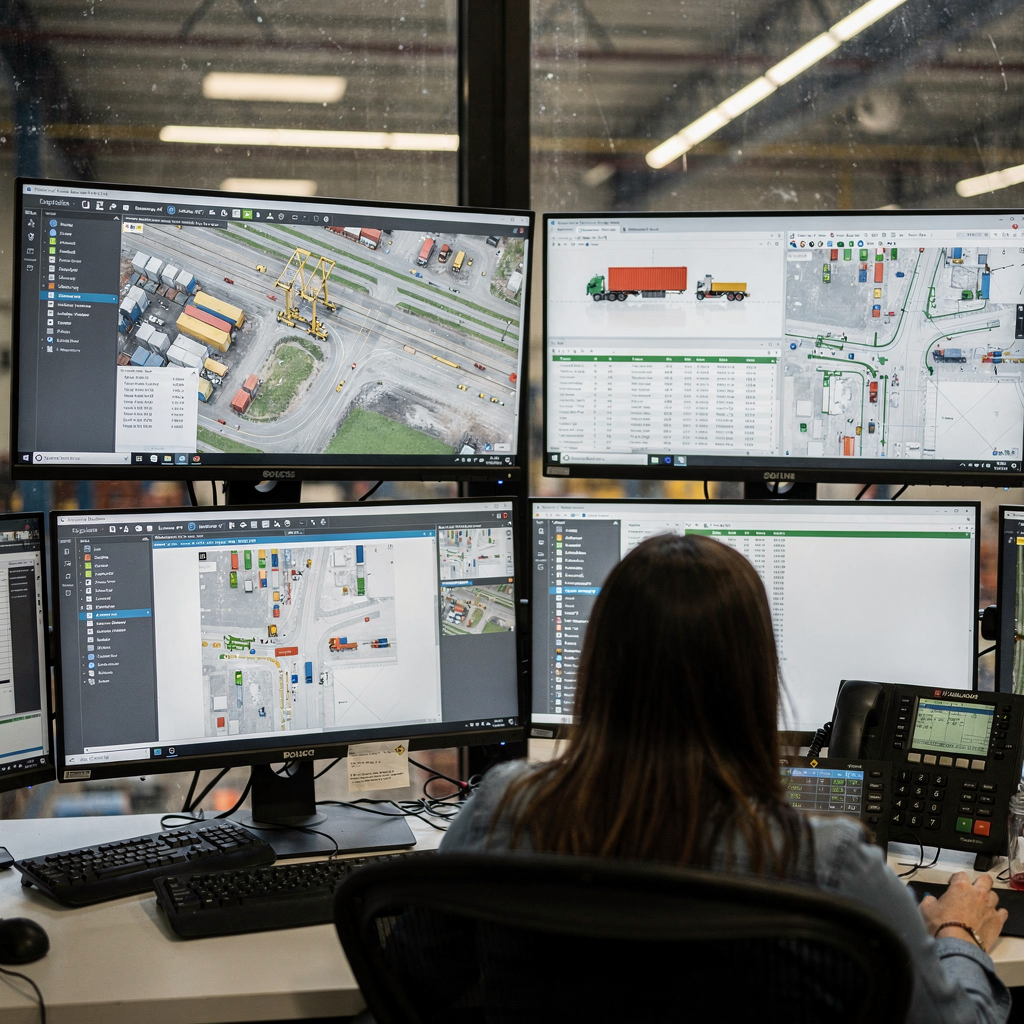
roadmap: next milestones in port digitalization
The next phase typically adds advanced analytics, ML-based maintenance forecasting, and standards-driven digital corridors. Integrate machine learning models that forecast equipment failures and resource needs, and then schedule maintenance to reduce downtime. Use digital twins to test strategies and to forecast outcomes under different scenarios. Planning for sustainable digital corridors using UN/CEFACT standards helps reduce paperwork and expedites customs procedures; the UNECE report shows significant time and error reductions when standards are applied (UN study). These corridors also open possibilities for broader adoption of data-driven orchestration across regions.
Future phases should include pilots for blockchain and autonomous vehicles, and they should coordinate green energy management. Blockchain can create auditable records for cargo and customs, and autonomous vehicles can lower labor costs while they improve predictability. Green energy management supports sustainability goals and can yield measurable energy reductions when paired with smart scheduling. Smart port initiatives that combine these elements create a resilient platform for long-term growth. For example, smart allocation of moves can cut fuel and idle time, and AI can help orchestrate equipment to meet both productivity and sustainability targets. See our research on sustainable port operations with AI for examples.
Finally, build the organization that can sustain change. Develop digital capabilities across teams, add governance for data models and interoperability, and create a center that can manage digital twins and continuous learning. Each milestone should produce measurable outcomes so you can justify the next investment. When you plan carefully, the roadmap becomes a sequence of workstreams that transform the terminal into a data-driven hub for global container movement. As a next step, teams should initiate pilots that test advanced policies and then scale successful tactics across the global port network.
FAQ
What is the difference between digitalization and digitization in ports?
Digitization means converting paper processes into electronic formats, while digitalization refers to using digital technologies to redesign workflows and deliver value. In a port, digitization might be scanning manifests, and digitalization would be redesigning gate, yard, and berth processes to run on a unified platform.
How do I start a roadmap for digital transformation at my terminal?
Begin with a gap analysis of your Terminal Operating System, internet of things coverage, and EDI flows, and then map stakeholders and priorities. Initiate a focused pilot with clear KPIs, measure results, and then scale what works while you build organizational capability.
Which KPIs should a port track during digital initiatives?
Track throughput, vessel turnaround, rehandles, and energy consumption, and also monitor organizational metrics like staff adoption. These measurable metrics provide a clear link between investments and outcomes.
Can AI work without historical data at a terminal?
Yes. Reinforcement learning can train in a digital twin to generate experience and policies without relying on historical logs. This approach reduces the risk of repeating past inefficiencies and supports cold-start deployments.
What quick wins can a port deliver early in the digital transformation?
Pilots that extend real-time data to gates or a yard block usually show rapid benefits, and low-code integrations accelerate API-based exchanges. These projects often reduce waiting times and improve predictability quickly.
How important are standards like UN/CEFACT for ports?
Standards enable interoperability and reduce manual data entry, which accelerates customs clearance and reduces errors. The UN findings show that digital corridors built on standards can cut paperwork and mistakes significantly.
What role do IoT sensors play in efficiency?
IoT sensors provide the real-time data needed for predictive maintenance, yard visibility, and congestion detection. This real-time data turns operations from reactive to proactive.
How should terminals manage cybersecurity during digitalization?
Adopt secure APIs, enforce strong access controls, and apply encryption for data in transit and at rest, and implement governance for external data sharing. Regular audits and compliance checks reduce risk and support trusted integration.
What training is needed for staff during digital initiatives?
Provide hands-on training, simulation sessions, and human-in-the-loop workflows so staff learn practical use-cases and trust automated recommendations. Continuous coaching and phased autonomy help preserve operational knowledge while improving consistency.
How can terminals measure ROI from AI and digital transformation?
Define baseline metrics before pilots, and then measure changes in throughput, turnaround, rehandles, and energy usage; monetize time savings and reduced fuel. Use controlled experiments or A/B testing to attribute improvements directly to the technology.
our products
 stowAI
 stackAI
 jobAI
jobAI
Innovates vessel planning. Faster rotation time of ships, increased flexibility towards shipping lines and customers.
Build the stack in the most efficient way. Increase moves per hour by reducing shifters and increase crane efficiency.
Get the most out of your equipment. Increase moves per hour by minimising waste and delays.
stowAI
Innovates vessel planning. Faster rotation time of ships, increased flexibility towards shipping lines and customers.
stackAI
Build the stack in the most efficient way. Increase moves per hour by reducing shifters and increase crane efficiency.
jobAI
Get the most out of your equipment. Increase moves per hour by minimising waste and delays.