
Port automation and automation fundamentals in brownfield vs greenfield project planning
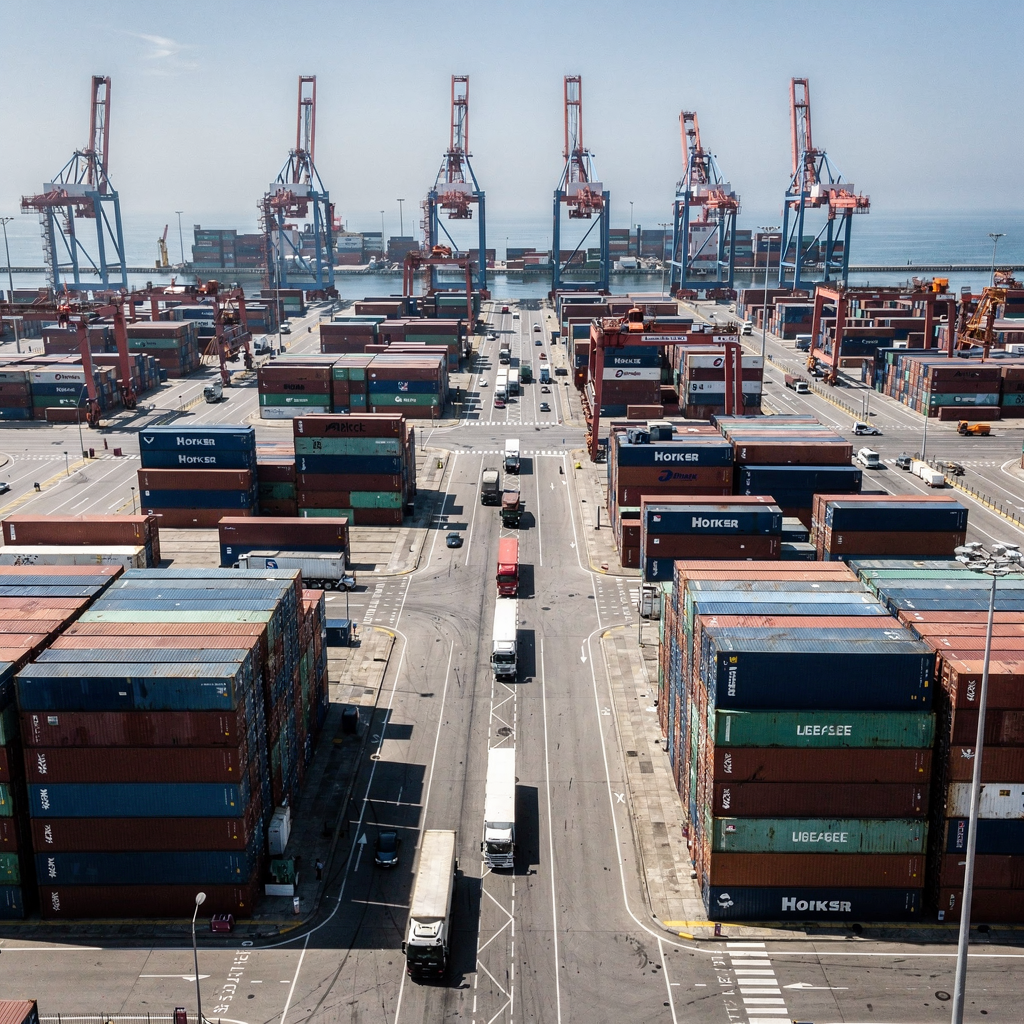
Port automation starts with a clear definition. It means using machines, software, and control logic to automate repetitive tasks and decision loops in a container terminal. In practice, automation covers hardware such as automated stacking cranes and automated guided vehicles, and software like yard-management and AI-driven scheduling. First, automation reduces manual processes. Second, it raises operational efficiency and helps terminal operators manage complexity in real time. For a pragmatic view, compare brownfield with a greenfield project. A brownfield site refers to an existing terminal area with historical layout and constraints. In contrast, a greenfield site offers a blank canvas and the option of building a new facility that is optimised for flow from day one. This greenfield vs brownfield choice drives design, cost and timing.
Brownfield automation focuses on retrofit and systems integration. It must work with legacy systems and existing structures. That means engineers must determine the current status of hardware, software and yard geometry before they implement upgrades. Brownfield project work often uses a phased approach that allows for a phased rollout and uninterrupted service. By contrast, a greenfield project lets teams build from scratch. They can place quay cranes, yard blocks and gate areas to reduce internal travel distance. For ports with land constraints, brownfield endeavors are often the only realistic path. For planners with ample undeveloped land, the automated greenfield path may be preferable.
Costs and timelines differ. Brownfield automation budgets usually range from $50–150 million. Greenfield builds commonly need capital beyond $300 million because of civil works and new facilities. The implementation of automation in brownfield projects typically takes 3–5 years, while a fully automated terminal built from scratch can be operational in about 2–3 years. Industry studies report that Brownfield projects tend to achieve 15–25% capacity gains after retrofitting, whereas optimised greenfield terminals can exceed 50% productivity gains [Efficiency and productivity in container terminal operation]. These numbers drive investment choices. For example, a port authority weighing investment must balance short-term disruption against long-term optimisation.
When introducing automation, consider load and schedule. Tools such as digital twins and AI let teams simulate scenarios and limit disruption. Loadmaster.ai uses reinforcement learning agents to train policies in a digital twin. This technique helps ports test automation strategies without risking live operations. In sum, deciding whether to automate an existing brownfield facility or pursue an automated greenfield build begins with site constraints, budget, and future business forecasts. Next, evaluate specific site characteristics and retrofit strategies.
Characterising brownfield sites and greenfield site designs for container terminal efficiency
Brownfield site refers to an existing terminal area with a fixed yard geometry. Such sites often show space constraints, mixed equipment, and patchwork IT landscapes. In many brownfield sites yard blocks were designed for previous container mixes. That legacy leads to bottlenecks at gate operations, quay interfaces and within stacking lanes. Brownfield facilities must support existing traffic while upgrades proceed. For example, existing brownfield warehouses and storage blocks can limit where new automation equipment is placed. Planners must manage interfaces between new automation systems and an existing system, and they must carefully add automated warehouse elements without halting cargo flow. This complexity defines the retrofit scope.
By contrast, a greenfield site offers a blank canvas. Planners can design quay access, optimised traffic flow, and integrated quayside access that reduces crane idle time. With a blank canvas, teams plan gate layout, truck lanes and buffer areas to minimise interference. An automated greenfield design lets engineers align conveyor systems, automated guided vehicles and automated storage and retrieval systems to a common control plane. Because the layout is coherent, throughput and operational efficiency scale better in the long run. A greenfield port can be future-proofed with space for battery charging, maintenance, and data centres.
Throughput effects matter. Data indicate that a retrofitted brownfield site typically gains about 15–25% throughput after automation, while a purpose-built automated site can increase throughput by 30–40% or more and, in some studies, exceed 50% [Assembling The Puzzle Pieces Of Digital Transformation]. These statistics help justify the choice between retrofit and building new. For a port with limited land, optimising an existing layout is the right path. For a port with abundant undeveloped land and ambitious trade forecasts, building a new automated terminal offers superior long-term returns.
Site-specific design choices also affect maintenance, resilience and staffing. Brownfield yards often require upgrading power distribution and communications to be compatible with modern automation equipment. Conversely, a greenfield site lets teams adopt modern power and data trunks during civil works. Both cases need clear systems integration plans. For planners who want practical guidance, resources such as stacking optimization techniques and ASC scheduling are useful; readers can explore stacking techniques further at an analysis of container stacking optimisation container stacking optimisation techniques. Finally, whether you choose retrofit or build, align the design to your supply chain and to long-term operational targets.
Drowning in a full terminal with replans, exceptions and last-minute changes?
Discover what AI-driven planning can do for your terminal
Retrofit strategies for automating a brownfield project: warehouse automation and logistics upgrades
Retrofit strategies must prioritise the least disruptive, highest ROI changes first. Begin with an assessment to determine the current status of equipment, software and yard flows. Then list quick wins that reduce manual handling and rehandles. A common early move is crane modernisation. Upgrading crane control and vision systems often enables automated moves without replacing every crane. Next, add yard automation such as automated guided vehicles and semi-automated straddle carriers. These systems cut travel time and reduce unnecessary shifts. For example, integrating automated guided vehicles improves internal transport and enables better sequencing between quay and yard.
Warehouse automation in brownfield efforts often combines WMS upgrades and selective hardware retrofits. Implementing automated storage and retrieval systems in constrained blocks can free up ground space. Upgrading warehouse management lets planners coordinate inbound and outbound flows more tightly. An automated warehouse module can handle repetitive stacking and retrieval while the yard still handles complex exceptions. To streamline this, use digital twins for simulation and to test integration before live rollout. In many terminals, Loadmaster.ai trains agents in a digital twin to optimise stow and stack decisions and to reduce rehandles. This approach reduces surprises during implementation of automation and supports a Cold-start ready deployment.
Logistics upgrades complete the stack. Real-time tracking, yard-management systems and gate automation improve throughput and reduce dwell time. Gate operations are a common pain point in brownfield projects. Automating gate checks and linking them to the TOS reduces queueing. Also, adopt predictive berth and berth-window tools to smooth quay schedules. To make these changes work, focus on systems integration between the TOS, yard WMS, and automation equipment. Many brownfield automation initiatives succeed when planners stage pilots in low-risk blocks, then scale up.
A retrofit must balance disruption and improvement. Use phased milestones to keep the terminal operational and to measure efficiency and cost savings at each step. A clear governance model and buy-in from terminal operators and shipping lines reduces resistance. You should also budget for staff retraining and for temporary performance dips during cutover. For a deeper look at risk during TOS integration read about risk mitigation techniques during TOS integration in inland container terminals risk mitigation during TOS integration. Finally, measure success with KPIs that matter: crane utilisation, moves per hour, average dwell and energy per move.
Phase-wise roadmap to automate port terminal operations with automation technologies
A practical implementation process begins with assessment, then moves through pilot deployment, scale-up and full operation. Phase one is assessment. Here you determine the current status of equipment, IT and yard flows and you quantify constraints such as existing infrastructure and existing facilities. Phase two is pilot deployment. Pick a pilot block or lane, then introduce automation systems such as automated guided vehicles, automated stacking cranes or robotics. Phase three is scale-up. Extend the pilot into more blocks, integrate more automation equipment, and refine control policies. Phase four is full operation where the site runs under new procedures and monitoring tools. Each stage reduces risk and preserves continuity while you implement automation at scale.
Key automation technologies include AI-driven scheduling, digital twins, robotics and automated storage and retrieval systems. AI allows planners to look ahead and adapt plans dynamically. For instance, reinforcement learning agents can coordinate quay, yard and gate jobs simultaneously. This reduces rehandles and balances workload across equipment pools. Digital twins let teams simulate millions of scenarios. That removes the need to rely solely on historical data. A live example of predictive modeling applied to berth planning is available in predictive berth availability modeling studies predictive berth availability modeling.
Risk mitigation is essential at every rollout stage. Use guardrails in the software to prevent unsafe actions. Also, use staged cutovers so that manual processes can take over if needed. Communicate clearly with terminal operators and with labor unions. Maintain spare parts and diagnostic support for new equipment. To reduce disruption, coordinate change windows and run validation tests in a sandbox environment. Loadmaster.ai’s approach trains agents in a digital twin, ensuring safe operation before go-live. This reduces operational risk during the implementation of automation.
Finally, monitor KPIs continuously and iterate. Use automated alerts for anomaly detection and predictive maintenance. That makes the terminal more resilient to delays and equipment failures. If you want to explore how AI can identify hidden capacity, see a study on identifying hidden capacity with AI in container terminals identifying hidden capacity with AI. A phased, measured rollout lets teams achieve long-term optimisation without major disruption.
Drowning in a full terminal with replans, exceptions and last-minute changes?
Discover what AI-driven planning can do for your terminal
Warehouse layout and operations in port automation: integrating brownfield infrastructure
Adapting an existing warehouse layout to autonomous equipment requires careful planning. Start by mapping current flows and then define new flow patterns that minimise travel distance. Slotting changes are often a high-impact, low-cost move. Place high-turn SKUs near outbound gates and near quay interfaces so that cranes and trucks cross fewer paths. Also, widen aisles selectively to allow safe passage for automated guided vehicles while preserving storage density. Balancing aisle width and density is critical when retrofitting an existing warehouse in a brownfield yard.
Buffer areas and staging zones deserve attention. Add buffer sizing that absorbs variability in vessel arrival and gate peaks. This prevents quay cranes from waiting during short disruptions. For material handling, introduce conveyor systems where possible to reduce truck moves in tight blocks. At the same time, maintain manual handling lanes for exception loads. This hybrid setup helps terminals streamline operations and remain compatible with modern automation equipment. For a practical guide on reducing fuel and optimising equipment moves see optimising equipment moves to save fuel in terminal operations optimising equipment moves.
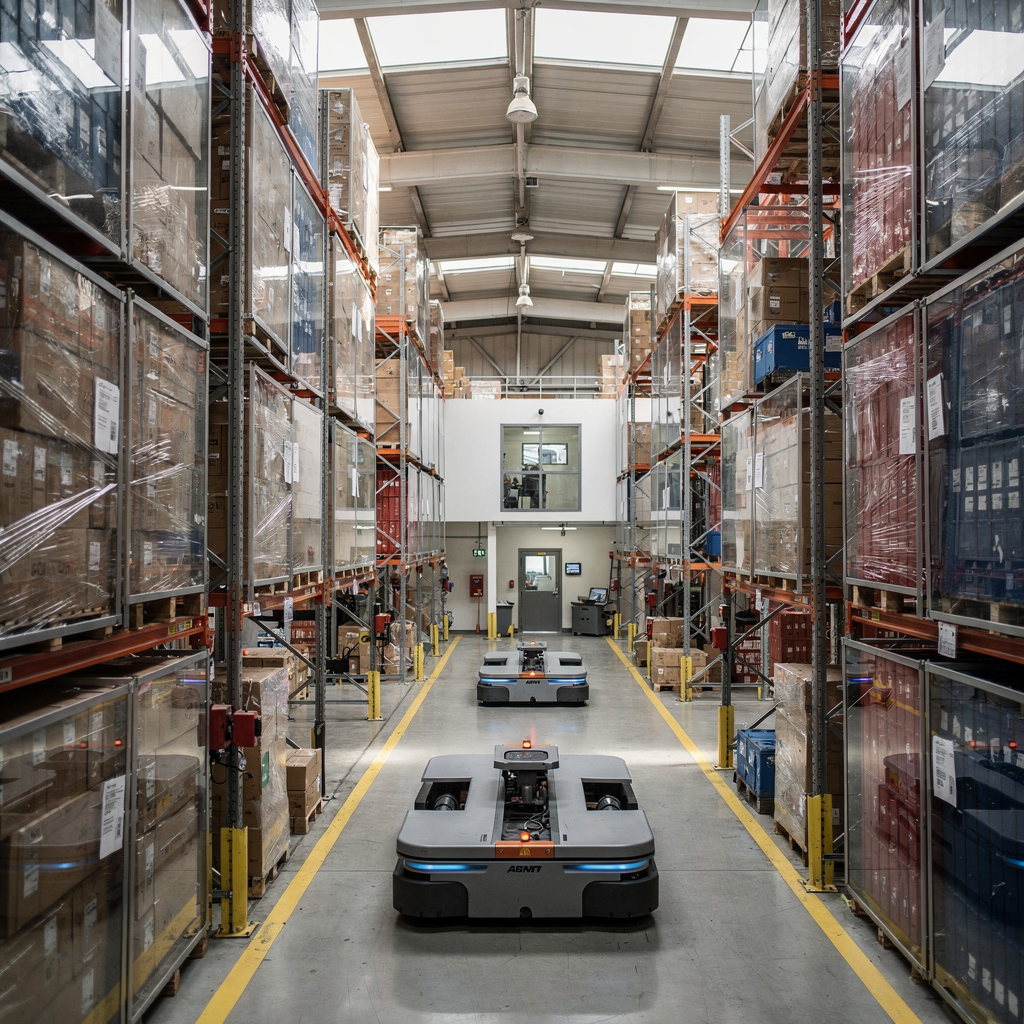
Warehouse operations must also adopt software changes. Warehouse management upgrades connect the yard to the TOS and to gate systems. In brownfield warehouses, systems integration efforts translate old data formats into modern APIs. This supports real-time tracking and predictive stacking choices. Automated storage and retrieval systems complement yard automation when space allows. Also, automated warehouse controls can coordinate with quay crane scheduling to reduce crane idle time. For sequencing across quay and yard, AI-driven job scheduling and cross-equipment prioritisation reduce bottlenecks; see cross-equipment job prioritization approaches for deeper guidance cross-equipment job prioritization.
Finally, staff training and change management matter. Train crews on new interfaces, guardrails and exception handling. Keep manual processes available as fallback during early phases. A staged shift to automation preserves service levels and avoids sharp performance dips. When done right, integrating brownfield infrastructure with warehouse-level automation improves throughput and protects future business while keeping transition pain manageable.
Cost, ROI and strategic choice in brownfield and greenfield container terminal automation projects
Cost and return drive the strategic choice. Brownfield automation typically costs between $50 million and $150 million. Greenfield builds often surpass $300 million because they include civil works and site preparation. Investors should weigh short-term capital limits against long-term benefits. A brownfield route needs less upfront investment and lower land costs. A greenfield port can offer higher throughput and lower operating costs per move once it is mature.
ROI calculations depend on assumed productivity gains and on the time horizon. Brownfield retrofits tend to yield 15–25% throughput improvement, whereas greenfield and purpose-built automated sites can exceed 50% and can achieve 30–40% in many deployments [Efficiency and productivity in container terminal operation]. Use a 10–15 year ROI window to compare options. For example, a greenfield site requires a larger initial investment but can return better ROI across a decade if trade volumes grow. A brownfield facility preserves capital and allows ports to optimise incrementally.
Operational savings come from lower labor intensity, reduced travel, fewer rehandles and energy savings. However, account for disruption costs during cutover and for the cost of integrating new equipment with legacy systems. Business cases must also consider channel volumes, future trade forecasts and land availability. If land is scarce, a brownfield route may be the only viable initiative. If land is available and volumes justify scale, building a new fully automated terminal becomes attractive. The decision matrix should include budget constraints, available existing facilities, projected throughput and the cost of change management.
Other strategic criteria include compatibility with modern control systems, the ability to future-proof for new automation technologies and ease of maintenance. For terminals seeking to optimise operations without the constraints of old layouts, a greenfield port provides a clear path to optimisation and to a future-ready facility built with charging, electrification and digital infrastructure in mind. For terminals with steady but moderate growth, automating brownfield keeps operations running while delivering tangible cost savings and operational efficiency. Ultimately, your strategy should be data-driven, supported by pilots and by measurable KPIs like those described in key performance indicators for AI in port operations KPIs for AI in port operations.
FAQ
What is the difference between brownfield and greenfield project planning?
Brownfield project planning upgrades existing structures and must deal with legacy constraints. A greenfield project involves building a new facility on undeveloped land and allows planners to design for automation from day one.
How long does it take to automate a brownfield terminal?
Typical timelines for a brownfield automation initiative range from three to five years. That includes assessment, phased retrofit work, pilot testing and full operation.
What cost range should I expect for brownfield automation?
Brownfield automation budgets commonly fall between $50 million and $150 million depending on scale and complexity. These figures cover hardware upgrades, software, systems integration and training.
Are throughput gains worth the investment?
Yes, throughput gains can justify the investment. Brownfield upgrades often yield 15–25% throughput improvements, while greenfield terminals can exceed 50% in many cases [Efficiency and productivity in container terminal operation].
Can I automate selectively to reduce disruption?
Yes. A phased rollout lets you pilot blocks and then scale. This approach preserves operations and reduces the risk of major disruption during the implementation process.
What warehouse changes matter most in a brownfield retrofit?
Slotting, aisle width adjustments and buffer sizing yield high returns. Upgrading warehouse management and adding selective automated storage and retrieval systems also help.
How do I measure ROI for automation investments?
Measure ROI over a 10–15 year horizon and include productivity gains, operational savings and disruption costs. Use KPIs such as moves per hour, crane utilisation and dwell time to quantify benefits measuring ROI of AI.
What role does AI play in port automation?
AI can optimise scheduling, balance yard workloads and adapt to changing vessel mixes. Reinforcement learning trained in a digital twin can produce policies that outperform historical rule-based approaches.
How do I reduce risk during TOS integration in brownfield projects?
Use phased cutovers, sandbox testing and clear guardrails. For more techniques and examples, see practical mitigation approaches during TOS integration risk mitigation during TOS integration.
When should a port choose greenfield over brownfield?
Choose greenfield when land is available and long-term trade forecasts justify high throughput and larger investment. Choose brownfield when land is limited or when short-term capital is constrained and incremental improvement is preferable.
our products
 stowAI
 stackAI
 jobAI
jobAI
Innovates vessel planning. Faster rotation time of ships, increased flexibility towards shipping lines and customers.
Build the stack in the most efficient way. Increase moves per hour by reducing shifters and increase crane efficiency.
Get the most out of your equipment. Increase moves per hour by minimising waste and delays.
stowAI
Innovates vessel planning. Faster rotation time of ships, increased flexibility towards shipping lines and customers.
stackAI
Build the stack in the most efficient way. Increase moves per hour by reducing shifters and increase crane efficiency.
jobAI
Get the most out of your equipment. Increase moves per hour by minimising waste and delays.